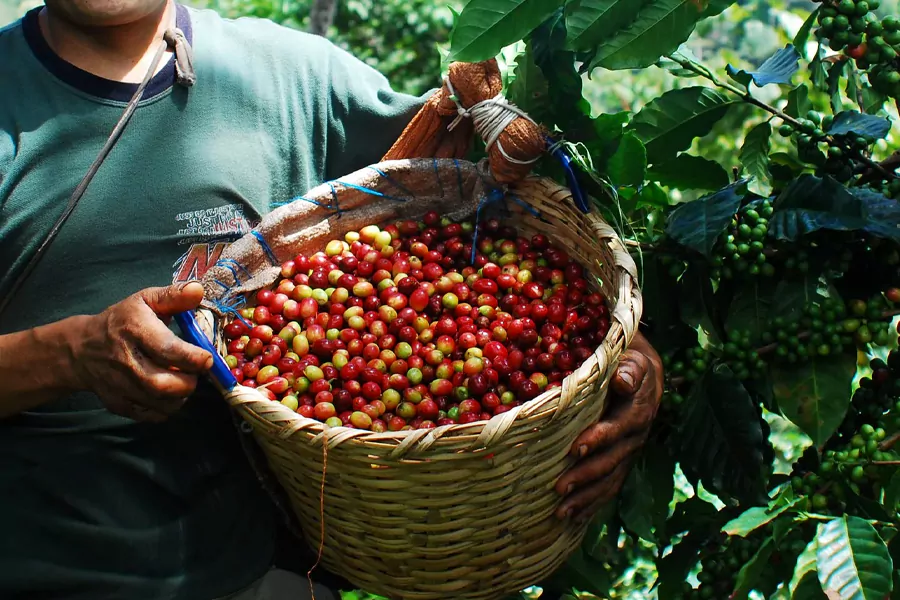
If you want to know why the best Peruvian coffee stands out, just look at the numbers. Peru now ranks among the world’s top coffee exporters, shipping out $1.1 billion in coffee in 2024—a 33% jump from last year!
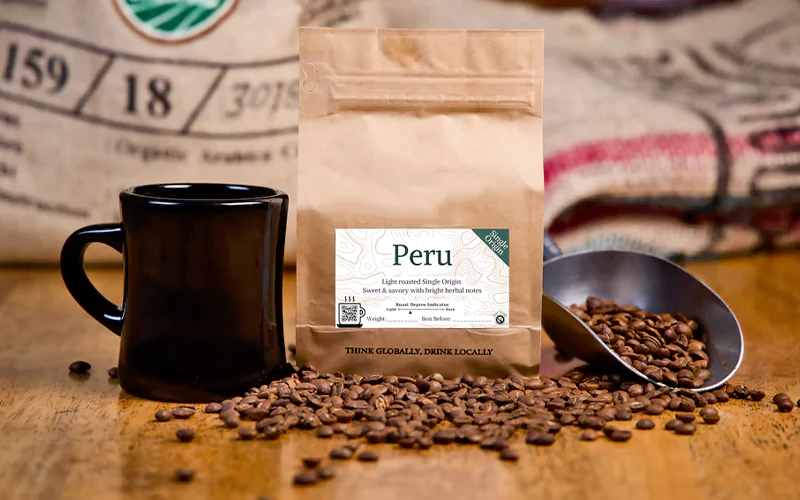
You’ll taste a mix of sweet, fruity, and floral notes, thanks to beans grown high in the Andes. Farmers use eco-friendly practices like shade-growing and composting to protect the land and flavor. To keep every cup fresh, specialty packaging such as BN PACK coffee bags locks in aroma and quality from farm to mug.
Peruvian Coffee Flavors
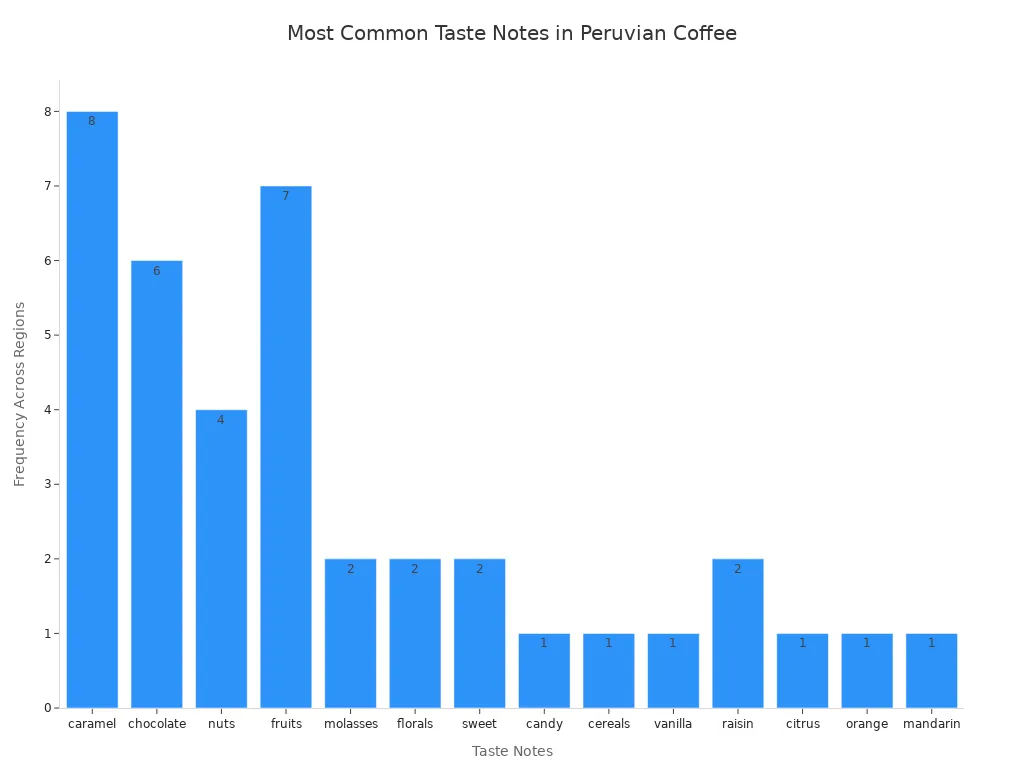
Taste Notes
When you sip a cup of Peruvian coffee, you notice right away how lively and complex it tastes. The beans from different regions bring their own unique flavors. Some taste sweet and fruity, while others have hints of chocolate, caramel, or even tropical fruits. Take a look at this table to see how the taste notes change from region to region:
Region | Common Taste Notes (Flavor Profile) |
|---|---|
Piura | Chocolate, caramel, nuts |
Cajamarca | Sweet, red and yellow fruits |
Cutervo | Vanilla, stone fruits (e.g., peach), molasses |
Amazonas | Dry fruits, caramel, candy |
San Martin | Chocolate, nuts, caramel |
Huanuco | Orange, mandarin, caramel |
Pasco | Nuts, sweet chocolate, raisins, fruit, citrus, florals |
Junin | Black and yellow fruits, chocolate, caramel |
Cusco | Red and black fruits (plums, raisins, grapes), chocolate |
Ayacucho | Cereals, black fruits, chocolate, caramel |
Puno | Tropical fruits, caramel, molasses, florals |
You might notice that lighter roasts often taste bright, with a lime-like acidity and soft fruit notes. As the roast gets darker, the coffee becomes fuller and more chocolaty, sometimes with a hint of smoke. This range of flavors makes the best peruvian coffee stand out from the crowd.
If you compare Peruvian coffee to others from South America, you’ll find it’s smoother and more complex than Brazilian coffee, which is usually nuttier and heavier. Colombian coffee is brighter and more acidic, while Peruvian beans give you a gentle, balanced cup with chocolate, nut, and fruit notes.
Specialty Varieties
Peru grows some of the world’s most prized specialty coffees. Most of these are Arabica beans, known for their smooth, aromatic flavor. You’ll also find rare varieties like Caturra Bourbon and Geisha, which have won awards for their outstanding taste. These beans grow high in the Andes, often above 1,200 meters, where the cool air and rich soil help create their unique profiles.
Arabica beans make up most of Peru’s specialty coffee. They’re smooth and full of aroma.
Caturra Bourbon and Geisha varieties have earned top scores at international competitions.
Other varieties you might see include Catimor, Tipica, Pache, and Bourbon.
The high altitude and different microclimates across Peru give each coffee its own special character.
If you want to try something truly unique, look for coffees labeled with their variety and region. That’s where you’ll discover the real magic of Peruvian coffee.
Coffee Regions in Peru
Cajamarca
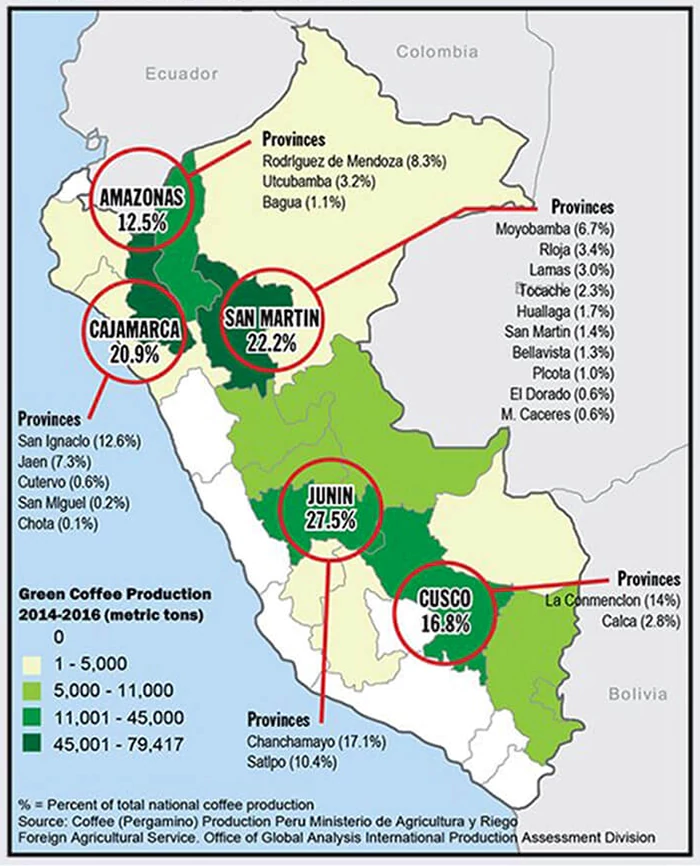
You’ll find Cajamarca in northern Peru, where coffee farms stretch across green hills and valleys. This region stands out for its high productivity and sweet, bright coffees. Farmers here use sustainable methods like composting coffee pulp, which boosts soil health and cuts down on greenhouse gases. Many growers work together in collectives, sharing training and tools to improve both quality and sustainability.
Cajamarca’s coffee grows in agroforestry systems, mixing native trees with coffee plants. This helps capture CO₂ and keeps the land healthy. You’ll taste the results in every cup—sweet, lively, and full of character.
Cusco
Cusco’s coffee story has changed a lot in the past decade. Farmers have moved from small, scattered plots to organized cooperatives that focus on quality and fair trade. You’ll notice that many growers use organic methods and experiment with rare varieties like Geisha and Pacamara.
High-altitude farms (900–2,000 meters) give Cusco coffee its dense beans and complex flavors—think red fruit and chocolate. Cooperatives help farmers get better prices and recognition, so you can enjoy a cup that supports both people and the planet.
Puno
Puno sits high in the Andes, near Lake Titicaca. Coffee here grows at extreme altitudes—up to 3,000 meters. This slow growth creates beans with a smooth, medium body and flavors like chocolate, nuts, dried cranberry, Meyer lemon, and brown sugar.
Local farmers use organic and sustainable practices, protecting the pristine environment. When you drink Puno coffee, you taste the unique climate and the care that goes into every bean.
Amazonas
Amazonas covers several provinces, each with active coffee communities and cooperatives. The main areas—Rodríguez de Mendoza, Utcubamba, Luya, and Bagua—produce over 2,500 tons of coffee each year.
Province | Key Districts | Notable Cooperatives & Guilds |
|---|---|---|
Rodríguez de Mendoza | San Nicolás, Huambo | Café Monteverde, Cooperativa Alta Montaña |
Utcubamba | Utcubamba | Cooperativa Bagua Grande |
Luya | Providencia | Laguna De Los Cóndores |
Bagua | Bagua | APROCAM, Cafetalera Ocumal |
Amazonas coffee often has dried fruit, caramel, and candy notes. The high altitude and stable climate help create a balanced cup with steady quality year after year.
San Martín
San Martín leads Peru in coffee production. You’ll see farms at many altitudes, from 900 to 2,100 meters, which means lots of flavor variety. Specialty coffee is growing fast here, but farmers face challenges from climate change and market pressures.
Rising temperatures and pests like coffee rust make it tough to keep quality high. Some farmers switch from shade-grown coffee to sun-grown for bigger yields, but this can hurt the environment. Still, many growers work hard to protect their land and improve their beans, so you can enjoy a cup that’s both delicious and meaningful.
Best Peruvian Coffee
Top Brands
When you look for the best Peruvian coffee, you want brands that deliver on both taste and quality. International coffee reviewers often praise these brands for their flavor, aroma, and commitment to sustainability. Here are some of the most highly rated options you can try:
AmazonFresh Organic Fair Trade Peru Ground Coffee: This coffee uses 100% Arabica beans. It is Fair Trade and USDA Organic certified. You get a medium roast with brown sugar and chocolate notes. The bag has a freshness valve to keep your coffee tasting great.
High Desert Roasters Organic Peruvian Whole Bean Coffee: This brand offers USDA Organic and Fair Trade certified beans. The medium roast brings out chocolate and citrus hints. The coffee is smooth, balanced, and low in acidity. The beans are shade-grown and wet-processed for extra care.
Java Planet Organic Peru Single Origin Medium Dark Roast: These specialty-grade Arabica beans grow at high altitudes. The coffee is naturally low in acid and certified Organic, Fair Trade, and Smithsonian Bird Friendly. Java Planet is family-owned and supports sustainable farming.
Volcanica Organic Tres Cumbres Peru Whole Bean: Many reviewers call this the best overall Peruvian coffee. It is well-priced, aromatic, and full of flavor.
Cooper’s Cask Coffee: This brand stands out for its sustainable practices and complex flavors. You get a unique cup every time.
You can find these brands online or in specialty stores. Each one brings something special to your cup, whether you want a smooth, nutty flavor or a bright, fruity finish.
Award Winners
Peruvian coffee producers have earned big awards in recent years. These honors show just how far the country has come in the world of specialty coffee. The Cup of Excellence (CoE) is the most respected competition for coffee growers. Judges from around the world taste and score the best beans. Winning coffees often sell for high prices at auction.
Here are some recent top winners:
Year | Winner | Coffee Type | Score | Notable Achievement |
|---|---|---|---|---|
2022 | Blanca Flor Cordova Jimenez | Gesha | 90.39 | First place in Peru Cup of Excellence 2022 |
2021 | Dwight Aguilar Masias | Washed Gesha | 90.20 | First two-time winner (also won in 2018) |
2018 | Dwight Aguilar Masias | Washed Gesha | N/A | First win in Peru Cup of Excellence |
Dwight Aguilar Masias made history as the first two-time winner of the Peru Cup of Excellence. His coffees scored above 90 points, showing the high quality you can expect from the best Peruvian coffee producers. These awards help put Peru on the map for coffee lovers everywhere.
You might also notice that Peruvian coffee shops are getting global attention. Five shops from Peru made it into The World’s 100 Best Coffee Shops. Notable names include Coffee Busters, Puku Puku, Origen (Lima), and Three Monkeys Coffee Cusco. This recognition highlights the growing reputation of Peruvian coffee culture.
Organic & Fair Trade
If you care about how your coffee is grown, you will find plenty of organic and Fair Trade options from Peru. Many of the best Peruvian coffee brands carry these certifications. They show that farmers use eco-friendly methods and get fair prices for their beans.
Fair Trade certification helps farmers organize and invest in their communities. It brings better price stability and market access.
Organic certification means the coffee grows without harmful chemicals. This protects the land and your health.
Some brands, like Java Planet and High Desert Roasters, go even further with certifications like Smithsonian Bird Friendly.
You should know that while these certifications offer some price and organizational benefits, they do not always lead to big income gains for farmers. Many farmers cannot sell all their beans at Fair Trade prices. Still, these programs help build stronger communities and protect the environment.
When you choose organic or Fair Trade coffee, you support farmers who care about quality and sustainability. You also get a cup that tastes great and matches your values. The best Peruvian coffee often comes from these dedicated growers, making every sip more meaningful.
Choosing Peruvian Coffee
Flavor Profiles
When you pick Peruvian coffee, you get to explore a world of flavors. Each region in Peru brings something special to your cup. Here’s a quick look at what you might taste:
Region | Common Flavor Profiles | Consumer Appeal |
|---|---|---|
Northern Peru | Balanced, nutty, chocolate, caramel, dry fruit, sweet, bright, fruity | Great for you if you love balanced, sweet, and bright coffees with nutty and fruity notes. |
Central Peru | Moderate body, bright acidity, citrus, chocolate, caramel, nuts, creamy body, yellow and black fruits | Perfect if you want bright acidity and complex fruity and nutty flavors. |
Southern Peru | Smooth, creamy, floral, tropical fruits, well-balanced, caramel notes | Best for those who enjoy smooth, creamy coffees with floral and tropical fruit complexity. |
You’ll notice that Peruvian coffee often has fruity, floral, and citrus notes, with hints of chocolate and nuts. If you like a smooth, gentle cup, you’ll find plenty of options. Some coffees taste bright and lively, while others feel creamy and sweet. You can choose based on what flavors you enjoy most.
Tip: Try different brewing methods like espresso, French press, or pour-over. Each one brings out unique flavors in your coffee!
Roast Levels
Roast level changes everything about your coffee experience. Here’s what you can expect:
Light Roast: You’ll taste the original flavors of the beans—think fruity and floral notes, with lively acidity and lots of complexity.
Medium Roast: This roast balances acidity and sweetness. You’ll notice caramel and chocolate flavors, and the coffee feels smooth and rich.
Dark Roast: You get deep, bold flavors like dark chocolate and caramel. The cup is robust, sometimes with a hint of smokiness.
Peruvian beans grow at high altitudes, so they’re dense and full of flavor. Roasters use more heat at the start to bring out the best in these beans. If you want to taste the unique character of the best peruvian coffee, start with a medium roast.
Certifications
When you care about how your coffee is grown, look for certifications. The most popular ones are Organic and Fair Trade. These labels show that farmers use eco-friendly methods and get fair wages. Many small farmers in Peru use organic practices, even if they don’t always have the official label. Cooperatives help these farmers reach international markets and get better prices.
Peru stands out as a top supplier of certified Organic and Fair Trade coffees. Over 200,000 farmers contribute to this success. These certifications matter if you want coffee that matches your values and supports ethical farming. When you choose certified coffee, you help build stronger communities and protect the environment.
Coffee Packaging by BN PACK
Coffee Bag Features
When you pick up a bag of Peruvian coffee, you want it to taste as fresh as the day it was roasted. That’s where BN PACK comes in. Our coffee bags use high-barrier materials like kraft paper, foil, and recyclable films to keep out air, moisture, and light. This means your coffee stays aromatic and flavorful for longer.
You’ll notice some smart features built right into the bags:
One-way degassing valves let carbon dioxide escape without letting air in. Your beans stay fresh and never taste stale.
Resealable zippers make it easy to open and close the bag, so you can enjoy fresh coffee every time.
Tear notches help you open the bag without scissors.
Clear windows let you see the beans inside, so you know exactly what you’re getting.
BN PACK also cares about the planet. We use eco-friendly materials like kraft paper from FSC-certified forests, rice paper made from renewable resources, and LDPE bags that are 100% recyclable. Our water-based inks and plant-based adhesives keep chemicals to a minimum. These choices help reduce waste and support a cleaner environment.
Tip: Choosing coffee in a well-designed, eco-friendly bag helps you enjoy better flavor and supports sustainable coffee farming.
Customization Options
Every coffee brand wants to stand out. BN PACK makes it easy for you to create packaging that matches your style and values. You can choose from many bag shapes—stand-up pouches, flat bottom, side gusset, or even unique shapes like trapezoidal or hexagonal.
Here’s what you can customize:
Sizes: From single-serve to 5-pound bags.
Materials: Kraft paper, foil, biodegradable films, rice paper, and more.
Finishes: Matte, glossy, metallic, or even holographic accents.
Colors and designs: Add your logo, pick bold or earthy colors, and use vibrant graphics.
Functional features: Resealable zippers, one-way valves, tear notches, and clear windows.
You also get fast turnaround times and flexible order quantities. Sustainable options come with certifications like FSC and compostable labels, so you can show your customers you care about the planet. With BN PACK, your coffee packaging does more than protect your beans—it tells your story and attracts new fans.
You’ve seen how Peru’s regions—from Cajamarca to Puno—create a world of flavors in every cup. Check out what matters most when you pick your coffee:
Factor | Why It Matters |
|---|---|
Unique flavors | High altitudes and diverse microclimates boost complexity |
Sustainable practices | Organic, Fair Trade, and shade-grown methods |
Specialty varieties | Typica, Bourbon, Caturra, and more |
Innovative packaging | Keeps your coffee fresh and aromatic |
You get to enjoy the best peruvian coffee when you choose beans that match your taste and values.
BN PACK coffee bags help lock in that freshness, so every sip feels special.
Try different regions and roasts. You might discover a new favorite!
FAQ
What makes Peruvian coffee different from other coffees?
You’ll notice Peruvian coffee tastes smooth and balanced. The high mountains and rich soil give the beans sweet, fruity, and floral notes. Farmers use eco-friendly methods, so you get a cup that’s both delicious and sustainable.
How do BN PACK coffee bags keep my coffee fresh?
BN PACK coffee bags use high-barrier materials and one-way valves. These features block air, moisture, and light. Your coffee stays fresh and aromatic, just like the day it was roasted.
Are there eco-friendly options for coffee packaging?
Absolutely! BN PACK offers recyclable, compostable, and biodegradable coffee bags. You can choose materials like kraft paper or rice paper. These options help you protect the planet while enjoying your favorite brew.
What certifications should I look for when buying Peruvian coffee?
Look for labels like Organic, Fair Trade, and Rainforest Alliance. These show that farmers use safe, eco-friendly practices and get fair pay. Certified coffee supports both people and the environment.