
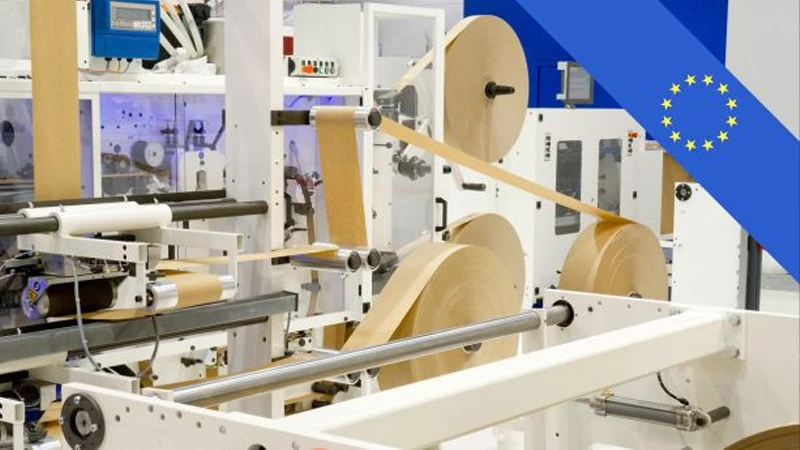
As the European Union strengthens its commitment to sustainability and product safety, packaging manufacturers around the world are facing new compliance requirements. One of the most important changes introduced under the Packaging and Packaging Waste Regulation (PPWR) is the restriction on heavy metals in packaging materials. Although many companies focus on recyclability or recycled content, the heavy metal limit remains a fundamental requirement that every packaging supplier must meet before products can enter the EU market.
For manufacturers of flexible packaging, including coffee bags, food pouches, stand-up pouches, spouted pouches, and laminated films, understanding this regulation is no longer optional. European importers are increasingly requesting laboratory test reports and compliance documents before placing orders, making heavy metal compliance a key factor in supplier selection.
This article explains what the 100 mg/kg limit means, where heavy metals can be found in flexible packaging, how compliance is tested, and how manufacturers can reduce regulatory risks while supplying high-quality packaging to European customers.
What Is the 100 mg/kg Heavy Metal Limit Under PPWR?
The PPWR continues the EU’s long-standing effort to minimize hazardous substances in packaging while supporting a circular economy. One of its core requirements is that the combined concentration of four heavy metals in packaging must not exceed 100 mg/kg.
These four restricted substances include:
- Lead (Pb)
- Cadmium (Cd)
- Mercury (Hg)
- Hexavalent Chromium (Cr(VI))
It is important to understand that the regulation does not limit each metal individually to 100 mg/kg. Instead, the total concentration of all four substances combined must remain below the threshold. This requirement applies to the finished packaging rather than a single raw material, meaning every layer, coating, ink, adhesive, and additive contributes to the final result.
The purpose of this requirement extends beyond consumer safety. Heavy metals can interfere with recycling processes, contaminate recycled materials, pollute soil and groundwater after disposal, and increase environmental risks throughout the packaging life cycle. By restricting these substances, the EU aims to improve both packaging safety and the quality of recycled materials used in future packaging production.
Does the Heavy Metal Limit Apply to Flexible Packaging?
The simple answer is yes.
Many businesses assume that heavy metal regulations mainly affect metal cans or rigid plastic containers. In reality, the PPWR applies to virtually every type of packaging placed on the European market, including flexible packaging used across the food and beverage industry.
Coffee packaging is one of the most common applications affected by the regulation. Whether the bag is made from kraft paper with an aluminum barrier, PET/PE laminated film, recyclable PE, or mono-material PP, the finished package must comply with the heavy metal limit. Degassing valves, printed surfaces, zipper closures, and adhesive layers all become part of the overall compliance assessment.
Food packaging pouches are equally affected. Stand-up pouches for snacks, frozen foods, dried fruits, spices, sauces, bakery products, confectionery, and pet food must all satisfy the same requirement regardless of their material structure.
The regulation also applies to liquid packaging such as spouted pouches for beverages, baby food, dairy products, detergents, and personal care products. Even industrial flexible packaging supplied to European manufacturers falls within the scope of the regulation.
In other words, compliance depends on where the packaging is sold rather than the material from which it is made. Plastic films, kraft paper, aluminum foil laminates, PE, PP, PET, nylon, and composite structures are all subject to the same heavy metal restrictions if they enter the EU market.
Where Can Heavy Metals Be Found in Flexible Packaging?
Modern flexible packaging rarely contains intentionally added heavy metals. However, contamination can still occur through various raw materials and manufacturing processes. Understanding these potential sources helps manufacturers identify risks before products reach customers.
Printing Inks and Color Pigments
Printing inks have historically been one of the most significant sources of heavy metals. Certain pigments used to create bright yellow, orange, red, and green colors once relied on compounds containing lead or cadmium. Although many reputable ink manufacturers have already developed safer alternatives, low-cost or uncertified inks may still present compliance risks.
High-quality food packaging manufacturers typically source inks from internationally recognized suppliers and require detailed material specifications to ensure compliance with European regulations.
Plastic Colorants and Additives
Colored plastic films often contain masterbatch formulations that include pigments, fillers, stabilizers, and processing aids. If these additives originate from poorly controlled supply chains, unwanted heavy metal contamination may occur.
The growing use of recycled plastics introduces another consideration. While recycled materials play an essential role in sustainable packaging, inconsistent feedstock quality may increase the likelihood of trace contaminants if strict quality control procedures are not implemented.
For this reason, reputable manufacturers carefully evaluate recycled resin suppliers and verify incoming materials through regular testing.
Laminated Structures and Adhesive Systems
Many coffee bags and food pouches consist of multiple laminated layers designed to provide excellent oxygen, moisture, and aroma barriers. Although aluminum foil itself is generally not considered a significant source of heavy metals, coatings, primers, adhesives, surface treatments, and decorative printing may introduce contamination if inferior materials are used.
Manufacturers that rely solely on price when purchasing raw materials often face greater compliance risks than those maintaining long-term partnerships with certified suppliers.
How Is Heavy Metal Compliance Tested?
Meeting the PPWR requirements is not based on assumptions or supplier declarations alone. European buyers increasingly expect laboratory evidence demonstrating that packaging complies with regulatory limits.
Professional testing laboratories commonly analyze packaging samples using highly sensitive analytical techniques such as Inductively Coupled Plasma Mass Spectrometry (ICP-MS), Inductively Coupled Plasma Optical Emission Spectroscopy (ICP-OES), Atomic Absorption Spectroscopy (AAS), or X-Ray Fluorescence (XRF). These methods can accurately determine the total concentration of regulated heavy metals within the finished packaging material.
Testing normally involves sample preparation, digestion of packaging materials under controlled laboratory conditions, and quantitative analysis of each restricted element. Accredited laboratories then compare the measured values with applicable regulatory limits before issuing an official test report.
Beyond laboratory testing, buyers often request additional compliance documentation. Material specifications, Certificates of Analysis (COA), supplier declarations, food-contact compliance statements, and Declarations of Conformity (DoC) all contribute to demonstrating that packaging has been produced using compliant raw materials and controlled manufacturing processes.
Maintaining organized documentation is becoming increasingly important, especially as European authorities strengthen market surveillance under the PPWR.
Risk Factors for Coffee and Food Packaging Manufacturers
Heavy metal compliance is rarely compromised by a single mistake. More often, problems arise from weaknesses throughout the supply chain.
Switching raw material suppliers without proper verification may introduce pigments or additives that have not been tested against European standards. Purchasing low-cost inks to reduce production costs can increase contamination risks, particularly when suppliers cannot provide reliable technical documentation. Inconsistent recycled materials, incomplete incoming inspections, and outdated compliance reports may also expose manufacturers to regulatory issues.
For exporters, the consequences extend far beyond a failed laboratory test. Non-compliant packaging may delay customs clearance, lead to rejected shipments, damage customer relationships, or result in costly product recalls. European importers are therefore becoming increasingly selective when choosing packaging suppliers, often favoring manufacturers with well-established quality management systems and transparent documentation.
As regulatory expectations continue to rise, compliance is evolving from a legal requirement into a competitive advantage.
Best Practices for Manufacturing PPWR-Compliant Flexible Packaging
Successful compliance begins long before production starts. It starts with material selection.
Experienced flexible packaging manufacturers establish strict supplier qualification procedures, ensuring that inks, films, adhesives, coatings, and additives originate from trusted partners capable of providing complete technical documentation. Incoming materials are verified before entering production, reducing the likelihood of contamination at the earliest stage.
During manufacturing, consistent process control helps maintain product quality across every production batch. Color management systems, food-grade production practices, and regular laboratory verification all contribute to stable compliance performance.
Rather than relying on a single final inspection, leading manufacturers integrate compliance into every stage of product development. Packaging structures are designed with regulatory requirements in mind, while quality documentation is continuously updated to reflect material changes, supplier approvals, and laboratory results.
This proactive approach not only reduces regulatory risks but also gives customers greater confidence when exporting products into the European market.
How PouchesPack Helps Customers Meet EU Heavy Metal Requirements
At PouchesPack, regulatory compliance is considered an essential part of packaging design rather than an afterthought. Every project begins with careful material selection based on the customer’s application, product characteristics, and target export market.
Our flexible packaging solutions for coffee, food, pet food, liquid products, and specialty applications are manufactured using food-grade raw materials sourced from qualified suppliers. We work closely with trusted material partners to ensure that films, inks, adhesives, and barrier materials meet international quality expectations while supporting European regulatory requirements.
For customers exporting to Europe, we can provide technical support throughout the packaging development process, including material recommendations, compliance documentation, and assistance with laboratory testing requirements when needed. Whether the project involves recyclable PE packaging, mono-material PP pouches, kraft paper coffee bags, aluminum foil laminates, or customized high-barrier structures, our engineering team focuses on delivering packaging solutions that balance performance, sustainability, and compliance.
By combining manufacturing expertise with a strong understanding of evolving packaging regulations, PouchesPack helps customers reduce compliance risks while maintaining the product protection and shelf appeal that modern brands require.
Conclusion
The 100 mg/kg heavy metal limit is one of the most fundamental environmental requirements under the EU PPWR, and its importance will continue to grow as enforcement becomes more rigorous across Europe. Although most modern flexible packaging can meet this requirement when produced responsibly, compliance depends on careful raw material selection, qualified suppliers, reliable laboratory testing, and comprehensive documentation.
For coffee roasters, food manufacturers, and brand owners exporting to the European Union, choosing the right packaging supplier is no longer just about price or appearance. It is about working with a manufacturing partner that understands international regulations and incorporates compliance into every stage of production.
If your business is preparing products for the European market, PouchesPack can help you develop food-safe, export-ready, and PPWR-conscious flexible packaging solutions tailored to your specific application. Contact our team to discuss your packaging requirements and build a solution designed for both performance and long-term regulatory compliance.