Europejski przemysł opakowaniowy wkracza w nową erę surowszych przepisów dotyczących bezpieczeństwa chemicznego. Podczas gdy recykling, zawartość materiałów pochodzących z recyklingu i redukcja odpadów opakowaniowych zyskały znaczną uwagę w ramach unijnego rozporządzenia w sprawie opakowań i odpadów opakowaniowych (PPWR) , dla producentów opakowań spożywczych równie ważny staje się inny wymóg – ograniczenie stosowania substancji perfluoroalkilowych i polifluoroalkilowych, powszechnie znanych jako PFAS.
Często określane jako „wieczne chemikalia”, związki PFAS są szeroko stosowane w przemyśle od dziesięcioleci ze względu na doskonałą odporność na tłuszcz, wodę, ciepło i chemikalia. W przemyśle opakowaniowym te właściwości sprawiły, że związki PFAS stały się atrakcyjne do produkcji papieru odpornego na tłuszcz, powlekanych opakowań do żywności, specjalistycznych barier i różnych metod obróbki powierzchni. Naukowcy odkryli jednak, że wiele związków PFAS utrzymuje się w środowisku przez lata, akumuluje się w organizmach żywych i może stanowić potencjalne zagrożenie zarówno dla zdrowia ludzkiego, jak i dla ekosystemów.
W rezultacie Unia Europejska znacząco zaostrza ograniczenia dotyczące PFAS stosowanych w opakowaniach przeznaczonych do kontaktu z żywnością. Począwszy od wdrożenia dyrektywy PPWR, producenci eksportujący opakowania elastyczne do Europy muszą zwracać większą uwagę na wybierane materiały, stosowane powłoki oraz dokumentację, którą przekazują klientom.
Dla producentów torebek na kawę , saszetek na żywność , saszetek z korkiem, opakowań z papieru kraft i laminowanych opakowań elastycznych , zrozumienie nowych wymogów dotyczących PFAS staje się kluczowe. Europejscy nabywcy coraz częściej żądają dowodów na zgodność materiałów opakowaniowych z PFAS przed zatwierdzeniem nowych dostawców.
W przewodniku wyjaśniono nowe limity PFAS określone w PPWR, wskazano, które materiały opakowaniowe są najbardziej narażone na zmiany, omówiono typowe problemy związane z zapewnieniem zgodności z przepisami oraz przedstawiono praktyczne strategie projektowania bezpieczniejszych opakowań przeznaczonych do kontaktu z żywnością na rynku europejskim.
Czym są PFAS?
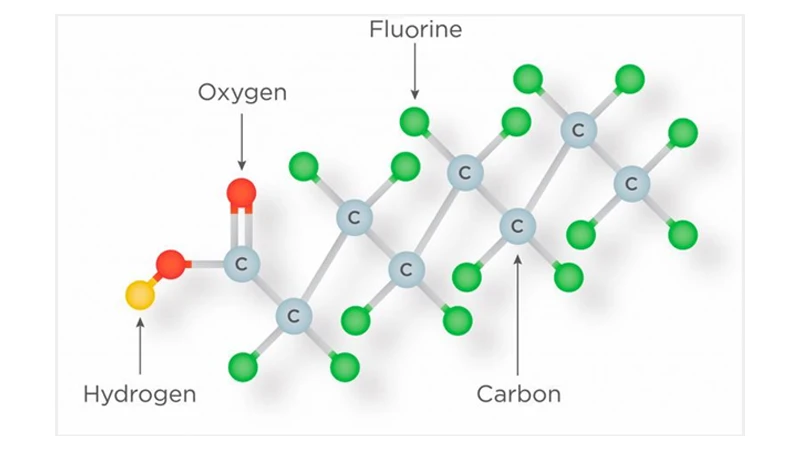
Termin PFAS odnosi się do dużej rodziny tysięcy syntetycznych fluorowanych związków chemicznych, produkowanych od lat 1940. XX wieku. Substancje te są cenione za swoją wyjątkową zdolność do odpychania oleju, smaru, wilgoci i plam, zachowując jednocześnie doskonałą stabilność chemiczną.
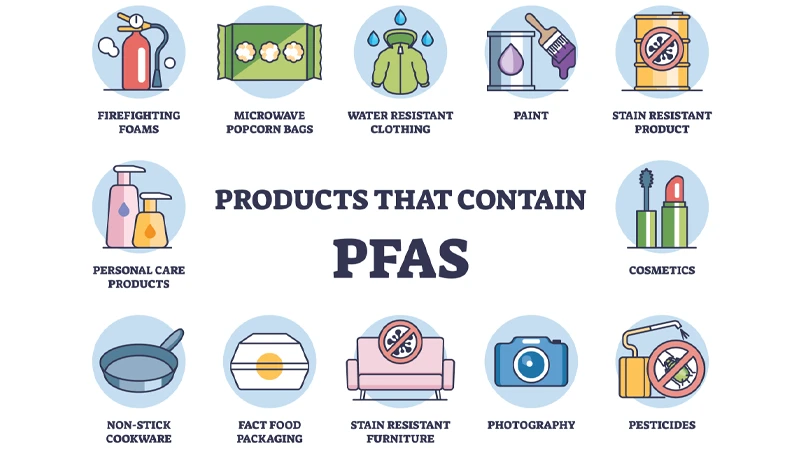
Ze względu na te właściwości związki PFAS wykorzystuje się w wielu gałęziach przemysłu, m.in. w przemyśle tekstylnym, produkcji naczyń kuchennych, elektronicznym, w produkcji pian gaśniczych, podzespołów samochodowych, urządzeń medycznych i opakowań żywności.
W przypadku opakowań elastycznych, związki PFAS historycznie występowały w opakowaniach z papieru odpornego na tłuszcz, fluorowanych powłokach barierowych, specjalistycznych metodach obróbki powierzchni oraz niektórych środkach pomocniczych stosowanych w przetwórstwie przemysłowym. Chociaż wiele nowoczesnych materiałów opakowaniowych do żywności nie zawiera już celowo PFAS, starsze receptury i tańsze materiały mogą nadal zawierać wykrywalne ilości tych związków.
W przeciwieństwie do wielu innych chemikaliów przemysłowych, PFAS ulegają niezwykle powolnej degradacji w środowisku. Po uwolnieniu mogą pozostawać w glebie i wodzie przez dziesięciolecia, stąd ich przydomek „wiecznych chemikaliów”. Badania naukowe wykazały również, że niektóre związki PFAS mogą z czasem kumulować się w organizmach zwierząt i ludzi, co skłoniło organy regulacyjne na całym świecie do wprowadzenia coraz surowszych środków kontroli.
Dla producentów opakowań oznacza to, że bezpieczeństwo materiałów nie jest już oceniane wyłącznie na podstawie testów migracji czy dopuszczenia do kontaktu z żywnością. Skład chemiczny w całym łańcuchu dostaw staje się równie ważny.
Zrozumienie nowych limitów PFAS w ramach unijnego rozporządzenia PPWR
Rozporządzenie PPWR wprowadza jedne z najsurowszych ram kontroli PFAS, jakie kiedykolwiek zastosowano w opakowaniach przeznaczonych do kontaktu z żywnością w Europie. Zamiast szeroko zachęcać producentów do ograniczania stosowania PFAS, rozporządzenie ustanawia mierzalne limity stężeń, których dostawcy muszą przestrzegać.
W przypadku opakowań przeznaczonych do kontaktu z żywnością wprowadzanych na rynek UE, pojedyncza substancja PFAS nie może przekraczać 25 części na miliard (ppb) . Ponadto całkowite stężenie niepolimerowych PFAS musi pozostać poniżej 250 ppb.
Progi te odzwierciedlają ostrożne podejście Unii Europejskiej do substancji chemicznych, które mogą pozostawać w środowisku przez dłuższy czas. Chociaż limity liczbowe wydają się niezwykle niskie, wymagają one od producentów znacznie większej kontroli nad pozyskiwaniem surowców i zarządzaniem dostawcami niż w latach ubiegłych.
Co ważne, zgodność wykracza poza samo gotowe opakowanie. Każdy element mający kontakt z żywnością – w tym powłoki, warstwy nadruku, kleje, bariery ochronne i dodatki funkcjonalne – może wpływać na ostateczny status zgodności. Konstrukcja opakowania może zostać uznana za zgodną tylko wtedy, gdy wszystkie odpowiednie materiały spełniają wymagane limity PFAS.
W miarę jak egzekwowanie przepisów staje się coraz bardziej rygorystyczne, od europejskich importerów oczekuje się częstszego żądania raportów laboratoryjnych i deklaracji dostawców, co sprawia, że przejrzysta dokumentacja staje się niezbędnym elementem handlu międzynarodowego.
Dlaczego UE ogranicza PFAS?
Ograniczenie stosowania PFAS jest ściśle powiązane z szerszą strategią zrównoważonego rozwoju Unii Europejskiej i Planem działania na rzecz gospodarki o obiegu zamkniętym. Celem jest nie tylko ograniczenie narażenia konsumentów na niebezpieczne substancje chemiczne, ale także poprawa jakości materiałów pochodzących z recyklingu i minimalizacja długotrwałego zanieczyszczenia środowiska.
Gdy opakowania zawierające PFAS trafiają do systemów recyklingu, te trwałe substancje chemiczne mogą zanieczyścić tworzywa sztuczne pochodzące z recyklingu lub włókna papieru pochodzące z recyklingu. Zmniejsza to wartość materiałów pochodzących z recyklingu i utrudnia produkcję bezpiecznych surowców wtórnych nadających się do przyszłych zastosowań w kontakcie z żywnością.
PFAS mogą również migrować do gleby i wód gruntowych po utylizacji, jeśli systemy gospodarki odpadami nie są w stanie skutecznie ich powstrzymać. Ponieważ substancje te rozkładają się niezwykle powoli, nawet niewielkie ilości mogą kumulować się przez wiele lat.
Ograniczając obecnie stosowanie PFAS w opakowaniach, organy regulacyjne mają nadzieję na zmniejszenie obciążeń dla środowiska w przyszłości, a jednocześnie na wspieranie czystszych strumieni recyklingu i bezpieczniejszych materiałów opakowaniowych w całej Europie.
Dla producentów oznacza to, że zgodność z przepisami staje się coraz częściej elementem zrównoważonego projektowania produktów, a nie tylko spełnieniem wymogów prawnych.
Które materiały opakowaniowe żywności są najbardziej narażone?
Nie każdy materiał opakowaniowy niesie ze sobą takie samo ryzyko związane z PFAS. Zrozumienie, które produkty wymagają szczególnej uwagi, pomaga producentom skupić się na testach i weryfikacji dostawców tam, gdzie jest to najbardziej potrzebne.
Opakowania z papieru odpornego na tłuszcz są powszechnie uznawane za jedną z kategorii najwyższego ryzyka. Sam papier nie jest naturalnie odporny na oleje ani wilgoć, dlatego w przeszłości stosowano powłoki fluorowane w celu poprawy barierowości opakowań produktów piekarniczych, fast foodów, kanapek, popcornu do mikrofalówek i dań na wynos. Chociaż wielu dostawców przeszło na alternatywy bezfluorowe, na niektórych rynkach mogą być nadal dostępne starsze receptury.
Powlekany papier typu kraft używany do pakowania żywności premium również zasługuje na staranną ocenę. Torebki na kawę i specjalistyczne torebki na żywność często łączą papier typu kraft z powłokami barierowymi, aby poprawić odporność na wilgoć i jakość druku. Chociaż samo podłoże z papieru typu kraft zazwyczaj nie jest źródłem PFAS, niektóre rodzaje obróbki powierzchni mogą wymagać weryfikacji przed eksportem do Europy.
Opakowania laminowane folią aluminiową to kolejny obszar, który często budzi wątpliwości wśród kupujących. Wbrew powszechnemu przekonaniu, sama folia aluminiowa zazwyczaj nie zawiera PFAS. Jednak powłoki, podkłady, lakiery zgrzewane na gorąco, środki antyadhezyjne lub systemy klejowe stosowane podczas laminowania mogą zawierać związki fluorowane, w zależności od składu dostarczonego przez producentów surowców.
Folie z tworzyw sztucznych, takie jak PE, PP, PET i nylon, generalnie charakteryzują się stosunkowo niskim ryzykiem występowania PFAS, jeśli pochodzą od renomowanych dostawców. Niemniej jednak, specjalistyczne metody obróbki powierzchni, powłoki antyadhezyjne lub dodatki do przetwarzania powinny być nadal oceniane w ramach kompleksowego programu zgodności.
Producenci powinni zatem unikać oceny opakowań wyłącznie na podstawie materiału wyjściowego. Każda warstwa funkcjonalna w elastycznej strukturze opakowania przyczynia się do ogólnej zgodności.
Jak producenci mogą testować obecność PFAS?
W przeciwieństwie do konwencjonalnych testów kontaktu z żywnością, które koncentrują się na wydajności migracji, analiza PFAS wymaga specjalistycznych technik laboratoryjnych, które pozwalają na wykrycie niezwykle małych stężeń mierzonych w częściach na miliard.
Akredytowane laboratoria często stosują zaawansowane metody analityczne, takie jak chromatografia cieczowa sprzężona z tandemową spektrometrią mas (LC-MS/MS) lub spektrometria mas o wysokiej rozdzielczości, do identyfikacji i ilościowego oznaczania konkretnych związków PFAS. W zależności od wymagań klienta, laboratoria mogą badać obecność poszczególnych substancji, całkowitego fluoru organicznego lub szerszych grup związków PFAS.
Testy zazwyczaj przeprowadza się na reprezentatywnych próbkach opakowań pobranych z gotowej produkcji, a nie na samych surowcach. Jednak wielu producentów żąda również raportów zgodności od dostawców surowców przed wprowadzeniem materiałów do produkcji, co tworzy wielowarstwowy system kontroli jakości.
Ponieważ technologia analityczna stale się rozwija, producenci powinni ściśle współpracować z laboratoriami o uznanej renomie międzynarodowej, które są na bieżąco z europejskimi normami testowania i praktykami raportowania.
Oprócz raportów laboratoryjnych, europejscy klienci coraz częściej żądają dokumentów uzupełniających, takich jak deklaracje dostawców, specyfikacje materiałowe, certyfikaty analizy, oświadczenia o zgodności z przepisami dotyczącymi kontaktu z żywnością oraz deklaracje zgodności. Prowadzenie kompletnej dokumentacji technicznej staje się równie ważne, jak uzyskiwanie zadowalających wyników laboratoryjnych.
Typowe wyzwania związane ze zgodnością dla producentów opakowań elastycznych
Jednym z największych wyzwań stojących przed producentami opakowań jest złożoność dzisiejszych łańcuchów dostaw. Pojedyncza torebka kawy może zawierać kilka różnych folii, farb drukarskich, klejów, zamków błyskawicznych, zaworów i powłok ochronnych pochodzących od wielu dostawców z różnych krajów.
Nawet jeśli folia podstawowa spełnia ograniczenia dotyczące PFAS, jedna specjalistyczna powłoka lub importowany klej mogą wpłynąć na zgodność gotowego opakowania. Producenci, którzy często zmieniają dostawców wyłącznie ze względu na cenę, mogą nieświadomie wprowadzać niepotrzebne ryzyko regulacyjne.
Kolejnym wyzwaniem jest rosnące zapotrzebowanie na wysokiej jakości opakowania barierowe. Klienci oczekują doskonałej odporności na tłuszcz, ochrony przed wilgocią, bariery tlenowej i długiego okresu przydatności do spożycia, a jednocześnie opakowań nadających się do recyklingu i wolnych od ograniczonych substancji chemicznych. Zrównoważenie tych celów wymaga zarówno specjalistycznej wiedzy technicznej, jak i starannego doboru materiałów.
Nowocześnie myślący producenci stawiają czoła tym wyzwaniom poprzez nawiązywanie długoterminowych partnerstw z dostawcami, przeprowadzanie regularnych audytów zgodności, wdrażanie rygorystycznych kontroli materiałów przychodzących i utrzymywanie pełnej identyfikowalności w całym procesie produkcyjnym.
Projektowanie elastycznych opakowań zgodnych z PFAS
Osiągnięcie zgodności z normami PFAS rozpoczyna się już na etapie projektowania opakowania, a nie po jego wyprodukowaniu. Wybór materiałów, właściwości barierowe, drukowność, zrównoważony rozwój i zgodność z przepisami powinny być brane pod uwagę jednocześnie.
Wielu producentów zastępuje obecnie fluorowane powłoki odporne na tłuszcz innowacyjnymi technologiami bezfluorowymi, które zapewniają porównywalną wydajność funkcjonalną, jednocześnie redukując obawy dotyczące środowiska. Powłoki barierowe na bazie wody, zaawansowane struktury polimerowe i zoptymalizowane folie laminowane stają się coraz bardziej preferowaną alternatywą w zastosowaniach związanych z opakowaniami żywności.
Kwalifikacja dostawców jest równie ważna. Producenci opakowań powinni współpracować wyłącznie z dostawcami materiałów, którzy są w stanie dostarczyć szczegółową dokumentację techniczną i aktualne deklaracje zgodności. Okresowa weryfikacja laboratoryjna dodatkowo wzmacnia pewność, że produkcja pozostaje spójna w czasie.
Zamiast postrzegać ograniczenia dotyczące PFAS jako obciążenie regulacyjne, wiele wiodących firm zajmujących się pakowaniem widzi w nich szansę na unowocześnienie oferty produktów, wzmocnienie zaufania klientów i pozycjonowanie się jako długoterminowych partnerów globalnych marek żywności.
W jaki sposób PouchesPack wspiera zgodność z przepisami dotyczącymi PFAS
W PouchesPack zgodność z przepisami jest integralną częścią każdego etapu procesu rozwoju opakowań. Rozumiemy, że nowoczesne marki spożywcze potrzebują czegoś więcej niż tylko atrakcyjnego opakowania – potrzebują opakowań, które spełniają zmieniające się przepisy międzynarodowe, jednocześnie chroniąc jakość produktu przez cały okres jego przydatności do spożycia.
Nasze torebki na kawę, torebki do pakowania żywności, torebki z korkiem, opakowania nadające się do recyklingu, torby z papieru kraft oraz elastyczne rozwiązania opakowaniowe na zamówienie są opracowywane z wykorzystaniem starannie wyselekcjonowanych materiałów dopuszczonych do kontaktu z żywnością, pochodzących od kwalifikowanych dostawców. W trakcie rozwoju produktu ściśle współpracujemy z zaufanymi partnerami materiałowymi, aby ocenić skuteczność barierową, bezpieczeństwo chemiczne i zgodność z przepisami dla docelowych rynków eksportowych.
Obsługując klientów eksportujących do Europy, zapewniamy wsparcie techniczne w zakresie doboru materiałów, optymalizacji konstrukcji opakowań oraz dokumentacji zgodności. Nasz zespół inżynierów stale monitoruje zmiany w branży związane z PPWR i innymi międzynarodowymi przepisami dotyczącymi opakowań, aby klienci mogli podejmować świadome decyzje przy wyborze materiałów opakowaniowych.
Łącząc doświadczenie produkcyjne z silnym zarządzaniem jakością i odpowiedzialnymi praktykami pozyskiwania, PouchesPack pomaga klientom tworzyć elastyczne rozwiązania opakowaniowe, które wspierają bezpieczeństwo żywności, zrównoważony rozwój i długoterminowy dostęp do rynku.
Wniosek
Ograniczenia dotyczące PFAS szybko stają się jednym z głównych wymogów zgodności dla opakowań przeznaczonych do kontaktu z żywnością wprowadzanych na rynek europejski. Nowe limity PPWR wynoszące 25 ppb dla poszczególnych substancji PFAS i 250 ppb dla wszystkich niepolimerowych PFAS stanowią istotny krok w kierunku bezpieczniejszych i bardziej zrównoważonych materiałów opakowaniowych.
Chociaż wiele konwencjonalnych, elastycznych konstrukcji opakowaniowych może osiągnąć zgodność z przepisami dzięki odpowiedzialnemu doborowi materiałów, producenci nie mogą już polegać wyłącznie na wydajności gotowego produktu. Staranna kwalifikacja dostawców, weryfikacja laboratoryjna, dokumentacja techniczna i stały monitoring regulacyjny są obecnie niezbędnymi elementami udanej produkcji opakowań.
Dla firm eksportujących do Europy kawę, żywność, napoje, karmę dla zwierząt lub produkty płynne, wybór doświadczonego producenta elastycznych opakowań jest jednym z najskuteczniejszych sposobów na ograniczenie ryzyka niezgodności z przepisami przy jednoczesnym zachowaniu doskonałej jakości opakowań.
Jeśli szukasz wysokiej jakości opakowań do żywności zaprojektowanych z uwzględnieniem międzynarodowych przepisów, zespół PouchesPack jest gotowy pomóc Ci w opracowaniu dostosowanych do potrzeb elastycznych rozwiązań opakowaniowych, które łączą w sobie ochronę produktu, zrównoważony rozwój i zgodność z przepisami obowiązującymi w Europie.