
Imagine stepping into a cozy Swedish café during the best time for a Swedish fika. You spot friends sharing coffee and cakes, laughter filling the air. Fika is more than a break; it’s a daily ritual that celebrates the Swedish love of fika and brings people together. In Swedish coffee culture, coffee fuels conversations and connections. You experience the joy of a fika moment, knowing that BN PACK’s coffee bags keep every cup fresh and flavorful. Swedish coffee culture thrives on tradition, taste, and smart packaging.
Fika in Sweden
Daily Rituals
You see fika in Sweden everywhere, from bustling offices to cozy homes. This tradition is more than just a coffee break. It’s a sacred pause in your day, usually mid-morning or afternoon, where you gather with others to enjoy coffee and something sweet. Swedish cafés fill with the aroma of freshly brewed coffee and cinnamon buns. You might notice that workplaces take fika seriously, often with set fika breaks that everyone looks forward to. Some companies even include fika in job offers, making it as important as any other daily task.
Here’s what you’ll find in a typical Swedish-style coffee break:
You pause, connect, and recharge, focusing on company and conversation more than the coffee itself.
You enjoy freshly brewed coffee and a sweet treat, with swedish cinnamon buns being the top choice.
Fika can happen at any time, but it’s best shared with others.
Swedish families create their own fika moments, sometimes with tea or smoothies, making it flexible and personal.
Fika is a perfect opportunity for families and friends to catch up, often with baked goods or sandwiches.
In Swedish homes, fika is relaxed and informal. You might invite someone over for a casual coffee break, or simply enjoy a quiet moment alone. At work, fika is more structured, with everyone gathering at the same time to chat and refuel. This tradition helps you slow down and appreciate the small joys in life.
Social Connections
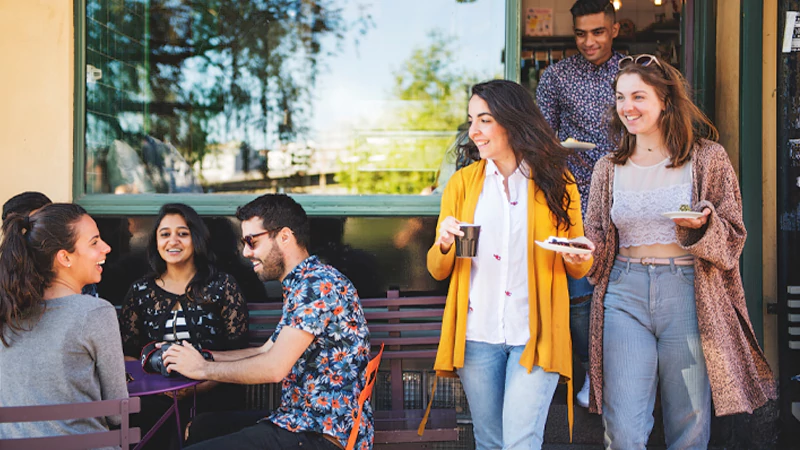
Fika in Sweden isn’t just about coffee or pastries. It’s about building relationships and feeling connected. When you sit down for fika, you join a tradition that strengthens bonds with colleagues, friends, and family. Swedish cafés become social centers, where you can unwind and share stories.
Let’s look at how fika brings people together:
- Fika fosters a sense of community and belonging, leading to stronger bonds with colleagues and loved ones.
- It emphasizes the social aspect as much as the refreshments themselves, providing a chance to slow down and build stronger relationships.
- Swedish fika is a deep-rooted part of Swedish culinary culture, contributing to national identity and social interaction.
- Incorporating fika into daily life helps individuals de-stress and connect with others, enhancing social ties.
You’ll notice that fika serves many purposes. It’s a reason to meet and socialize, making occasions feel special. Fika acts as an emotional language, letting you show care in a subtle way. In workplaces, fika encourages cooperation and problem-solving in a relaxed setting. At home, it gives you a chance to care for one another and enjoy a sense of belonging.
You might wonder why Swedes love fika so much. Here are some common reasons:
Reason for Fika | Description |
|---|---|
Socialization | Fika serves as a reason to meet and socialize, making occasions feel special. |
Emotional Connection | Fika acts as an emotional language, allowing Swedes to express care subtly. |
Workplace Culture | Fika fosters cooperation and problem-solving in a relaxed environment. |
Sense of Belonging | It provides a break and a chance to care for one another, contributing to wellbeing. |
When you visit Swedish cafés or join a fika break at work, you become part of a tradition that values connection and community. Fika in Sweden helps you slow down, share a laugh, and build memories over coffee and cinnamon buns. Whether you’re in a busy office or a quiet home, fika is always there to bring people together.
Swedish Coffee Culture

Coffee Habits
You might be surprised by how much coffee shapes daily life in Sweden. Swedish coffee culture stands out as one of the most vibrant in the world. You see it in the way people gather for fika, but also in the routines that fill every day. Most Swedes start their morning with a hot cup of coffee. In fact, about 80% of Swedes reach for coffee as soon as they wake up.
Here’s what a typical day looks like for coffee lovers in Sweden:
The average person drinks 3.2 cups of coffee each day.
Coffee moments happen throughout the day, not just during fika.
You find coffee at breakfast, after lunch, and even in the afternoon as a pick-me-up.
Swedish coffee culture isn’t just about quantity. It’s about quality and the experience. You notice that people care about the taste, the aroma, and the freshness of every cup. Many Swedes choose high-quality beans and pay attention to how their coffee is brewed. You see this passion in homes, offices, and coffee shops across the country.
Did you know? Swedes drink about 157 liters of coffee per person each year. That’s one of the highest rates in the world!
Freshness matters a lot in Swedish coffee culture. You want your coffee to taste as good as possible, whether you’re at home or grabbing a cup at your favorite café. That’s where packaging comes in. Modern coffee bags, like those from BN PACK, help keep coffee fresh and flavorful. These bags use high-barrier materials and smart features, so every cup tastes just right. You also see more people choosing coffee that’s ethically sourced and packaged in eco-friendly materials. This shift reflects Sweden’s commitment to sustainability and ethical business practices.
Popular Coffee Styles
When you join a fika, you’ll notice that coffee takes center stage. Swedish coffee culture celebrates both classic and modern styles. You might see a simple black brew, but you’ll also find lattes, cappuccinos, and even cold brews in trendy coffee shops.
Here are some popular ways Swedes enjoy their coffee:
Brewed Coffee (Bryggkaffe): The most common style, served black and strong.
Espresso Drinks: Lattes and cappuccinos are popular in urban cafés.
Coffee with Pastries: Fika isn’t complete without a cinnamon bun, slice of cake, or sandwich alongside your coffee.
Alternative Options: For those who don’t drink coffee, hot chocolate or tea is always available.
You’ll see that coffee is almost always paired with something to eat. This pairing makes the experience more social and enjoyable. Whether you’re at a cozy café or at home, you can expect a delicious treat with your cup.
Swedish coffee culture also values sustainability. You notice more people choosing organic and Fair Trade-certified coffee. Many look for packaging that supports these values. BN PACK coffee bags offer options made from recyclable and compostable materials, helping you make choices that are good for the planet. As you explore Swedish coffee culture, you’ll see that freshness, quality, and sustainability go hand in hand.
Coffee Habit | Description |
|---|---|
Morning Coffee | Most Swedes start their day with coffee. |
Multiple Cups Daily | 3.2 cups per person, spread throughout the day. |
Fika Tradition | Coffee paired with pastries or sandwiches. |
Focus on Freshness | High-quality beans and packaging matter. |
Sustainability | Ethical sourcing and eco-friendly packaging. |
Swedish coffee culture invites you to slow down, savor each sip, and connect with others. Whether you’re enjoying a quiet moment alone or sharing fika with friends, you become part of a tradition that values both taste and togetherness.
Sweden’s Coffee Tradition
History
You might find it surprising that coffee first arrived in Sweden in the late 1600s. At first, only the wealthy could enjoy it. Over time, coffee faced several bans, but each ban made people want it even more. By the 19th century, coffee became affordable for everyone, not just the upper class. This shift helped turn coffee into a true Swedish tradition.
Here are some key moments that shaped sweden’s coffee tradition:
In 1685, the first shipment of coffee landed in Gothenburg.
King Charles XII brought his love for coffee from the Ottoman Empire in the early 1700s.
Coffee bans happened five times between 1756 and 1823, but people kept drinking it in secret.
After 1823, restrictions ended, and coffee became a daily habit for Swedes.
By the late 1800s, Stockholm had hundreds of cafés, making coffee a part of everyday life.
The tradition of fika grew alongside these changes. Bakeries popped up everywhere, and people started pairing coffee with sweet treats. The famous cookbook ‘Sju Sorters Kakor’ published in 1945 made serving seven types of cake during fika a social norm. This book helped cement fika as a beloved Swedish tradition.
Evolution
You see how coffee in Sweden has changed over time. At first, people brewed simple filter coffee at home or in cafés. Now, you can find specialty coffee shops in every city. These shops focus on high-quality beans and unique brewing methods. Places like Tim Wendelboe and Coffee Collective have even put Sweden on the global coffee map.
Swedes now care more about where their coffee comes from and how it’s made. Many choose organic or fair-trade beans. You also notice a growing interest in sustainable practices. People want packaging that protects the planet as much as it protects the coffee.
Trend | Description |
|---|---|
Specialty Coffee | Swedes look for great taste, aroma, and origin. Specialty shops are popular. |
Sustainability | Many prefer organic, fair-trade, and eco-friendly packaging. |
Health and Wellness | Cold brew and lighter roasts are gaining fans. |
Fika isn’t just a break—it sparks ideas and brings people together. Even big companies like Spotify use fika to solve problems and boost creativity.
Sweden’s coffee tradition keeps evolving, but the heart of it stays the same: sharing good coffee and good company.
Fika and Modern Coffee Packaging
Role of Packaging
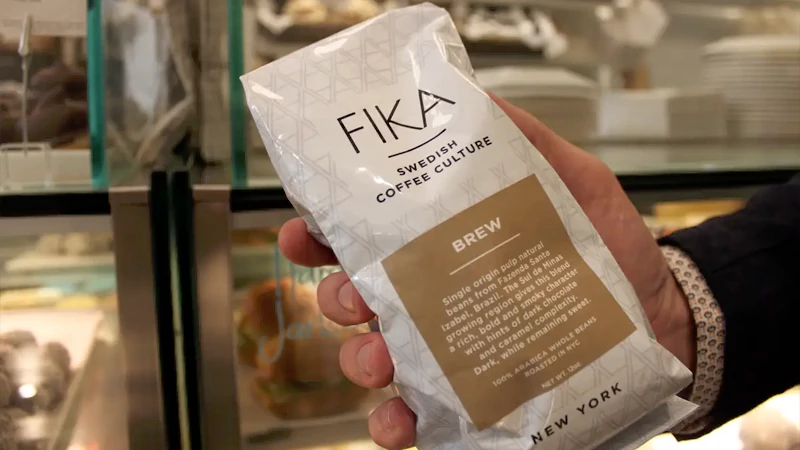
You might not think about packaging when you grab a bag of coffee, but it plays a huge part in your daily routine. In Sweden, packaging helps you enjoy every fika moment by keeping your coffee fresh and flavorful. BN PACK stands out with its innovative coffee bags. These bags use advanced barrier films, airtight seals, and resealable closures. You get to keep your coffee beans fresh for months, so every cup tastes just right.
Take a look at how BN PACK’s features make your life easier:
Feature | Benefit |
|---|---|
Plastic spout with screw cap | You pour with control, avoid spills, and never need scissors. |
Resealable closure | You keep coffee fresh without extra containers. |
Airtight seal | You lock out oxygen, so flavor and aroma stay strong for a long time. |
You also find resealable zippers and one-way degassing valves on many BN PACK coffee bags. These features help you brew at home with confidence. You don’t have to worry about losing freshness or transferring beans to another jar. Swedish coffee lovers value convenience and quality, and BN PACK delivers both.
Tip: If you want your coffee to taste as good as it smells, choose packaging with airtight seals and degassing valves.
Eco-Friendly Solutions
You care about the planet, and so do Swedish coffee drinkers. Eco-friendly packaging is now a top priority. BN PACK offers compostable coffee bags that meet strict standards for both industrial and home composting. You can enjoy your favorite brew and feel good about your choices.
Here’s what Swedish consumers look for in eco-friendly packaging:
Feature | Description |
|---|---|
Sustainability | Compostable bags support eco-friendly habits and reduce waste. |
Customization | Dual-Zip™ closures keep aroma locked in, so you get the best flavor. |
Functionality | Leak-proof spouts and barrier films protect your coffee and make pouring easy. |
Sweden’s coffee market has seen big changes. Companies like Amcor and Constantia Flexibles launched recyclable and biodegradable packaging. These innovations attract eco-conscious buyers and meet the growing demand for sustainable options. You see more brands using renewable resources and compostable cups, which helps reduce single-use plastic waste.
When you choose BN PACK coffee bags, you support sustainability and enjoy a better coffee experience. You get packaging that works for your lifestyle and values. Fika feels even more special when you know you’re making a positive impact.
Perspectives on Fika
Locals
You hear Swedes talk about fika as if it’s a part of their DNA. It’s not just a coffee break. You treat it as a ritual—a way to pause, connect, and recharge. Many locals say fika is essential for daily life. You use it to foster relationships and remind yourself to focus on well-being. In offices, fika is built into the schedule. You see companies encourage these breaks, which helps teams bond and discuss things outside of work. Employees feel more satisfied and efficient when they get time to relax together.
“Fika is a sacred moment. You step away from your desk, share a laugh, and return refreshed.”
Here’s what you notice about fika in Sweden:
You recharge and build relationships.
You prioritize human connection.
You enjoy a happier, more productive workplace.
Companies that support fika often see stronger teams. You get a chance to share opinions in a casual setting. This practice makes work feel less stressful and more enjoyable.
Coffee Professionals
Coffee professionals in Sweden see fika as a driving force behind the country’s coffee culture. You hear baristas and roasters talk about how Swedes value quality and freshness. They say packaging matters more than ever. You want coffee that stays fresh, tastes great, and supports your values. BN PACK coffee bags stand out because they offer airtight seals and eco-friendly materials. You notice that brands choose packaging that reflects their commitment to sustainability and quality.
What Coffee Experts Value | Why It Matters |
|---|---|
Freshness | You get better flavor and aroma. |
Sustainability | You support eco-friendly habits. |
Customization | You see packaging that matches your lifestyle. |
Coffee professionals believe that packaging is part of the experience. You enjoy coffee that tastes as good as it smells, and you feel good knowing the packaging supports the planet. Swedish coffee shops and brands use packaging to show they care about both quality and the environment. You see this shift everywhere, from local cafés to global brands.
The Future of Fika
Trends
You see fika changing with the times. People now work from home more often, so you create new ways to connect. Virtual fika lets you chat with friends or coworkers over video calls. You share a cup and a laugh, even if you sit miles apart. Many Swedes set up cozy corners in their homes for coffee breaks. You might light a candle, grab your favorite mug, and take a moment to relax. This home fika helps you unwind and stay connected, even during busy remote workdays.
Here are some ways fika adapts to modern life:
You join virtual fika sessions with friends or colleagues.
You design a special spot at home for your daily coffee break.
You use digital invites to schedule fika, making it easy to keep the tradition alive.
Swedish coffee culture keeps evolving. You see new products and ideas pop up, like lab-grown coffee and organic pastries. Brands focus on quality over quantity, so you enjoy “less but better” treats. Fika stays fresh and relevant, no matter how your lifestyle changes.
Sustainability
You care about the planet, and so do Swedish coffee companies. Many brands lead the way in ethical sourcing and eco-friendly practices. For example, Löfbergs buys large amounts of Organic and Fairtrade coffee and wins awards for sustainability. Companies now offer compostable cups and packaging, helping you make greener choices.
Initiative | Description |
|---|---|
Ethical Sourcing | Löfbergs is one of the largest buyers of Organic and Fairtrade coffee. |
Sustainability Awards | Löfbergs has earned several European awards for their green efforts. |
You notice a shift toward packaging that protects both your coffee and the environment. BN PACK supports this movement with eco-friendly coffee bags. These bags use recyclable and compostable materials, so you enjoy fresh coffee while reducing waste. You help shape the future of fika by choosing products that match your values. Swedish coffee culture blends tradition with innovation, making every fika moment meaningful and sustainable.
You see fika shaping Swedish coffee culture every day. People in Sweden still gather for coffee, whether at work or with friends. Many offices use fika breaks to boost alertness and engagement. Younger generations keep the tradition alive, even as habits shift with rising coffee prices. You might notice that saying no to coffee during fika feels impolite, showing how important this ritual remains. If you want to enjoy every cup and help the planet, try BN PACK’s eco-friendly coffee bags made from kraft paper or rice paper. You can make your fika moments fresh, meaningful, and sustainable.