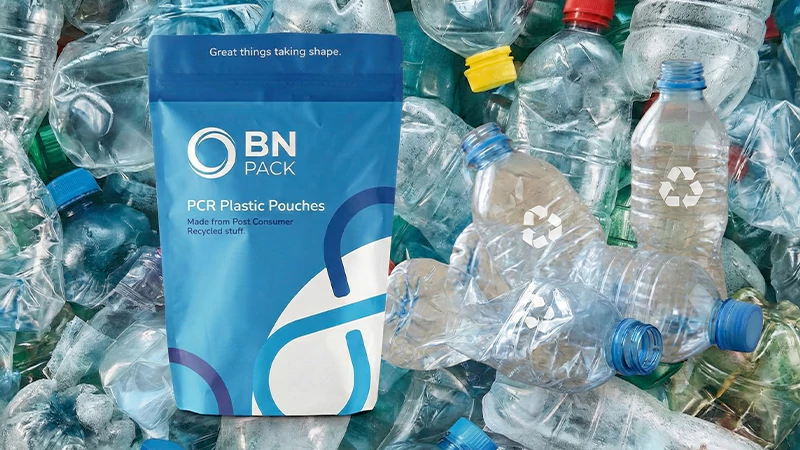
You might see pcr plastic in packaging at stores and wonder what it means. Pcr stands for post-consumer recycled content. This type of plastic comes from items that people have already used and recycled. When you choose packaging made with pcr, you help limit the use of new plastic. You also support recycling and lower the impact on the environment.
A recent study found that trays made from recycled content can cut carbon emissions by 57% compared to new plastic. Many brands now use pcr in packaging to meet rules and protect the planet.
What is PCR Plastic?
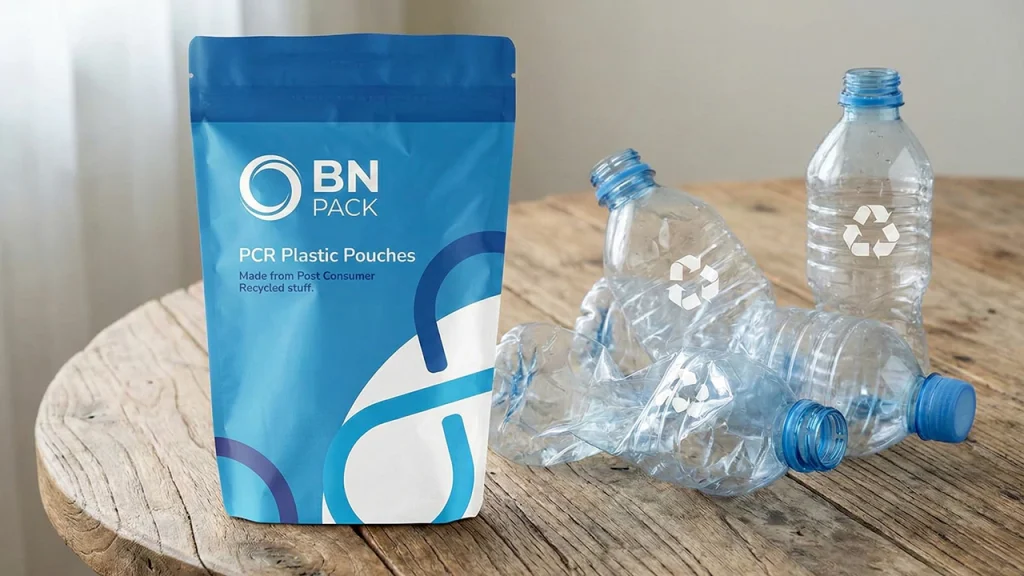
You can find pcr plastic packaging at stores and online. This packaging uses recycled content from things people already used. Big groups like ISO say post-consumer recycled material is plastic from products you or other users finished using. These items cannot do their first job anymore, so you recycle them. The recycled content gets cleaned and made into new packaging.
ISO says post-consumer or post-use material means:
- Material made by people who use products.
- Material that did its main job.
- Material that cannot be used again, even if returned.
When you recycle bottles, containers, and bags, you help keep the cycle going. Companies use this recycled content to make new pcr plastic packaging. This helps make packaging better for the planet and cuts down on waste.
PCR vs PIR
You might hear about pcr and pir when you look at packaging. These two recycled contents come from different places and have different uses.
Feature | PCR | PIR |
|---|---|---|
Source | Comes from things people throw away, like bottles | Comes from factory waste, like scraps and broken items |
Applications | Used in things people buy, like containers and clothes | Used in things that need strong plastic, like car parts and electronics |
PCR (Post-Consumer Recycled): Comes from things you and others throw away, like empty bottles.
PIR (Post-Industrial Recycled): Comes from leftover plastic in factories, like scraps or broken pieces.
You see pcr plastic packaging in things like food containers and shopping bags. PIR is used in products that need strong plastic, like cars or electronics. Both types help cut down on waste, but pcr is about recycling what you use at home or work.
Role in Flexible Packaging
Flexible packaging is everywhere, like snack bags and laundry pod pouches. PCR plastic helps make these products better for the environment. When companies use recycled content, they need less new plastic. You get packaging that works like regular packaging but is better for the planet.
PCR plastics can look different from new plastic. You might see changes in color, how clear it is, or how it feels. Some recycled films have small marks, but they still protect products well. For example, poly bags for clothes may look a little different, but they keep things safe and clean. Companies can shape pcr plastic packaging in many ways, so you still get nice and useful packaging.
When you pick products with pcr plastic, you help the planet. This choice helps brands reach their green goals and gives you more ways to shop responsibly.
Sourcing and Processing
Sources of PCR
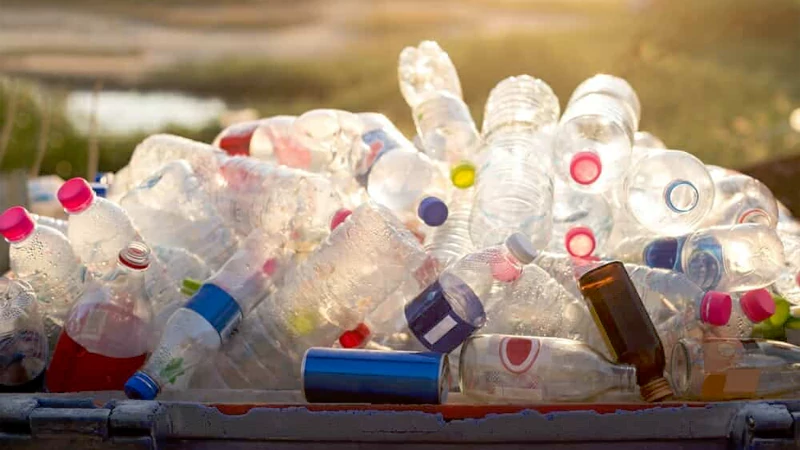
You might ask where pcr comes from before it is packaging. Most pcr starts as things you use every day, like bottles and bags. You recycle these items at home. They go to your local recycling center. These items become new packaging later. The table below shows the main types of pcr plastic used in flexible packaging:
Type of PCR Plastic | Description |
|---|---|
RPET (Recycled PET) | This is a clear, strong, and light plastic. It is used in food containers and bottles. You can recycle it at the curb. |
RLDPE (Recycled LDPE) | This is a useful polyethylene found in bottles and bags. It is called #4 in recycling. |
RHDPE (Recycled HDPE) | This is a light and tough polyethylene. It is used in many packages. It is called #2 in recycling. |
RPP (Recycled PP) | This is not recycled as much. It is used for caps and closures. It is called #5 in recycling. |
You see these recycled plastics in packaging every day. When you recycle, you help make new pcr products. But not much plastic waste gets collected, so there is only a little for new packaging.
How PCR is Recycled
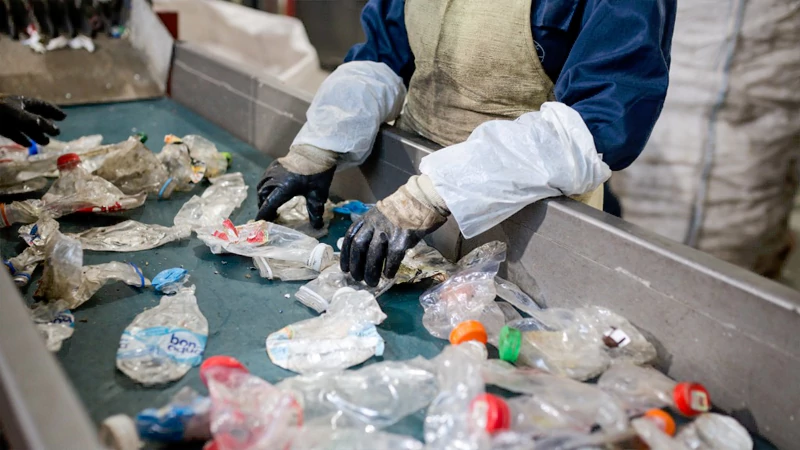
After you put your plastic in the recycling bin, it goes through many steps. Here is how it works:
Collect used plastic items
Sort by type and color
Clean the sorted plastics
Shred into small pieces
Melt into small pellets for making new products
Factories melt the plastic and shape it into new things. Each time plastic is recycled, it gets weaker. The chains inside the plastic get shorter. More people want pcr, so recycling systems need to get better.
Incorporating Post-Consumer Recycled Content
You find post-consumer recycled content in many flexible packages. To use pcr, companies need special recycling ways. Mono-material packaging uses one kind of plastic. It can be dropped off at stores. Advanced recycling breaks mixed plastics down very small. This makes high-quality recycled content. You get packaging that looks and feels new, but it uses recycled materials.
Tip: When you pick packaging with pcr, you help turn waste into useful things.
PCR Plastic Benefits
Environmental Impact
Choosing pcr plastic helps the planet in many ways. Less plastic goes to landfills when you use pcr. You also lower the carbon footprint of products. Making new plastic from oil uses lots of energy. Using recycled content saves energy and resources.
Using pcr can cut energy use by 79% or more.
Making pcr takes less energy because recycling is easier than making new plastic.
You help reduce pollution too. Less waste ends up in nature. More recycled content means less need for new plastic. This helps keep our world cleaner and supports the environment.
Tip: Picking packaging with pcr saves energy and cuts waste. Small choices can make big changes for the planet.
Sustainability Goals
Many brands want their packaging to be more sustainable. Companies promise to use more recycled content and less new plastic. These goals protect natural resources and show brands care about the earth.
Here is a table that shows how one big brand sets its packaging goals:
Brand | Sustainability Goal | Target Year | Percentage |
|---|---|---|---|
Target | Use less virgin plastic | 2025 | 20% |
Target | Add pcr to owned brand packaging | 2025 | 20% |
When you buy products with pcr, you help brands reach their goals. More companies use pcr to keep their promises. This makes packaging better for the planet and helps everyone work toward a greener future.
Regulatory Compliance
Some rules now say companies must use more recycled content. For example, the UK Plastic Packaging Tax asks brands to use at least 30% pcr. Only post-consumer recycled material counts for this rule. Pre-consumer or industrial recycled content does not count.
Here is a table to show what counts for the UK Plastic Packaging Tax:
Material | Counts |
|---|---|
Post-consumer recycled plastic (PCR) | Yes |
Pre-consumer plastic waste (scrap, offcuts) | No (from 2025) |
Chemically recycled plastic | Yes (if mass balance is used) |
Only pcr counts for the 30% rule.
Pre-consumer or industrial recycled content does not help brands meet this rule.
Picking packaging with pcr helps brands follow the rules and care for the planet. You also help push the industry to make better choices for the environment.
Challenges of PCR
Cost Factors
Packaging with pcr often costs more than new packaging. The price of pcr plastic is about 20–35% higher than new plastic. This makes it hard for companies to pick recycled content. It is even harder in places where price is very important. There are a few reasons for the higher cost:
Cost Factor | Description |
|---|---|
Supply Shortages | Not enough pcr plastics are available. |
Higher Costs Compared to New Plastics | pcr plastics usually cost more than new plastics. |
Quality Concerns | There are worries about the quality of recycled materials. |
Strict Regulations | Companies must follow tough environmental rules. |
Negative Consumer Perceptions | Some people do not trust pcr plastics. |
Note: High prices and strict rules make it hard for brands to use more recycled content in packaging.
Availability
It is hard to get enough good pcr for packaging. Recyclers do not have enough good Polyethylene film waste. Mixed materials and printing can make recycled content lower quality. Technical problems, like mixing with other resins or using thin films, also make it hard to get the right material.
Limitation Type | Description |
|---|---|
Insufficient supply | Recyclers do not have enough good Polyethylene (PE) film waste. |
Contamination issues | Mixed materials and printing can lower the quality of recycled resins. |
Technical challenges | Problems include mixing with other resins, quality issues, and trouble with thin films. |
Economic barriers | New resin is cheaper than recycled resin, so it is hard for recycled options to compete. |
Market hesitation | Brands are careful about using more recycled content, especially for food packaging. |
Tip: More people want recycled content in packaging, but there is not enough good supply yet.
Performance Issues
Packaging with pcr can work differently than new packaging. pcr polymers can be weaker or not block air as well as new resins. This can change how strong or flexible the packaging feels. There is less high-quality pcr, like polypropylene and food-grade PET, than new materials. Recycled content can also have leftover chemicals, which can be a safety worry.
Performance trade-offs: pcr might not be as strong or flexible as new resins.
Material scarcity: It is hard to find enough good pcr for packaging.
Contaminant risks: Recycled content can have leftover chemicals.
More companies want to use recycled content. But technical and supply problems make it slow. Without better recycling and more supply, it will be hard to reach packaging goals.
Safety and Regulations
Food Contact Safety
You may wonder if pcr is safe for food packaging. Safety is very important when packaging touches food. In the US, the FDA NOL Program checks and approves ways to use pcr in food packaging. You can see approvals for HDPE, LDPE, PP, and PET. The program will review LDPE faster in 2025 and 2026. In Europe, EFSA Regulation (EU) 2022/1616 has strict rules for cleaning recycled content. These rules help keep food safe and stop harmful chemicals. You should pick packaging that follows these standards to stay safe.
Standards and Certifications
Certifications help you know packaging with recycled content is safe. The Food Safety System Certification is a global rule. It checks if companies make packaging safe for food. You can find this certification on many packages. It means the packaging follows tough safety rules.
Certification Name | Description |
|---|---|
Food Safety System Certification | A global rule that makes sure food packaging is safe and reliable. |
You also see rules from ISO 22000 and BRCGS. These rules help companies keep food safe. When you see these certifications, you know the packaging uses good pcr.
Legal Considerations
You must follow laws when using pcr in packaging. In the US, the REDUCE Act adds taxes to new plastic. This helps people use more recycled content. In the EU, the PPWR sets rules for recycled content in packaging. By 2030, all packaging must be easy to recycle. If packaging cannot be recycled well, it will be banned. Article 7 of PPWR says PET packaging for food needs at least 30% recycled content. Other sensitive plastics need 10%. Article 5 bans PFAS in food packaging starting August 2026. You should check local rules because fees and rules can change in each country. These laws help companies use more recycled content and keep people safe.
Tip: Always look for certifications and local laws before picking packaging with pcr. This helps you keep customers safe and follow the rules.
Regulation | Region | Key Points |
|---|---|---|
FDA NOL Program | US | Approves ways to use PCR plastics like HDPE, LDPE, PP, and PET; faster reviews for LDPE in 2024-2025 |
REDUCE Act | US | Adds taxes to new plastics to help people use PCR |
PPWR | EU | Needs 30-35% recycled content by 2030, goes up to 50-65% by 2040; bans PFAS in food packaging by 2026 |
EFSA Regulation (EU) 2022/1616 | EU | Has strict cleaning rules for food packaging |
ISO 22000 and BRCGS | Global | Give safety rules; new EPR laws in places like California need 15% PCR |
Industry Applications
Flexible Packaging Uses
Flexible packaging is used for many things, like snack bags and food pouches. Companies use pcr to make these packages stronger and safer. In food and drinks, flexible packaging often uses LLDPE. LLDPE is strong and does not tear easily. You can find pcr in food bags, wraps, and containers. These packages help keep food fresh and safe. They also follow FDA rules.
Application Type | Material Used | Key Features |
|---|---|---|
Food Packaging Bags | LLDPE | Strong, does not tear, follows FDA rules |
Custom Food Packaging | LLDPE | Pure, works well, always the same |
General Food and Beverage Packaging | LLDPE | Safe and keeps its shape |
Pharmaceutical companies use pcr for vitamins, supplements, and medicine packaging. This keeps products safe and helps people stay healthy.
Pharmaceutical & Nutraceutical Packaging: You see pcr in packages for medicine and health products.
Case Examples
Some brands use pcr in their packaging. These brands show how recycled content works. Here are some examples:
Brand | Product/Initiative | Link |
|---|---|---|
Amcor | AmPrima™ PE Plus | |
The Coca-Cola Company | DASANI 100% rPET | |
Kraft Heinz | Recycled Flexible Packaging Roof Board | |
General Mills | Annie’s 35% Postconsumer Recycled Content Food Contact Cereal Liner | |
Hi-Cone | 50% PCR Ring Carriers |
Brands say they save money and use less material with pcr. They also lower CO2 emissions and use less oil and water.
Outcome Type | Measurable Result |
|---|---|
Cost Savings | Up to 18% savings at most locations |
Material Reduction | 56,000 pounds less used each year |
CO2 Emissions | 20% fewer emissions |
Oil Savings | About 1,400 barrels saved each year |
Environmental Impact | Less fossil fuel and water used |
Performance | PCR film works as well or better than new |
Choosing PCR Solutions
You need to think about a few things when picking pcr. The packaging must fit your product and keep it safe. It should protect during shipping and keep things fresh.
Important things to check are melt index, density, how easy it is to use, film strength, and if it is clean. You should look at the resin grade, check certificates, and test for color and smell. These steps help you pick the best recycled content.
Manufacturers choose the right recycled content for each use. You get better results when you pick the right pcr for your packaging.
When you pick pcr plastic for packaging, you help the planet. This choice means less trash goes to landfills. It saves resources and cuts down on pollution. You help keep nature safe and support recycling. Brands use green packaging to follow rules and earn trust. If you want the best packaging, talk to experts and set clear goals. Learn how pcr plastic might look or work differently.
Set your goals for using pcr plastic.
Get ready for changes in how it looks and works.
Give time for testing and making it better.