Low-density polyethylene (LDPE) stands out as a leading material for packaging due to its unique structure and versatile performance. The table below highlights the essential properties that make LDPE ideal for packaging today:
Property | Packaging Benefit |
|---|---|
Flexibility | Easy film formation and container molding |
Moisture Resistance | Protects goods, extends shelf life |
Chemical Resistance | Durable in various environments |
Thermal Stability | Safe for food, microwave applications |
Impact Strength | Protects contents during handling |
BN PACK leverages these advantages to create reliable, high-quality flexible packaging solutions for global brands.
What is LDPE?
Definition
LDPE, or low-density polyethylene, is a type of plastic widely used in packaging. Scientists classify it as a branched form of polyethylene. Manufacturers produce LDPE by using high-pressure free radical chain polymerization of ethylene monomers. This process creates a material with a density between 0.905 and 0.935 kg/m³. The unique polymerization method and chemical structure give LDPE its distinct properties. The basic building block for LDPE is ethylene, which links together to form long chains. These chains have many side branches, setting LDPE apart from other types of polyethylene like HDPE and LLDPE.
LDPE is a branched form of polyethylene.
Density typically ranges from 0.905 to 0.935 kg/m³.
Produced by high-pressure free radical chain polymerization of ethylene.
Contains more side chains than HDPE, reducing crystallinity and increasing permeability.
Molecular weight is generally less than 50,000 g/mol.
Structure
LDPE has a highly branched and random molecular structure. The branches prevent the polymer chains from packing closely together. This structure results in lower density and crystallinity compared to other polyethylene types. The high level of branching makes LDPE more flexible and less rigid. In contrast, HDPE has a linear structure with minimal branching, making it denser and stronger. The amorphous nature of LDPE gives it a lower melting point and greater transparency. These structural features explain why LDPE is ideal for making flexible films and packaging materials. The random arrangement of chains also contributes to its toughness and ability to withstand impact.
Properties
LDPE’s properties make it a top choice for packaging applications. Its thermoplastic nature means it softens when heated and hardens when cooled, allowing for easy molding and sealing. The material offers excellent flexibility, which helps it conform to various shapes and sizes. LDPE also provides strong resistance to chemicals and moisture, protecting packaged goods from contamination and spoilage. The following table highlights how these properties benefit packaging performance:
Property | Contribution to Packaging Performance |
|---|---|
Flexibility | Allows LDPE to adapt to different shapes and sizes, improving durability. |
Durability | Withstands handling and transportation stresses, keeping products safe. |
Heat Sealability | Enables strong, reliable seals that protect contents and extend shelf life. |
Chemical Resistance | Shields products from aggressive substances, expanding packaging uses. |
Moisture Barrier | Blocks moisture and contaminants, preserving product quality and freshness. |
LDPE also maintains good thermal stability, making it suitable for food and microwave applications. Its mechanical robustness and printability further enhance its value in packaging. These combined features explain why LDPE remains a preferred material for flexible packaging solutions.
LDPE in Packaging
Advantages
LDPE has become a top choice for packaging because of its unique combination of properties. Packaging films represent the largest application for this material, accounting for about 50% of total LDPE consumption worldwide. This includes flexible food packaging, shrink films, and coatings for beverage cartons. Each year, manufacturers use over 12.5 million metric tons of LDPE for packaging films, showing its importance in the industry.
Many companies prefer LDPE for packaging because it offers several key advantages:
High flexibility and toughness allow it to bend, twist, and stretch without breaking. This makes it ideal for products like plastic bags and food wraps.
Excellent moisture and water resistance protect goods from damage and help extend shelf life.
Strong chemical resistance means LDPE can safely hold products exposed to acids, bases, and alcohols.
Cost-effective production and easy molding make it attractive for high-volume packaging needs.
Recyclability supports sustainability goals, and recycling programs for LDPE continue to expand.
Good insulating properties help protect products from temperature changes.
Transparency and printability allow for clear product visibility and effective branding.
Compared to other plastics, LDPE is more flexible and impact-resistant than HDPE, and softer and easier to process than LLDPE.
LDPE film is durable and tear-resistant, ensuring packaging stays intact during storage and transport.
Tip: LDPE’s flexibility and moisture resistance make it especially valuable for food, sanitation, and medical packaging, where hygiene and product quality matter most.
Limitations
While LDPE offers many benefits, it also has some limitations in packaging applications. These do not affect every use case, but they are important to consider when selecting materials for specific needs.
Limitation | Explanation | Example | Suggested Solution |
|---|---|---|---|
Lower Heat Resistance | LDPE has a lower melting point than some plastics, making it unsuitable for high-temperature uses. | LDPE containers may deform or melt in dishwashers. | Use HDPE or add heat-resistant additives for heat applications. |
Limited Rigidity | LDPE is very flexible, which can be a disadvantage when stiffness is needed. | Not suitable for structural piping requiring stiffness. | Use HDPE or reinforce LDPE with fillers to improve stiffness. |
Environmental concerns also play a role in the discussion about LDPE packaging:
LDPE can persist in the environment for hundreds of years because it is not biodegradable.
Recycling can be challenging due to contamination and economic factors.
Production relies on non-renewable fossil fuels.
Regulations encourage companies to reduce plastic waste and improve recycling rates.
To address these concerns, the industry is developing better recycling technologies, using thinner films, and exploring bio-based alternatives. Companies also work to meet strict regulations and design more sustainable packaging.
BN PACK’s LDPE Solutions
Custom Packaging
BN PACK stands out for its ability to create custom packaging that meets the needs of many industries. The company offers a wide range of packaging products, including coffee pouches, liquid spout pouches, tea pouches, powder and spice pouches, food packaging pouches, pet food pouches, weed packaging pouches, stock packaging pouches, vacuum pouches, retort pouches, personal care packaging pouches, bag-in-box solutions, and eco-friendly bags. Each product type can be tailored to fit specific requirements.
BN PACK uses gravure printing technology, which allows up to 11 colors for vibrant branding and graphic customization. Companies can choose custom logos, unique shapes, and sizes to match their brand identity. Packaging can include features such as tear notches, resealable zippers, and spout pouch designs for added convenience. The company also offers a choice of materials, including LDPE combined with laminated paper or PET, to enhance durability and barrier properties. Thickness can be adjusted between 60 and 200 microns, balancing flexibility and sturdiness.
Industry Applications
BN PACK’s LDPE packaging solutions serve a wide variety of industries. The stationery industry often uses polyethylene mailers for shipping pens, notebooks, and documents. These mailers are lightweight, cost-effective, and protect items during transit. The pharmaceutical sector relies on LDPE mailers for secure, tamper-evident packaging that meets strict regulations. E-commerce companies use these mailers to ship clothing, accessories, small electronics, and cosmetics. Subscription services and small batch shipments also benefit from the versatility and reliability of LDPE packaging.
BN PACK’s packaging helps brands improve their product range and attract eco-conscious customers. The company’s solutions support freshness preservation, recyclability, and design flexibility, making them ideal for businesses that want to stand out in the market.
Quality Standards
BN PACK maintains high standards for quality and safety. The company holds certifications such as SGS, TUV, FSC, FDA, and ISO, which ensure that materials meet export requirements and international regulations. These certifications support the quality and compliance of their packaging production.
Rigorous quality control checks take place during manufacturing. Inspectors check seal strength, airtightness, fitment placement, print quality, and overall appearance.
The innermost layers use food-grade polyethylene films for chemical inertness and excellent heat-sealing properties.
Barrier layers like aluminum foil or metallized PET protect contents from oxygen, moisture, and light.
Outer layers provide structural strength and printability.
Fitments use durable plastics and are attached securely for leak-proof performance.
BN PACK’s commitment to reliability, innovation, and sustainability ensures that every packaging solution meets the highest standards.
Why Roasters Choose LDPE
Freshness
Coffee and specialty food roasters need packaging that keeps products fresh from the moment they are packed until they reach the customer. Packaging must protect against moisture, oxygen, and other environmental factors that can degrade quality. Polyethylene packaging provides a reliable barrier for short-term storage, helping to preserve the aroma and flavor of coffee beans. Many roasters use zip bags and sealed bags made from this material to maintain quality during shipping and storage. The flexibility and sealing ability of these bags help lock in freshness, while their chemical resistance protects contents from contamination. Polyethylene packaging also withstands freezer temperatures, making it suitable for frozen foods and extending shelf life for a variety of specialty products.
Note: Recyclable mono-material packaging solutions not only help maintain product quality but also support sustainability goals for modern roasters.
Customization
Roasters value packaging that can be tailored to their unique needs and brand identity. Customization options allow businesses to choose the right bag size, style, and features for their products. Popular choices include stand-up pouches, gusseted bags, flat pouches, and flat bottom bags. Many roasters select packaging with one-way valves to preserve freshness by allowing gases to escape without letting air in. Resealable options, such as ziplock zippers or tin ties, add convenience for customers who want to keep their coffee fresh after opening.
Custom packaging also supports clear brand messaging. Roasters can print their logo, website, and sustainability commitments directly on the bag. Essential coffee information—such as name, origin, tasting notes, roast level, and roast date—can be included to inform and engage customers. Advanced digital printing technology ensures vibrant designs that reflect the brand’s personality. Some roasters add storytelling elements, like details about the farmer or processing method, to create a stronger connection with their audience.
Customizable bag sizes (250g, 500g, 1kg)
Options for valves and resealable zippers
Variety of bag styles for different needs
High-quality printing for branding and information
Mono-material construction for recyclability
BN PACK for Roasters
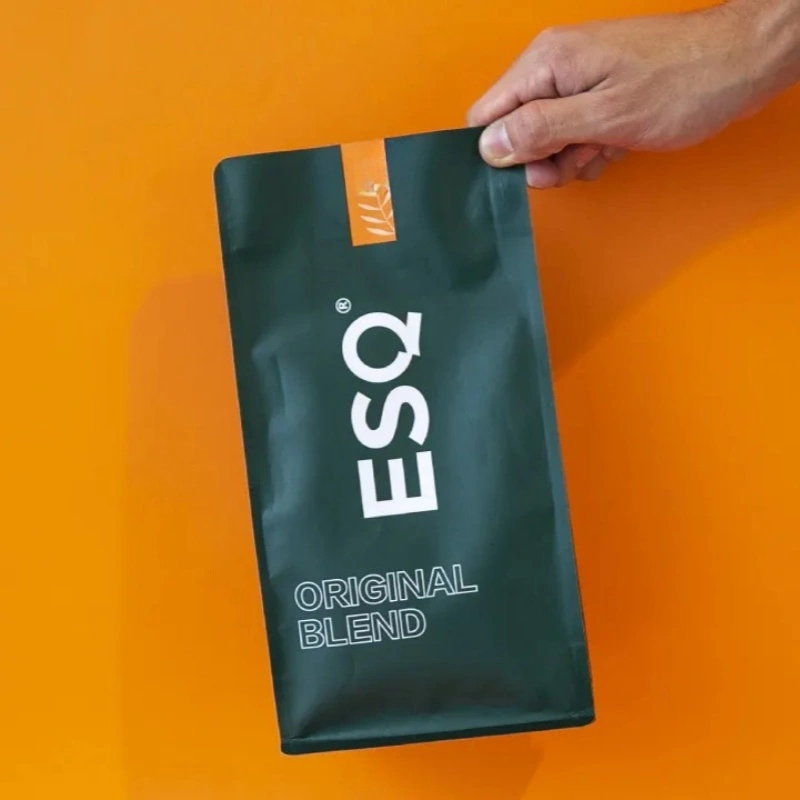
BN PACK has extensive experience serving coffee and specialty food roasters with flexible packaging solutions. The company offers a wide range of products, including flat bottom pouches, coffee bean bags with one-way valves, and zipper bags designed to maintain freshness and provide a premium appearance. BN PACK uses advanced materials, such as polyethylene, to create packaging that meets the specific needs of roasters. Their solutions include recyclable mono-material packaging, supporting both product quality and environmental responsibility.
Roasters can work with BN PACK to customize packaging in terms of size, branding, and artwork. The company’s expertise ensures that each package not only protects the product but also enhances shelf appeal and communicates the brand’s story. With a commitment to quality and innovation, BN PACK helps roasters deliver fresh, flavorful products to their customers around the world.
LDPE vs. Other Plastics
LDPE vs. HDPE
Manufacturers often choose between LDPE and HDPE for packaging. Each material has distinct characteristics that suit different applications. LDPE stands out for its flexibility and ability to form thin, stretchable films. This makes it ideal for products like plastic bags, wraps, and squeeze bottles. HDPE, on the other hand, offers a semi-rigid structure and higher tensile strength. It works well for rigid containers, detergent bottles, and products that need extra durability.
Property | LDPE | HDPE |
|---|---|---|
Flexibility | Highly flexible; adapts to shapes | Less flexible; semi-rigid |
Strength | Good impact resistance; lower tensile strength | Higher tensile strength; more durable |
Cost | Moderate; flexible packaging may cost more | Generally low and cost-effective |
Typical Uses | Films, bags, squeeze bottles | Bottles, rigid containers |
Recycling | Recyclable; less widely recycled | More widely recycled |
HDPE’s toughness and chemical resistance make it suitable for packaging that must withstand rough handling or exposure to harsh substances. LDPE’s softness and clarity support applications where product visibility and pliability matter most. Both materials are FDA-approved for food contact, ensuring safety in food packaging.
Note: HDPE recycling is more established, while LDPE recycling faces challenges with contamination and material purity.
LDPE vs. PP
Polypropylene (PP) and LDPE both serve the packaging industry, but they excel in different areas. PP provides excellent vapor barrier properties and resists heat well. It is often used for snack food wrappers, pharmaceutical packaging, and containers that require sterilization. LDPE, however, offers a very good moisture barrier, making it a top choice for packaging that needs to keep out water and humidity.
Material | Moisture Barrier Rating |
|---|---|
LDPE | Very Good |
PP | Excellent |
Polyethylene films, including LDPE, block moisture and vapor, protecting food and agricultural products.
PP’s vapor barrier performance is higher, which helps preserve freshness in snacks and pharmaceuticals.
LDPE remains flexible at low temperatures, making it suitable for frozen foods and products that need to stay pliable.
PP’s rigidity and heat resistance allow it to maintain shape under stress, while LDPE’s ductility and softness make it ideal for films and liners. Both materials resist acids and oils, supporting safe food packaging.
LDPE vs. PET
Polyethylene terephthalate (PET) is another common packaging plastic. PET is best known for its use in beverage bottles and food jars. It offers high clarity, strength, and excellent gas barrier properties. PET packaging is lightweight and shatter-resistant, making it popular for drinks and ready-to-eat foods.
Plastic Type | Recycling Rate (2018) | Notes |
|---|---|---|
PET | 29.1% | Widely recycled; closed-loop systems |
LDPE | N/A | No explicit recycling rate documented |
PET’s recycling rate is well-documented and higher than that of LDPE films. PET also tends to have lower levels of toxic contaminants after recycling, which reduces environmental and health risks. LDPE post-consumer recycled resin, however, can provide significant greenhouse gas emission reductions, supporting sustainability goals. The main challenge for LDPE recycling lies in contamination, which can affect material quality.
Tip: PET excels in applications needing strength and clarity, while LDPE is preferred for flexibility, moisture protection, and cost-effective packaging.
LDPE stands out in packaging because it is flexible, lightweight, and keeps products fresh. Industry experts value its water resistance, strength, and ability to seal tightly. BN PACK leads the market with custom LDPE packaging that protects food, medical supplies, and retail goods. Their solutions help brands reduce damage and improve product quality. Choosing the right packaging partner like BN PACK supports both quality and sustainability goals.
FAQ
What does LDPE stand for?
LDPE stands for Low-Density Polyethylene. It is a type of plastic known for its flexibility, moisture resistance, and use in packaging.
Is LDPE safe for food packaging?
Yes. LDPE meets FDA standards for food contact. Manufacturers use it to package snacks, bread, frozen foods, and more.
Can LDPE packaging be recycled?
Most LDPE packaging can be recycled. Many recycling centers accept LDPE bags and films. Always check local recycling guidelines.
How does LDPE protect products?
LDPE forms a strong barrier against moisture and contaminants. It keeps products fresh and safe during storage and transport.
What industries use LDPE packaging?
Many industries use LDPE, including food, electronics, pharmaceuticals, and retail. Its versatility supports a wide range of products.
What makes LDPE different from other plastics?
LDPE is softer and more flexible than many plastics. It stretches without breaking and seals easily, making it ideal for flexible packaging.
Does LDPE packaging support branding?
Yes. LDPE packaging allows for high-quality printing. Brands can add logos, product details, and colorful designs to attract customers.
Why do companies choose BN PACK for LDPE packaging?
BN PACK offers custom solutions, strict quality control, and global service. Their expertise helps brands get reliable, attractive, and sustainable packaging.