
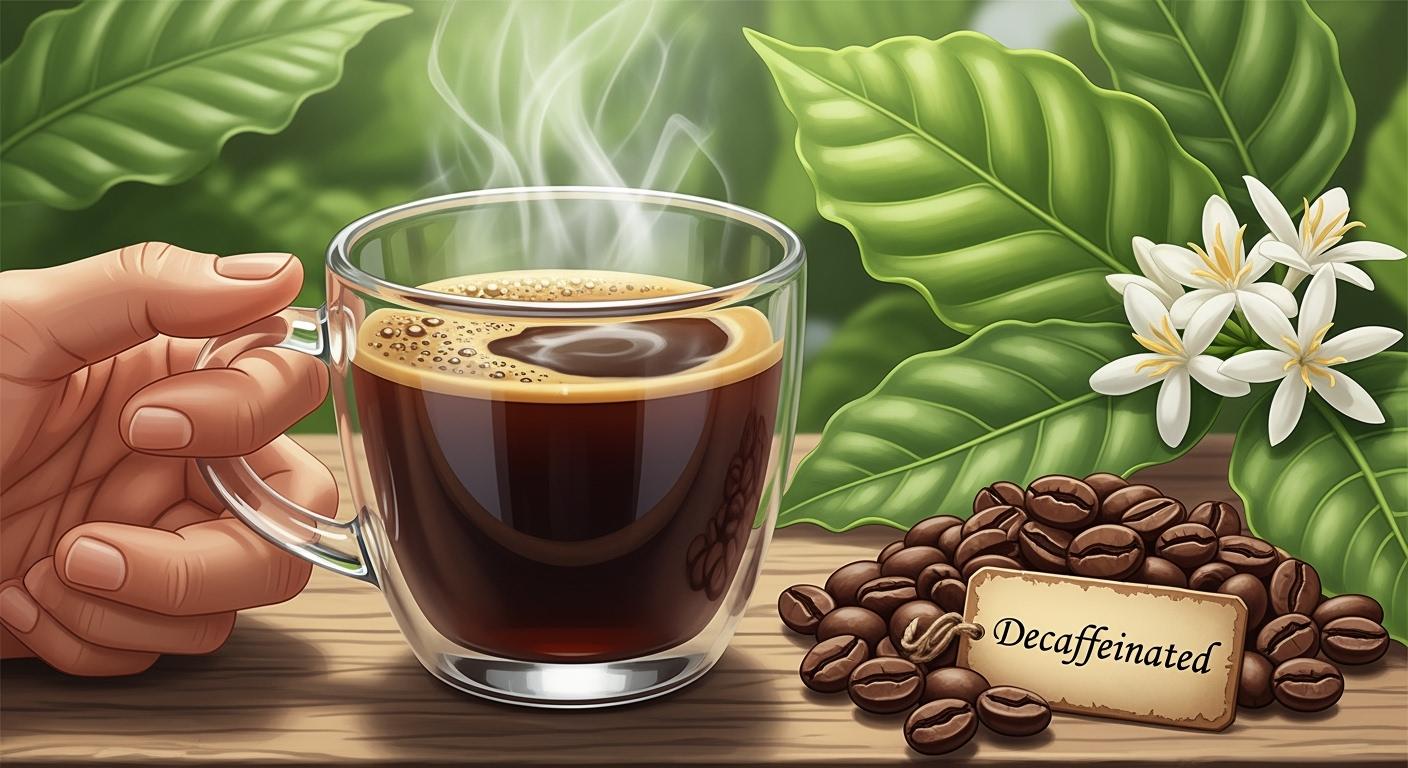
You want a cup of coffee that tastes good and keeps you safe. Chemical free decaf coffee gives you that option. This type of decaf coffee uses methods like the Swiss Water Process and avoids chemical solvents. Chemical solvents can cause serious health concerns, including liver damage, dizziness, and risks for pregnant women. When you choose decaf made without chemicals, you protect your health. Freshness matters, too. BN PACK coffee bags help keep your decaf coffee fresh and full of flavor.
Chemical Free Decaf Coffee Meaning
What Makes Decaf Coffee Chemical-Free
You might ask what makes chemical free decaf coffee different. The answer is in how it is made. Chemical free decaf coffee does not use harmful solvents. It uses natural ways to remove caffeine. These ways keep your coffee safe and tasty.
The two main ways to make chemical free decaf coffee are:
Swiss Water Process: This way uses only water, heat, and time. Green coffee beans soak in hot water. The water pulls out the caffeine but keeps the flavor. The water goes through a charcoal filter. The filter catches the caffeine but lets the flavor stay. The beans soak again in this tasty water. This helps them keep their flavor.
Carbon Dioxide Method: This way uses supercritical carbon dioxide. The CO2 acts like a sponge and pulls out the caffeine. No harmful chemicals are used. The coffee keeps its special flavors.
These ways do not use chemical solvents. Here are some chemicals you will not find in chemical free decaf coffee:
Chemical | Description |
|---|---|
Methylene Chloride | A common solvent in decaf, linked to health risks. |
Ethyl Acetate | Another solvent sometimes used, also tied to health concerns. |
Benzene | A dangerous chemical, known to cause serious health problems, including cancer. |
You can feel good knowing your decaf coffee does not have these chemicals.
Why Choose Chemical-Free Decaf
There are many reasons to pick chemical-free decaf for your drink. First, it helps keep you healthy. Chemical free decaf coffee does not use solvents that leave bad stuff behind. Studies show chemical-free decaf, like from the Swiss Water Process, keeps more of the coffee’s good parts. You get more antioxidants and healthy things in your cup.
You also get better taste. The Swiss Water and CO2 ways keep the real flavors of the beans. You do not have to worry about a weird or chemical taste. Many people say chemical free decaf tastes just like regular coffee.
You help the planet, too. The Swiss Water Process uses only water and charcoal filters. The CO2 way reuses the gas, so it is better for the earth. You support green choices when you pick these ways.
Tip: If you want a safe, tasty, and earth-friendly cup, chemical free decaf coffee is a smart pick.
How Decaf Coffee Is Made
Solvent-Based vs. Chemical-Free Decaf
You may wonder how coffee loses its caffeine. The answer lies in the decaffeination process. Around the world, people use two main methods: solvent-based and chemical-free.
Solvent-based methods use chemicals to remove caffeine from coffee beans. The most common solvents are methylene chloride and ethyl acetate. These methods include the direct and indirect-solvent processes. In the direct method, you steam the beans and rinse them with a solvent. In the indirect method, you soak the beans in water, then treat the water with a solvent to pull out the caffeine. These methods work well, but they can leave traces of chemicals in your cup.
Methylene chloride is a potential carcinogen. The FDA allows up to 10 parts per million in decaf coffee, but some health groups want a full ban. You may want to avoid these risks by choosing a safer option.
Chemical-free decaf coffee uses natural ways to remove caffeine. The Swiss Water and Carbon Dioxide methods are the most popular. These methods do not use harmful chemicals. They keep more of the coffee’s flavor and aroma.
Here is a quick comparison:
Method | Description |
|---|---|
Solvent Method | Uses methylene chloride to extract caffeine, may strip flavor and aroma. |
Carbon Dioxide Process | Uses CO2 to attract caffeine molecules, more natural but less eco-friendly than Swiss Water. |
Swiss Water Process | Soaks beans in hot water, filters caffeine, keeps flavor, and is eco-friendly. |
Swiss Water Process Overview
You may see the term swiss water decaf on many coffee bags. This method is the gold standard for chemical free decaf coffee. It uses only water, heat, and time to remove caffeine. No chemicals touch your beans.
Here is how the Swiss Water Process works:
Soak green coffee beans in hot water. This step pulls out caffeine and flavor compounds.
Discard the beans. Run the water through a charcoal filter to trap caffeine.
Add new beans to the filtered water. The water now holds the flavor but no caffeine.
Repeat the soaking. The new beans lose caffeine but keep their flavor.
Dry the beans. This step locks in taste and aroma.
Swiss water decaf removes 99.9% of caffeine. You get a cup that is safe, tasty, and full of natural coffee notes. Many people choose swiss water decaf because it keeps the real taste of coffee without the risks of chemicals. If you want a pure cup, this method is your best choice.
Benefits of Chemical-Free Decaf
Health and Safety
You want to stay healthy. Picking chemical free decaf coffee helps you skip bad chemicals. This kind of decaf coffee is good for your body in many ways:
It helps your liver by making enzymes better and lowering swelling.
It is easy on your stomach and helps you digest food because it is not very acidic.
It can help your heart by lowering blood pressure and helping blood flow.
You might sleep better and feel calmer since drinks without caffeine do not make you shaky.
It can lower your chance of getting type 2 diabetes by helping control sugar in your blood.
Tip: If you want a safe drink, chemical-free decaf is a smart pick for every day.
Taste and Quality
You want your coffee to taste good. Chemical-free decaf keeps the real taste of the beans. Experts say decaf made with the Swiss Water Process or natural carbon dioxide keeps its true flavor. Decaf made with solvents can taste dull or have a weird aftertaste. You do not need to worry about that with chemical-free ways.
How you make decaf changes the taste. Here are some reasons chemical-free decaf tastes better:
The Swiss Water Process uses only water and a special filter to keep taste and smell.
The natural carbon dioxide way takes out caffeine but keeps the taste parts.
Using good beans and whole bean decaf helps keep the coffee’s special smell and taste.
You get a cup that is rich, smooth, and full of real coffee flavor.
Environmental Impact
You help the earth when you pick chemical-free decaf coffee. The Swiss Water Process does not use bad chemicals. This means less pollution and no chemical trash. Solvent ways can hurt nature by putting chemicals in the air and water.
Many chemical-free decaf coffees also have labels like Organic or Fair Trade. These show that farmers use earth-friendly ways and get fair pay. You help healthy farms and strong towns when you choose this coffee.
Note: Choosing chemical-free decaf coffee is good for you and the planet.
Packaging for Decaffeinated Coffee
Preserving Freshness with BN PACK Coffee Bags
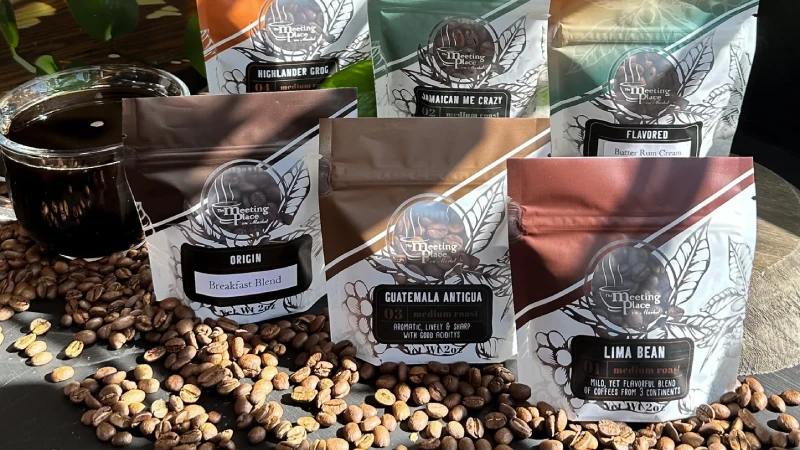
You want your coffee to taste good and stay fresh. Good packaging keeps out air, water, and light. This helps your decaf coffee keep its flavor and smell for a long time. Airtight seals stop oxygen from getting inside. Special layers block water and sunlight, so your coffee stays safe.
BN PACK coffee bags have many features to keep coffee fresh. You can see these features in the table below:
Feature | Description |
|---|---|
High Barrier Properties | Stops oxygen, moisture, and light from ruining taste and smell. |
Lets carbon dioxide out but keeps oxygen away, so coffee stays fresh. | |
Resealable Closures | Lets you close the bag tightly after each use, keeping the coffee in the best condition. |
You can pick bags with one-way valves. These valves let gas out but do not let air in. This helps your coffee stay fresh for more than six months. The table below shows how different bags change shelf life:
Packaging Type | Shelf Life Without Valve | Shelf Life With Valve |
|---|---|---|
Sealed Bags | 1–3 weeks | 6+ months |
One-Way Valve Bags | N/A | 6+ months |
BN PACK coffee bags use strong materials like aluminum foil and metallized films. These materials protect your coffee better than normal bags. Your coffee lasts longer and tastes better.
Tip: Keep your coffee in a cool, dry place. Use bags that are airtight and block light for the best results.
Eco-Friendly Packaging Options
You want to help the earth. Eco-friendly packaging lets you make good choices for nature. BN PACK has bags made from recyclable, biodegradable, and compostable materials. These bags make less trash and help recycling. You support brands that use less energy and make less pollution.
Many companies now use bags that break down or can be recycled. This helps lower pollution and keeps the planet clean. You can buy decaf coffee in bags made from earth-friendly materials. Picking these bags means you help nature and support green ideas.
Note: Eco-friendly packaging keeps your coffee fresh and helps the earth. Look for bags that can be recycled or composted.
You do not have to worry when you pick chemical-free decaf coffee. This kind of coffee tastes rich and has fewer chemicals. It can help your liver and make you feel less anxious. Specialty roasters use the Swiss Water Process to keep your coffee safe and tasty. Always check for clear labels and earth-friendly packaging. BN PACK coffee bags keep your decaf fresh and help the planet.
It is safer for people who are sensitive, like pregnant women.
It is easier on your stomach and lowers caffeine side effects.
BN PACK Feature | Benefit |
|---|---|
Dual-Zip™ closure system | Locks in smell and keeps coffee fresh |
Recyclable materials | Helps keep the environment clean |