When you wonder which roast of coffee has more caffeine, the answer might surprise you. Light roast coffee actually retains slightly more caffeine than dark roast, despite the common belief that darker beans pack a stronger punch. Your choice matters because caffeine content influences how energized you feel and shapes what coffee brands offer.
Packaging, like BN PACK coffee bags, protects both light and dark roasts from oxygen and moisture, helping preserve fresh flavor and aroma until you brew your perfect cup.
Which Roast of Coffee Has More Caffeine?
Caffeine Comparison
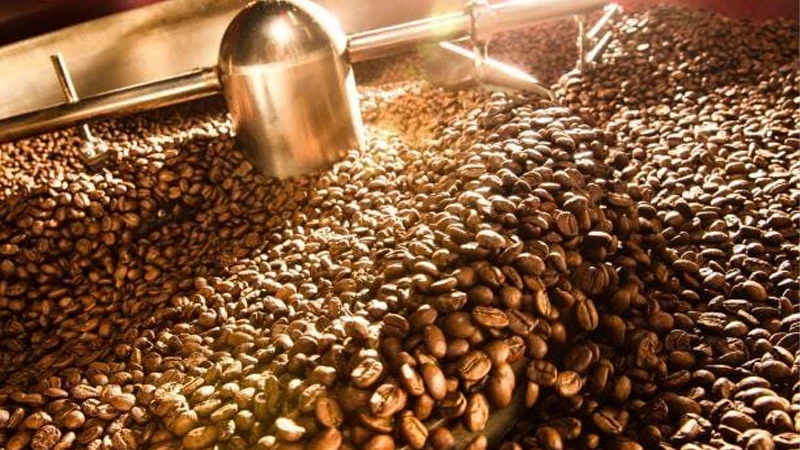
You might wonder which roast of coffee has more caffeine when you stand in front of the coffee aisle. Many people believe that dark roast coffee packs more caffeine because of its bold flavor and strong aroma. This idea is actually a myth. Caffeine remains stable during the roasting process. Roasting does not burn off caffeine because the temperatures used are not high enough to break it down. The real difference comes from changes in the beans’ density and size.
Let’s break down what scientific studies reveal:
When you measure coffee by weight, the caffeine content in light and dark roasts is almost the same. Sometimes, dark roast can have a tiny bit more caffeine per gram because the beans lose water and become lighter during roasting.
If you measure by volume, such as using a scoop, light roast coffee usually has more caffeine. Light roast beans are denser, so you get more actual coffee in each scoop.
The difference in caffeine between roasts is small. Most people will not notice a big change in their daily cup.
A common misconception is that the stronger taste of dark roast means more caffeine. In reality, the flavor comes from the roasting process, not the caffeine level. The main factors that affect how much caffeine you get are how you measure your coffee and how you brew it.
Tip: No matter which roast you prefer, storing your beans in high-quality packaging like BN PACK coffee bags helps keep both light and dark roasts fresh. This means you get the best flavor and aroma every time you brew.
Measuring Methods
You may ask, “How do experts figure out which roast of coffee has more caffeine?” Scientists use advanced tools like High-Performance Liquid Chromatography (HPLC) to measure caffeine levels in coffee beans. This method gives precise results for both light and dark roasts.
For everyday coffee drinkers, the way you measure your coffee at home makes a big difference:
Measuring by weight (using a scale) gives you nearly the same caffeine content for both light and dark roasts.
Measuring by volume (using a scoop or tablespoon) usually means you get more caffeine from light roast, since those beans are denser and pack more into each scoop.
Brewing method and extraction also play a role. Some methods pull more caffeine from the grounds than others.
Here’s a quick table to help you see the difference:
Measurement Method | Light Roast | Dark Roast |
|---|---|---|
By Weight (grams) | Similar caffeine | Similar caffeine (sometimes slightly more) |
By Volume (scoop) | More caffeine | Less caffeine (beans are larger, less dense) |
When you want to know which roast of coffee has more caffeine, remember that the answer depends on how you measure and brew your coffee. The difference is usually small, so you can choose your favorite roast based on taste. Using BN PACK coffee bags ensures your beans stay fresh, so you always get the best cup possible.
Roast Level and Caffeine
Roasting Process
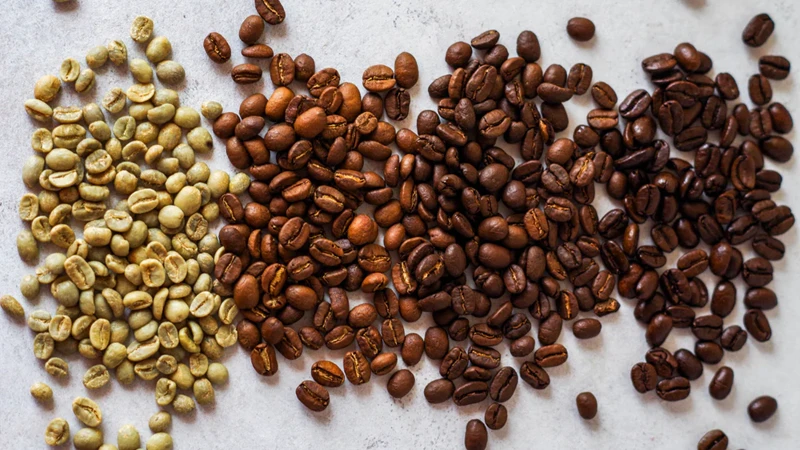
When you roast coffee beans, you change their color, flavor, and aroma. Many people think roasting burns off caffeine, but this is not true. Caffeine is a stable compound. It does not break down easily during roasting. Here is what happens to caffeine as beans roast:
Caffeine is a natural part of coffee beans.
It stays chemically unchanged during roasting.
Caffeine is responsible for some of the bitter taste in your cup.
Unlike other compounds, caffeine does not evaporate or break down at roasting temperatures.
Roasting does affect other parts of the bean. For example, chlorogenic acids decrease as roasting gets darker, which changes the flavor. However, caffeine remains steady. Medium roasts may keep a little more caffeine than dark roasts, but the difference is very small. You will not notice a big change in your daily coffee.
Density and Mass Loss
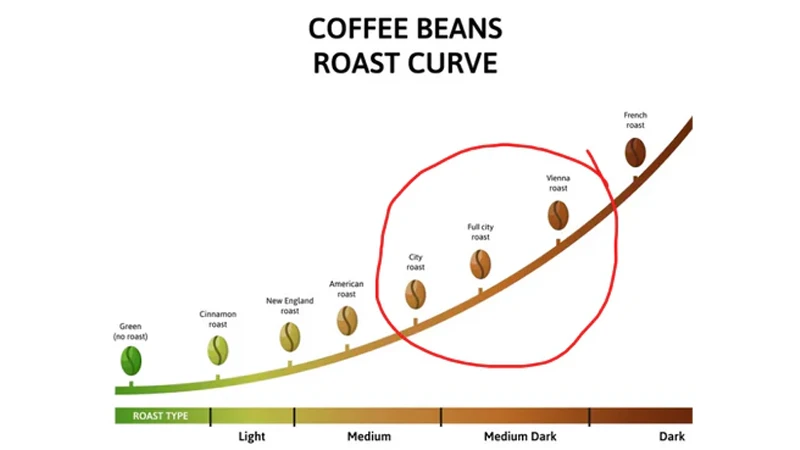
Roasting does more than change color. It also changes the size and weight of the beans. As beans roast, they lose water and expand. This makes dark roast beans larger and less dense than light roast beans.
Light roast beans are smaller and denser.
Dark roast beans are bigger and lighter because they lose more water.
If you measure coffee by scoop, light roast gives you more caffeine because you pack more dense beans into the scoop.
If you measure by weight, the caffeine difference is almost zero.
Mass loss during roasting also affects how much caffeine you can extract. Light to medium roasts, which lose about 14–16% of their mass, often allow for better caffeine extraction because the beans become more porous. When roasting goes beyond this point, some caffeine can escape as vapor, but this loss is minor.
To keep your beans fresh and protect their structure, you can use BN PACK coffee bags. These bags block oxygen, moisture, and light, so your coffee stays flavorful and the beans stay intact from the roaster to your cup.
Brewing and Caffeine Content
Brewing Methods
You have many ways to brew coffee, and each method can change how much caffeine ends up in your cup. The main factor is the amount of coffee grounds you use, but the brewing process also matters. Espresso packs the most caffeine per ounce because it uses finely ground beans and high pressure. Cold brew takes much longer, sometimes up to a day, but it often uses more coffee grounds, which increases caffeine content. Drip coffee and French press methods fall in the middle, with similar caffeine levels per ounce.
Brewing Method | Approximate Caffeine per Ounce (mg) | Why It Matters |
|---|---|---|
Espresso | 60-65 | Fine grind, high pressure, concentrated shot |
Cold Brew | 15-20 | Long brew time, high coffee-to-water ratio |
Drip Coffee | 12-16 | Standard method, moderate extraction |
French Press | 12-16 | Immersion method, depends on coffee amount |
Hotter water extracts more caffeine. The best temperature for brewing is between 195°F and 205°F. If you use water below 150°F, you will get less caffeine. Cold brew makes up for the lower temperature by brewing for a much longer time. Grind size, brew time, and the type of coffee bean also play a role in how much caffeine you get.
Tip: Fresh beans give you better flavor and more consistent extraction. Storing your coffee in BN PACK coffee bags keeps it fresh, so you get the most out of every brew.
Volume vs Weight
How you measure your coffee can change the caffeine in your cup. If you use a scoop (measuring by volume), you might get more caffeine from dark roast beans because they are larger and less dense. If you weigh your coffee, light roast beans usually give you more caffeine because they are denser and heavier.
Measuring by weight gives you a more accurate and consistent caffeine amount.
Measuring by volume can lead to differences, especially between light and dark roasts.
Roasting changes the size and density of beans, but caffeine stays stable. Using a scale helps you control your caffeine intake, no matter which roast you choose. When you keep your beans fresh in BN PACK coffee bags, you help preserve their quality, which can improve both flavor and caffeine extraction in every cup.
Is the Difference Significant?
Practical Impact
You might wonder if the caffeine difference between light and dark roast coffee really matters. The truth is, for most people, the difference is very small. When you look at the numbers, the average 8-ounce cup of light roast has about 91 mg of caffeine, while dark roast has about 88 mg. That is only a 3 mg difference per cup.
Roast Level | Caffeine Content (mg per 8-ounce cup) |
|---|---|
Light Roast | 91 |
Medium Roast | 90 |
Dark Roast | 88 |
This small gap will not affect your daily caffeine intake much. Most people can safely consume up to 400 mg of caffeine a day. The difference between roasts is less than 1% of that limit. Other factors, like the type of coffee bean, brewing method, and serving size, have a bigger impact on how much caffeine you get.
Your own body also plays a role. Some people feel jittery after one cup, while others need several cups to feel awake. Genetics, age, and even your daily habits change how you react to caffeine. If you drink coffee often, your body builds tolerance, so you may not notice small changes in caffeine levels.
Note: The way you measure your coffee—by weight or by scoop—can change the caffeine amount more than the roast level itself.
Choosing Your Coffee
When you pick between light and dark roast, focus on what you enjoy most. Taste, aroma, and mouthfeel matter more than caffeine content for most coffee lovers. Light roast gives you bright, fruity flavors. Dark roast offers bold, smoky notes. Both can deliver a satisfying caffeine boost.
You should also think about the type of bean and how you brew your coffee. Robusta beans have more caffeine than Arabica. Espresso and cold brew methods extract caffeine differently. Serving size changes your total intake, too.
If you run a coffee business or care about freshness at home, packaging makes a big difference. BN PACK coffee bags help keep both light and dark roasts fresh by blocking air, moisture, and light. These bags use plant-based, biodegradable materials, which support sustainability and reduce plastic waste. Features like one-way degassing valves and resealable closures lock in aroma and flavor. Custom designs let you show off your brand and values.
Tip: Choose the roast and packaging that fit your taste and lifestyle. With BN PACK coffee bags, you get quality, freshness, and a greener choice for every cup.
You now know which roast of coffee has more caffeine—light roast edges out dark roast by a small margin, mainly due to mass and moisture loss during roasting. Scientific studies confirm that caffeine remains stable, so the difference is minimal in daily life. Choose your favorite roast for taste, not caffeine. For the freshest cup and standout branding, store your beans in BN PACK coffee bags.
Want to learn more about coffee or explore innovative packaging? Discover a world of solutions designed for coffee lovers and brands.
FAQ
What is the main difference between light and dark roast coffee?
Light roast coffee keeps more of the bean’s original flavor. Dark roast coffee tastes bolder and richer. You get a slightly higher caffeine content in light roast, but the difference is small.
Does coffee packaging really affect freshness?
Yes, packaging matters a lot. High-quality coffee bags, like those from BN PACK, block air, moisture, and light. You keep your beans fresher for longer. Fresh beans give you better flavor and aroma.
How long can I store coffee beans in a sealed bag?
You can store whole coffee beans in a sealed, high-barrier bag for 6 to 9 months. Ground coffee stays fresh for 2 to 4 weeks after opening. Always reseal your bag tightly.
Should I measure coffee by weight or by scoop?
Measuring by weight gives you more accurate results. You get a consistent amount of caffeine and flavor every time. Scoops can vary because bean size and density change with roast level.
Are BN PACK coffee bags eco-friendly?
Yes, BN PACK offers coffee bags made from recyclable and compostable materials. You help the environment when you choose these options. Eco-friendly packaging supports your sustainability goals and appeals to conscious consumers.