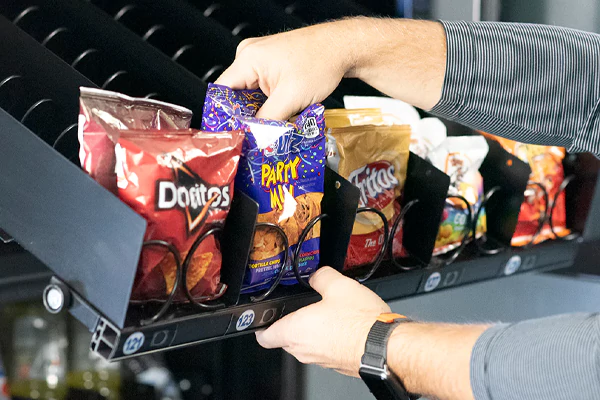
It’s a familiar scenario: the quick choice from a vending machine, the perfect crunchy addition to a lunch box, or the impulse buy grabbed from a hook in the checkout aisle. The small bag of chips is a ubiquitous and enduring feature of our modern snacking landscape. It’s compact, convenient, and always seems to be just the right amount to satisfy a sudden craving.
But have you ever paused to wonder why we so often reach for this single-serving option, especially when larger, family-sized bags offer a much better value on a per-ounce basis? The decision is more complex than it appears. The immense popularity of the small bag is not just a matter of convenience; it’s a fascinating intersection of consumer psychology, deliberate market strategies, and the evolving priorities of our modern lifestyles.
We will explore the psychology of “guilt-free” snacking, investigate the controversial business practice of “shrinkflation,” and break down the real nutritional advantages of built-in portion control. This is the story of the big business behind the small bag.
The Psychology of the Single Serving: Portion Control and Guilt-Free Snacking
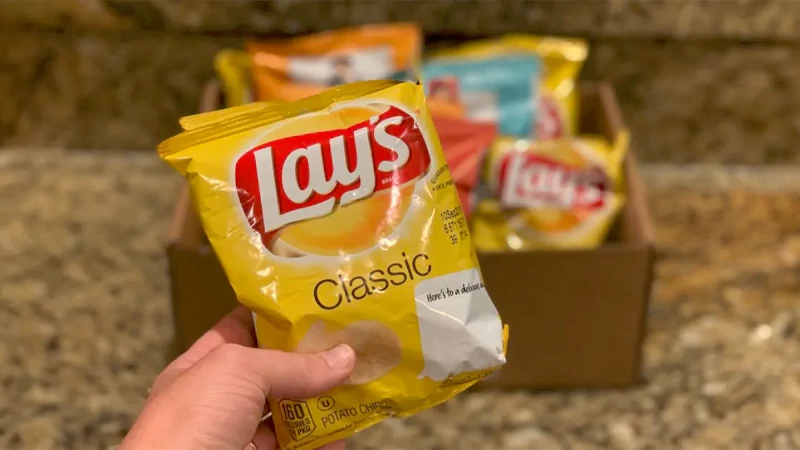
One of the most powerful reasons for the enduring popularity of the small bag of chips has little to do with price or convenience, and everything to do with human psychology. For many consumers, the single-serving bag provides a crucial mental framework that makes the act of snacking feel more controlled and less guilt-inducing.
The most important psychological function of a small bag is that it provides a built-in “stopping cue.” When you open a large, family-sized bag, there is no defined endpoint. This can easily lead to mindless eating, where you continue to reach into the bag long after your initial craving has been satisfied. The small bag, however, has a clear and finite conclusion: when the bag is empty, the snack is over. This physical barrier prevents unintentional overconsumption and provides a sense of accomplishment and control.
This ties directly into the concept of a “guilt-free” indulgence. Most people recognize that potato chips are not a health food. Consuming them from a large bag can be associated with a feeling of guilt or a lack of discipline. A small bag transforms this experience. It allows the consumer to enjoy a treat they love in what feels like a responsible, pre-portioned amount. It reframes the snack from an uncontrolled binge into a manageable and justifiable pleasure, thereby reducing the psychological burden associated with eating “junk food.”
Finally, the small bag helps to reduce decision fatigue. It offers a simple, immediate solution to a craving. There is no need to worry about portioning out a serving, finding a clip to reseal a large bag, or worrying about the rest of the chips going stale. It is a self-contained, single-use experience, perfectly tailored to an individual’s immediate desire.
Are Chip Bags Getting Smaller?
If you’ve ever picked up a familiar bag of your favorite chips and had the feeling that it seemed a little lighter or emptier than you remembered, you are not imagining things. The answer to the question, “Are chip bags getting smaller?” is often a resounding yes. This practice has a name: “shrinkflation.” It’s the strategy of reducing the size or quantity of a product while keeping its retail price the same, effectively disguising a price increase.
This isn’t a secret conspiracy; it’s a well-documented business strategy used by major brands in response to economic pressures.
Real-World Brand Examples
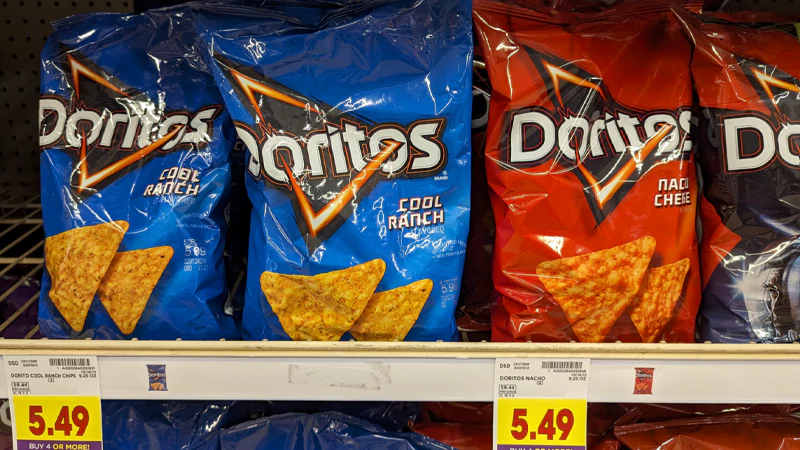
Doritos: A prominent example of shrinkflation occurred when Frito-Lay, the parent company, publicly confirmed that due to rising ingredient and shipping costs, they were reducing the weight of their Doritos bags. The classic “party size” bag was reduced from 9.75 ounces to 9.25 ounces, meaning customers received about five fewer chips per bag for the exact same price. The bag itself looked virtually identical, making the change difficult to spot without closely examining the net weight printed on the front.
Pringles: For years, consumers have noted subtle changes in the iconic Pringles can. Reports have surfaced about both the diameter of the can shrinking and the height of the chip stack inside becoming shorter over time. While the can may still look full upon opening, the total weight of the product has been quietly reduced, meaning fewer chips for the same price.
Why Do Companies Do This?
The reason for shrinkflation is simple economics. When companies face increased costs for raw materials (like potatoes, cooking oil, and seasoning), packaging, and transportation, they have two primary options to protect their profit margins: they can raise the price of the product, or they can give you less of it.
Psychologically, raising the price is a much more jarring and noticeable event for a consumer. “Sticker shock” can cause customers to switch brands or simply buy less. Shrinking the product, however, is a far more subtle change that many shoppers will not immediately notice. It’s a less confrontational way for a company to pass on its increased costs to the consumer. This trend reinforces the appeal of a standard, single-serving small bag of chips, which often maintains a more consistent size and weight, serving as a reliable benchmark for consumers.
Small Bag of Chips Weight: A Definitive Guide
The term “small bag of chips” is not a single, standardized size but rather a category that encompasses a range of single-serving portions. Understanding these different weights is key to understanding how brands target different use cases, from a small snack in a child’s lunchbox to a more substantial “grab & go” option at a convenience store.
Generally, the weight for a small bag falls between 0.5 ounces (approximately 14 grams) on the very low end, and 1.5 ounces (approximately 42 grams) on the higher end. The most common single-serving size, the one you’d typically find in a vending machine or alongside a deli sandwich, is a classic 1.0 ounce (28 grams). This 1.0-ounce serving has become an industry benchmark for a standard portion.
To help visualize what these weights actually mean in terms of the food you get, here is a simple breakdown of the common sizes:
| Size Category | Typical Small Bag of Chips Weight | Approx. Number of Chips* | Common Use Case |
| Mini / Multipack | 0.5 oz (14g) | 5 – 7 | Packed in larger variety bags for parties or kids’ lunches. |
| Single-Serve | 1.0 oz (28g) | 13 – 15 | Vending machines, deli combos, standard lunch portion. |
| Grab & Go | 1.5 oz (42g) | 20 – 22 | Convenience stores, gas stations, for a larger single snack. |
*Approximate number of chips is based on a standard, classic-style potato chip and can vary significantly based on chip thickness, size, and seasoning.
As the table shows, even within the “small” category, there is a significant difference in content. This variety allows consumers to make a precise choice based on their level of hunger and intended use, reinforcing the convenience and control that makes these small packages so appealing.
Small Bag of Chips Carbs: The Nutritional Advantage
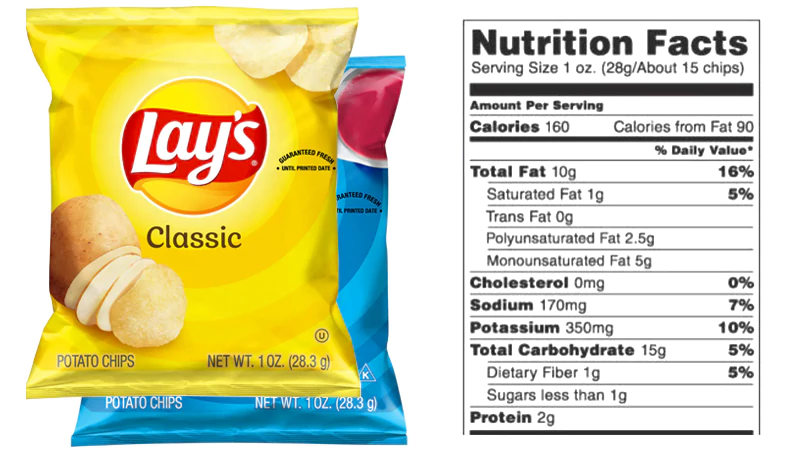
Beyond the psychological benefits of portion control, the small bag of chips offers a tangible, practical advantage for anyone consciously managing their nutritional intake. In an age of calorie tracking and carbohydrate counting, the single-serving bag provides a level of clarity and control that is simply impossible to achieve with a large, family-sized bag.
Let’s look at the numbers for a standard 1.0-ounce (28-gram) small bag of chips. This typical single serving generally contains between 150 to 160 calories and about 15 to 20 grams of carbohydrates. These are clear, finite numbers that are easy to track and incorporate into a daily dietary plan. There is no guesswork involved; the nutritional cost of the indulgence is printed right on the package and represents the entire contents.
This stands in stark contrast to the nutritional ambiguity of a large, family-sized bag. The “serving size” listed on the back—often a laughably small and unrealistic number like “about 12 chips”—is a suggestion that very few people actually follow. It’s easy to fall victim to “calorie creep,” where you consume two or three servings without even realizing it, turning a small snack into a significant caloric event. The small bag solves this problem with a physical limit. It removes the need for guesswork, counting, or willpower, ensuring that a 150-calorie snack remains a 150-calorie snack.
This level of control is particularly valuable for individuals on specific dietary plans. For a person managing diabetes who needs to strictly monitor their small bag of chips carbs, or even for someone on a low-carb diet looking for a small, calculated indulgence, the single-serving bag provides a predictable and safe way to enjoy a treat without derailing their health goals.
Packaging for Portion Control: A Manufacturer’s Perspective
The powerful consumer demand for portion control, convenience, and guilt-free snacking has created a massive and highly profitable market for the small bag of chips. For snack food brands, this is a huge opportunity, but it also presents a specific set of manufacturing and packaging challenges. Producing these smaller bags efficiently requires high-speed machinery and, most importantly, a packaging solution that can guarantee freshness and durability on a smaller scale.
The package must be robust enough to protect the fragile chips inside from breaking during shipping and handling, and its barrier properties must be excellent to prevent the product from going stale, as freshness is paramount for a premium single-serving experience.
Meeting the consumer’s demand for portion control and convenience is key to success in the modern snack market. At BN PACK, we specialize in providing high-performance flexible packaging solutions, perfectly suited for creating eye-catching small bags of chips. Our high-barrier films are engineered to lock in the crispness and flavor of the chips, protecting them from moisture and oxidation. Whether you need mini-bags for a multipack or single-serving pouches for retail, we provide packaging that is protective, functional, and offers a vibrant canvas for your brand, helping you stand out in the highly competitive snack aisle.
Conclusion: The Small Package with a Big Impact
The decision to buy a small bag of chips is far from an irrational one. As we’ve seen, it is a complex choice driven by a powerful combination of psychological comfort, practical health management, on-the-go convenience, and subtle market forces. It provides a guilt-free indulgence through a built-in “stopping cue,” offers clear nutritional data for those tracking their intake, and fits perfectly into the fast-paced rhythm of modern life.
The small bag of chips is more than just a product format; it is a perfect reflection of the modern consumer’s desire to find a sustainable balance between enjoyment, health, and convenience. This seemingly simple, small package has had an enormous impact on our snacking habits and, in turn, on the entire food industry, proving that sometimes, the most successful products are the ones that offer less, but in a much smarter way.