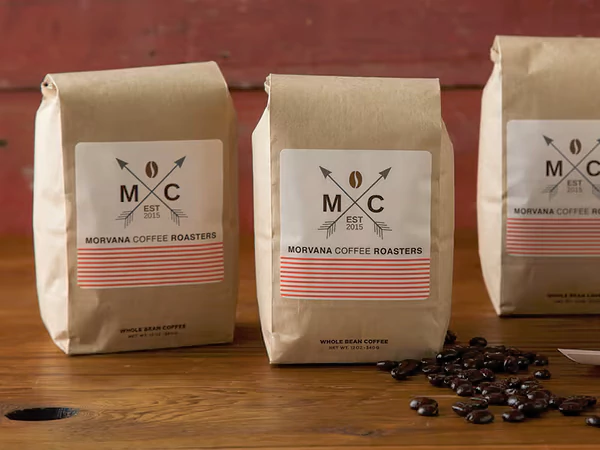
When you choose labels for coffee bags, you shape how customers see your brand. A well-designed label does more than show details—it creates a sense of trust and premium value.
Custom labels use color and material to reflect your brand personality and attract attention.
Eco-friendly options, like compostable or recyclable labels, appeal to customers who care about the environment.
Consistent, clear labels help you meet industry standards and make your coffee bags stand out on the shelf.
Label Essentials
Coffee Bags: Key Information
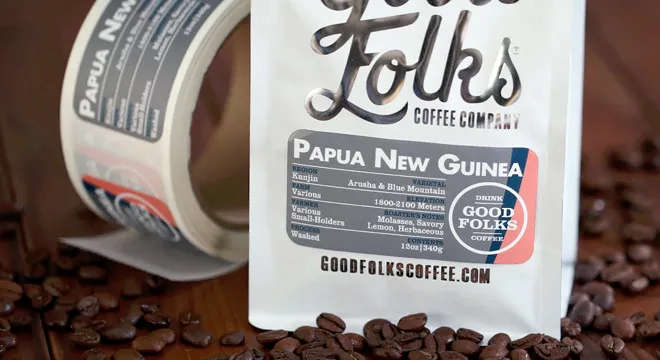
When you design labels for coffee bags, you must include certain details to meet industry standards and build trust with your customers. These elements help shoppers understand what they are buying and ensure your product stands out on the shelf.
Here are the key pieces of information you should display:
Product Name: Clearly state if the product is whole bean, ground coffee, or another type.
Net Weight: Show the exact amount of coffee in metric units (grams or kilograms) and imperial units (ounces or pounds).
Manufacturer or Distributor Information: List your company’s name and address so customers know who made or packed the coffee.
Origin: Indicate where the coffee comes from, such as the country, region, or even the specific farm. This adds value and helps with traceability.
Ingredient List: If your coffee contains flavors or additives, list all ingredients in order of weight.
Allergen Declaration: If your product contains allergens, state them clearly (for example, “Contains: Milk”).
Barcodes and Batch Codes: Add barcodes, batch numbers, and expiration dates to help with inventory and recall management.
Certifications: Display any certifications like USDA Organic or Fair Trade, but only if you have verified approval.
Tip: Including QR codes on your packaging lets customers scan and learn more about the coffee’s journey, from farm to cup. This boosts transparency and builds trust.
You can see the main requirements in the table below:
Mandatory Element | Description |
|---|---|
Product Name | Clearly state the type of coffee (e.g., “Ground Coffee,” “Whole Bean Coffee”). |
Net Weight | Accurately display the quantity of coffee in the package. |
Manufacturer/Distributor | Include the name and address of the company responsible for the product. |
Ingredient List | List all ingredients in descending order of predominance, if additives are used. |
Allergen Declaration | Clearly state any allergens present (e.g., “Contains: [Allergen]”). |
Nutrient Content Claims | Claims like “low caffeine” or “decaffeinated” must comply with FDA standards and be accurate. |
Flavor Labeling | Natural and artificial flavors must be listed if used. |
Adding origin and batch codes helps you trace each bag back to its source. This is important if you ever need to recall a batch or answer customer questions about quality. QR codes can also give customers instant access to information about ethical sourcing and sustainability, which many coffee lovers value.
Legal Details
You must follow strict legal rules when labeling coffee bags, especially if your product contains flavors or additives. The Food and Drug Administration (FDA) and international standards require you to list all ingredients in order of weight. If your coffee has flavors or additives, you must include a full Nutrition Facts Panel. Pure coffee beans do not need this panel, but you still need to show the product identity, net weight, and company information.
Here are some important legal requirements:
State the product identity, such as “Whole Bean Coffee” or “Ground Coffee.”
Show the net quantity in both ounces and grams.
List all ingredients and allergens if your coffee contains flavors or additives.
Include a Nutrition Facts Panel for flavored or additive-containing coffee.
Add the manufacturer or distributor’s name and address.
Label the country of origin for imported coffee.
Only use certifications like USDA Organic or Fair Trade if you have official approval.
Follow rules for font size and label placement.
For different packaging types, include details like roast level, grind type, serving size, and caffeine content.
Legal Pitfall Category | Description |
|---|---|
FDA Labeling Requirements | Missing product identity, net quantity, ingredient declaration, allergen disclosure, or company info. |
Nutrition Facts Panel | Missing or incorrect nutrition facts for flavored or additive coffees. |
Certification Mislabeling | False or misleading claims about certifications. |
Caffeine Disclosure | Inadequate labeling of caffeine presence, quantity, or warnings. |
Label Format and Durability | Not following font size, placement, or using non-durable materials. |
Packaging Specific Requirements | Missing roast level, grind type, serving size, or compatibility details. |
Legal Consequences | Non-compliance can cause recalls, fines, or lawsuits. |
You should also warn about caffeine content and possible risks, such as insomnia, especially if your coffee has high caffeine levels. Clear, honest labeling protects your business from legal problems and helps customers make safe choices.
BN PACK helps you meet these legal requirements by offering custom label solutions. You can tailor your coffee bag labels to fit the rules in different markets, including allergen declarations and nutrition facts. BN PACK’s LegalShield™ program keeps you updated on new packaging laws, so your labels always stay compliant. Their packaging materials meet FDA standards for food contact and hold certifications for sustainability, giving you peace of mind and helping your brand earn customer trust.
Design Tips
Colors and Branding
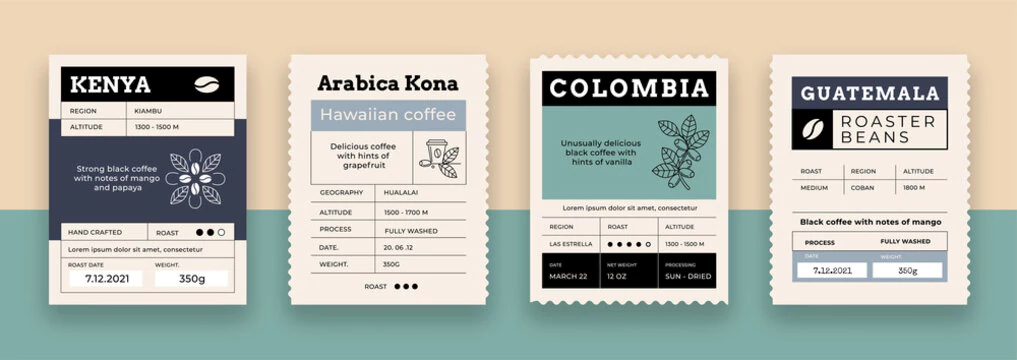
Color choices on your coffee bags play a big role in how customers see your brand. Industry research shows that colors like brown and green suggest natural and organic qualities, while black and gold signal premium quality. When you use consistent colors, fonts, and logo placement, you help customers recognize your brand and build trust. You can also use color systems, such as different shades for decaf or regular blends, to help shoppers find what they want quickly.
BN PACK offers high-quality printing with custom finishes, including matte, gloss, and soft-touch coatings. These finishes add a tactile feel that makes your packaging stand out. Embossed logos or textured patterns create a premium look and a memorable experience. Limited edition designs or collaborations with artists can boost excitement and encourage repeat purchases.
Tip: Always use your brand’s main colors and logo on every package. This strengthens your brand identity and makes your coffee bags easy to spot on the shelf.
Typography
Typography affects how easily customers can read your label and remember your brand. Follow these best practices for coffee packaging:
Choose fonts that match your brand’s personality, such as modern, classic, or playful.
Use only two or three font styles to keep the design clean.
Make important details, like the coffee name or flavor notes, stand out with larger or bolder text.
Place your logo where it is easy to see but does not overpower other information.
Ensure strong contrast between text and background for better readability.
Avoid using too many fonts or decorative styles, as this can make your label look cluttered and hard to read. Consistent typography across all your products builds recognition and trust.
Layout for Coffee Bags
A well-planned layout helps customers find key information fast. Organize your label so that the brand name, product type, origin, and roast date are easy to spot. Use clear spacing and white space to separate sections and avoid confusion. Leave space for variable details, such as batch codes or roast dates, so they remain legible.
Use a hierarchy to guide the eye from the most important to the least important information.
Add window features to let customers see the coffee inside, which increases confidence in product quality.
Consider tactile elements like embossing or spot UV to highlight your logo or special features.
The choice of bag material and finish, such as kraft, foil, or gloss, also affects how your design looks and feels. BN PACK’s custom printing and finishing options help you create labels that are both attractive and functional.
Materials & Durability
Label Materials
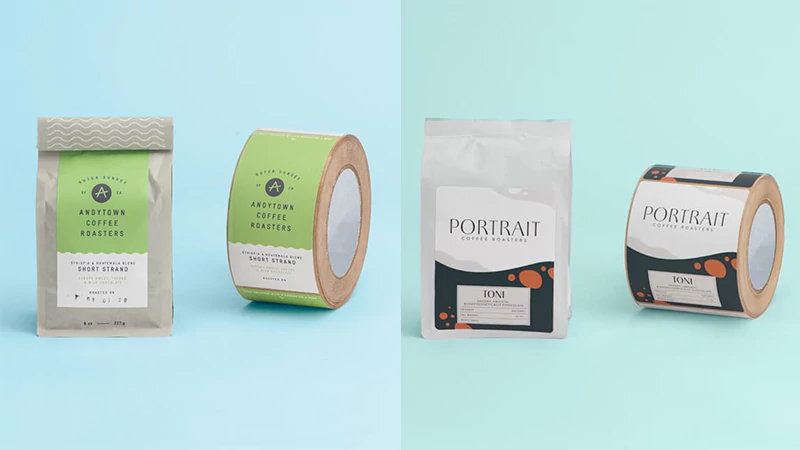
Choosing the right label material is important for both the look and performance of your coffee bags. You can select from a range of materials, each with its own strengths. Vinyl labels offer flexibility and work well on most bag types. Paper labels, such as white paper or textured options like Estate 4, give an artisan feel and allow you to write roast dates by hand. Plastic films, like white BOPP, provide a glossy finish and resist water, making them a favorite in the specialty coffee market. For premium blends, black vellum or foil labels add a touch of luxury and help your product stand out.
Here is a quick comparison of popular label materials:
Material Name | Description | Best Use Case / Features |
|---|---|---|
White Paper | Economical, matte or gloss finish | Side-gusseted, square bottom bags; easy to write on |
Avon Classic Crest | Premium, smooth white paper | Artisan feel; can handwrite or stamp |
Estate 4 | Textured, unlaminated white paper | Tactile experience; customizable |
Black Vellum | Unique black material | High-contrast designs; luxury blends |
White Plastic | Flexible, waterproof, gloss or matte finish | Stand-up pouches, foil bags; vibrant colors |
Eco-Friendly Options
Many brands now choose eco-friendly label materials to support sustainability. Compostable labels break down into natural materials, improving soil health and leaving no waste. These labels often use cornstarch, cellulose, or PLA. Biodegradable labels decompose quickly, reducing landfill waste and avoiding microplastics. Recyclable labels use mono-materials like PE or PP, making them easy to recycle and cost-effective. These options help you reduce your environmental impact and appeal to eco-conscious customers.
Compostable labels support closed-loop systems and meet strict environmental standards.
Biodegradable labels come from renewable resources and break down in 90 to 180 days.
Recyclable labels offer strong protection and can be reused, reducing waste.
Fit for BN PACK Coffee Bags
BN PACK helps you match label materials to your specific coffee bags. You get expert advice, samples, and technical support to choose the best fit for your brand and product. BN PACK tests all materials, including compostable and recyclable films, to ensure strong seals and lasting freshness. Their digital system lets you design and approve packaging quickly. Each bag goes through quality checks, so you can trust the durability and performance. You can select from a wide range of bag types and features, such as zippers and degassing valves, to keep your coffee fresh and your packaging reliable.
Printing & Application
Custom Printing
When you choose custom printing for your coffee packaging, you unlock many options for quality and design. BN PACK offers three main printing methods: digital, flexographic, and gravure. Each method fits different needs for print quality, cost, and order size.
Printing Method | Print Quality | Cost Characteristics | Best For |
|---|---|---|---|
Gravure | Highest detail, stable colors, sharp text | High setup cost, low per-unit ink cost | Large runs, premium look |
Flexographic | Good quality, wide color range | Moderate setup, fast turnaround | Medium runs, flexible use |
Digital | Consistent color, great for variable data | No plate cost, higher per-unit ink cost | Short runs, fast changes |
Gravure printing gives you the sharpest images and works best for large orders. Flexographic printing balances quality and cost for medium batches. Digital printing lets you print small batches or test new designs quickly.
DIY vs. Professional
You might wonder if you should print labels yourself or use a professional service. Each option has pros and cons.
Factor | DIY Printing Pros | DIY Printing Cons | Professional Printing Pros | Professional Printing Cons |
|---|---|---|---|---|
Cost | Good for small batches | Expensive for large runs | Cheaper for bulk orders | Minimum order sizes |
Flexibility | Print anytime, test designs | Time-consuming, errors | High-quality, durable labels | Less flexible for urgent orders |
Quality | Control over process | Lower resolution, limited | Consistent, weather-resistant | Longer turnaround |
DIY printing works well for small batches or quick changes. You control the process and can print as needed. However, you may face lower quality and limited material choices. Professional printing gives you better quality and more options for materials and finishes. This choice is best for building your brand and meeting retail standards.
Tip: For marketing and shelf appeal, professional printing often gives your coffee bags a stronger presence.
Matching Coffee Bags
Label application depends on the type of coffee bag you use. Stand-up pouches have curved panels, so you need flexible labels and may need to apply them before filling. Flat bottom bags have flat surfaces, which allow for larger labels and more material choices. These bags also give you more sides to print on, which helps with branding. Gusseted bags expand when filled, so labels must stretch or flex with the bag. You can use full front and back labels or smaller custom labels on the front.
Coffee Bag Type | Surface Features | Label Application Method | Material Needs |
|---|---|---|---|
Stand-Up Pouches | Curved, flexible panels | Flexible labels, pre-filling application | Flexible, conforming labels |
Flat Bottom Bags | Flat, stable panels | Large labels, post-filling application | Wide material choices |
Gusseted Bags | Expandable sides, vertical area | Labels must flex with bag shape | Stretchable or flexible labels |
BN PACK helps you choose the right label and application method for each bag style. You get expert advice and access to advanced labeling machines for the best results.
Compliance & Certifications
FDA & Local Rules
You must follow strict rules when labeling coffee products in the United States and abroad. The FDA requires you to include a statement of identity, net quantity in both metric and U.S. units, and an ingredient list in order of weight. You also need to add a nutrition facts panel for coffee with additives, and list your company’s name and address. If your product contains allergens, you must declare them. Claims about origin or health must be true and supported by evidence. State laws, like California’s Proposition 65, may require extra warnings. In the European Union, you must use metric measurements, highlight allergens, and provide environmental information. Other countries, such as Canada and Japan, have their own rules, so you should always check local requirements.
Tip: Label design choices, such as color or font, can attract attention from regulators if they suggest unapproved health claims. Always review your labels for compliance before printing.
Coffee Certifications
Certifications help you show your commitment to quality, ethics, and sustainability. The most recognized certifications for coffee packaging include USDA Organic, Fair Trade, Rainforest Alliance, and Bird Safe. Each has its own focus and requirements:
Certification | Core Focus / Requirements | Additional Notes |
|---|---|---|
USDA Organic | Natural cultivation, no synthetic chemicals, sustainable farming | Requires full traceability and separation from non-organic crops |
Fair Trade | Fair wages, safe working conditions, minimum price guarantees | Focuses on economic development and ethical labor |
Rainforest Alliance | Sustainable agriculture, worker rights, environmental protection | Promotes responsible farming, not always organic |
Bird Safe | Organic, shade-grown coffee to protect bird habitats | Supports bird conservation, requires organic and shade-grown practices |
You must pass audits and keep records to maintain these certifications. Displaying these logos on your packaging helps customers identify ethical and sustainable choices. However, research shows that certifications alone do not guarantee higher sales or strong brand loyalty. You need to combine certifications with good marketing to build your reputation.
Practical Steps
You can take several steps to ensure your labels stay compliant and effective:
List your brand name, product type, and net quantity on the main panel.
Show ingredients in order of weight and include all allergens.
Follow FDA and international formatting rules for nutrition facts and label layout.
Stay updated on state and country-specific regulations, such as California’s Prop 65.
Use only approved certification logos and keep your records ready for audits.
Add helpful details like country of origin, roast date, and brewing tips to improve customer experience.
Use label printing technology that allows you to update variable data, such as best-by dates.
BN PACK supports you at every step. Their packaging meets FDA and EU food safety standards, uses certified materials, and adapts to changing regulations. You benefit from their experience with global certifications, including USDA Organic, Fair Trade, and compostability standards. BN PACK’s technical team helps you avoid costly mistakes and ensures your coffee packaging meets the highest international standards.
Well-designed, compliant labels help your business stand out and build trust. High-quality materials and finishes, like foil or matte, boost visual appeal and signal premium value. Custom labels from BN PACK ensure you meet regulations and present clear product information, which increases customer confidence. Upgrading your packaging can improve brand recognition and support growth. Take time to review your current labels and consider BN PACK’s solutions for better branding and compliance.
FAQ
What information must you include on a coffee bag label?
You need to show the product name, net weight, company details, origin, ingredients, allergens, and any certifications. You should also add barcodes and batch codes for tracking.
How do you choose the best label material for your coffee bags?
Pick a material that matches your bag type and shelf life needs. Kraft paper suits artisan brands. Waterproof films work for specialty blends. Compostable options help you meet sustainability goals.
Can you use eco-friendly labels for coffee packaging?
Yes, you can select compostable, biodegradable, or recyclable labels. These options help you reduce waste and appeal to eco-conscious customers. BN PACK offers many sustainable label choices.
What printing method works best for custom coffee bag labels?
Digital printing fits small batches and frequent changes. Flexographic printing suits medium runs. Gravure printing gives the highest quality for large orders. BN PACK helps you pick the right method.