
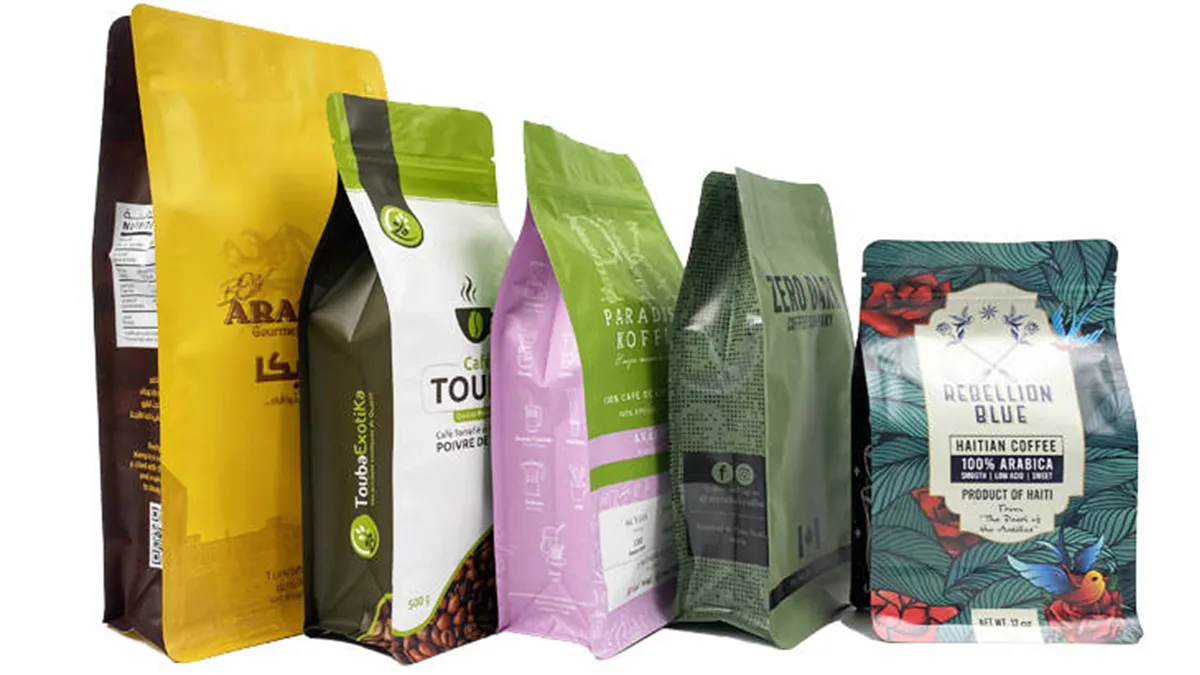
Ground coffee is a staple in millions of households, offering a quick energy boost and that unmistakable aroma that starts the day right. But when you grab a bag of ground coffee at the store, have you ever wondered—are nutrition facts required for ground coffee package? The answer may surprise you. Let’s dig into the details of coffee labeling laws, FDA guidelines, and what you really need to know.
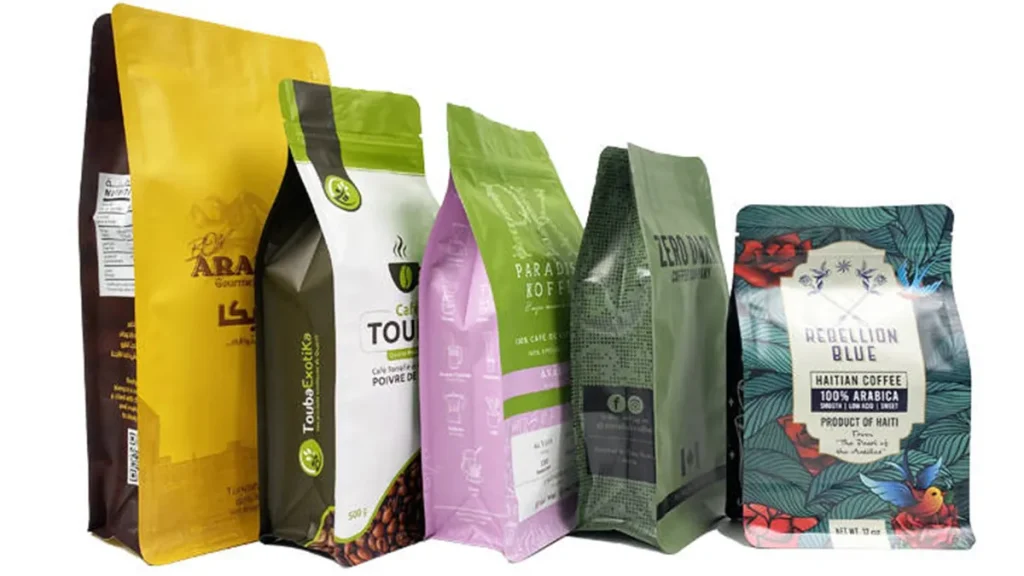
Understanding Nutrition Facts Labeling
What is a Nutrition Facts Label?
The Nutrition Facts label provides standardized information about the nutrient content of food. It typically includes calories, fats, carbohydrates, protein, and essential vitamins and minerals. These labels are intended to help consumers make informed dietary choices.
Purpose of Labeling in Food Regulation
The FDA mandates nutrition labeling to ensure transparency and promote public health. However, there are some notable exceptions based on the nature and composition of the product—which brings us to coffee.
FDA Requirements for Packaged Foods
Overview of FDA Labeling Guidelines
Under Title 21 of the Code of Federal Regulations, most packaged foods sold in the U.S. must carry a Nutrition Facts label unless they qualify for a specific exemption.
When Nutrition Labels Are Mandatory
Nutrition labels are compulsory if a food contains significant calories, fat, sugar, or essential nutrients. But there’s a notable caveat: products with “insignificant amounts” of nutrients may be exempt.
Classification of Ground Coffee Under FDA Regulations
Is Ground Coffee Considered a Conventional Food?
Yes, ground coffee is a conventional food. However, its naturally low nutrient content places it in a unique category under FDA rules.
Special Exemptions in Labeling
Because unflavored ground coffee has virtually zero calories, fat, sugar, or sodium, it’s exempt from mandatory nutrition labeling. This is why many coffee packages list origin and roast level but not nutrition facts.
Why Most Ground Coffee Doesn’t List Nutrition Facts
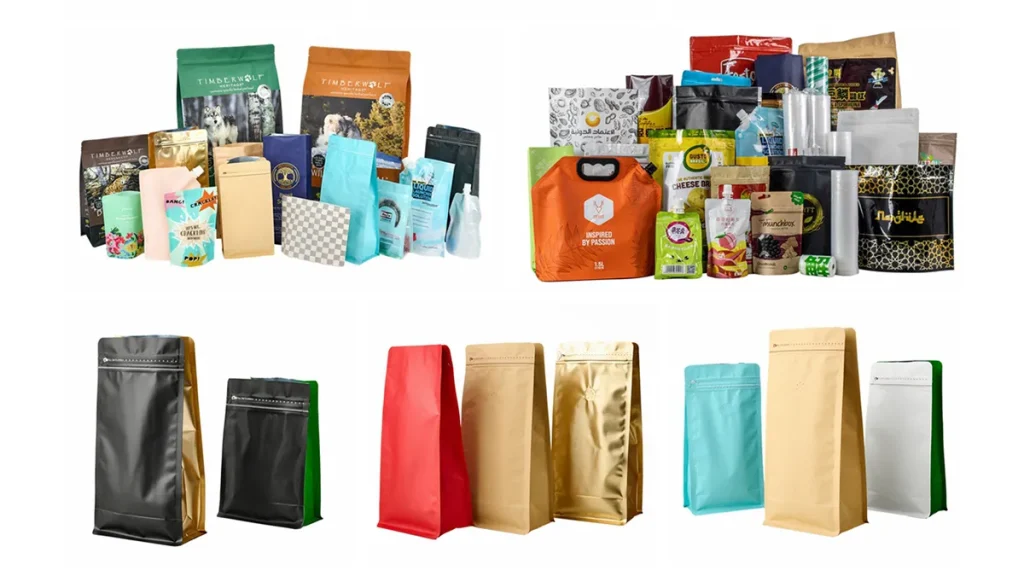
Low-Calorie and Low-Nutrient Status
The FDA allows products with insignificant nutrient content to skip the label. A standard serving of black ground coffee—without additives—contains:
| Nutrient | Amount |
|---|---|
| Calories | 0–2 |
| Fat | 0 g |
| Sugar | 0 g |
| Sodium | 0 mg |
| Protein | 0 g |
Historical Labeling Exceptions
Coffee has long been viewed as nutritionally negligible, leading to labeling leniency that continues today.
When Ground Coffee Must Include a Nutrition Label
Addition of Ingredients (Sugar, Flavorings)
If a brand adds sweeteners, creamers, or flavors, the coffee becomes a multi-ingredient product. In such cases, nutrition labeling becomes mandatory.
Blended or Fortified Coffee Products
Products enhanced with collagen, vitamins, or adaptogens are required to list all nutrients and serving sizes per FDA rules.
Voluntary Nutrition Facts by Brands
Marketing and Transparency
Some companies voluntarily include nutrition facts—even when not required—to promote trust and transparency.
Branding and Consumer Trust
A clean label can signal quality and integrity, helping brands stand out in a competitive market.
Examples of Ground Coffee Labeling in Practice
Analysis of Major Brands
- Starbucks ground coffee often skips the nutrition label unless it’s flavored.
- Dunkin’ and Folgers offer mostly unflavored varieties and usually omit the label.
- Death Wish Coffee includes labeling for their enhanced caffeine content.
Case Studies
Some boutique brands add nutrition facts even for plain coffee, often as a branding strategy rather than a legal obligation.
Coffee Additives and Labeling Requirements
Flavored Coffee and Syrups
If coffee includes vanilla, hazelnut, mocha, or other flavors, it becomes a different product class requiring full disclosure of nutrition info.
Instant vs. Ground Coffee Nutrition Labeling
Instant coffee may include added sugars or preservatives, which necessitates a nutrition label even when ground coffee doesn’t.
Retailer and Consumer Expectations
Impact on Purchasing Decisions
Some consumers expect to see nutrition facts as a sign of transparency, especially when evaluating health and wellness claims.
Consumer Awareness and Preferences
As more people prioritize clean eating, even basic coffee labeling can influence buying behavior.
International Labeling Standards for Coffee
EU vs. US Labeling Laws
In the European Union, coffee labeling is also exempt unless additives are present. However, the required information can differ in presentation style and language.
Canada and Australia Regulations
Canada requires bilingual packaging but also exempts unflavored coffee. Australia has similar regulations under FSANZ (Food Standards Australia New Zealand).
Organic and Specialty Coffee Labeling
USDA Organic, Fair Trade, and Rainforest Alliance
While nutrition facts might be missing, many coffee brands highlight certifications like USDA Organic, Fair Trade, and Rainforest Alliance—important indicators of ethical sourcing and environmental responsibility.
Private Label and Store Brand Coffee Regulations
How Store-Brand Ground Coffee Handles Labeling
Retailers like Costco (Kirkland), Trader Joe’s, and Walmart (Great Value) often follow FDA exemptions but may include basic data for consistency across their product lines.
Misconceptions About Coffee Nutrition
Myths About Coffee’s Calorie and Nutrient Content
Despite its bold flavor, black coffee contributes virtually nothing to your daily calorie intake. Misconceptions about coffee being “fattening” are usually linked to additives, not the coffee itself.
How to Interpret Coffee Packaging Information
Best Before, Origin, Roast Level vs. Nutritional Details
Consumers should look at roast date, origin, and grind size to evaluate freshness and flavor profile, rather than expecting nutrition data.
Impact of Labeling on the Coffee Industry
Compliance Costs
Adding nutrition labels increases costs for design, testing, and packaging compliance—especially for small roasters.
Packaging Design Considerations
Many brands prioritize aesthetic minimalism and storytelling on their labels, opting to leave out unnecessary information.
FAQs
1. Do all ground coffee packages require a nutrition label?
No, not all. Unflavored ground coffee is exempt due to its negligible nutrient content.
2. What happens if a brand adds sugar or flavor to coffee?
Then the product requires a full nutrition label, including calories, sugar, and other nutrients.
3. Is brewed coffee subject to the same rules?
No. The FDA regulations apply to packaged food, not what you brew at home or in a café.
4. Can brands choose to include the label voluntarily?
Yes, many brands include nutrition facts voluntarily for transparency and marketing reasons.
5. Are there international differences in labeling rules?
Yes. Each country has its own set of food labeling regulations, though many exempt plain ground coffee.
6. Does organic coffee require nutrition labeling?
Not unless it has added ingredients. But it must meet USDA organic certification standards.
Conclusion
So, are nutrition facts required for ground coffee package? In most cases, no—not unless the coffee includes added ingredients or enhancements. The low-calorie, low-nutrient nature of plain coffee exempts it from mandatory labeling under FDA guidelines. However, as consumer expectations evolve, some brands opt to include this information anyway to build trust and transparency.
We specialize in custom coffee packaging solutions—designed to reflect your brand, meet regulatory guidelines, and connect with your customers. Whether you need minimalist pouches or bold, retail-ready bags, we’ve got you covered.