
Cold brew is no longer a niche item on a coffee shop menu; it’s a global phenomenon and a cornerstone of the modern coffee business. Its smooth, low-acid profile has won over millions, and for roasters and brands, the ready-to-drink (RTD) market offers incredible growth potential. But beneath this smooth exterior lies a cold, hard truth: producing cold brew coffee carries unique and significant food safety risks.
Unlike its hot-brewed counterpart, the very process that gives cold brew its signature taste also creates an ideal breeding ground for unwanted microorganisms, including mold and bacteria. For a business, an issue with product safety isn’t just a spoilage problem—it’s a brand reputation crisis waiting to happen.
Why is Cold Brew a Magnet for Mold? The Science of Risk
Hot water acts as a rapid sanitizer, killing off most potential contaminants during brewing. The cold brew process, however, is a different story. Several factors combine to create a microbiological danger zone:
- Time: Steeping coffee grounds for 12 to 24 hours gives microorganisms a vast window of opportunity to multiply.
- Temperature: While some brew in a refrigerated environment, many common methods involve steeping at room temperature, which can fall directly within the food safety “danger zone” (40°F to 140°F or 5°C to 60°C) where bacteria thrive.
- Acidity (pH Level): The hot brewing process extracts more acids from the coffee bean, resulting in a lower pH that naturally inhibits microbial growth. Cold brew’s lower acidity makes it a more hospitable environment for a wider range of bacteria and molds.
If contamination occurs at any point—from a dirty grinder, an improperly cleaned brewing vessel, or impure water—these factors create a perfect storm for spoilage and the potential for foodborne illness.
The Pillars of Safe Commercial Cold Brew Production
For any business producing cold brew for sale, adhering to a strict, repeatable safety protocol is non-negotiable. Think of it as building a fortress around your product. These are your foundational pillars.
Pillar 1: Start with Quality Ingredients
Food safety begins with your raw materials.
- Fresh, High-Quality Beans: Use coffee that has been stored correctly in a dry, airtight environment. Green or roasted beans that have been exposed to moisture are at a higher risk of containing mold spores before the brewing process even begins.
- Filtered, Potable Water: Water makes up over 98% of your final product. Using filtered water is crucial not only for taste but also to eliminate potential contaminants like bacteria or chlorine that could interact negatively with the coffee.
Pillar 2: Impeccable Sanitization
This is the single most critical pillar. Cleaning is not enough; you must sanitize.
- A Dedicated “Clean Zone”: Designate a specific area for cold brew production that is easily cleanable.
- Sanitize Everything: Every single piece of equipment that will touch the coffee must be thoroughly cleaned and sanitized with a food-grade sanitizer before and after each batch. This includes:
- Grinders
- Brewing vessels and Toddy systems
- Stirring paddles
- Filters (cloth, paper, or metal)
- Transfer pumps and tubing
- Holding tanks and kegs
- Filling nozzles
A lapse in sanitization is the most common cause of batch contamination. Create a checklist and a logbook to ensure consistency.
Pillar 3: Master Your Process Control
Consistency in your brewing parameters is key to a repeatable and safe product.
- Time & Temperature: Document your exact steep time and temperature. If you brew at ambient temperature, ensure it is in a controlled environment. The FDA recommends that if the process takes longer than two hours, the product should be kept refrigerated below 5°C (41°F).
- Minimize Exposure: Keep your brewing vessel covered throughout the steeping process to prevent airborne contaminants from entering.
Pillar 4: Uphold the Cold Chain
Once brewed, cold brew must be treated like any perishable liquid.
- Immediate Refrigeration: As soon as the brewing process is complete and the concentrate is filtered, it must be immediately chilled and stored in a refrigerated environment.
- Maintain the Cold Chain: From your production facility to the delivery van to the retailer’s shelf, the cold chain must remain unbroken. Any significant temperature fluctuation can compromise safety and accelerate spoilage.
Pillar 5: Packaging – The Final Line of Defense
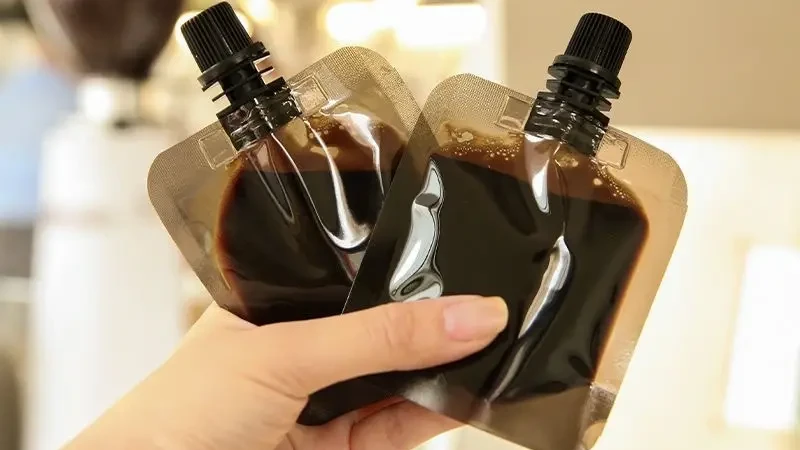
You can follow every safety step perfectly, but if your final packaging isn’t up to the task, your product is still at risk. Packaging is not just about branding; it’s the final and most crucial step in preserving the safety and quality of your cold brew. For a sensitive, perishable product, the container is as important as the liquid inside.
This is precisely why leading RTD brands are moving away from traditional bottles and cartons to advanced flexible packaging solutions like the Liquid Spout Pouch from BN Pack.
Our spout pouches are engineered specifically for the challenges of liquid products like cold brew:
- Superior Product Protection: Constructed with multi-layer, high-barrier films, our pouches provide an exceptional defense against the three main enemies of freshness: oxygen, UV light, and moisture. This hermetically sealed environment prevents oxidation and microbial growth, dramatically extending shelf life and preserving the flavor you crafted.
- Enhanced Safety and Hygiene: The spout design allows for aseptic (sterile) filling. Combined with a tamper-evident cap, it gives both you and your customers confidence that the product is sealed, safe, and has not been compromised.
- Unmatched Convenience: For both retail consumers and wholesale partners (like cafés), spout pouches are a game-changer. They are lightweight, shatterproof, and easy to store. The ergonomic spout ensures a smooth, mess-free pour every time, reducing waste and improving the user experience.
- Powerful Brand Presence: The flat, continuous surface of a spout pouch offers a 360-degree branding canvas. With vibrant, custom printing, your product won’t just sit on the shelf—it will stand out.
Don’t let your investment in quality beans and meticulous brewing be undone at the final step. Protect your product, your customers, and your brand with a packaging solution built for the future of coffee.
Conclusion: A Commitment to Excellence
Producing exceptional cold brew coffee on a commercial scale is a science. It demands a rigorous commitment to food safety at every stage. By building your production process on a foundation of quality ingredients, relentless sanitization, and precise process control, you lay the groundwork for a successful product.
And by choosing the right final packaging, you seal that promise, ensuring that the cold brew you produce is the safe, delicious, and high-quality experience your customers deserve.