
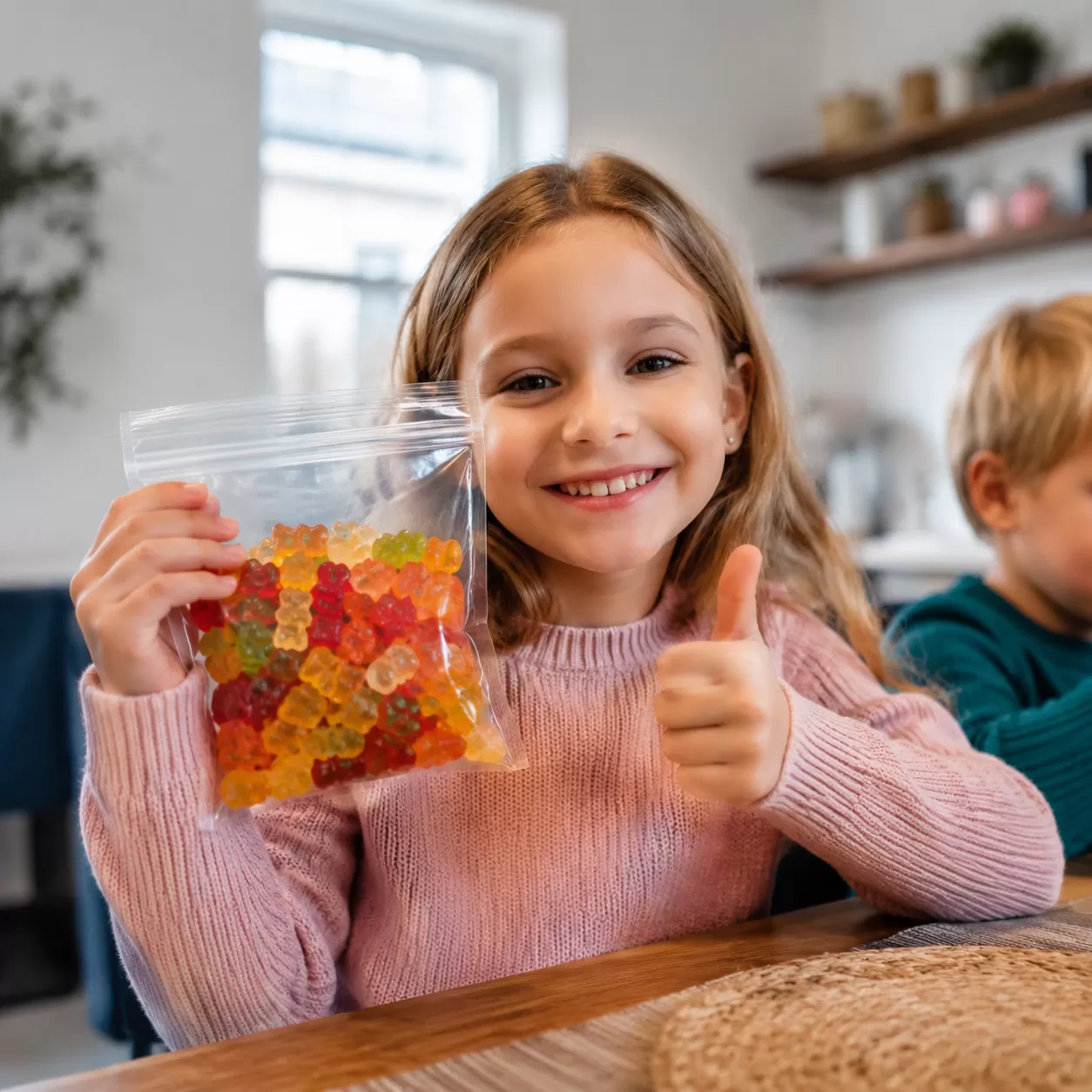
The gummy market is absolutely exploding right now, but a one-size-fits-all approach to your product presentation will leave your brand stranded on the shelves. Whether you are launching a playful treat or a high-end wellness product, your gummy packaging dictates exactly who buys it—and how much they are willing to pay.
Designing for kids’ products vs. adult health gummies requires two entirely different playbooks. For children, you are balancing strict child-resistant safety regulations with vibrant, parent-approved designs. For adults, the focus shifts to premium aesthetics, precise dosage clarity, and functional wellness branding.
If you want to master market segmentation, nail your compliance, and choose the exact materials that build consumer trust, this guide is for you.
Let’s dive right in.
Market Segmentation in the Gummy Industry
The gummy market is undergoing a massive evolutionary shift. No longer just a sugary treat for children, the industry has split into two distinct, high-growth categories: traditional kids’ confectionery and premium adult health supplements. For brands navigating this space, understanding the unique packaging demands of each segment is critical to capturing market share.
The Explosive Growth of Adult Health Gummies vs. Traditional Kids’ Candy
While the kids’ confectionery market remains a stable staple, the adult health and wellness sector has experienced explosive growth. Modern consumers are trading pill fatigue for functional delivery forms. Gummies have transitioned from a nostalgic treat into a daily health vehicle, demanding a shift from playful candy branding to sophisticated, wellness-oriented adult gummy packaging.
Market Size and Consumer Spending Trends by Segment
The financial trajectories of these two segments highlight distinct buyer mindsets and economic realities across the United States:
| Market Segment | Target Audience | Primary Purchase Driver | Average Price Point |
|---|---|---|---|
| Kids’ Gummy Candy | Parents buying for children | Flavor, fun, and affordability | Budget-friendly / Bulk pricing |
| Adult Health Gummies | Health-conscious adults | Efficacy, wellness goals, and lifestyle | Premium / High margin |
Adult consumers view health gummies as an investment in their personal wellness. They routinely demonstrate a higher willingness to pay for specialized formulations like immunity, sleep, and beauty blends, directly justifying higher packaging development costs.
Regulatory and Safety Differences Across Segments
The dividing line between children’s sweets and adult supplements is heavily regulated. Navigating compliance is a vital component of packaging design:
- Kids’ Products: Focuses heavily on physical safety, including non-choking hazards, tamper-evident seals, and specialized child-resistant formats if vitamins are included.
- Adult Health Supplements: Governed strictly by the FDA as dietary supplements. Packaging must accommodate dense Supplement Facts panels, precise dosage clarity, and verifiable health claims without crossing into unauthorized medical language.
Choosing the right format—whether a durable gummy pouch for children or high-end specialty gummy bags for targeted adult wellness—is the foundational step in aligning a product line with retail expectations and consumer trust.
Kids’ Gummy Packaging Requirements and Design Priorities
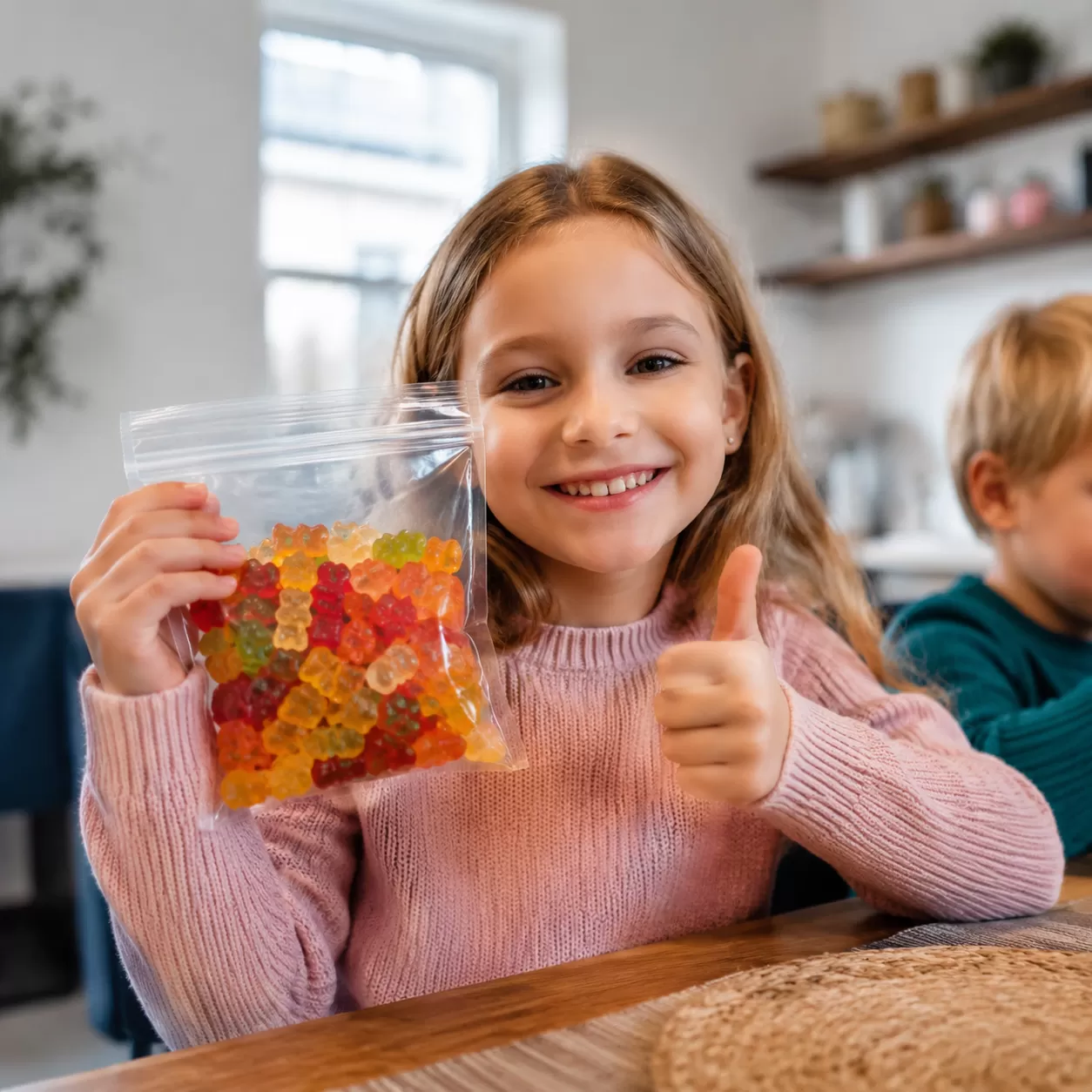
Designing a gummy pouch for children requires a careful balance between strict safety compliance and high-energy shelf appeal. In the US market, brands must protect kids while simultaneously engaging them and reassuring their parents.
FDA and Child-Resistant Packaging (CRP) Regulations
When gummies contain active vitamins, iron, or supplements, the FDA and the Consumer Product Safety Commission (CPSC) mandate Child-Resistant Packaging (CRP). Packaging must pass rigorous testing to ensure children under five cannot easily open the container, while adults can use it without frustration.
Safety Considerations: Choking Hazards and Tamper-Evidence
Safety goes beyond child-resistant zippers. Pouches must feature clear tamper-evident seals to prove the product hasn’t been altered on the shelf. Additionally, warnings regarding choking hazards for younger age groups are standard practice on domestic labels.
Visual Design Preferences: Bright Colors and Playful Appeal
To win the attention of young consumers, the visual strategy relies on bold, vibrant colors and playful custom shapes. Incorporating licensed cartoon characters or friendly brand mascots instantly builds familiarity and fun, turning a daily routine into an exciting treat.
Portion Control: Single-Serve vs. Bulk Formats
Parents heavily favor pre-portioned options to manage sugar intake and ensure accurate dosing. While bulk stand-up pouches work well for standard multi-vitamin supplies, single-serve mini bags offer excellent on-the-go convenience for school lunches and travel.
+———————+—————————————————+
| Packaging Format | Primary Benefit for Kids’ Products |
+———————+—————————————————+
| Single-Serve Pouch | Built-in portion control, fresh on-the-go snacking |
+———————+—————————————————+
| Bulk Stand-Up Pouch | Cost-effective, recloseable zipper, family-sized |
+———————+—————————————————+
Parent Concerns: Ingredient Transparency and Nutritional Claims
While the outside of the pouch speaks to the child, the back of the pack must speak to the parent. Modern buyers demand clear, legible callouts for low sugar, organic ingredients, and allergen-free certifications.
To achieve the ideal balance of safety, clear branding, and custom sizing for your product line, finding the right pouch dimension is critical. Choosing the correct what size stand up pouch do i need ensures that nutritional facts remain highly readable while leaving ample room for child-safe zipper mechanisms.
Adult Health Gummy Packaging: A Different Approach
Adult wellness products require a completely different strategy than traditional kids’ candy. When designing adult gummy packaging, the focus shifts from playful cartoon characters to a sleek, sophisticated aesthetic that establishes immediate clinical trust and reflects premium quality.
Premium Positioning and Design Expectations
Modern adults view wellness as a lifestyle choice, and their supplement packaging needs to mirror that mindset. To capture this market, brands must ditch the cheap, neon plastics and opt for matte finishes, minimalist typography, and muted color palettes. High-quality plastic packaging bags with textured finishes help position the product as a premium health investment rather than a sugary treat.
Balancing Compliance, Sustainability, and Functionality
Adult consumers look for quick, transparent information and functional convenience. The table below outlines the core requirements for successful adult health gummy formats:
| Feature | Design Requirement | Impact on Buyer |
|---|---|---|
| Dosage Clarity | Bold, clear callouts for daily intake servings on the front panel. | Prevents overconsumption and ensures safe usage. |
| Supplement Facts | Highly visible, organized ingredient grids on the back panel. | Builds consumer trust regarding purity and efficacy. |
| Certifications | Prominent display of Non-GMO, Vegan, Gluten-Free, or Organic badges. | Validates premium price points and health claims. |
| Eco-Conscious Materials | Inclusion of recyclable, PCR (post-consumer recycled), or compostable films. | Attracts the growing demographic of green buyers. |
| Reliable Resealability | Heavy-duty, airtight zippers or premium child-resistant closures. | Maintains product freshness and supports consistent daily dosing. |
Using high-barrier specialty gummy bags ensures that active ingredients remain stable and potent over time, while a reliable resealable closure keeps the gummies soft and prevents them from drying out during their daily usage cycle.
Regulatory and Compliance Differences
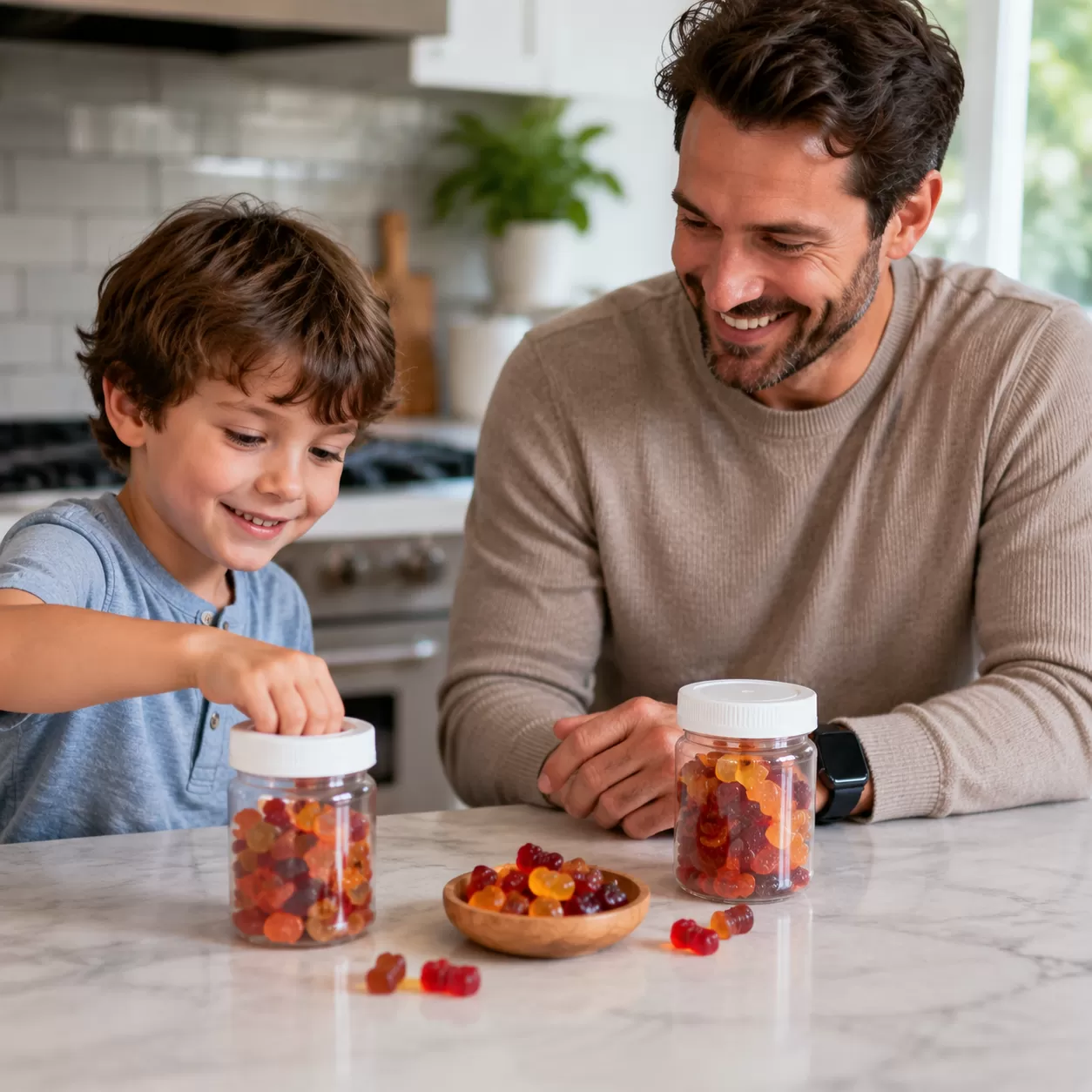
Navigating the legal landscape for gummy packaging requires a clear understanding of your product’s classification. The rules diverge sharply when designing a gummy pouch for children versus launching adult gummy packaging aimed at the wellness market.
Labeling Requirements: Kids’ Candy vs. Dietary Supplements
The FDA treats kids’ traditional gummies as conventional food, while adult health gummies usually fall under dietary supplements. This distinction completely changes the required layout of your packaging film.
- Kids’ Gummy Candy: Must feature a standard Nutrition Facts panel. Labels focus on calories, total sugars, and daily macronutrient percentages based on a general diet.
- Adult Health Gummies: Must feature a Supplement Facts panel. This requires explicit listings of active ingredients, botanical blends, and precise serving sizes.
Health Claims and Their Impact on Packaging Design
What you print on your specialty gummy bags dictates your regulatory risk.
For adult health segments, structure-function claims (like “supports immunity” or “promotes sleep”) are legal but must be accompanied by the standard FDA disclaimer box. For children’s products, health claims face extreme scrutiny to prevent misleading parents or encouraging overconsumption by kids who view the supplement as candy.
| Regulatory Feature | Kids’ Gummy Candy | Adult Health Gummies |
|---|---|---|
| Panel Type | Nutrition Facts | Supplement Facts |
| FDA Disclaimer | Not Required | Required for structure-function claims |
| Sugar Tracking | High visibility required | Monitored, but secondary to active ingredients |
| Dosing Language | “Serving size” | “Suggested use” / “Dosage instructions” |
Testing and Certification Requirements by Segment
Compliance extends beyond the ink on the label to the actual physical safety of the package.
Adult health gummies containing iron or specific active potencies require strict child-resistant packaging (CRP) testing under the Poison Prevention Packaging Act. Conversely, kids’ candy packaging focuses heavily on food-contact safe, BPA-free materials that prevent chemical leaching. Both segments require robust tamper-evident seals to ensure product integrity before the consumer opens the package.
Material and Format Choices by Segment
Choosing the right packaging format means matching the structural material with the specific habits of your consumer base. Kids’ candy and adult wellness supplements require entirely different physical properties to succeed on the shelf and in the home.
Kids’ Segment: Durable, Playful Pouch Formats
For children’s products, the priority is durability and interactive fun. Shape-cut flexible pouches and bright, stand-up bags dominate this space. Kids handle these products roughly, so the material must resist punctures and tears during transport or when tossed into a backpack.
- Pouch Shapes: Die-cut shapes that mimic characters or fruits to catch a child’s eye.
- Material Strength: High-abuse multi-layer laminates that prevent accidental punctures.
- Convenience Features: Large, easy-grip tear notches and simple press-to-close zippers.
Adult Health Segment: Premium Flexible Packaging and Bottles
Adult health consumers look for sleek, professional presentation that conveys efficacy and high quality. This segment relies heavily on premium flexible packaging, stand-up barrier pouches, and rigid amber or matte-finished bottles. The packaging must look at home on a vanity, desk, or kitchen counter while keeping the functional active ingredients stable.
- Premium Finishes: Matte varnishes, soft-touch coatings, and metallic accents that justify a higher price point.
- Barrier Properties: High-moisture and oxygen barriers protect vitamin potency and prevent the gummies from melting or clumping together.
- Aesthetic Formats: Flat-bottom bags and straight-sided jars that reflect clean, modern wellness branding.
Sustainability Trends in Each Segment
Eco-conscious consumers are driving massive changes in packaging materials across both markets. Brands are actively moving away from traditional single-use plastics to satisfy local US market demands for environmental responsibility.
In the adult wellness sector especially, utilizing modern recyclable pouches helps brands align with the lifestyle values of health-focused buyers. While the kids’ segment focuses on durable, non-toxic materials, the adult health segment leads the charge in adopting post-consumer recycled (PCR) resins and compostable films to minimize ecological footprints.
Consumer Behavior and Purchase Psychology in Gummy Packaging
Understanding who buys your product—and why—drastically changes how we design gummy packaging for different market segments: kids products vs. adult health gummies. The purchase trigger for a kid’s treat relies on a completely different psychological framework than a daily wellness supplement for adults.
Parents vs. Kids: The Dual Decision-Makers
When designing a gummy pouch for children, we are actually marketing to two distinct audiences simultaneously. The child drives the initial desire through pester power, while the parent holds the wallet and acts as the nutritional gatekeeper.
- The Child’s Impulse: Drawn to vibrant colors, recognizable characters, and playful bag shapes.
- The Parent’s Veto: Looks past the cartoon to inspect the ingredient list, sugar content, and safety seals.
To win over parents, the packaging must clearly display callouts like “Organic,” “No High Fructose Corn Syrup,” or “Made with Real Fruit Juice.” Utilizing convenient features like hang holes for eye-level pegboard displays can significantly increase visibility. You can explore the strategic retail advantages of these display methods by looking into hang hole packaging benefits to see how they capture busy parents’ attention on crowded store shelves.
Efficacy and Trust: What Drives Adult Buyers
Adult gummy packaging requires a completely different psychological approach. Adults are not looking for a snack; they are looking for a solution to a health need, whether that is better sleep, immune support, or glowing skin.
- Scientific Credibility: Clean, minimalist layouts with clear typography signal transparency and pharmaceutical-grade quality.
- Value and Trust: Clean labels that highlight active ingredients (like Ashwagandha, Vitamin D3, or Collagen) establish immediate trust.
- Premium Feel: Tactile finishes, such as matte coatings or metallic accents on specialty gummy bags, justify a higher price point and reassure the consumer of the product’s efficacy.
Retail Shelf Positioning and Display Expectations
Where your product sits on the shelf dictates how the packaging should perform structurally and visually.
| Market Segment | Primary Shelf Location | Packaging Expectation |
|---|---|---|
| Kids’ Gummies | Lower shelves (child eye-level) or checkout pegs | High-durability pouches that resist puncturing and feature easy-tear notches for small hands. |
| Adult Health | Eye-level supplement aisles or premium wellness counters | Stable stand-up pouches or rigid bottles with clean, legible spines for easy brand identification. |
Pricing Strategy Across Segments
Cost Structure Differences Between Kids’ and Adult Formats
The production costs for kids’ candy gummies and adult health supplements differ significantly, and this variance starts right with the packaging design. For children’s products, the focus centers on high-volume, durable, and lightweight flexible pouches. These formats keep the cost per unit low, even when integrating child-resistant zippers.
Adult health gummies, however, require a more robust raw material investment. Because active ingredients like vitamins, probiotics, or botanicals degrade when exposed to environmental elements, these products demand specialized, high-barrier films. Utilizing moisture-resistant gummy candy packaging is critical to prevent the gummies from melting, clumping, or losing potency on retail shelves. This necessity drives up the baseline material cost for the adult segment.
Price Sensitivity and Willingness to Pay by Segment
Consumer psychology behaves differently depending on who the gummy is for, which directly impacts retail pricing margins:
- The Kids’ Segment: Parents view these products primarily as quiet-time snacks or traditional treats. This market is highly price-sensitive. Parents frequently compare price-per-ounce metrics and lean toward bulk bags or multi-pack boxes that offer the best everyday value.
- The Adult Health Segment: Buyers view these products as an investment in their personal wellness routine. Because they associate the product with health efficacy rather than confectionery indulgence, adult consumers demonstrate a much higher willingness to pay. They accept premium price points for a 30-day supply, shifting the purchase focus from volume to perceived value.
Packaging Investment Justified by Premium Positioning
To command a premium price tag in the competitive adult supplement space, the external packaging must reflect high quality. Cheap, flimsy bags immediately signal low-grade ingredients to a discerning buyer.
Investing in tactile finishes—such as soft-touch matte coatings, metallic foil stamping, or structural rigid bottles—visually justifies a higher retail price. Furthermore, clear and legible typography is non-negotiable for premium positioning. Since adult supplement labels must display dense ingredient panels and daily dosage instructions, brands often run into printing hurdles. Understanding why 300 DPI fails for small nutrition text helps manufacturers avoid blurry, cheap-looking labels, ensuring the final product looks sharp, trustworthy, and worth every dollar.
Case Studies and Market Examples
Successful Kids’ Gummy Brands and Their Packaging Strategies
When we look at the top-selling children’s brands, success comes down to balancing fun with safety. Brands like Flintstones and Vitafusion Lil’ Critters dominate the shelves by using bright, high-contrast colors and licensed characters that instantly catch a child’s eye.
However, the real strategy lies in winning over the parents. These brands utilize durable, puncture-resistant gummy pouch for children formats equipped with certified child-resistant zippers. The packaging clearly highlights “Zero High Fructose Corn Syrup” and “Natural Flavors” in bold, easy-to-read fonts on the front panel, proving that safety and transparency drive kids’ retail success.
Leading Adult Health Gummy Brands and Design Approaches
The adult market requires an entirely different playbook focused on wellness, premium quality, and daily routines. Brands like Olly and Ritual disrupted the industry by ditching traditional pharmacy aesthetics for sleek, countertop-worthy designs.
- Olly: Uses iconic, square-shaped clear bottles with minimalist typography and color-coded lids to indicate specific health benefits (like sleep, energy, or immunity).
- Hum Nutrition: Focuses on vibrant, matte-finish bottles that look like high-end beauty products rather than dietary supplements.
For premium wellness lines and eco-conscious refills, top brands rely on high-barrier adult gummy packaging options. Using sleek, resealable stand-up pouches with metallic accents or matte finishes helps justify a higher price point while protecting the active ingredients from light and moisture. For brands looking to scale their candy or supplement lines, choosing the right bags for candy and vitamins ensures the product stays fresh while standing out on crowded retail shelves.
Brands That Successfully Operate in Both Segments with Distinct Packaging
SmartyPants Vitamins: A Masterclass in Dual-Segment Branding
| Target Segment | Packaging Format | Visual Design | Key Messaging |
|---|---|---|---|
| Kids Line | Bright yellow bottles with playful, animated fruit characters. | Child-friendly, high-energy graphics. | Focuses on taste, allergen-free formulas, and easy chewing. |
| Adult Line | Clean, white bottles with sophisticated, minimalist color accents. | Professional, clinical yet approachable style. | Emphasizes non-GMO verification, specific nutrient forms (like CoQ10), and scientific efficacy. |
By maintaining a consistent brand logo but completely overhaulilng the typography, color palette, and structural format, SmartyPants successfully captures both busy parents and health-conscious adults without diluting its core identity.
Emerging Trends in Gummy Packaging for Different Market Segments: Kids Products vs. Adult Health Gummies
The landscape for both kids’ and adult gummies is shifting rapidly. Driven by shifting consumer values in the United States, brands must adapt their packaging design and messaging to align with modern buying habits.
Clean Label and Transparency Demands in Adult Health
Modern adults look at the back of the package before they buy. They demand extreme clarity regarding what goes into their bodies. For adult gummy packaging, this means shifting away from cluttered, overly bright designs toward minimalist layouts that highlight non-GMO, organic, and allergen-free certifications.
To convey this sense of purity and premium quality on store shelves, many brands are opting for a sleek, matte finish packaging style. This tactile texture immediately signals sophistication and builds consumer trust before the customer even reads the supplement facts label.
Functional and Specialized Gummies
Adults are moving past basic multivitamins. The market is exploding with highly specialized, functional gummies targeted at specific wellness goals. Packaging must visually communicate these targeted benefits instantly:
- Sleep Support: Utilizing deep blues, purples, and calming imagery to indicate melatonin or ashwagandha blends.
- Immunity Boosters: Incorporating vibrant citrus tones, shield icons, and bold callouts for Zinc, Elderberry, and Vitamin C.
- Beauty & Skin: Adopting cosmetics-inspired aesthetics with clean lines, pastel tones, and elegant fonts for collagen and biotin products.
Gender and Age Targeting in Adult Segments
A one-size-fits-all approach no longer works for adult health gummies. Brands are successfully segmenting their lines by tailoring both formulations and packaging graphics to specific demographics.
- Men’s Health: Utilizing bolder, darker colors like charcoal, navy, and forest green with straightforward, performance-driven typography.
- Women’s Health: Focusing on wellness, balance, and hormonal support using softer color palettes and lifestyle-oriented branding.
- Active Seniors: Incorporating easy-open caps or large-text layouts on specialty gummy bags to ensure accessibility for older adults targeting joint health or cognitive support.
How to Determine Your Target Segment in Gummy Packaging
Choosing between the kids’ market and adult health gummies dictates your entire operational setup. The right segment aligns your production capabilities with the specific demands of United States consumers.
Assessing Manufacturing Capabilities and Certifications Needed
Before launching, you must audit your facility against strict compliance standards. The kids’ segment requires strict adherence to food safety and contamination prevention. Conversely, adult health gummies often require dietary supplement certifications, such as Current Good Manufacturing Practices (cGMP).
Packaging lines must also adapt. If you target the adult wellness sector, your machinery must handle specialized child-resistant closures or high-barrier specialty gummy bags that protect sensitive active ingredients from light and moisture.
Market Opportunity and Competitive Landscape Analysis
The North American gummy market is crowded, but clear gaps exist. To find your niche, analyze current retail shelves and digital marketplaces.
- Kids’ Segment: Dominated by legacy brands focusing on flavor and character licensing. The opportunity lies in clean-label, low-sugar alternatives backed by parent-approved branding.
- Adult Health Segment: Highly fragmented with rapid growth in functional ingredients like Nootropics, Ashwagandha, and Collagen. Success here relies on establishing immediate medical or lifestyle authority through premium packaging.
Long-Term Positioning: Single Segment vs. Multi-Segment Strategy
Focusing on a single segment allows for a lean supply chain and hyper-targeted marketing. It builds deep brand loyalty within a specific demographic.
However, a multi-segment strategy diversifies your revenue. If you choose to cater to both parents and children, you must maintain distinct brand identities. Use playful, durable pouch formats for children, and separate, sophisticated adult gummy packaging for the wellness line to avoid confusing your consumers.
and Segment Selection Guidance
Choosing between the kids’ market and the adult wellness space shapes your entire manufacturing, compliance, and packaging strategy. If your business prioritizes high-volume, playful branding, and strict child-resistant safety compliance, the youth market offers massive retail potential. However, if you want to capture higher margins with sophisticated formulations, focusing on adult gummy packaging that highlights premium health claims and sustainable materials is the path to rapid growth.
Segment Selection Checklist
To determine where to invest your capital, evaluate your brand capabilities against these key market requirements:
- Regulatory Readiness: Can your facility handle strict Child-Resistant Packaging (CRP) testing for children’s supplements, or are you better equipped for the standard dietary supplement facts required for adults?
- Design and Branding: Do you have the resources for vibrant, licensed character branding, or is your strength in minimalist, clean-label layouts aimed at health-conscious buyers?
- Packaging Infrastructure: Adult brands require premium glass jars, sustainable bottles, or high-end stand-up pouches. Kids’ products rely heavily on durable, tamper-evident gummy pouches for children built for busy parents.
Your packaging is the most direct touchpoint you have with consumers on the retail shelf. Aligning your format choices with the specific psychological needs of your target audience ensures your brand builds immediate trust and drives repeat purchases. For businesses looking to scale their overall operation or explore similar flexible retail strategies, understanding how to align your product size with consumer habits—much like choosing the right coffee bags for businesses to match specific commercial demands—is the fastest way to secure long-term market share. Take a hard look at your current manufacturing capabilities, select the segment that fits your margin goals, and build your packaging with absolute intention.