
In the world of specialty coffee, some origins have long, storied histories, while others have fought their way into the spotlight through sheer determination and quality. Honduran coffee falls firmly into the latter category. For decades, it was a quiet giant, producing vast quantities of coffee that often disappeared into commercial blends, its unique character uncelebrated. Today, however, Honduras has undergone a remarkable transformation, emerging from the shadows to become a celebrated and essential origin for specialty roasters around the globe.
This rise is due to the incredible versatility, depth of flavor, and exceptional value that coffee beans from Honduras offer. From bright, citrusy microlots to deep, chocolatey regional blends, the spectrum of profiles is astounding.
For coffee roasters, understanding this origin is key to unlocking its full potential. This comprehensive guide will explore the classic Honduras coffee flavor profile, examine its key growing regions, and provide specific, actionable strategies for roasting these remarkable beans to perfection.
The Honduran Coffee Landscape: A Story of Transformation
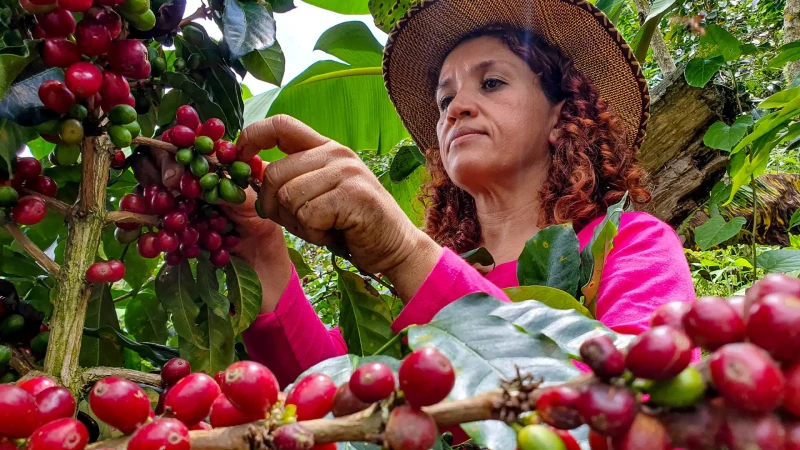
For much of the 20th century, coffee in Honduras lacked the infrastructure (like mills and export facilities) and government support seen in neighboring countries. As a result, much of its crop was sold informally across the border to Guatemala or Nicaragua or sold as low-grade, bulk commercial coffee.
The modern era, however, has been defined by a powerful shift towards quality. Organizations like the Honduran Coffee Institute (IHCAFE) have been instrumental in providing producers with technical assistance, promoting quality control, and helping to establish the reputation of Honduran specialty coffee on the world stage. Furthermore, challenges like the coffee leaf rust epidemic forced many farmers to replant with more resilient and often higher-quality varietals like Lempira and Ihcafe 90, alongside classic Bourbon and Caturra.
This focus on quality is supported by the country’s exceptional geography. The mountainous terrain provides the high altitudes necessary for producing dense, complex beans. This is reflected in the country’s altitude-based grading system:
- Strictly High Grown (SHG / Estrictamente Altura): Coffee grown above 1,200 meters (4,000 feet). These beans mature slowly, developing a higher density and a more complex and desirable flavor profile.
- High Grown (HG / Altura): Coffee grown between 900 and 1,200 meters (3,000 – 4,000 feet).
For roasters, seeing “Honduras SHG” on a bag is a reliable indicator of a high-quality, dense bean with excellent potential.
Understanding the Honduras Coffee Flavor Profile
One of the most exciting aspects of Honduran coffee beans is their sheer diversity. While it’s impossible to assign a single profile to the entire country, a classic, well-balanced Honduran coffee often presents a bright and vibrant acidity, a medium body, and a clean finish. The core flavor notes are frequently described as a comforting blend of milk chocolate, caramel, and toasted nuts, often accompanied by hints of stone fruit or citrus.
However, the real magic is in the regional nuances. The best Honduran coffee is often found by exploring its six main growing regions:
- Marcala & Montecillos: Perhaps the most famous regions, known for producing coffees with a lively, bright acidity, citrus and floral notes, and a creamy body.
- Copán: Tends to produce balanced coffees with a fuller body and dominant notes of chocolate, caramel, and orange.
- Comayagua: Often yields beans with a sweet and creamy profile, featuring notes of citrus and a bright acidity.
- Agalta: Known for its tropical fruit and chocolate notes, with a lingering sweet finish.
- El Paraíso: Produces coffees with a softer body, sweet notes of tropical fruit, and a gentle, balanced acidity.
While the vast majority of coffee from Honduras is fully washed—a process that contributes to its signature clean and bright profile—producers are increasingly experimenting with honey and natural processing, creating exciting new flavor dimensions of deep fruit and wine-like complexity.
Honduran Coffee vs. The World: Common Comparisons
As roasters and consumers explore different origins, certain comparisons naturally arise.
- Peru vs. Honduras Coffee: This is a common matchup for those exploring Latin American coffees. While both can offer excellent value and quality, their classic profiles differ. In a Peru vs. Honduras coffee comparison, the Honduran cup will typically present a brighter, more pronounced acidity and a lighter to medium body. Its flavor profile often leans towards citrus, green apple, and tropical fruit. Peruvian coffee, by contrast, is generally milder and softer, with a smoother, creamier body and a flavor profile dominated by notes of milk chocolate, nuts, and gentle stone fruit.
- Honduran Coffee at Scale (Starbucks): The global reach of Honduran coffee is undeniable. Major brands like Starbucks have frequently featured single-origin Honduran coffee beans in their reserve programs. The presence of Honduran coffee Starbucks offerings demonstrates the country’s impressive ability to produce large lots of consistent, high-quality coffee that can satisfy the strict standards of the world’s largest coffee companies and introduce its approachable profile to a massive audience.
The Complete Guide to Roasting Honduran Coffee Beans
Roasting Honduras beans is a rewarding experience. Their high density and good acidity make them versatile in the roaster, capable of shining as a bright single-origin or serving as a solid, sweet base in a blend.
- Bean Characteristics: Most specialty-grade Honduran lots will be dense, SHG beans. They can handle heat well and have a good amount of sugar content, making them excellent for developing sweetness and caramelization.
- Roast Profile Strategy: A medium roast is a fantastic starting point for most Honduran coffees, as it develops the inherent chocolate and nutty notes while preserving the pleasant acidity that gives the cup its structure.
- Charge Temperature: Due to the bean’s density, a moderately high charge temperature is a good strategy. This allows the heat to begin penetrating the bean effectively from the start.
- Drying & Maillard Phases: Allow for a steady progression through the drying and Maillard (browning) phases. This is where the core sweetness and body are developed. Rushing this stage can result in a lack of sweetness, while going too slow can lead to flat, baked flavors.
- First Crack and Development: This is where the roaster makes their most critical decisions. For a profile that emphasizes the coffee’s bright, citrusy acidity, aim for a shorter development time after the first crack begins (around 45-60 seconds). To bring out more body, sweetness, and deep chocolate notes, extend this development time slightly (75-90 seconds). Be mindful that under-developing a dense bean can leave undesirable vegetal or grassy notes.
Beyond the Roaster: Coffee Culture in Honduras
While we focus on the professional side of coffee in Honduras, it’s also a deep part of the nation’s culture. For generations, Hondurans have enjoyed coffee in their homes. One of the most charming Honduras traditional drinks is “Café de Palo.” This involves brewing coffee in a pot of boiling water and stirring it with a cinnamon stick (palo de canela), which infuses the brew with a warm, comforting spice. It’s often brewed strong and served sweet, a testament to the comforting and central role coffee plays in daily life.
Preserving Honduran Excellence: The Role of Packaging
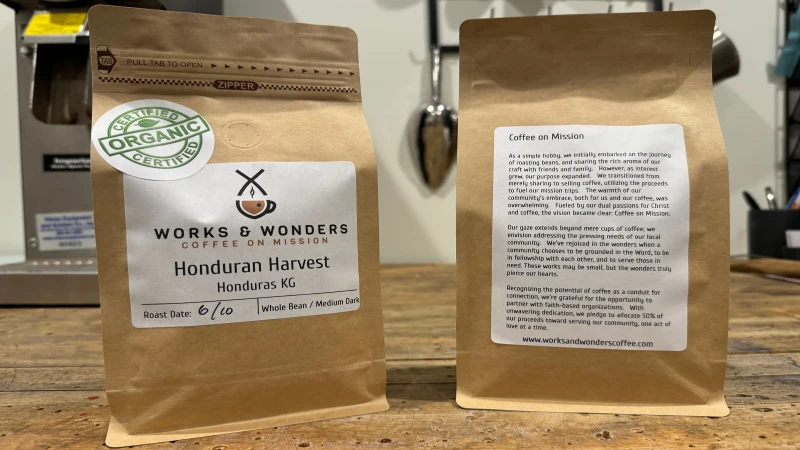
After carefully sourcing a beautiful lot of coffee beans from Honduras and skillfully executing a roast that unlocks its unique profile, the final step is to preserve that hard-won excellence. The bright acidity and complex sweet notes that characterize the best Honduran coffee are volatile and highly susceptible to degradation from oxygen, moisture, and UV light.
The character of your coffee deserves to be protected. High-quality coffee bags from BN Pack are engineered to be a fortress for freshness. Our multi-layer bags with high-barrier linings lock out oxygen and UV light, preserving the coffee’s vibrant acidity and sweet caramel notes from the moment it’s sealed. A one-way degassing valve is essential for allowing freshly roasted honduran coffee beans to rest and release CO₂ safely without letting damaging oxygen in. Don’t let your masterful roast fade away in a substandard bag. Package it for peak flavor and give your customers the full Honduran experience you intended.
Conclusion: Unlocking the Potential of Honduran Coffee
Honduras coffee has firmly earned its place on the world’s specialty coffee stage. It is an origin defined by resilience, diversity, and incredible potential. From the bright, clean cups of Marcala to the full-bodied, chocolatey lots from Copán, there is a Honduran coffee to suit every palate. By understanding its unique characteristics and approaching it with a thoughtful roasting strategy, you can unlock a world of flavor that is both rewarding for your craft and delightful for your customers.