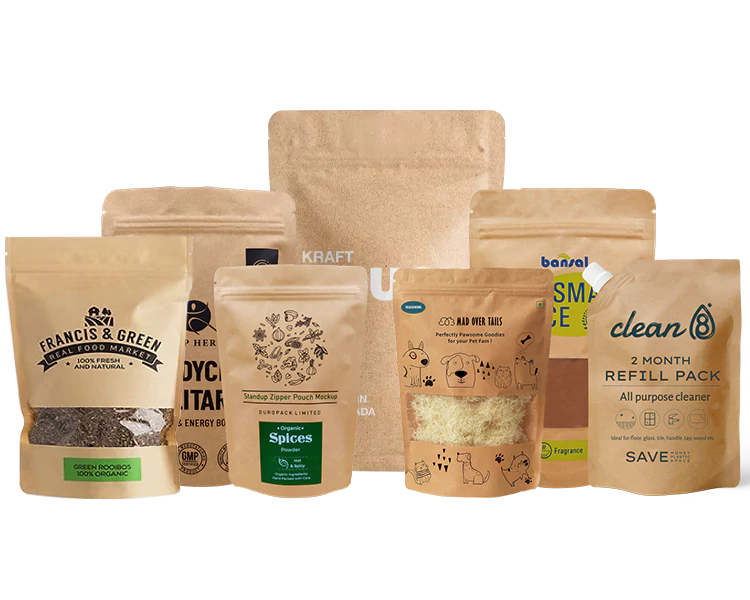
By 2026, sustainable packaging won’t be a “nice-to-have” – it will be the minimum standard. And one format is quietly taking over shelves, e‑commerce, and refill systems alike: kraft stand up pouches.
Why? Because they sit right at the intersection of eco-friendly materials, cost-effective production, and consumer demand for greener choices.
If you’re trying to cut plastic, meet new 2026 packaging regulations, and still keep your products looking premium, kraft stand up pouches might be the smartest move you make this year.
In this guide, you’ll see:
- The biggest sustainable packaging trends for 2026 you can’t ignore
- Exactly why kraft stand up pouches are so popular with both brands and consumers
- How to use kraft pouches to boost your sustainability story without blowing your budget
Ready to see how kraft pouches can help your brand lead the eco-packaging shift instead of chasing it? Let’s get into it.
Navigating Sustainable Packaging Trends 2026
Regulations Pushing Eco-Packaging
By 2026, sustainable packaging regulations are no longer “nice to have” – they’re survival rules.
Governments are tightening laws on:
- Single-use plastics bans and taxes
- Extended Producer Responsibility (EPR) fees on hard-to-recycle packaging
- Mandatory recyclability and recycled-content targets
For any brand we run today, that means we can’t ignore packaging compliance. We have to design with end-of-life in mind from day one or risk fines, delistings, and damaged retailer relationships.
Consumer Demand for Green Packaging
Customers now actively judge brands by their packaging. They want:
- Eco-friendly stand-up pouches and plastic-free alternatives
- Clear “recyclable,” “compostable,” and “FSC certified” claims
- Proof that we’re cutting waste, not just greenwashing
People are willing to switch brands (and often pay a bit more) for biodegradable kraft packaging, recyclable paper pouches, and zero-waste retail packaging that actually feels responsible.
Shift From Rigid to Flexible Packaging
One of the clearest 2026 trends: a major shift from rigid to flexible packaging.
Flexible eco-packaging solutions like stand-up pouches offer:
- Up to 70–80% less material than jars or tubs
- Lower shipping weight and volume
- Better fit for e-commerce and global logistics
For us as brand owners, that means lower costs, fewer breakages, and packaging that fits both retail shelves and parcel boxes.
Circular Economy and Closed-Loop Systems
Sustainability in 2026 is all about the circular economy, not just “less plastic.”
Winning packaging systems:
- Use renewable materials (e.g., kraft paper, certified fibers)
- Are recyclable or compostable in real-world conditions
- Support closed-loop flows where materials go back into new packaging
We’re designing packs to stay in the loop—not end up in landfill or incineration.
Reduced Plastic and Lightweight Design
Brands are under pressure to reduce plastic use and cut carbon footprint at the same time. That pushes us toward:
- Lightweight, paper-based flexible packaging
- Hybrid structures that use minimal plastic layers
- Shipping-friendly, flat and compact pouch formats
Less material means less cost, less carbon, and fewer issues with upcoming plastic reduction targets.
Digital Traceability and Smart Packaging
Sustainable packaging trends for 2026 also include digital traceability:
- QR codes, NFC tags, or digital watermarks linking to sourcing, recyclability, or refilling info
- Batch-level tracking for authenticity and recalls
- Data to prove sustainability claims and support audits
Smart packaging helps us show proof, not promises—something both regulators and eco-conscious customers now expect.
U.S. vs. Europe Sustainability Priorities
Sustainability pressures are global, but priorities differ:
- Europe:
- Stricter rules on recyclability, packaging waste, and plastic reduction
- Strong push for paper-based flexible packaging and clear eco-labeling
- United States:
- Faster movement on state-level EPR laws and recycled-content mandates
- Heavy focus on brand-led sustainability and consumer education
When we choose materials and formats, we now plan by region—so our packaging can comply in Europe, stay competitive in the U.S., and scale globally without costly redesigns.
Why Kraft Stand Up Pouches Are So Popular
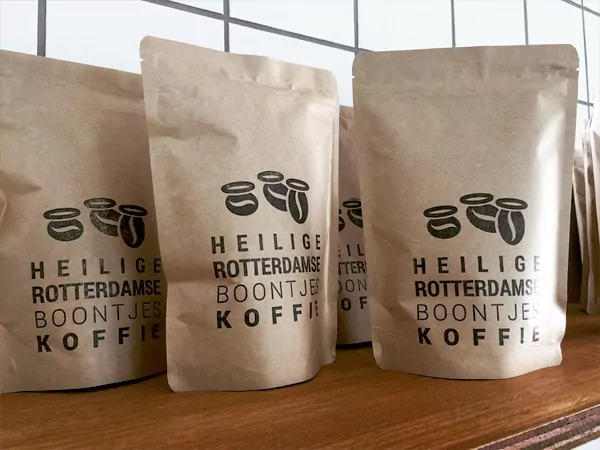
What makes kraft stand up pouches different
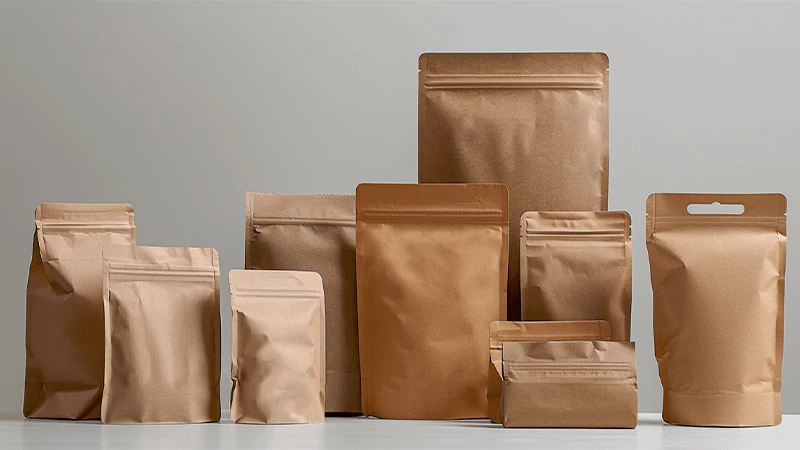
Kraft stand up pouches hit the sweet spot between sustainability, performance, and cost. Compared with rigid plastic or tins, they offer:
- Less plastic, more paper – a clear visual and material shift toward eco-friendly stand-up pouches
- Space-saving design – they ship flat, store flat, and stand up only when filled
- Custom-friendly – easy to print, easy to brand, easy to scale from small batches to mass runs
For global brands, this means lower logistics costs and a clear, visible commitment to green packaging consumer preferences without overcomplicating operations.
Paper-based flexible packaging benefits
Paper-based flexible packaging like brown kraft stand up pouches and kraft paper stand-up pouches delivers:
- Lightweight, shipping-friendly packaging
- Lower carbon footprint vs. glass, tin, or thick plastic
- Better perception with eco-conscious shoppers (paper signals “sustainable” at first glance)
When combined with recyclable or compostable inner layers, they become powerful plastic-free packaging alternatives that still protect food, coffee, snacks, and powders.
Shelf presence and brand storytelling
On the shelf or online, brown kraft zipper bags stand out because they look:
- Natural and honest – the kraft look suggests minimal processing
- Premium yet simple – ideal for specialty coffee, organic snacks, and wellness products
- Story-ready – plenty of print area for origin, sourcing, certifications, and brand values
I use kraft stand up pouches as a branding canvas: certifications like FSC certified kraft paper, “plastic reduced”, “compostable barrier pouches”, and sustainability icons work very well here.
Unboxing experience and tactile feel
The touch and feel of kraft is a big part of why consumers like it:
- The paper texture feels warm, natural, and less “plastic-y”
- The pouch stands up nicely, opens cleanly, and reseals with a zipper
- It makes the unboxing feel more craft, local, and small-batch, even for global brands
For e-commerce, these eco-packaging for e-commerce solutions improve first impressions and help justify a slightly higher price point.
Fit with zero-waste and low-impact lifestyles
Kraft stand up pouches line up well with zero-waste retail packaging and low-impact living:
- Less plastic content vs. traditional multilayer plastic bags
- Options for recyclable paper pouches, home compostable pouches, or compostable food pouches
- Clear sustainability claims that support eco-conscious brand packaging and circular economy packaging strategies
For customers in the U.S., Europe, and other sustainability-focused markets, kraft stand up pouches feel like a responsible default choice—practical, attractive, and aligned with where sustainable flexible packaging in 2026 is heading.
Material and Design Advantages of Kraft Stand Up Pouches
Renewable kraft paper sources and certifications
For our kraft stand up pouches, I always start with renewable, responsibly managed kraft paper. We typically use:
- FSC-certified kraft paper or equivalent responsibly sourced grades
- High-strength virgin or recycled kraft depending on the product and market rules
This gives brands a clear story: paper from legal, traceable, sustainably managed forests, not mystery fibers.
Biodegradable and compostable structures
When customers want plastic-free or low-plastic eco-packaging, we build biodegradable kraft structures:
- Kraft paper + compostable inner films (PLA, PBAT or similar, depending on region)
- Options for industrial compostable and, in some specs, home compostable pouches for dry goods
These compostable barrier pouches are ideal for zero-waste stores, organic food, coffee and tea brands.
Recyclable paper pouch constructions
If your priority is recyclable paper pouches, we can design:
- Paper-first laminations where paper is the main material (by weight)
- Mono-material paper zipper bags that target kerbside paper recycling where accepted
For many markets, these recyclable kraft stand up pouches fit directly into paper recycling streams, making claims easier and clearer on pack.
Barrier options for moisture, oxygen, and grease
The big question is always: “Will it protect my product?” With paper-based flexible packaging, we use:
- Moisture barriers for snacks, powders, pet treats
- Oxygen barriers for coffee, tea, nuts, sensitive foods
- Grease- and oil-resistant layers for fatty or oily goods
We can tune the barrier level so you don’t over-engineer (and overpay) while still hitting your shelf-life and food safety targets.
Stand-up base, gussets, and zipper closures
Our brown kraft stand up pouches are built to be practical on shelf and at home:
- Doypack or flat-bottom bases so bags stand straight in store displays
- Side gussets for better volume and stability
- Resealable zipper closures to keep products fresh and cut down on food waste
For e-commerce, that stand-up design plus zip is a huge win for shipping, storage, and customer convenience.
Clear windows, valves, and spouts
We add functional features to match different product types:
- Clear windows so shoppers can see the product inside (great for snacks, granola, pet treats)
- One-way degassing valves for kraft paper coffee pouches, keeping aroma and freshness while releasing CO₂
- Spouts and fitments for liquids, refills and concentrates – perfect sustainable spout pouches as a lightweight alternative to bottles
These smart design details turn simple brown kraft zipper bags into flexible eco-packaging solutions that work for real-world use, not just for looks.
Environmental impact of kraft stand up pouches
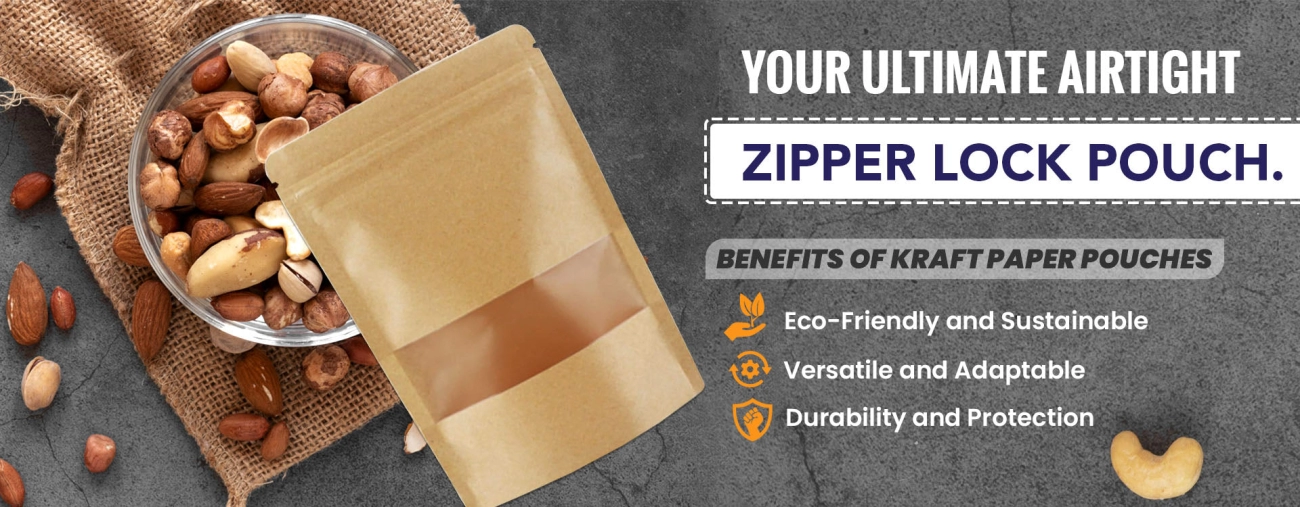
Plastic reduction vs traditional packaging
Kraft stand up pouches cut plastic use hard compared to rigid plastic tubs, glass jars, or tins.
- Less plastic film per pack, often just a thin inner layer or none for dry goods
- Brown kraft stand up pouches and kraft paper stand-up pouches are lighter, so we avoid over-packaging
- For many products, we replace multi-layer plastic with paper-based flexible packaging, immediately lowering overall plastic footprint
Carbon footprint and shipping efficiency
From a logistics point of view, kraft stand up pouches are a win.
- Flat-packed pouches take up far less space in transport and warehousing
- Lower transport weight = lower fuel use and CO₂
- Flexible eco-packaging for e-commerce reduces breakage and returns compared with rigid containers
End-of-life: recycling vs composting
We design every pouch with its end-of-life in mind.
- Recyclable paper pouches: mono-material paper structures that can go into paper recycling where accepted
- Compostable barrier pouches and home compostable pouches: for brands and regions that support organic waste streams
- We clearly mark disposal instructions on pack so customers know if it’s recyclable, industrial compostable, or home compostable
Compliance with global sustainability goals
Our kraft stand up pouch lines are built to mesh with 2026+ sustainable packaging regulations.
- Options using FSC certified kraft paper and renewable materials to support corporate ESG targets
- Structures that meet or anticipate EU, U.S., and other regional rules on recyclability, plastic reduction, and EPR
- Perfect fit for brands reporting on stand up pouch sustainability in their annual sustainability reports
Supporting circular economy packaging systems
We position our kraft stand up pouches as part of a circular economy packaging strategy.
- High paper content improves recovery in existing paper recycling systems
- Lightweight, low-resin designs fit circular thinking better than heavy, mixed-material packs
- Ideal base for future reuse, refill, and zero waste packaging solutions, especially in bulk and zero-waste retail packaging concepts
Cost and scalability for brands
Kraft pouches vs rigid packaging costs
From a pure cost angle, kraft stand up pouches usually beat boxes, tins, and jars:
- Less material per pack = lower unit cost at scale
- Fewer components (no lids, labels, inner trays)
- Brown kraft zipper bags can replace labels with direct printing, cutting extra steps
- For global shipping, lightweight paper-based flexible packaging means big savings on air and sea freight
Production, storage, and logistics savings
With kraft paper stand-up pouches, we save across the whole chain:
- Pouches ship and store flat, so we cut warehouse space and pallet costs
- Faster manual or automatic filling than many rigid formats
- Lower damage and breakage versus glass or hard plastic
- Ideal for eco-packaging for e-commerce where volume and weight kill margins
MOQ and flexibility for all brand sizes
As a Kraft Stand Up Pouches manufacturer, I build lines for both small and global brands:
- Low MOQs for startups testing new SKUs or seasonal drops
- Higher runs for supermarkets and export orders with sharp pricing
- Easy to change formats, sizes, and artwork without retooling heavy machinery
- Custom options like custom kraft stand-up bags, valves, and sustainable spout pouches without crazy setup fees
ROI from sustainable packaging adoption
Switching to eco-friendly stand-up pouches isn’t just a feel-good move, it’s ROI driven:
- Lower packaging and freight costs per unit
- Better shelf impact and higher conversion, especially in sustainable food packaging trends
- Stronger brand story around biodegradable kraft packaging and recyclable paper pouches
- Easier to win listings with retailers who push circular economy packaging and sustainable packaging regulations 2026
Pricing power and willingness to pay more
Globally, we see a clear pattern:
- Eco-conscious shoppers often accept a 5–15% higher price for plastic-free packaging alternatives
- Brands using FSC certified kraft paper, compostable barrier pouches, and home compostable pouches can justify premium positioning
- Clear on-pack claims like “recyclable paper pouch”, “compostable food pouch”, or “renewable material pouch” improve trust and repeat buys
For me, brown kraft paper stand up pouches hit the sweet spot: lower total system cost, scalable production, and real pricing power backed by what global customers actually want today.
Kraft Stand Up Pouches by Industry
Food & Beverage Packaging Trends
For global food brands, kraft stand up pouches and brown kraft zipper bags hit the sweet spot: clean look, strong protection, and less plastic.
They work especially well for:
- Organic, natural, and “free-from” foods
- Ready-to-eat snacks and meal kits
- Eco-packaged e-commerce food shipments
Why brands pick them:
- Lightweight, shipping-friendly packaging
- Strong shelf impact with simple, natural design
- Easy to add claims: eco-friendly, recyclable, compostable
Coffee, Tea & Snack Applications
Kraft paper coffee pouches and tea/snack bags are some of the fastest-growing uses:
- Coffee: kraft stand-up bags with degassing valves, zipper closures, and compostable barrier films
- Tea: flat-bottom or stand-up recyclable paper pouches with windows
- Snacks: nuts, dried fruit, chips, granola in eco-friendly stand-up pouches
Key benefits:
- Aroma + freshness barriers
- Natural “specialty” look that boosts price perception
- Resealable zippers for on-the-go snacking
Powders, Mixes & Dry Goods
For powders and dry mixes, kraft stand up pouches are now a go-to format:
- Protein powders and superfood blends
- Baking mixes, spices, herbs
- Cereals, rice, grains, and beans
Why they work globally:
- Strong, stable base with gussets for easy shelf display
- Moisture and grease barrier options
- Big front panel for branding and clear usage instructions
Personal Care & Cosmetic Uses
More beauty and wellness brands are moving from plastic jars to paper-based flexible packaging:
- Bath salts, soaps, and body scrubs
- Sheet masks and refill packs
- Powder shampoos, tooth powders, and masks
What they gain:
- “Eco-conscious brand packaging” image
- Lower shipping weight vs. rigid bottles and jars
- Room for FSC-certified kraft paper and cruelty-free logos right on pack
Pet Food & Treat Packaging
Brown kraft stand up pouches are ideal for:
- Dog and cat treats
- Small-pet snacks and supplements
- Trial-size and travel packs
Pet brands like them because:
- Strong and tear-resistant structures
- Zippers keep treats fresh and odor-contained
- Natural kraft look fits “healthy, clean-label pet food” messaging
Household & Non-Food Applications
Beyond food, kraft pouches are now used across household and non-food:
- Detergent pods, cleaning powders, and tablets
- Garden seeds and plant nutrients
- DIY kits, craft items, and hardware parts
Why I use kraft stand up pouches for these segments:
- One flexible eco-packaging solution across product lines
- Easy to add spouts, hang holes, or tear notches for function
- Strong alignment with zero-waste retail packaging and refill models globally
As a Kraft Stand Up Pouches manufacturer, I design each format to match the industry: from compostable barrier pouches for food to durable sustainable spout pouches for liquids and concentrates.
Design, Branding, and Customization of Kraft Stand Up Pouches
When I choose Kraft Stand Up Pouches for my own products, design and branding are just as important as sustainability. Here’s how I build strong shelf impact with brown kraft stand up pouches and custom kraft stand-up bags.
Choosing Pouch Sizes and Formats
I match pouch size and format to how customers actually use the product:
- Flat bottom / box pouch – premium coffee, bulk snacks, pet food
- Standard stand up pouch – snacks, tea, powders, dry goods
- Side-gusset kraft paper stand-up pouches – coffee, grains, larger volumes
- Sustainable spout pouches – liquids, sauces, refills, personal care
Flexible eco-packaging lets me adjust quickly for retail, e‑commerce, and refill formats without redesigning everything.
Print Finishes and Brand Aesthetics
Kraft’s natural texture does half the branding work for me:
- Natural brown kraft look for eco-conscious, minimal brands
- Matte or soft-touch finishes for a premium feel
- Spot colors and bold typography to stand out on shelf
- Digital printing for short runs and frequent design changes
This way I can keep the look clean, modern, and clearly eco-conscious brand packaging.
Labeling, Claims, and Certifications
On-pack info matters more than ever, especially with sustainable packaging regulations 2026 coming:
- Clear material claims: “Recyclable paper pouches”, “Biodegradable kraft packaging”, “Home compostable pouches”
- Certifications: FSC certified kraft paper, compostability marks, recycling logos
- Sustainability messaging: CO₂ reduction, plastic reduction, circular economy packaging story
I use the pack as my mini billboard for green packaging consumer preferences and trust.
Windows, Colors, and Natural Kraft Look
With kraft, I balance transparency and protection:
- Clear windows to show product quality (coffee beans, snacks, powders)
- Partial windows to keep enough barrier while still building trust
- Subtle color palettes that keep the paper-based flexible packaging feel
- Uncoated brown kraft when I want that raw, zero-waste retail packaging style
This “what you see is what you get” approach works especially well for food and beverage and coffee, tea, and snack brands.
Functional Add-ons: Tear Notches, Hang Holes, Spouts
Function is non‑negotiable if I want repeat purchases:
- Zipper closures for reclosable brown kraft zipper bags
- Tear notches for clean, easy opening
- Hang holes for peg displays and small formats
- Valves for kraft paper coffee pouches
- Spouts for refill packs, household liquids, and cosmetics
By combining design, branding, and smart features, I turn Kraft Stand Up Pouches into a full-package solution: eco-friendly stand-up pouches that look good, work well, and support the circular economy packaging story that global customers now expect.
Practical Steps to Switch to Kraft Stand Up Pouches
Switching to kraft stand up pouches is straightforward if you follow a clear process. Here’s how I guide brands who move from rigid or non‑eco packs to eco-friendly stand-up pouches.
1. Assess Your Product and Barrier Needs
Start with the product, not the packaging.
- Define what you’re packing: dry snacks, coffee, tea, powders, pet treats, cosmetics, liquids.
- List risks: moisture, oxygen, light, oil/grease, odor, migration.
- Decide shelf life: 3, 6, 12, 24 months?
- Choose structure:
- Simple kraft + inner coating for basic dry goods
- Compostable barrier pouches for greener positioning
- High-barrier kraft paper coffee pouches or aroma products
- Confirm any special needs: freezer-safe, retort, child-resistant, or sustainable spout pouches for liquids.
2. Test Shelf Life and Performance
Never skip testing, especially for food and export markets.
- Run real shelf-life tests in target climates (U.S., EU, Asia, Middle East, etc.).
- Check:
- Crispness, aroma, clumping, color change
- Seal strength, zipper performance, gusset integrity
- Grease bleed-through on brown kraft stand up pouches
- Simulate real use:
- Repeated opening/closing of brown kraft zipper bags
- Drop tests and shipment vibration tests
- Adjust film/barrier or thickness before mass production.
3. Work Closely With Your Kraft Pouch Manufacturer
Your Kraft Stand Up Pouches Manufacturer should feel like a partner, not just a supplier.
- Choose a factory that:
- Specializes in kraft paper stand-up pouches and recyclable paper pouches
- Offers FSC certified kraft paper and renewable material options
- Understands sustainable packaging regulations 2026 (U.S. & Europe)
- Share:
- Product details + markets
- Required certifications (FDA, EU food contact, compostability, recycling marks)
- Brand story and sustainability goals (zero-waste, plastic-free, low-carbon, etc.)
- Ask for:
- Samples of custom kraft stand-up bags with your size and barrier
- Cost breakdown across volumes (small MOQ to large runs)
- Lead times and flexibility for design changes.
4. Check Packaging Line Compatibility and Filling
Your current line might work with small tweaks.
- Confirm pouch format:
- Size, gusset type, stand-up base, zipper style, hang holes, spouts
- Test with your equipment:
- Manual, semi-auto, or fully automatic lines
- Filling speed compared to old packaging
- Sealing temperature + dwell time for clean closes
- Fine-tune:
- Funnel size to avoid clogging with powders
- Pouch support and alignment for stable filling
- Labelers or printers for eco-packaging for e-commerce and retail.
5. Lock in Quality Control and Regulatory Compliance
Quality and compliance are non‑negotiable, especially for global trade.
- Set clear QC checks:
- Paper weight and structure
- Seal strength and zipper function
- Print accuracy and color for branding
- Confirm documentation:
- Food-contact safety (FDA, EU 10/2011, etc.)
- Recyclable, biodegradable, or home compostable pouches certifications where claimed
- Country-specific labeling rules (U.S., EU, UK, Middle East, Asia-Pacific)
- Add on-pack clarity:
- Disposal instructions (recycling vs composting)
- Sustainability icons and claims that match legal standards
- Origin of paper (e.g., FSC certified kraft paper, renewable sources).
When you follow these steps, the move to paper-based flexible packaging is smoother, safer, and fully aligned with what eco-conscious customers worldwide now expect from modern brands.
Measuring Results and Future-Proofing Kraft Stand Up Pouches
Tracking sustainability metrics and KPIs
When we switch to kraft stand up pouches, I always track hard numbers, not guesses:
- Material reduction: % drop in plastic vs previous packaging
- Carbon footprint: CO₂ per pack and per shipment (lighter, flexible eco-packaging usually wins)
- Recyclability / compostability rate: share of packs that are recyclable paper pouches or compostable kraft structures
- Waste reduction: packaging weight per unit sold, pallets per shipment, warehouse space used
- Return / damage rate: how well brown kraft stand up pouches protect products in real life
I usually turn these into simple dashboards so the team can see how kraft zipper pouches and paper-based flexible packaging are performing month by month.
Customer feedback and market response
The market tells us quickly if we got the packaging right:
- Reviews and NPS: do people call out packaging in reviews?
- Repeat purchase: uplift after switching to eco‑friendly stand-up pouches
- Price acceptance: are customers willing to pay slightly more for biodegradable kraft packaging?
- Retailer feedback: shelf presence, merchandising, and compliance with store sustainability rules
I also use on-pack QR codes to collect quick feedback about our brown kraft paper stand up pouch design, reclosable zippers, and unboxing feel.
Aligning with 2026 and future regulations
Sustainable packaging regulations 2026 are getting stricter in the U.S., Europe, and other markets, so I design our kraft paper stand-up pouches to stay ahead:
- Prefer FSC certified kraft paper and renewable material pouches
- Use recyclable paper pouches or compostable barrier pouches where local systems exist
- Make sure claims like “compostable” or “recyclable” match local laws and actual facilities
- Keep specs ready for audits: material breakdown, certificates, test reports
If we plan now, we avoid rushed and expensive redesigns later.
Scaling kraft solutions across product lines
Once kraft stand up pouches work for one SKU, I scale smart, not blindly:
- Build a core set of standard sizes for food, coffee, snacks, powders, and personal care
- Reuse the same gusset, stand-up base, and zipper formats across ranges
- Customize only what matters: print, windows, valves, and spouts
- Work with one main kraft stand up pouches manufacturer globally to lock in cost and quality
That’s how we control cost while rolling out eco-packaging for e-commerce, retail, and export markets.
Preparing for next-gen smart and refill systems
I also future-proof every kraft pouch project so we’re ready for what’s coming next:
- Leave space on pack for QR codes, batch tracking, and digital traceability
- Design kraft paper coffee pouches and food packs that can plug into refill and bulk systems
- Explore sustainable spout pouches for concentrates and refill packs
- Make sure structures fit a circular economy packaging roadmap: reuse, recycle, or compost
If we treat kraft stand up pouches as a long-term platform—not a one-off swap—we stay ahead of trends and protect the brand as regulations, tech, and zero-waste lifestyles keep evolving.