Printable packaging is changing the way you connect with customers and manage your business. Brands now use packaging to boost engagement and improve efficiency. For example, Coca-Cola’s ‘Share a Coke’ campaign used custom labels to increase customer interaction. Nestlé adapted quickly to trends with digital printing. The value of the global packaging industry is set to reach $615.7 billion by 2030.
BN PACK leads this shift by offering customizable packaging solutions that help your brand stand out.
Evolution of Printable Packaging
From Traditional to Digital Printing Packaging
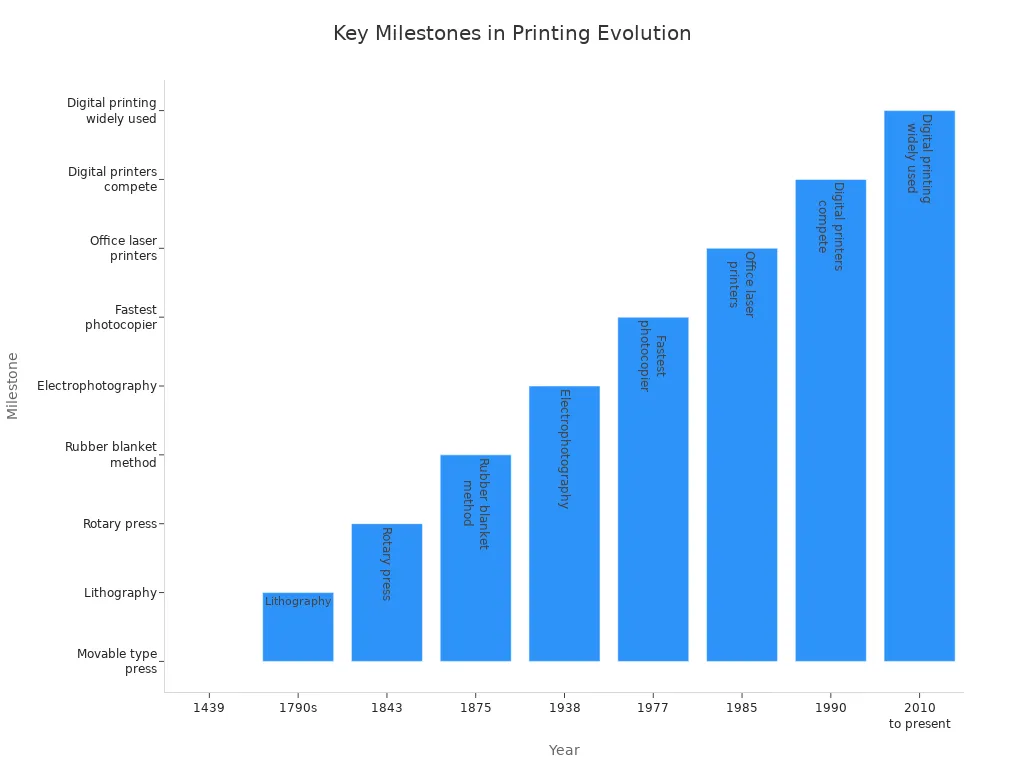
You can see how the packaging industry has changed over time. Early packaging relied on traditional printing methods, which limited design options and slowed production. The invention of the movable type printing press in 1439 marked the start of mass-produced printed materials. Over the centuries, new techniques like lithography and rotary presses improved speed and quality. The table below highlights key milestones that shaped the path from traditional to digital printing packaging:
Year | Milestone Description |
|---|---|
1439 | Johannes Gutenberg invented the movable type printing press, enhancing the speed and accessibility of printed materials. |
1790s | Lithography became a prevalent printing technique using a flat stone or metallic plate. |
1843 | Richard March Hoe developed the rotary press, revolutionizing newspaper printing. |
1875 | A new printing method was introduced, utilizing a rubber blanket for transferring ink. |
1938 | Chester Carlson invented electrophotography, a precursor to modern digital printing. |
1977 | The fastest photocopier was invented, leading to advancements in printing technology. |
1985 | Office laser printers gained popularity, improving print quality and production control. |
1990 | Digital printers began competing with traditional printing labs, redefining corporate printing capabilities. |
2010 to present | Digital printing became widely used, placing traditional methods at a disadvantage. |
Today, digital printing packaging dominates the digital print packaging market. You benefit from faster turnaround times and more flexible design choices. Digital printing allows you to create packaging that matches your brand’s vision and responds quickly to market trends.
Customization Trends
Customization now drives the packaging industry. You can personalize packaging to fit your product and connect with your customers. Digital printing makes it easy to change designs, add limited-edition graphics, or include QR codes for interactive experiences.
3D printing streamlines design and manufacturing, giving you more control over packaging shapes and features.
Smart packaging uses printed electronics, sensors, and QR codes to share real-time information with consumers.
Digital printing packaging supports rapid prototyping, so you can test new ideas and launch products faster.
These advancements help you stand out in a crowded market. Customization and digital printing packaging let you create packaging that is both functional and visually appealing. As the digital print packaging market grows, you gain more tools to build a strong brand and meet changing consumer demands.
Drivers of Change
Consumer Demand
You shape the future of the packaging industry with your preferences and expectations. Today, you want products that reflect your identity and values. Millennials and Gen Z lead this movement. You look for packaging that feels personal and unique. Brands respond by offering customizable packaging with tailored messages and creative designs. High-income shoppers also seek exclusivity through personalized packaging. Digital printing technology makes it easier for brands to meet these demands. Even small businesses can create packaging that stands out, thanks to digital printing.
You expect packaging to enhance your experience.
You prefer designs that connect with your lifestyle.
You value packaging that feels exclusive and special.
Sustainability Focus
You care about the environment and expect brands to follow sustainable practices. Companies now focus on sustainable packaging to meet your needs and comply with stricter regulations. Kodak and other leaders work with partners to develop eco-friendly solutions. The packaging industry sees strong growth in sustainable packaging, especially in food, cosmetics, electronics, and e-commerce.
Evidence | Description |
|---|---|
Market Growth | The international environmentally sustainable packaging industry is predicted to expand beyond USD 350 billion until 2030 at a CAGR of 6-7% per year. |
Industry Contribution | Major industries contributing to this growth include food & beverage, cosmetics, electronics, and e-commerce. |
Consumer Impact | Companies using eco-friendly packaging report higher returns on investment due to brand differentiation and customer loyalty. |
You influence buying decisions by choosing brands that use sustainable packaging. Companies recognize the importance of sustainable practices and adapt quickly to your expectations.
Technology Advancements
You benefit from rapid changes in digital printing technology. The market for digital printing technology will grow from $167.5 billion in 2025 to $251.1 billion in 2035. Smart packaging now includes electronic and sensing devices. These features improve product safety and delivery efficiency, especially in e-commerce.
Smart packaging gives you real-time data about product location and condition during shipping.
Digital printing allows brands to create packaging that matches your needs and responds to trends.
You see less waste and better supply chain management because of these innovations.
Digital printing and smart packaging help brands deliver products that meet your expectations for quality, safety, and sustainability.
Business Benefits
Brand Engagement with BN PACK
You can transform your brand’s presence with printable packaging and packaging customization. BN PACK gives you the tools to create packaging that connects with your customers on a personal level. Custom packaging improves brand recognition by using color psychology, bold typography, and unique shapes. When you choose BN PACK’s coffee bags, you get packaging that tells your brand story and supports consumer personalization. Eco-friendly materials, such as kraft paper and compostable films, show your commitment to sustainability and build trust with your audience.
A unique unboxing experience makes your product memorable. BN PACK designs coffee bags with resealable zippers, transparent windows, and one-way degassing valves. These features create a multi-sensory experience that encourages customers to share their excitement on social media. You can add QR codes to your packaging, linking customers to digital storytelling and product information. This integration of digital printing technology and personalization through digital printing strengthens brand engagement and keeps your customers coming back.
Tip: Use QR codes on your packaging to connect customers directly to your brand’s story, brewing guides, or loyalty programs.
Key ways BN PACK’s packaging boosts brand engagement:
Custom designs increase recognition and emotional connection.
Sustainable materials enhance your brand’s reputation.
Interactive features encourage social sharing and repeat purchases.
Digital printing packaging supports rapid design changes for seasonal or promotional campaigns.
Cost and Efficiency
You can save money and improve your workflow by switching to digital printing packaging. BN PACK’s solutions help you streamline your operations and reduce overhead. Digital printing technology allows you to adapt quickly to market changes, which is essential in the fast-moving packaging industry. You benefit from reduced setup times and lower initial costs, especially for low- and medium-volume runs. Smaller businesses can print without meeting high minimum order requirements, making digital print on demand a practical choice.
Here’s how customizable packaging solutions improve operational efficiency:
Benefit | Description |
|---|---|
Cost Reduction | Streamlining packaging reduces material usage and labor costs, eliminating unnecessary overhead. |
Increased Fulfillment Speed | An efficient packaging process allows faster order fulfillment, meeting customer demands quickly. |
Optimized Storage and Retrieval | Efficient packaging maximizes warehouse space, speeding up stock retrieval and reducing handling time. |
Minimized Packaging Waste | Using the right materials and sizes minimizes waste, lowering disposal costs and supporting sustainability. |
Smarter Inventory Management | Adjusting box sizes improves inventory control, reducing overstock and unnecessary material costs. |
Improved Order Handling | Streamlined packaging simplifies order management, reducing errors and improving shipping accuracy. |
Holistic Process Improvement | Analyzing the packaging process helps identify inefficiencies and bottlenecks, driving improvements. |
Tailored Solutions | Customized strategies ensure packaging aligns with business needs. |
Flexibility for Growth | Streamlined systems adapt to evolving needs, whether scaling operations or expanding product lines. |
Digital printing packaging requires only a computer and printer, which simplifies setup and speeds up production. You avoid the high costs and complexity of traditional printing methods, which need physical plates and longer turnaround times. You can produce small batches and respond quickly to market demands. BN PACK’s coffee bags use lightweight designs that cut material use and shipping emissions. By reducing plastic waste by up to 1 gram per bag, BN PACK helps prevent over 1,800 metric tons of waste annually in the U.S.
Cost savings with digital printing packaging:
Saves costs for low- and medium-volume runs.
Reduced setup time leads to lower initial costs.
Smaller businesses can afford to print without meeting high print thresholds.
Marketing Flexibility
You gain marketing flexibility with digital printing technology and printable packaging. BN PACK’s digital print packaging market solutions let you adjust your packaging quickly for new products, seasonal promotions, or limited-edition releases. You can fulfill short-run orders easily, making it simple to test new designs or respond to trends. Digital printing eliminates the need for tooling, which lowers initial costs and speeds up production.
You can adapt packaging for different product variations without delay.
Quick setup and no minimum order requirements make it easy to launch new campaigns.
Digital printing packaging supports rapid prototyping and market testing.
BN PACK’s certifications, such as ISO9001 and BRC Global Standard for Food Safety, ensure consistent quality and safety. You can choose eco-friendly options like recyclable pouches, biodegradable bags, and compostable packaging. These choices support your brand’s sustainability goals and appeal to environmentally conscious consumers.
Note: Marketing flexibility helps you stay ahead in the packaging industry by responding to consumer personalization trends and changing market demands.
Current Trends in Digital Printing Packaging
Smart Features
You now see smart features becoming a standard in digital printing packaging. Brands use QR codes, NFC tags, and augmented reality to make packaging interactive. When you scan a QR code on a coffee bag, you can access brewing tips, product origins, or loyalty rewards. NFC tags let you tap your phone for instant recipes or promotions. Augmented reality brings your packaging to life with games or virtual tours. These features help you connect with products in new ways and make your experience more personal.
Smart Feature | Functionality |
|---|---|
QR Codes | Access product info and promotions |
NFC Tags | Interactive experiences via smartphones |
Augmented Reality | Engaging consumer experiences |
RFID Transponders | Track and trace products |
Active Packaging | Prolong shelf life |
Advanced Sensors | Monitor product conditions |
Tip: Use smart packaging to share nutritional facts, brewing guides, or even connect with your favorite brands on social media.
Eco-Friendly Materials
You play a big role in the shift toward eco-friendly solutions in the packaging industry. Companies now use recyclable PE-PE films, post-consumer recycled resins, and hydro-soy inks to reduce waste and lower emissions. BN PACK’s coffee bags offer a great example. You can choose digital printing flexible packaging made from compostable kraft paper or recyclable films. These materials keep your coffee fresh and support your sustainability goals. Many brands also use water-based inks for vibrant colors and less environmental impact.
Increased use of recycled and renewably sourced materials
Hydro-soy ink for lower emissions and bright designs
When you pick eco-friendly packaging, you help reduce landfill waste and support a cleaner planet.
E-Commerce Integration
You see e-commerce changing how brands use digital printing packaging. Online shopping demands flexible, high-quality packaging that protects products and delivers a memorable unboxing experience. Digital printing flexible packaging lets you customize each order with unique messages, customer names, or location-based art. BN PACK’s coffee bags can include personalized marketing inserts or QR codes inside the pouch. This approach helps you feel valued and keeps your experience consistent from purchase to delivery.
Digital printing also allows brands to print on the inside of boxes, which helps prevent theft and keeps your package secure. Packages move through the supply chain without extra handling, saving time and costs. You benefit from special designs and quick delivery, while brands maintain control over their image.
Trend | Description |
|---|---|
Web-to-Pack Technology | Streamlines the packaging process for small businesses, enhancing operational efficiency. |
Demand for Personalization | Digital printing responds to younger consumers’ demands for personalized packaging experiences. |
Sustainability | Brands adopt eco-friendly packaging solutions due to regulations and consumer awareness. |
E-commerce Growth | The rise of e-commerce increases demand for flexible, high-quality digital print solutions. |
Customization | Growing demand for personalized marketing strategies and rapid customization in packaging. |
Note: Printable packaging supports both sustainability and e-commerce by offering fast, flexible, and eco-friendly options for every order.
Challenges and Considerations
Implementation Barriers
You may face several challenges when you adopt printable packaging for your business. Extra costs often come with smart features and new materials. You might find it hard to justify the investment because there is not enough data on long-term success. New manufacturing techniques are needed, which can require training and equipment upgrades. Some components in smart packaging are not easy to recycle, which creates sustainability issues. Legal rules can be complex, especially when packaging includes electronics or data collection. Privacy concerns also arise when packaging gathers sensitive information.
Extra cost for smart features and materials
Lack of solid business case for long-term investment
Need for new manufacturing techniques
Sustainability issues with recycling
Legal complexities with regulations
Privacy concerns with data collection
Misconception | Clarification |
|---|---|
Innovative print materials are only for large corporations. | Many cost-effective options exist for small businesses. |
Innovative print materials are harmful to the environment. | Eco-friendly alternatives like recycled and biodegradable substrates are available. |
Innovative print materials are incompatible with existing printing processes. | Advances in digital printing allow for compatibility with many workflows. |
Sustainability Issues
You see sustainability as a major factor in packaging decisions. Companies now focus on eco-friendly materials and practices to meet your expectations and follow regulations. Excess packaging frustrates you and retailers, so brands work to reduce waste. Packaging affects how you view a product and its brand image. Sustainable solutions help companies build trust and loyalty.
Eco-friendly materials and practices are now a priority
Companies respond to consumer and regulatory demands
Excess packaging leads to frustration and waste
Packaging influences consumer behavior and brand reputation
Regulatory changes, such as Extended Producer Responsibility, encourage companies to use recycled materials and take responsibility for the entire lifecycle of their products. This shift drives innovation in printable packaging and supports sustainability goals.
Supply Chain Changes
The transition to digital printing packaging requires major changes in supply chain management. You benefit from increased flexibility, faster response times, and improved efficiency. Near-sourcing strategies help brands produce packaging closer to market demand. Optimized replenishment cycles and reduced minimum order quantities allow companies to match production with actual needs.
Digital printing speeds up the process from design to shipment. You see products reach the market in days instead of weeks. Minimal setup and makeready requirements make this possible.
The global push for sustainability adds pressure to the supply chain. Brands must follow regulations for every part of the product, including packaging, recycling, and disposal.
Digital print technology gives brands control over product lifecycles. You see companies print what they want, when they want, and how they want. This flexibility helps manage run volume, replenishment frequency, and design changes with ease.
You see printable packaging transforming how brands connect with customers and build loyalty. Experts recommend you focus on personalization, sustainability, and digital technology to stay competitive.
Personalize designs to meet consumer expectations
Adopt eco-friendly solutions
Integrate smart features for engagement
BN PACK’s Future Focus | Description |
|---|---|
Sustainability Leadership | Innovates with bio-based and recyclable materials |
Advanced Production | Meets global standards and market needs |
Smart Packaging Integration | Enhances consumer experience |
BN PACK continues to lead the way, helping you create packaging that works for your product and supports a sustainable future.