You have a tough job in packaging. You need to keep products fresh. You also need to meet new rules for sustainability. Picking the right Barrier Films and materials is very important now. More people care about sustainability than before. Almost half of shoppers say it is very important. Many food brands want less waste. They also want to save resources and lower carbon footprints. Using advanced packaging helps protect your product. It also helps you reach these important goals.
Barrier Films in Stand Up Pouches
What Are Barrier Films?
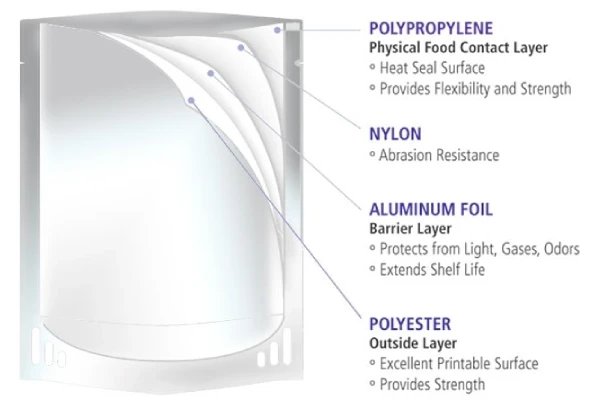
You see barrier films when you grab snacks or coffee in pouches. These films are thin layers made from special materials. They help protect products from things outside the pouch. Stand up pouches use barrier films to keep out water, air, and light. Each film type is good at blocking different things. Some stop air very well. Others block water or light better.
Here is a table that lists the most common barrier films used in stand up pouches:
Barrier Film Type | Thickness | Oxygen Barrier | Moisture Protection | Cost | Shelf Life |
|---|---|---|---|---|---|
EVOH | 5-8 microns | Excellent | Good | Moderate | 18-24 months |
7-9 microns | Maximum | Maximum | High | 18-24 months | |
Metallized PET (VMPET) | Varies | Intermediate | Moderate | Lower | 12-15 months |
You can pick the best film for your product’s needs. EVOH is great for foods that need strong air protection. Aluminum foil gives the best barrier but costs more money. Metallized PET is a good choice if you want to save money and still get some protection.
How Barrier Films Preserve Freshness
Barrier films help keep products fresh for longer. Stand up pouches do more than just hold food. Their shape and seals help keep things inside safe. These pouches keep out air, water, and strong smells.
Stand up pouches use the same barrier films as flat bags.
The pouch shape and seals give extra protection.
Stand up pouches are harder to poke holes in and keep barriers strong.
Tip: Using high-barrier films in stand up pouches can make food last longer and cut down on waste. This helps you give customers fresher products.
When you choose the right barrier films, you keep your product safe and make customers happy. Stand up pouches are a smart way to balance safety, cost, and how your product looks.
Freshness Protection Challenges
Moisture, Oxygen, and Light Barriers
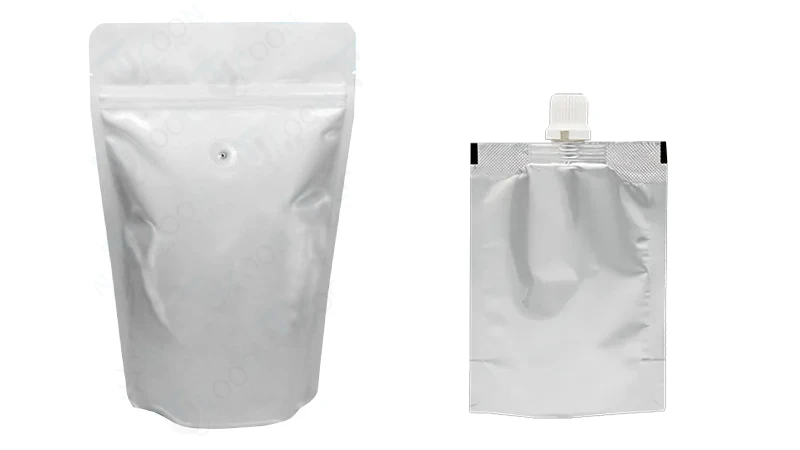
There are three big things that can hurt products in stand-up pouches. These are moisture, oxygen, and light. Each one can damage your product in a special way. Moisture can make snacks soft or cause mold to grow. Oxygen can make food go bad and change how it tastes. Light can ruin vitamins and make colors fade.
Stand-up pouches use special layers to stop these problems. Some pouches have metalized polyester or aluminum layers. These layers keep out light and oxygen. Other pouches use strong plastic films to block water. Different products need different ways to stay safe. You can see this in the table below:
Product Type | Main Challenge | Solution |
|---|---|---|
Coffee | Oxygen and light exposure | Aluminum layer and degassing valve |
Tea | Moisture damage | Moisture barrier below 0.01 g/m²/day |
Pet Food | Seal integrity with oils | Oil-resistant seal layers |
Note: Stand-up pouches can lower product damage by up to 80%. This helps your products stay safe and fresh for a longer time.
Impact on Product Shelf Life
You want your products to last a long time. The right barrier films help a lot. High-barrier materials can make food last 6 to 12 months longer. For example, coffee stays fresh because the pouch blocks oxygen and light. Tea keeps its taste because the pouch stops water. Pet food stays safe because the seal keeps out oils and air.
Here is what experts say about these barriers:
Source | Description |
|---|---|
Elk Packaging | Stand-up pouches use flexible layers to block moisture, oxygen, and light. |
Tricor Braun Flex | Metalized polyester pouches protect against all three threats. |
ProAmpac | These pouches keep products safe from chemicals, light, and moisture. |
You can see that picking the right pouch helps keep your product fresh and good. Every product is different, so you should choose the barrier that fits what you need to protect.
Sustainability in Barrier Films
Environmental Impact of Traditional Films
Most packaging today uses traditional barrier films. These films have many layers of plastic or aluminum. When you throw them away, they go to landfills or get burned. Most recycling centers cannot recycle these films. The layers are hard to pull apart. This is bad for the environment.
New rules want brands to use better packaging. For example, California says packaging must be recyclable. It must be easy to collect and process. Many old materials do not follow these rules. Governments also set recycling goals. One goal is to recycle 30% of plastic by 2028. These rules make brands pick packaging that helps the planet.
It is hard for companies to switch to better packaging. It can cost more money. You must keep products safe and help the environment. Stores do not always want to pay more for green packaging. One expert says:
“There’s definitely a higher cost for the packer [for some sustainable options], and there’s resistance from the retailers to pay any more money for the packaging.”
Eco-Friendly Alternatives and Mono-Materials
Now, you have more green packaging choices. Many brands use biodegradable stretch film. This is a better choice for the earth. Recyclable polyethylene (PE) barrier films are also common. These films are simple and easy to recycle.
Biodegradable stretch film breaks down faster in nature.
Recyclable PE barrier films help recycling programs.
New PE films have fewer layers, so they are easier to recycle.
Mono-material films are another good choice. You can use them for products that do not need strong barriers. Mono-material packaging is easy to recycle. It uses only one kind of plastic. Multi-layer films are still best for strong protection. But they are harder to recycle.
Film Type | Recyclability | Challenges in Recycling |
|---|---|---|
Mono-material films | Generally more recyclable | Simpler structure allows processing |
Multi-layer films | Less recyclable | Difficult to separate materials, higher costs |
People also want more green packaging. Today, 92% of shoppers care about the earth when they shop. More companies want all packaging to be recycled by 2030. This shows that you and your customers care about the future.
Balancing Freshness & Sustainability with BN PACK
BN PACK’s Stand Up Pouches: Features & Materials
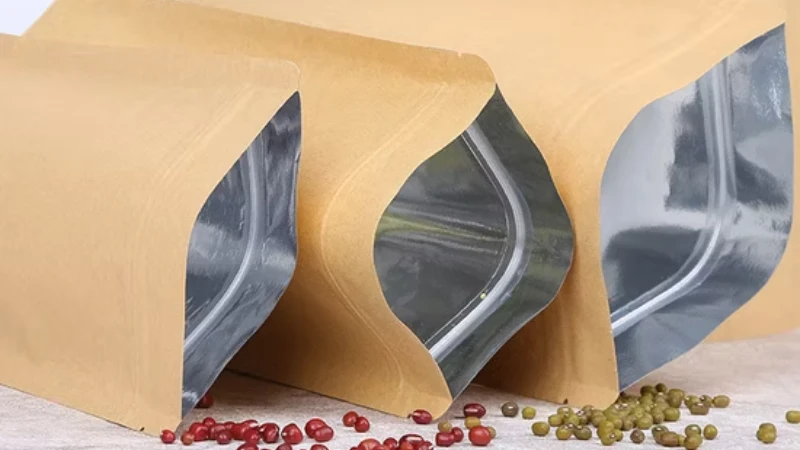
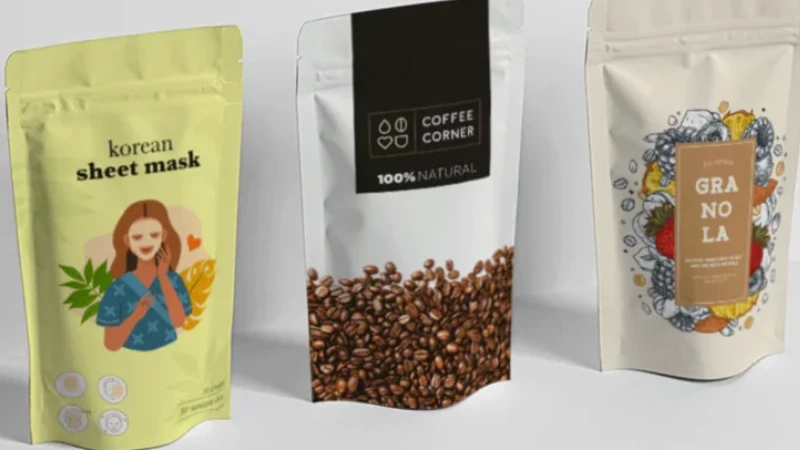
You want packaging that keeps food fresh and helps the planet. BN PACK’s stand up pouches do both jobs well. These pouches use food-safe materials approved by the FDA. You can use them for snacks, coffee, or protein powder. The pouches have kraft paper on the outside and sealant layers inside. This design helps the pouch handle hot and cold temperatures. The inner layers keep food fresh for a longer time.
Here is a table that shows how BN PACK’s pouches protect food and keep it fresh:
Feature Description | Benefit |
|---|---|
Material Composition | Made with FDA approved food grade material, ensuring safety for food products. |
Design Attributes | Kraft paper lined with sealant layers to withstand temperature fluctuations. |
Freshness Protection | Inner layers protect contents and help maintain freshness for longer periods. |
BN PACK uses materials that are better for the environment. You can pick recyclable mono-materials like PE or PP. Compostable bio-plastics like PLA and PBAT break down in nature. Kraft paper comes from responsible sources and has bio-based linings. These choices help you reach your green goals and keep food safe.
Material Type | Description |
|---|---|
Recyclable Mono-materials | Includes materials like PE or PP that can be recycled. |
Compostable Bio-plastics | Comprises PLA and PBAT, which break down naturally. |
Responsibly Sourced Kraft Paper | Features bio-based inner linings for enhanced sustainability. |
Multi-Layer vs. Mono-Material Solutions
You need strong protection for things like protein powder. Multi-layer pouches use different plastics to block air, water, and light. These layers work together to make food last longer. You get great protection for foods that need to stay fresh for months.
Mono-material pouches are easier to recycle. You can use them for foods that do not need the strongest protection. Some new mono-materials are better at blocking air and water. But multi-layer pouches still work best for liquids and sensitive foods. You can pick what fits your product and your green goals.
Tip: Multi-layer pouches are best for protein powder and other sensitive foods. Mono-material pouches help you be greener for foods that do not need the strongest barrier.
Innovations in Recyclable and Compostable Films
BN PACK is a leader in new packaging ideas. You can choose pouches with special recyclable or compostable films. The ReGen line uses mono-material polypropylene films with mineral barriers. These pouches can go in curbside recycling and lower CO2 by 40% compared to multi-layer pouches. The EcoLock line has compostable coffee bags with PLA valves. These bags break down in 12 weeks in special composting places.
Innovation | Description |
|---|---|
ReGen | A line of recyclable coffee bags made from a mono-material structure of polypropylene films with mineral-based barriers, allowing for curbside recycling. Reduces CO2 emissions by 40% compared to multi-layer laminates. |
EcoLock | Compostable coffee bags that include biodegradable PLA valves, certified for industrial composting, decomposing within 12 weeks under controlled conditions. |
You can see real results with BN PACK’s pouches. A coffee shop owner in Sweden had 80% fewer complaints about stale coffee after switching to BN PACK valve kraft bags. More people bought coffee again, with sales up 45% in three months. The TerraRange has compostable coffee bags that break down into safe material in 26 weeks. The RevoCycle line uses 100% recycled rPET and oxygen blockers. This keeps food fresh for 18 months and stops 3.2 tons of plastic from reaching the ocean for every 10,000 bags made.
A coffee shop owner in Sweden had 80% fewer complaints about stale coffee after using BN PACK valve kraft bags, and saw 45% more repeat buyers in three months.
BN PACK’s TerraRange has compostable coffee bags that break down into safe material in 26 weeks, and work for home or industrial composting.
The RevoCycle line uses 100% recycled rPET and oxygen blockers to keep food fresh for 18 months, stopping 3.2 tons of plastic from reaching the ocean for every 10,000 bags.
BN PACK’s stand up pouches help you keep food fresh and protect the earth. You get packaging that keeps food safe and meets your green goals. You can see success stories from brands like McCormick and Materne. McCormick used BN PACK’s skillet sauce pouches with special spouts. This helped them stand out and sell more. Materne’s GoGo squeeZ pouches are healthy, easy to carry, and not messy. Their focus on recycling made them popular in the U.S.
Customer | Product | Key Features | Impact |
|---|---|---|---|
McCormick | Skillet Sauce | Award-winning design, die-cut spout, easy pour | Differentiated in competitive market, expanded offerings |
Materne | GoGo squeeZ | Healthy, portable, no-mess snack, recyclable efforts | Warm reception in U.S., focus on sustainability |
You can use BN PACK’s pouches for protein powder, snacks, coffee, and more. You get strong protection and help the planet. You help your brand stand out and do good for the earth.
Choosing the Right Barrier Film
Product Needs and Shelf Life
You must pick packaging that fits your product. Every product has different needs. Some foods go bad fast. Others can last much longer. Shelf life means how long food stays safe and fresh. If you want food to last, use a strong barrier film. High-barrier films keep out water and air. This helps food stay good and safe. You also throw away less food and help shoppers store food at home.
When picking a barrier film, think about these things:
What types of barrier films work for your product
How well each film keeps out water and air
How long you want your food to last
What industry your product is in
Ways to make packaging special for your brand
How customers feel after using your packaging
If you sell snacks, coffee, or pet food, you may need a different barrier than if you sell electronics. High-barrier films help you send products far and keep them on shelves longer. This means fewer old products and less restocking.
Tip: Always check how long your product should stay fresh. The right barrier film can really help with quality and happy customers.
Cost, Performance, and Sustainability Goals
You want packaging that fits your budget and green goals. High-performance barrier films often use many layers of plastic. These protect food well but are not easy to recycle. Eco-friendly choices, like mono-material films or bio-based coatings, are better for the earth. They can be recycled or break down in nature. Prices and features are different, so you must balance cost and how well it works.
Here is a table to help you compare key factors:
Factor | Description |
|---|---|
Regulatory Compliance | Many countries now want packaging that can be recycled or breaks down. |
Consumer Demand | Shoppers want brands to use green packaging. |
Technological Innovations | New materials make green packaging stronger and more useful. |
Cost Dynamics | Green options are getting cheaper. |
Corporate Sustainability Goals | Many companies want to use more earth-friendly packaging. |
New science helps green films work better. You can now find green choices that protect your product and help the planet. If you are not sure, ask packaging experts like BN PACK. They can help you pick the best film for your needs and your brand.
To keep products fresh and help the planet, you should:
Figure out what your product needs.
Think about how it will be stored and shipped.
Make sure you follow rules and green goals.
Check if the packaging works well with your product.
Look at both the price and how well it works.
Ask experts for advice that fits your needs.
Remember, the packaging you pick affects your product and the earth. Working with companies like BN PACK gives you strong, affordable, and custom choices. Learn about new barrier films and technology to keep your packaging fresh and good for the planet.