Sustainable packaging has become a driving force in the global market as brands seek innovative trends to reduce environmental impact and meet consumer expectations. BN Pack leads the way in flexible packaging solutions, delivering reliable and eco-friendly options trusted by top brands worldwide.
Segment | Market Size 2024 (USD) | Market Size 2034 (USD) | Annual Growth Rate (%) | Key Insights |
|---|---|---|---|---|
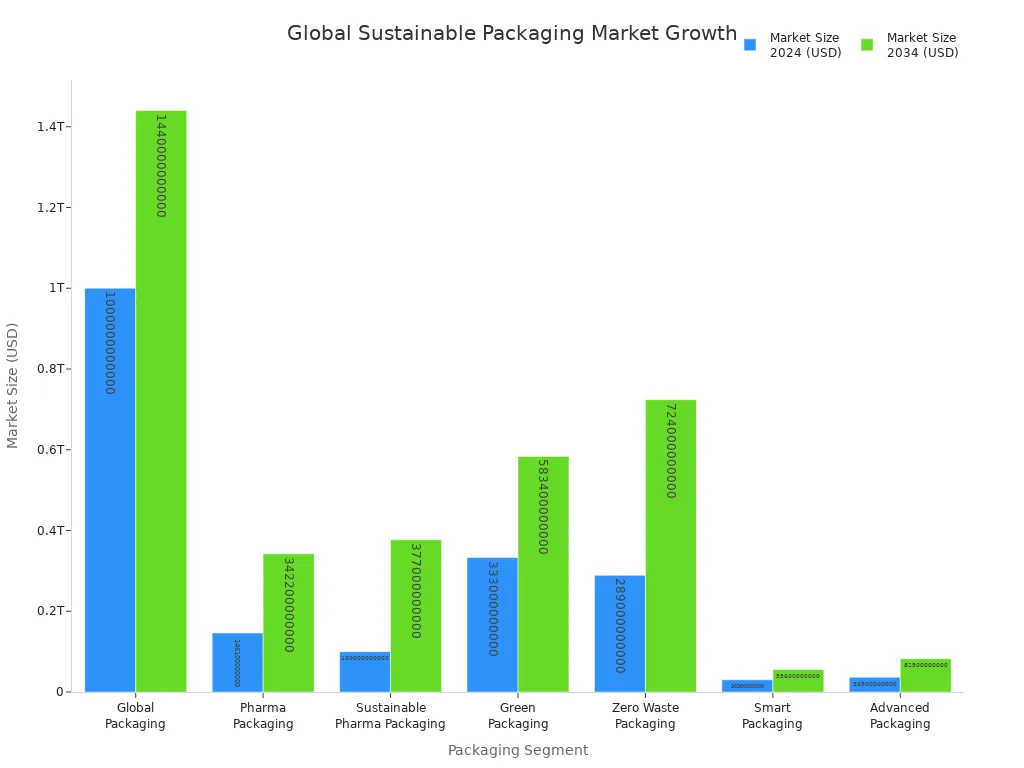
Global Packaging Market | 1 trillion | 1.44 trillion | 3.2 | Sustainability and innovation drive overall growth. |
Green Packaging Market | 333 billion | 583.4 billion | 5.8 | Demand for sustainable packaging materials increases rapidly. |
Zero Waste Packaging Market | 289 billion | 724 billion | 9.6 | Focus on waste reduction and sustainability fuels expansion. |
As the market evolves, businesses that embrace these changes will strengthen their brand value and meet consumer demands for responsible choices.
Flexible Packaging Overview
What Is Flexible Packaging
Flexible packaging refers to packaging solutions made from pliable materials such as plastic films, paper, or biopolymers. These materials allow the packaging to bend, fold, or compress, making them ideal for a wide range of products. Flexible packaging includes items like stand-up pouches, vacuum bags, and laminated tubes. Companies choose flexible packaging for its adaptability, cost-effectiveness, and ability to protect products during storage and transport.
Feature | Flexible Packaging | Rigid Packaging |
|---|---|---|
Structure | Pliable, space-saving | Firm, maintains shape |
Materials | Plastic, polypropylene, paper, biopolymers | Glass, metal, cardboard, hard plastics |
Weight | Lightweight, reduces shipping costs | Heavier, increases shipping costs |
Customizability | Easily modified, printable | Less customizable |
Supply Chain Impact | Space-efficient, cost-effective | Bulkier, higher costs |
Environmental Impact | Lower carbon footprint, more sustainable options | Higher carbon footprint |
Flexible packaging plays a vital role in modern supply chains. Its lightweight nature allows companies to transport more products per shipment, saving on fuel and reducing emissions. BN Pack, with over two decades of experience, specializes in creating flexible packaging that meets the needs of global brands across food, electronics, and specialty sectors.
Sustainability Benefits

Flexible packaging offers several sustainability advantages over traditional rigid packaging. Its design uses fewer raw materials, which reduces resource extraction and waste. The lightweight structure lowers transportation energy and greenhouse gas emissions. Manufacturing flexible packaging also requires less water and fossil fuel compared to glass or metal containers.
Metric | Flexible Packaging (Stand-up Pouch) | Rigid Containers (Steel/HDPE) | Sustainability Benefit |
|---|---|---|---|
Water Consumption | Baseline | Up to 16x more | Less water used in production |
Greenhouse Gas Emissions | Baseline | Up to 7x more | Lower GHG emissions |
Fossil Fuel Consumption | Baseline | Up to 518% more | Reduced fossil fuel use |
Transportation Efficiency | 1 truckload = 15-25 truckloads rigid | N/A | Fewer trucks, less fuel, lower emissions |
Product-to-Package Ratio | ~96% product / 4% packaging | ~83% product / 17% packaging | Less packaging waste |
Flexible packaging’s high barrier properties help extend shelf life and reduce food spoilage. Features like resealable closures further minimize waste. Industry trends show a shift toward flexible formats as brands seek to lower their environmental impact and meet consumer demand for sustainable solutions. BN Pack leads this movement by offering innovative, eco-friendly packaging options that support a circular economy and responsible business practices.
Innovative Trends
The flexible packaging industry is experiencing a wave of innovative trends that are transforming how brands approach sustainability, performance, and consumer appeal. Companies like BN PACK lead this movement by offering a diverse portfolio of advanced materials and eco-friendly solutions. These trends focus on reducing environmental impact, enhancing product protection, and meeting evolving market demands.
Sustainable Materials
Sustainable materials have become a cornerstone of innovative trends in flexible packaging. BN PACK utilizes a variety of eco-friendly substrates, including plant-based films, paper-based packaging, and compostable laminates. These materials help brands lower their carbon footprint and support a circular economy.
Life cycle assessments show that flexible packaging made from sustainable materials uses less water and energy than traditional rigid containers. For example, a flexible pouch for laundry detergent pods generates over seven times fewer greenhouse gas emissions than a rigid PET container. High-density polyethylene (HDPE) bottles for motor oil require more than five times the water compared to flexible pouches. These findings highlight the environmental benefits of switching to flexible formats.
BN PACK’s product range includes:
Kraft paper pouches for coffee, tea, and pet food
Rice paper bags for premium packaging
Cornstarch-based films for food containers and cutlery
Mushroom packaging for cushioning fragile items
Edible packaging made from seaweed, rice, or starch
Sustainable materials such as biodegradable polymers, cellulose, and starch-based films naturally decompose, reducing landfill waste and pollution. Brands that adopt these materials demonstrate a commitment to responsible business practices and environmental stewardship.
Biodegradable Options
Biodegradable packaging represents one of the most significant innovative trends in the sector. BN PACK offers a comprehensive selection of biodegradable solutions, including PLA (polylactic acid), starch-based films, and bagasse (sugarcane pulp) materials. These options break down naturally, enriching soil and minimizing environmental impact.
Recent advancements in biodegradable materials include nano-cellulose, plant protein-based films, and algae-based plastics. These innovations deliver improved mechanical strength and barrier properties, making them suitable for food packaging, shipping bags, and agricultural films.
Advancement Category | Description | Real-World Applications and Benefits |
|---|---|---|
New Biodegradable Materials | Nano-cellulose, plant protein-based films, PHAs, algae-based plastics with improved mechanical and barrier properties | Food packaging (fruits, vegetables, beverages), biodegradable stickers, shipping bags, agricultural films |
Manufacturing Processes | Optimized injection molding, extrusion, blow molding, additive manufacturing (3D printing) | Enhanced production efficiency, customization, complex shapes, reduced waste |
Functional Improvements | Nanocomposites and multilayer films for barrier properties; active packaging with antimicrobial agents; biodegradable inks and adhesives; edible coatings | Extended shelf life, improved food safety, environmental friendliness, real-time product monitoring |
Active and Intelligent Packaging | Integration of sensors (temperature, humidity, freshness), oxygen scavengers, moisture absorbers, antimicrobial agents | Real-time monitoring of product condition, shelf life extension, consumer and business data insights |
Corporate Adoption | Companies like Unilever and Nestlé committing to biodegradable packaging by 2025 | Meeting sustainability goals, regulatory compliance, brand image enhancement |
Market Trends | Cost reductions in PHA production, growing market size projected to $140.6 billion by 2029 | Increased availability and competitiveness of biodegradable packaging solutions |
BN PACK’s biodegradable product line features:
100% biodegradable stand-up tea bags
Biodegradable chocolate packaging bags
Biodegradable dog food bags
Biodegradable weed packaging pouches
PLA films, a key component in BN PACK’s offerings, provide strong barrier properties against water vapor, oxygen, and UV light. These films exhibit tensile strengths up to 58 MPa and remain flexible above their glass transition temperature. Starch-based bioplastics, enhanced with plasticizers, deliver mechanical strength and flexibility suitable for a wide range of applications.

Recyclable Solutions
Recyclable flexible packaging solutions continue to gain traction as one of the leading innovative trends in the industry. BN PACK supports this shift by offering recyclable films and laminates that help brands reduce waste and meet regulatory requirements.
A recent life cycle assessment demonstrates that recycling flexible packaging waste, such as plastic bags and meal boxes, significantly reduces greenhouse gas emissions and external costs. Recycling one ton of packaging waste can lower emissions by an average of 348.1 kg CO2-equivalent and decrease external costs by 376.7 euros compared to incineration. If all packaging waste is recycled, over 60% of total greenhouse gas emissions and about 80% of external costs associated with waste management can be avoided.

BN PACK’s recyclable solutions include:
Kraft paper bags with windows for food and retail
Recyclable plastic films for snacks and dry goods
Paper-based laminates for premium products
The effectiveness of recyclable flexible packaging depends on mature collection systems and supportive policies. Brands that invest in recyclable solutions not only reduce their environmental impact but also align with consumer expectations and regulatory trends.
The adoption of sustainable materials, biodegradable options, and recyclable solutions reflects the most important innovative trends shaping the future of flexible packaging. BN PACK remains at the forefront, helping brands achieve their sustainability goals while delivering high-performance packaging that protects and promotes their products.
Advanced Structures
Composite Materials
Advanced composite structures play a crucial role in modern flexible packaging. BN PACK leverages these technologies to deliver packaging that protects products and extends shelf life. Composite materials combine several layers, each with unique properties, to create packaging that meets strict industry standards.
Multilayer films often include polyamide for strong oxygen barriers and polyethylene for moisture resistance. These layers work together to keep food fresh, preserve aroma, and maintain appearance. Puncture resistance ensures packaging integrity, even with sharp or irregularly shaped products. Active packaging systems can absorb oxygen or moisture, or release antimicrobial agents, further extending shelf life and reducing spoilage.
Flexible packaging can extend the shelf life of perishable foods dramatically. For example:
Grapes: from 7 to 70 days
Green beans: from 7 to 19 days
Cheese: from 190 to 280 days
These improvements help reduce food waste and support sustainability goals.
BN PACK’s composite solutions include plastic-plastic, plastic-paper, and plastic-aluminum structures. Each type offers tailored protection for different products, from snacks to electronics.
Barrier Properties
Barrier properties are essential for maintaining product quality and safety. Flexible packaging must block moisture, oxygen, and light to prevent spoilage and preserve freshness. High-density polyethylene and foil laminations provide excellent moisture barriers for sensitive products. Oxygen barrier materials protect chips and other snacks from quality loss.
Barrier Type | Material Example | Product Application |
|---|---|---|
Moisture Barrier | HDPE, Foil Laminates | Nutritional mixes, grains |
Oxygen Barrier | Polyamide, Aluminum | Chips, cheese, coffee |
Light Barrier | Metalized Films, Foil | Dairy, oils, spices |
Advances in nano-based materials and clear barrier films offer new ways to meet food safety and quality standards. BN PACK ensures all adhesives and layers comply with strict regulations, preventing migration of harmful substances. These innovations help brands maintain shelf life, reduce waste, and meet consumer expectations for safe, sustainable packaging.
Advanced composite structures and barrier technologies from BN PACK set new standards for product protection, shelf life, and sustainability in flexible packaging.
Smart Packaging
Intelligent Features
Smart packaging transforms traditional packaging into an interactive and data-rich solution. BN PACK integrates advanced technologies to enhance product safety, traceability, and consumer engagement. Companies now embed ultra-thin flexible electronics, such as FlexICs, into packaging materials. These electronics support features like RFID, NFC, and printed QR codes, making it easy to track products and access information instantly.
Key intelligent features in flexible packaging include:
QR codes and NFC tags: Enable consumers to scan packaging for instant access to product details, origin, and usage tips.
Sensors: Monitor temperature and humidity, providing real-time alerts if products experience unsafe conditions.
Serialisation: Assigns unique codes to each package, supporting anti-counterfeiting and supply chain transparency.
Active packaging: Uses oxygen scavengers and antimicrobial coatings to extend shelf life and reduce food waste.
Technology / Feature | Description / Application |
|---|---|
QR codes, RFID tags, NFC | Enable tracking, traceability, supply chain visibility, and instant consumer access to product info |
Printed electronics, sensors | Embedded in packaging for monitoring conditions like temperature, humidity, spoilage |
Consumer engagement | Augmented reality, gamification, personalized content to enhance user interaction |
Sustainability focus | Use of recyclable materials combined with smart functions to meet consumer and regulatory demands |
Smart packaging also supports sustainability. BN PACK designs these features to work with recyclable and biodegradable materials, ensuring that innovation does not compromise environmental goals.
Digital Printing
Digital printing brings a new level of customization and efficiency to flexible packaging. BN PACK uses digital printing to create vibrant, high-resolution graphics and variable data on each package. This technology allows brands to personalize packaging, print unique QR codes, and update information quickly without large print runs.
Digital printing supports traceability by linking each package to a unique digital identifier. Brands can track products through the supply chain and manage recalls more effectively. Consumers benefit from interactive experiences, such as scanning a QR code to learn about product origins, nutritional facts, or recycling instructions.
Smart packaging technologies from BN PACK deliver real-time monitoring, improved safety, and deeper consumer engagement. These innovations help brands build trust, protect product quality, and support a more sustainable future.
Lightweighting
Material Reduction
Lightweighting stands as a leading trend in flexible packaging. Companies now focus on using less material without sacrificing performance. BN PACK engineers packaging that achieves this balance, offering thinner films and optimized pouch designs. These solutions help brands meet sustainability targets and reduce costs.
Reducing material use in packaging brings several advantages:
Companies that use less material and incorporate recycled content see both environmental and financial benefits.
Brands adopting sustainable packaging often experience improved reputation and can charge a premium for their products.
Material reduction supports circular economy goals by increasing the use of recycled content and improving material circularity.
Lower material usage means less waste generated at the end of a product’s life cycle.
Sustainability Metric | Impact of Material Reduction in Flexible Packaging |
|---|---|
Fossil Fuel Reliance | Reduces reliance on virgin fossil fuels, especially with recycled content, lowering greenhouse gas emissions. |
Material Usage | Efficient design and less material help avoid resource overuse and decrease waste. |
Carbon Footprint | Less material leads to lower emissions, including during transportation. |
Material Circularity | Combining material reduction with recycled content promotes a circular economy. |
End-of-Life Considerations | Minimizing material supports better waste management and reduces environmental impact at disposal. |
Cost and Brand Benefits | Reduces costs and enhances brand reputation by aligning with sustainability goals. |
Brands that focus on lightweighting often lead the way in sustainability transformations, even though only a small percentage of companies succeed in these efforts.
Transportation Impact
Lightweight packaging directly improves transportation efficiency. BN PACK’s lightweight solutions allow companies to ship more products per load, reducing the number of trips required. This optimization lowers fuel consumption and cuts carbon emissions.
Lighter packaging reduces shipping and handling costs, saving money over time.
More products fit into each shipment, maximizing vehicle capacity and minimizing trips.
Lower weight means less fuel burned, which decreases greenhouse gas emissions.
Improved logistics efficiency results from better use of storage and shipping space.
Manufacturing emissions and waste also drop when less material is used.
Studies show that every kilogram of packaging weight added increases the carbon footprint due to higher fuel use during transit. By choosing lightweight flexible packaging from BN PACK, brands not only cut costs but also support eco-friendly goals and regulatory compliance. This approach helps companies meet growing consumer demand for sustainable products while maintaining operational efficiency.
Customization
Resealable Designs
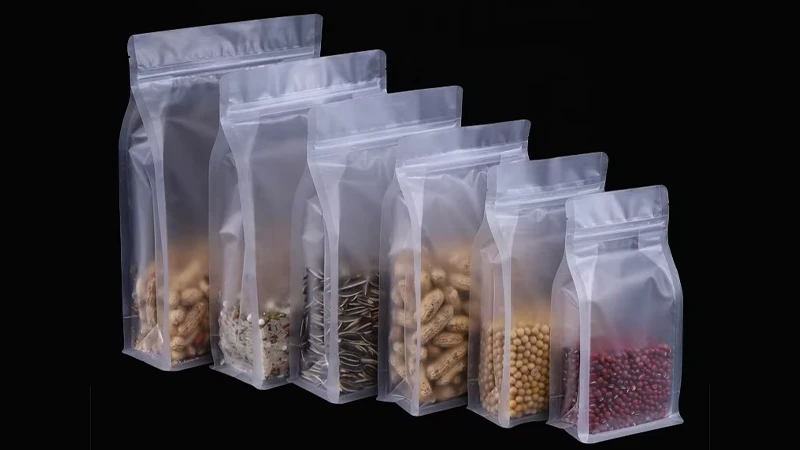
Resealable packaging has become a standard for modern flexible packaging. BN PACK offers a wide range of resealable options, including zippers, sliders, and press-to-close seals. These features allow consumers to open and close packages multiple times without losing freshness or product integrity. Resealable designs help prevent spills and keep food safe from moisture and contaminants.
Consumers appreciate packaging that fits their busy lifestyles. Easy-open tabs and secure closures make products more convenient to use at home, work, or on the go. Resealable pouches also support portion control, allowing users to take what they need and save the rest for later. This reduces food waste and extends shelf life.
Resealable packaging not only improves convenience but also supports sustainability goals. By keeping products fresh longer and minimizing waste, brands demonstrate a commitment to responsible practices.
Brand Appeal
Customizable packaging plays a vital role in building strong brand identity and attracting customers. BN PACK enables brands to choose unique shapes, colors, and finishes that reflect their values and stand out on crowded shelves. Personalized designs create emotional connections with consumers and encourage repeat purchases.
Custom shapes and vibrant colors help products catch the eye and communicate brand personality.
User-friendly features, such as resealable closures, increase customer satisfaction and foster loyalty.
Interactive elements, like QR codes or augmented reality, engage consumers and provide extra product information or entertainment.
Minimalistic and clean designs build trust and improve brand recognition.
Sustainable packaging that can be reused or repurposed appeals to eco-conscious shoppers.
Recent consumer studies show that innovative, customizable packaging combining aesthetics, functionality, interactivity, and sustainability significantly boosts brand appeal and enriches user experience. BN PACK’s custom pouch solutions help brands deliver memorable experiences while supporting environmental goals.
Regulatory Drivers
Compliance Trends
Regulatory changes shape the future of flexible packaging. Governments and industry groups set new standards to reduce waste and promote sustainability. Companies must adapt quickly to stay competitive and compliant. The table below highlights the latest regulatory trends and market shifts influencing sustainable packaging worldwide:
Regulatory Trend / Market Shift | Description / Impact |
|---|---|
Extended Producer Responsibility (EPR) | Drives packaging sustainability and waste reduction globally. |
Post-Consumer Recycled Materials Adoption | Nearly half of companies now use recycled materials in packaging. |
FSC Certification | Number of certified companies doubled since 2019, supporting sustainable paper sourcing. |
Water-Based Adhesives | Adoption grows to improve recyclability; market expanding rapidly. |
Simplifies recycling; market expected to nearly double by 2034. | |
Supply Chain Localization | Most companies localize production to meet regional rules and cut environmental impact. |
Regional Regulations | North America, Europe, and Asia-Pacific set strict recycling targets and promote circular economy. |
BN PACK ensures compliance with these evolving standards by using a rigorous three-stage quality inspection process. The company holds certifications such as ISO9001, FSC, OK COMPOST HOME, BRC, and FDA. BN PACK uses certified eco-friendly materials, water-based inks, and mono-material designs to meet global requirements. Their packaging features clear recycling symbols and traceability for all eco-certifications, supporting transparency and consumer trust.
Flexible packaging in major markets must meet safety, environmental, labeling, and waste management regulations. In the U.S., the Fair Packaging and Labeling Act and FDA rules require accurate labeling and safe materials. The European Union enforces the Packaging and Packaging Waste Directive, focusing on design, recyclability, and waste reduction. These rules ensure consumer safety and environmental protection.
Market Demand
Consumer expectations drive rapid innovation in sustainable packaging. People want packaging that is safe, eco-friendly, and convenient. Companies respond by developing lighter, more compact packaging that reduces CO₂ emissions and landfill waste. Many brands now use biodegradable and compostable materials to meet these demands.
Key market trends include:
Demand for resealable, portable, and easy-to-carry packaging.
Growth of eCommerce, requiring tamper-evident and protective packaging.
Desire for transparency, with clear labeling and certifications.
Preference for customizable, visually appealing designs.
Focus on product safety, with advanced barrier technologies.
Millennials and Gen Z lead the shift toward sustainable packaging. Their choices push brands to adopt recyclable, recycled-content, and innovative flexible packaging solutions. BN PACK’s commitment to compliance and market-driven design helps brands stay ahead in a changing regulatory and consumer landscape.
Innovative trends in flexible packaging drive measurable sustainability gains for brands worldwide. Companies adopting BN PACK’s solutions report up to 60% less plastic waste and a 30% drop in carbon emissions. Case studies show flexible packaging reduces landfill waste and resource use across industries. Experts recommend brands embrace biodegradable materials, smart packaging, and ongoing collaboration to stay ahead. For tailored strategies, businesses can consult with BN PACK’s team or industry specialists to advance their sustainable packaging goals.
Case Study / Report Title | Product Category / Focus | Key Sustainability Outcomes |
|---|---|---|
Glenroy STANDCAP Pouch vs. Rigid Plastics | Sauces, Condiments, Personal Care | Reduced carbon footprint, fossil fuel use, water consumption, and landfill waste compared to rigid packaging |
Flexible Packaging in Food Waste Reduction | Food Distribution and Retail | Flexible packaging helps reduce food waste, mitigating GHG emissions and resource use in the food supply chain |
FAQ
What makes flexible packaging more sustainable than rigid packaging?
Flexible packaging uses fewer raw materials and less energy during production. It also reduces transportation emissions because of its lightweight design. Brands that choose flexible packaging often see a lower carbon footprint and less waste.
Which eco-friendly materials does BN PACK offer?
BN PACK provides a range of sustainable materials. Options include kraft paper, rice paper, PLA (polylactic acid), and starch-based films. These materials support compostability, recyclability, and reduced environmental impact.
How does smart packaging improve product safety?
Smart packaging features, such as sensors and QR codes, help monitor product conditions and provide traceability. These technologies alert users to temperature changes or tampering, ensuring product quality and safety throughout the supply chain.
Can flexible packaging be customized for different products?
Yes, BN PACK offers extensive customization. Clients can select pouch shapes, sizes, finishes, and resealable features. Custom printing and interactive elements, like QR codes, help brands enhance shelf appeal and consumer engagement.
Does BN PACK comply with international packaging standards?
BN PACK meets ISO9001, BRC, FSC, and FDA standards. The company uses certified materials and follows strict quality control processes. Brands can trust BN PACK to deliver packaging that aligns with global safety and sustainability requirements.