
You experience something different when you try air roasted coffee. Hot air surrounds each bean, giving you a cup with bright, vibrant flavors and none of the burnt or smoky notes found in many traditional coffees. This method preserves delicate aromas and creates a cleaner, more balanced taste. You also benefit from greater consistency, improved health aspects, and a process that is kinder to the environment. If you care about what goes into your cup, air roasted coffee stands out as a smart choice.
Air Roasting Process
How It Works
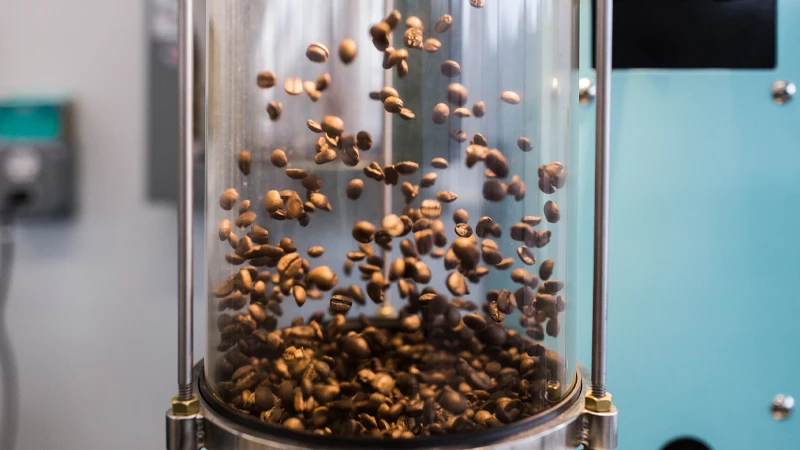
You might wonder how air roasting transforms green coffee beans into a flavorful cup. The process uses a stream of hot air to suspend and roast the beans. This method ensures that each bean receives even heat without touching a hot surface. Here’s what happens step by step:
You place green coffee beans into a roasting chamber.
Hot air flows through the chamber, lifting and swirling the beans so they roast evenly.
The airflow removes the chaff, which is the thin outer skin of the bean, as it separates during roasting.
You control the temperature precisely, keeping it within a set range for the best results.
The roasting time is short, usually between 6 and 8 minutes, which helps preserve natural flavors and antioxidants.
Chemical reactions, like the Maillard reaction and caramelization, develop the coffee’s aroma and taste.
Tip: The removal of chaff during roasting prevents burnt or bitter flavors, giving you a cleaner cup.
Key Differences
Air roasting stands apart from traditional drum roasting in several ways:
Hot air roasting removes chaff immediately, while drum roasting lets it burn and create smoke.
You get a smoother, more balanced flavor because the beans never touch a hot metal surface.
The process preserves more antioxidants, such as chlorogenic acids, which are good for your health.
Air roasted coffee has less bitterness and fewer harsh acids, making it gentler on your stomach.
You enjoy consistent results batch after batch, thanks to precise temperature and airflow control.
When you choose air roasted coffee, you experience a cup that is clean, vibrant, and full of natural flavors. This method gives you a healthier and more enjoyable coffee experience.
Flavor & Consistency
Enhanced Taste
When you drink air roasted coffee, you notice a difference in the flavor right away. The hot air method brings out a cleaner, brighter taste that highlights the natural qualities of the beans. Expert reviews often describe these coffees as having a more nuanced and balanced profile. You might taste fruitiness, gentle acidity, and a pleasant sweetness in your cup.
Cleaner, more nuanced, and brighter flavor profile
Preservation of delicate flavors for a smoother, more balanced cup
Common notes include fruitiness, acidity, and sweetness
Even heat distribution prevents smoky or burnt flavors
Maintains natural sugars and acids, boosting brightness and complexity
Note: The even heat from air roasting keeps the beans from developing the burnt or smoky notes you sometimes find in drum-roasted coffee. This means you get to enjoy the true character of each coffee origin.
Less Bitterness & Acidity
You may worry about bitterness or harsh acidity in your coffee. Air roasting helps solve this problem. The process uses convection heat, which heats the beans evenly and thoroughly. This even heating reduces the risk of uneven roasting, which can cause bitter or burnt flavors.
Scientific studies show that bitterness in coffee comes from compounds like phenylindanes. These form at high temperatures during roasting. Air roasting allows for better control of temperature and time, which slows the formation of these bitter compounds. The result is a cup with less harsh bitterness and a smoother finish.
During roasting, natural acids and sugars in the beans change. Air roasting preserves more of the pleasant acids and keeps the bitterness low. You get a cup that is gentle on your stomach and easy to enjoy black or with milk.
Batch Consistency
You want your coffee to taste great every time. Air roasting gives you more control over the roasting process, which leads to better batch consistency. Several factors help ensure each batch meets high standards:
Exact time and temperature of first crack
Room temperature and humidity
End bean temperature and weight loss
Color measurements (like Agtron or ColorTrack)
Consistent batch size and charge temperature
Careful monitoring of bean and air temperature curves
Adjustments for ambient conditions, such as temperature and humidity
Detailed logging and comparison of roast profiles
Commercial air roasters keep beans suspended in hot air, which ensures uniform heat transfer. This movement prevents scorching and uneven roasting. Advanced machines let you fine-tune airflow, temperature, and roasting time for each batch. You can track and adjust every variable, so you get the same great taste every time.
Tip: Keeping detailed records of your roast profiles helps you repeat your best batches and refine your process over time.
Health Benefits
More Antioxidants
You want your coffee to do more than just taste good. You want it to support your health. Air roasted coffee can help you achieve this goal. The air roasting process uses controlled hot air to roast beans, which can boost antioxidant activity. Scientists have measured antioxidant levels using tests like DPPH and ORAC. They found that adjusting air flow during roasting increases antioxidant activity. This means you get more health-supporting compounds in your cup compared to traditional drum roasting.
Antioxidants fight free radicals in your body. They help protect your cells from damage. Coffee contains several important antioxidants, including chlorogenic acids, melanoidins, and Maillard reaction products. The amount of antioxidants in your coffee depends on the bean’s origin and how you roast it. Beans from different countries can have up to 1.5 times more antioxidants because of factors like altitude, soil, and sunlight. Roasting changes these levels. Light roasts keep more chlorogenic acids, while darker roasts create new antioxidants like melanoidins.
Roast Level | Chlorogenic Acid | Melanoidins | Total Antioxidant Activity |
|---|---|---|---|
Light Roast | High | Low | High |
Medium Roast | Moderate | Moderate | Moderate |
Dark Roast | Low | High | Lower |
Note: Arabica beans often show higher total antioxidant content after roasting than before. Wet processing also helps preserve antioxidants better than dry methods.
You can choose your roast level and bean origin to get the most antioxidants from your coffee. Air roasted coffee gives you more control over these factors, so you can enjoy a healthier cup.
Fewer Unwanted Compounds
You care about what goes into your body. Air roasted coffee helps you avoid unwanted compounds that can form during roasting. Acrylamide is one of these compounds. It forms when beans roast at high temperatures. Acrylamide has raised health concerns because it may pose risks if you consume it in large amounts.
Air roasting can reduce acrylamide formation, especially in light roast profiles. Scientists compared air roasted and drum roasted beans. They found that air roasting often leads to lower acrylamide levels, though some light air roasted samples showed higher amounts. The roasting profile, temperature, and bean type all affect acrylamide content. You can lower your exposure by choosing air roasted coffee and lighter roasts.
Furan is another compound you might want to avoid. It can form during roasting and may affect your health. Air roasting tends to lower furan levels in light roasts. The difference is less clear in dark roasts, but air roasting still gives you more control over the process.
Tip: If you want to minimize unwanted compounds, pay attention to roast level and choose air roasted coffee for better control.
You get a cleaner cup with fewer harmful substances. You can enjoy your coffee with more confidence, knowing you are making a healthier choice.
Environmental Impact
Cleaner Roasting
You make a difference when you choose coffee roasted with hot air. This method produces less smoke and chaff than traditional drum roasting. You see a cleaner process because the chaff leaves the roasting chamber quickly. The equipment uses a fixed vacuum chamber, so beans do not break or burn. You control the temperature with precision, which helps reduce carbon emissions. Some air roasting systems use after burners and regeneration technology. These features burn off CO2 and reuse heat, lowering the environmental footprint even more.
Cleaner roasting means less pollution and a safer workspace for everyone involved.
You support sustainability when you pick coffee grown and harvested with eco-friendly practices. The roasting equipment has a simple design and a smaller footprint. You help protect the planet with every cup.
Less smoke and chaff released into the air
Lower CO2 emissions, sometimes only 25% of those from drum roasters
Smaller, more energy-efficient equipment
Sustainable coffee growing and harvesting practices
Energy Efficiency
You save energy with air roasting machines. These machines roast beans in about 6-8 minutes. Traditional drum roasters take 15-20 minutes for each batch. Shorter roasting times mean less energy used. Air roasters use convection heat and keep beans moving with hot airflow. This process improves heat efficiency and reduces chaff buildup.
You can compare the energy use and efficiency of different roasting methods:
Factor | Air Roasting Machines | Traditional Roasters |
|---|---|---|
Fuel Usage | About 25% of the gas per pound | Higher gas consumption |
Operating Temperature | Around 1450°F, hot air recirculation | Around 550°F, afterburner needed |
Roast Time | 6-8 minutes | 15-20 minutes |
Roast Loss (Light) | 11-11.5% | 13.7-14.5% |
Additional Benefits | Higher throughput, less maintenance | Longer roast, more fuel, afterburner |
You help conserve energy and reduce waste when you choose air roasting. This method gives you better yield and less impact on the environment.
Benefits of Air Roasted Coffee
Who Should Try It
You might wonder if air roasted coffee is right for you. This method appeals to a wide range of coffee lovers. If you value a clean, balanced cup with vibrant flavors, you will likely enjoy this style. Many consumers choose air roasted coffee for its consistent taste and smooth finish. You may also prefer it if you want to avoid smoky or burnt notes that sometimes appear in drum-roasted beans.
You want a coffee with natural sweetness, acidity, and complexity.
You care about sustainability and want to support eco-friendly roasting.
You have a sensitive stomach and need a gentler cup with less bitterness.
You appreciate a full-bodied, well-balanced flavor with fruity, floral, nutty, or chocolatey notes.
You seek repeatable quality and flavor in every batch.
Tip: If you enjoy exploring different origins and roast profiles, air roasted coffee gives you precise control and consistency.
Professionals rate air roasting highly for its ability to preserve the bean’s character and deliver a smooth, clean cup. The process also supports your health and the environment, making it a smart choice for conscious consumers.
Cost & Brewing
You may notice that air roasted coffee sometimes costs a bit more than traditional options. The advanced roasting equipment and eco-friendly practices can raise the price. However, many people find the improved flavor and consistency worth the investment.
When brewing, you have many options. Each method brings out different qualities:
Drip coffee offers a reliable, consistent cup.
French press enhances body and richness.
Espresso delivers concentrated intensity.
Pour-over allows you to control extraction and clarity.
Grind size matters. Use coarse grounds for French press, medium for drip, and fine for espresso. Water temperature should stay between 195°F and 205°F for the best extraction. Clean water with balanced minerals helps preserve the coffee’s natural flavors and antioxidants.
Brewing Method | Flavor Profile | Recommended Grind |
|---|---|---|
Drip | Balanced, consistent | Medium |
French Press | Rich, full-bodied | Coarse |
Espresso | Intense, concentrated | Fine |
Pour-Over | Clean, nuanced | Medium |
Note: Proper brewing helps you enjoy the full benefits of air roasted coffee, including its healthful antioxidants and vibrant taste.
You gain a cleaner, brighter cup with air roasted coffee. This method preserves antioxidants and reduces bitterness, giving you a healthier and more enjoyable drink. Many coffee lovers praise its consistent flavor and smooth finish. Sustainable roasting also helps lower emissions and supports eco-friendly practices. If you want to experience the true character of your beans, try air roasted coffee and share your thoughts with others.
FAQ
What makes air roasted coffee taste different?
You taste brighter, cleaner flavors in air roasted coffee. Hot air surrounds each bean, so you avoid burnt or smoky notes. This method preserves natural sweetness and acidity. You enjoy the true character of the coffee origin.
Tip: Try air roasted coffee black to notice the difference.
Is air roasted coffee better for your health?
You get more antioxidants in air roasted coffee. The process reduces unwanted compounds like acrylamide and furan. You drink a cleaner cup that supports your health. Choose lighter roasts for higher antioxidant levels.
Does air roasted coffee cost more?
You may pay a little more for air roasted coffee. Advanced equipment and eco-friendly practices increase the price. Many people find the improved flavor and consistency worth the extra cost.
Cleaner process
Consistent quality
Health benefits
Can you brew air roasted coffee with any method?
You can use any brewing method. Drip, French press, espresso, and pour-over all work well. Adjust your grind size and water temperature for best results. Air roasted beans give you a smooth, balanced cup every time.
Note: Experiment with different methods to find your favorite flavor.