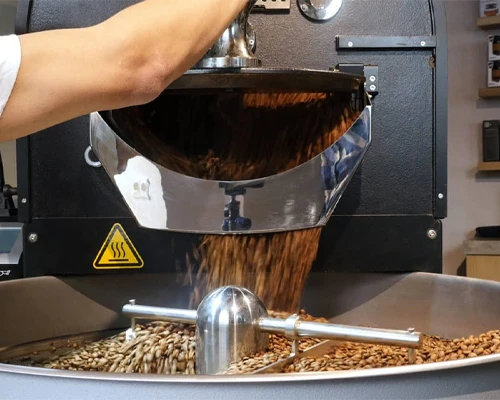

Ready to launch your own coffee roasting business? You’ll need the right tools to get started. Here’s a quick list of must-have equipment:
Coffee roaster (choose your size and type)
Sample roaster for small batch testing
Precision coffee bean scales
Weigh-fill machine for packaging
Coffee bag sealer to lock in freshness
Choosing quality equipment helps you roast better beans, work more efficiently, and set yourself up for future success.
Coffee Roasting Business Essentials
Starting a coffee roasting business means investing in the right equipment from day one. Your choices here set the stage for quality, efficiency, and growth. Let’s break down the essentials you’ll need and how to pick the best fit for your goals.
Roaster Types
The heart of your operation is the coffee roaster. You’ll find two main types for commercial use: drum roasters and fluid bed (air) roasters.
Drum Roasters
These machines roast beans by rotating them inside a heated drum. You get deep, full-bodied flavors and precise control over the roast. Drum roasters handle a range of batch sizes and are the go-to for many professionals who want consistency and the ability to scale up. They do cost more and require a bit more know-how, but they deliver on quality.Fluid Bed Roasters
These use hot air to roast beans quickly and evenly. They’re simpler, more affordable, and energy efficient. If you’re just starting out or working with small batches, fluid bed roasters make sense. They shine when you want speed and a clean, bright flavor profile. However, they don’t scale as well for larger operations and may not deliver the same depth of flavor as drum models.
Tip: Think about your desired coffee style and business size. Drum roasters are best for rich, complex flavors and future growth. Fluid bed roasters work well for small-batch, fast-turnaround roasting.
Sizing & Capacity
Choosing the right size roaster is a big decision for your coffee roasting business. You want a machine that matches your current needs but also leaves room to grow.
Roaster Category | Capacity Range | Best For | Typical Cost Range |
|---|---|---|---|
Sample Roasters | 50g – 500g | Testing, sample roasting | $200 – $5,000 |
Small Batch Roasters | 1kg – 3kg | Small shops, profile development | $1,000 – $7,500 |
Small Commercial | 5kg – 15kg | Scaling production | $7,500 – $30,000+ |
Medium/Large | 15kg – 70kg+ | Large-scale roasting | $22,000 – $60,000+ |
When picking a size, ask yourself:
How much coffee do you plan to roast each week?
Do you want to start small and upgrade later, or invest in a bigger machine now?
What’s your budget for equipment and installation?
How much space do you have for roasting and ventilation?
Most new businesses start with a 1kg to 5kg roaster. This range lets you experiment, fill small orders, and learn the craft without a huge upfront investment. If you expect rapid growth or already have wholesale clients, a 10kg or 15kg machine might be smarter. Remember, roasting shrinks beans by about 15%, so factor that into your batch planning.
Key Features
Not all roasters are created equal. Look for these features to get the most out of your investment:
Capacity that fits your needs: Don’t buy too small or too big. Match your expected output and growth plans.
Type of heat source: Gas roasters offer fast heating and flexibility, but need a gas line. Electric roasters are easier to install, safer, and often more precise, though they may cost more to run.
Automation and digital controls: Modern machines with smart controls and software integration help you track roast profiles, maintain consistency, and reduce human error. This is a game-changer for quality and efficiency.
User-friendly interface: Easy controls mean less training and fewer mistakes.
Maintenance and reliability: Choose a reputable brand with good support. Look for machines with accessible parts and easy cleaning.
Extra features: Cooling trays, chaff collectors, smoke suppression, and data logging all make your life easier and your coffee better.
Note: Automation doesn’t replace your skills, but it does help you deliver consistent results and frees you up to focus on growing your coffee roasting business.
A solid setup for your coffee roasting business includes more than just the roaster. You’ll also need:
High-quality green beans from trusted suppliers
Precision scales for weighing beans and grounds
Roasting software for monitoring and quality control
Sample roaster for testing new profiles
Moisture reader and color meter for quality checks
Grinder and brewer for tasting your roasts
Cleaning supplies and safety equipment
With the right equipment and features, you’ll be ready to roast great coffee and build a business that lasts.
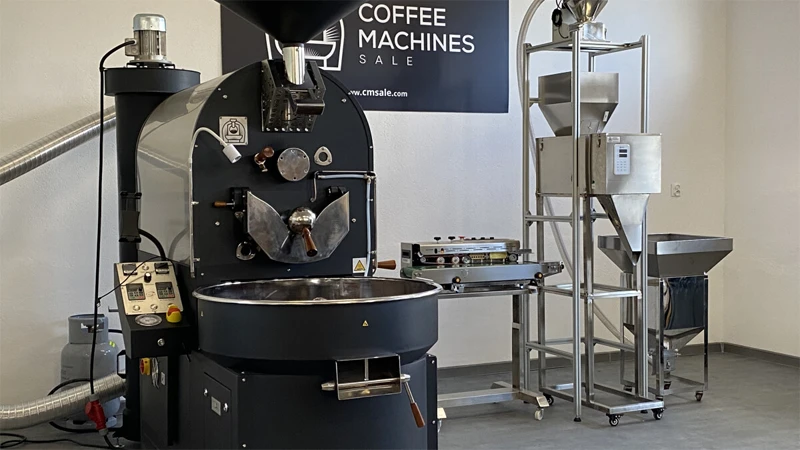
Roasting Tools
Accessories
You need more than just a roaster to run a smooth coffee roasting business. The right accessories help you work faster and keep your beans safe. Here are some must-haves:
Destoner: This machine removes stones and debris from your roasted beans. It protects your grinders and keeps your coffee pure.
Coffee bean scales: Accurate scales let you measure green beans before roasting and roasted beans for packaging.
Net-weigh or weigh-fill machines: These tools fill your coffee bags with the right amount of beans every time, saving you time and reducing mistakes.
Coffee bag sealers: Seal your bags tight to lock in freshness and flavor.
Ductwork and afterburners: These manage smoke and exhaust, keeping your workspace safe and meeting local rules.
Grinders and brewing gear: Test your roasts with a grinder and different brewers like espresso machines or French presses.
Tip: Accessories like destoners and sealers help you avoid costly errors and keep your workflow running smoothly.
Measurement Devices
Consistency is key in roasting. You want every batch to taste just right. That’s where measurement devices come in:
Moisture readers: Check the water content in green beans. This helps you predict how beans will roast.
Bean probes and thermocouples: These tools measure the temperature inside your roaster. You can track changes and adjust your process in real time.
Color meters and roast analyzers: Devices like the Coffee Roast Degree Analyzer use advanced technology to check the color and roast level of your beans. This ensures every batch meets your standards.
Infrared temperature probes: These measure the surface temperature of beans, helping you keep results steady even when batch sizes change.
Skilled use of these devices lets you spot problems early and keep your coffee roasting business on track.
Software
Modern software makes your life easier. It helps you track every roast, manage inventory, and plan production. Here’s a quick look at popular options:
Software | Key Features | Platforms | Pricing |
|---|---|---|---|
FoodReady AI | Inventory, roast logging, batch traceability | Web, iOS, Android | Contact for info |
Cropster Roast | Inventory, roast profiles, production planning | Web, iOS | From $99/month |
RoastLog | Real-time data, analytics, inventory | Web, iOS | From $129/month |
Katana | Inventory, batch tracking, sales management | Web, iOS, Android | From $179/month |
RoasterTools | Inventory, production, wholesale ordering | Web | From $166/month |
RoastPATH | Roast analytics, coffee database | Web, iOS, Windows | Free & Paid Plans |
These tools help you document your process, spot trends, and keep your business organized. With the right software, you can focus more on roasting and less on paperwork.
Packaging & Storage
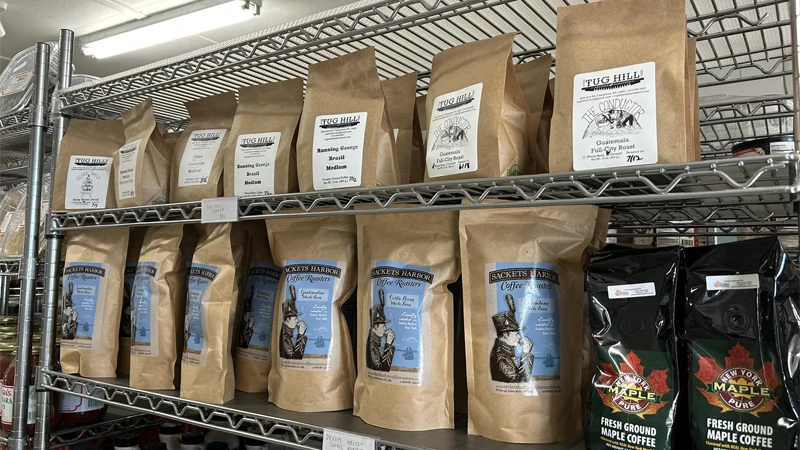
Coffee Bag by BN PACK
Packaging does more than just hold your coffee beans. It keeps your coffee fresh, shows off your brand, and helps you meet food safety rules. If you want your beans to taste great and look good on the shelf, you need the right bag.
BN PACK coffee bags stand out for their quality and flexibility. You can pick from different shapes like stand-up, flat-bottom, or side-gusseted bags. Each bag uses high-barrier materials that block out oxygen, moisture, and light—three things that ruin coffee flavor fast. Many bags come with one-way degassing valves, so CO₂ escapes but air stays out. Resealable zippers make it easy for your customers to keep beans fresh after opening.
You can customize your bags with your logo, colors, and even a window to show off the beans. BN PACK offers eco-friendly options too, like recyclable and compostable materials. These choices help you lower your environmental impact and appeal to eco-conscious customers. All bags meet food safety standards, so you can trust them for your business.
Tip: The right packaging keeps your coffee fresh longer, protects your brand, and helps you stand out in a crowded market.
Storage Solutions
Proper storage is just as important as packaging. You want to keep roasted beans away from air, moisture, heat, and light. Here are some best practices:
Use airtight containers or vacuum canisters to limit oxygen exposure.
Store coffee in a cool, dry, and dark place.
Choose non-reactive materials like glass, ceramic, or stainless steel for storage bins.
Avoid plastic containers that can absorb odors.
Don’t refrigerate or freeze coffee—moisture can sneak in and spoil the flavor.
Storage Option | Best For | Key Benefit |
|---|---|---|
Glass jars | Short-term storage | Easy to clean, blocks odors |
Vacuum canisters | Longer freshness | Removes air, preserves aroma |
Valve bags | Retail & wholesale | Lets CO₂ out, keeps air out |
Steel canisters | Bulk storage | Durable, blocks light and air |
Safety & Cleaning
A clean and safe workspace keeps your coffee tasting great and your team protected. You should have personal protective equipment like gloves and dust masks, plus fire extinguishers and first-aid kits on hand. Good ventilation and dust control systems help prevent accidents.
Set up a cleaning routine for your roaster and storage areas. Wipe down surfaces daily, empty chaff collectors, and check for gas or electrical issues. Each week, vacuum around machines and inspect moving parts. Once a month, deep clean your equipment and ventilation. Train your staff on safety and food handling, and keep records to stay compliant with health rules.
Keeping your space clean and safe not only protects your team but also ensures your coffee always meets the highest quality standards.
Scaling & Quality Control
Advanced Tools
When your coffee roasting business starts to grow, you need more than just basic gear. Advanced tools help you roast bigger batches, keep quality high, and save time. Many established roasters use machines with smart features like data logging, automation, and AI-powered controls. These tools let you track every detail, from temperature to airflow, and make real-time adjustments for perfect results.
Here’s a quick look at some advanced commercial roasters and their features:
Brand & Model | Batch Capacity | Fuel Type | Advanced Features & Tools | Efficiency & Quality Benefits |
|---|---|---|---|---|
Mill City MCR-10 | Up to 10 kg | Natural Gas | Data logging, customizable controls, chaff collector, Cropster/Artisan compatible | Precise control, consistent roasting |
Coffee-Tech Ghibli R-15 | Up to 60 kg/hour | Natural Gas | Continuous roasting, smoke separation, destoner | Improved efficiency, steady quality |
Diedrich IR-5 Roaster | 250g – 5 kg | Natural Gas | Infrared burners, fast cooling, supports Cropster/Artisan | Precision roasting, fast cooling |
US Roaster Revelation 2020 | Up to 70 kg | Propane | Double-insulated, vacuum loader, adjustable drum speed | Energy-efficient, precise control |
Automation and AI systems take over repetitive tasks like bean loading, cooling, and packaging. You get consistent results, even with large orders. Software tracks your roast profiles and inventory, so you can focus on the craft. AI even monitors temperature and airflow, making small changes to keep every batch on target. This means you can scale up without losing quality or efficiency.
Tip: Investing in advanced tools early helps you handle growth and keeps your coffee tasting great every time. 🚀
Quality Assurance
Quality control is the backbone of any successful coffee roasting business. You want every bag to taste just right and stay safe for your customers. The best roasters use a mix of tests, certifications, and staff training to keep standards high.
Here’s a table of common quality assurance processes:
| f Quality Assurance Process | Purpose/Description |
|---|---|
Physical Analysis | Checks bean size, shape, color, and defects for uniformity. |
Moisture Content Testing | Measures moisture (ideal 10-12%) to prevent mold and ensure proper roasting. |
Sensory Evaluation (Cupping) | Trained tasters judge flavor, aroma, acidity, and aftertaste for consistency. |
Chemical Testing | Detects pesticides and harmful chemicals. |
Microbiological Testing | Looks for bacteria, molds, and yeasts to ensure safety. |
Caffeine Content Testing | Measures caffeine to match labels and expectations. |
pH Testing | Checks acidity, which affects flavor and shelf life. |
Shelf-Life Testing | Tests how long coffee stays fresh and safe. |
Certification Standards | Includes SQF, USDA Organic, OU Kosher, and Q-Grader certifications. |
You should also:
Handle beans the same way every time.
Store green and roasted beans in stable, cool, dry places.
Seal bags quickly after roasting to lock in freshness.
Clean and maintain your equipment often.
Use roast tracking software and do regular cupping sessions.
Train your team with programs like SCA sensory training or Q Grader courses.
Consistency and safety build trust with your customers. When you follow these steps, you set your business up for long-term success.
Here’s a quick checklist to help you launch your coffee roasting business with confidence:
Commercial coffee roaster and grinder
Precision scales and brewing tools
Packaging machines and high-quality coffee bags
Cleaning and maintenance supplies
Reliable storage solutions
Investing in quality equipment and packaging pays off. You’ll save on energy, boost efficiency, and keep your coffee tasting great. Avoid cutting corners—choose tools that match your goals and show your commitment to excellence. When you focus on quality, your coffee roasting business stands out and grows stronger every year. 🚀
FAQ
What size coffee roaster should I buy first?
Start with a 1kg to 5kg roaster. This size lets you experiment, fill small orders, and learn the craft. If you expect fast growth, consider a 10kg machine. Think about your space, budget, and how much coffee you plan to roast each week.
How do I keep my roasted coffee fresh?
Use high-barrier bags with one-way valves, like those from BN PACK. Seal your coffee right after roasting. Store bags in a cool, dry place away from sunlight. Avoid freezing or refrigerating beans, as moisture can ruin the flavor.
Do I need special software for my roasting business?
You don’t need software to start, but it helps a lot. Roasting software tracks your batches, monitors quality, and manages inventory. It saves time and keeps your process consistent. Many roasters use tools like Cropster or RoastLog as they grow.
Can I customize my coffee packaging?
Absolutely! BN PACK lets you choose bag size, shape, material, and design. Add your logo, colors, and even a window to show off your beans. You can also pick eco-friendly options to match your brand’s values.
What safety equipment do I need in my roastery?
You need gloves, dust masks, fire extinguishers, and first-aid kits. Good ventilation and dust control systems help keep your workspace safe. Train your team on safety routines and keep your equipment clean to prevent accidents.