Blog
Design Labels that Make Your Coffee Stand Out
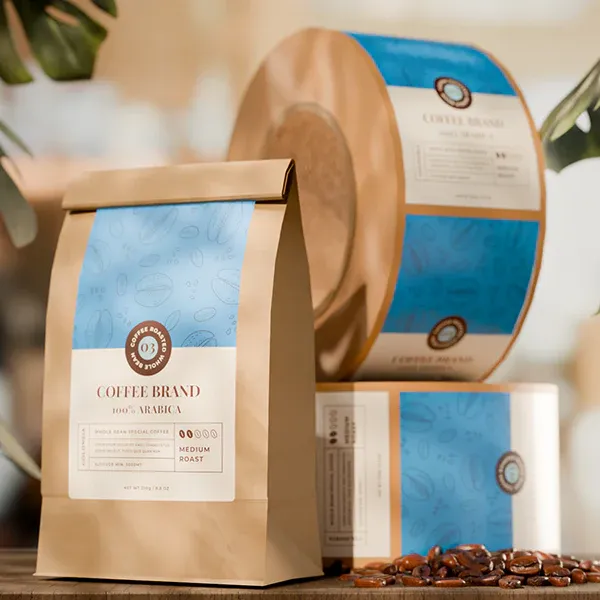
Design labels for coffee bags that attract buyers, build brand trust, and meet legal rules with the best visuals, clear info, and strong branding.
Design labels for coffee bags that attract buyers, build brand trust, and meet legal rules with the best visuals, clear info, and strong branding.
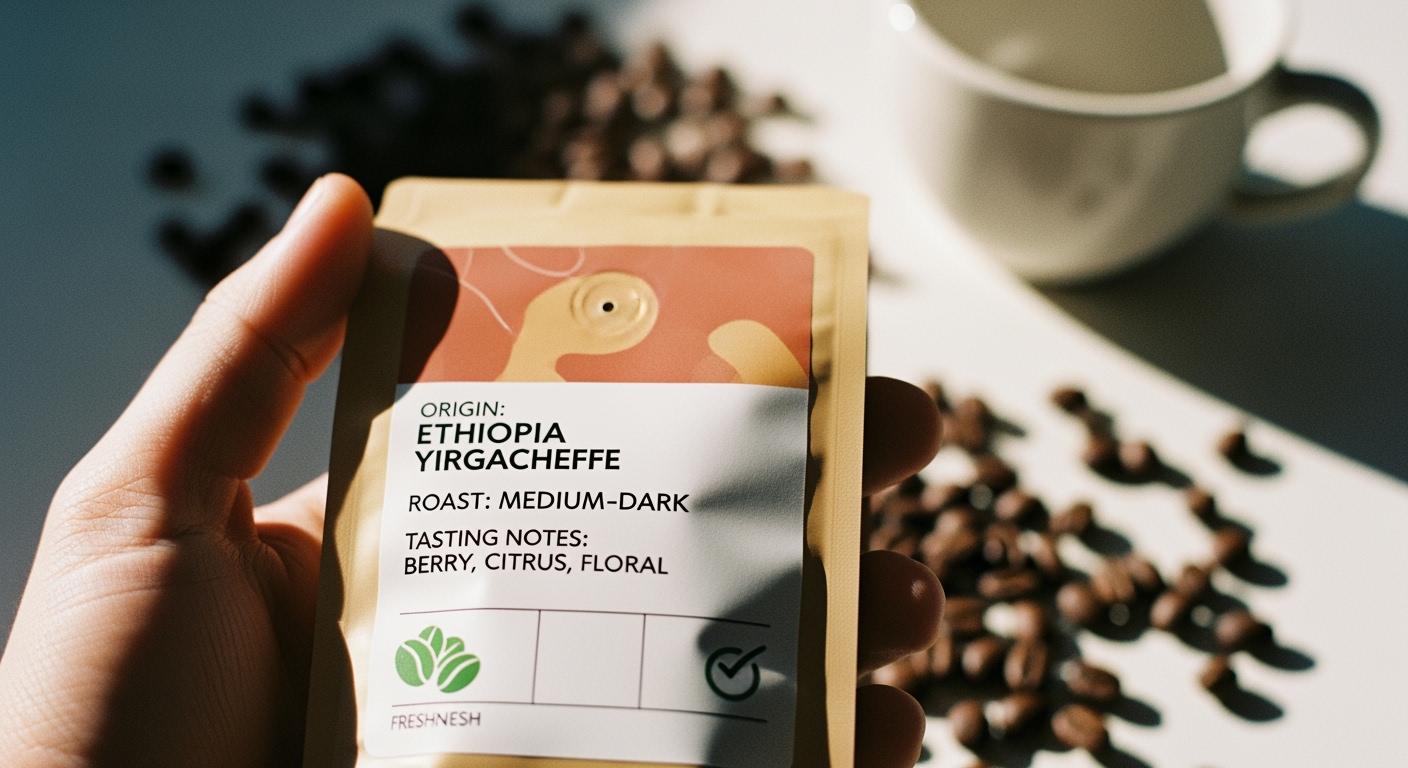
Key details on coffee bag labels include roast date, origin, tasting notes, certifications, and freshness features to help you choose quality coffee.
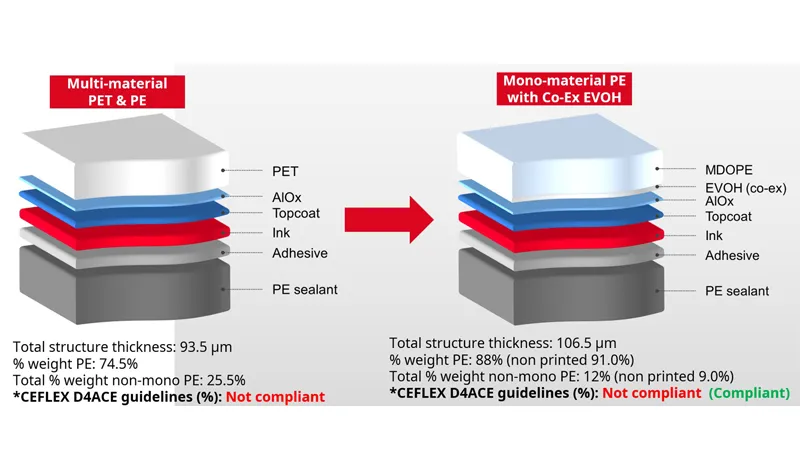
Bag in box EVOH vs. Metallized PET: Compare barrier liners to choose the best option for your product’s shelf life, freshness, and packaging needs.
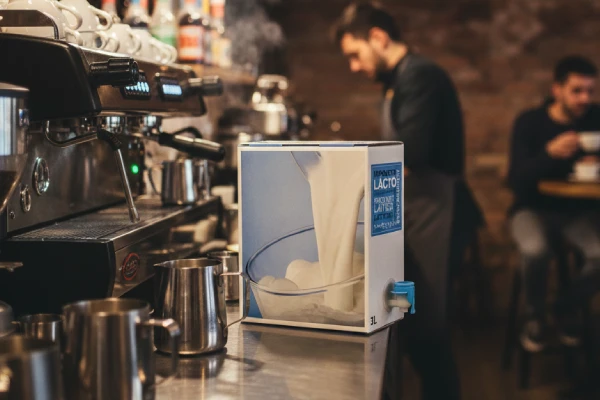
Coffee Shop Game-Changer: Bag-in-Box milk dispensing boosts efficiency, cuts waste, and keeps milk fresh for smoother, eco-friendly operations.
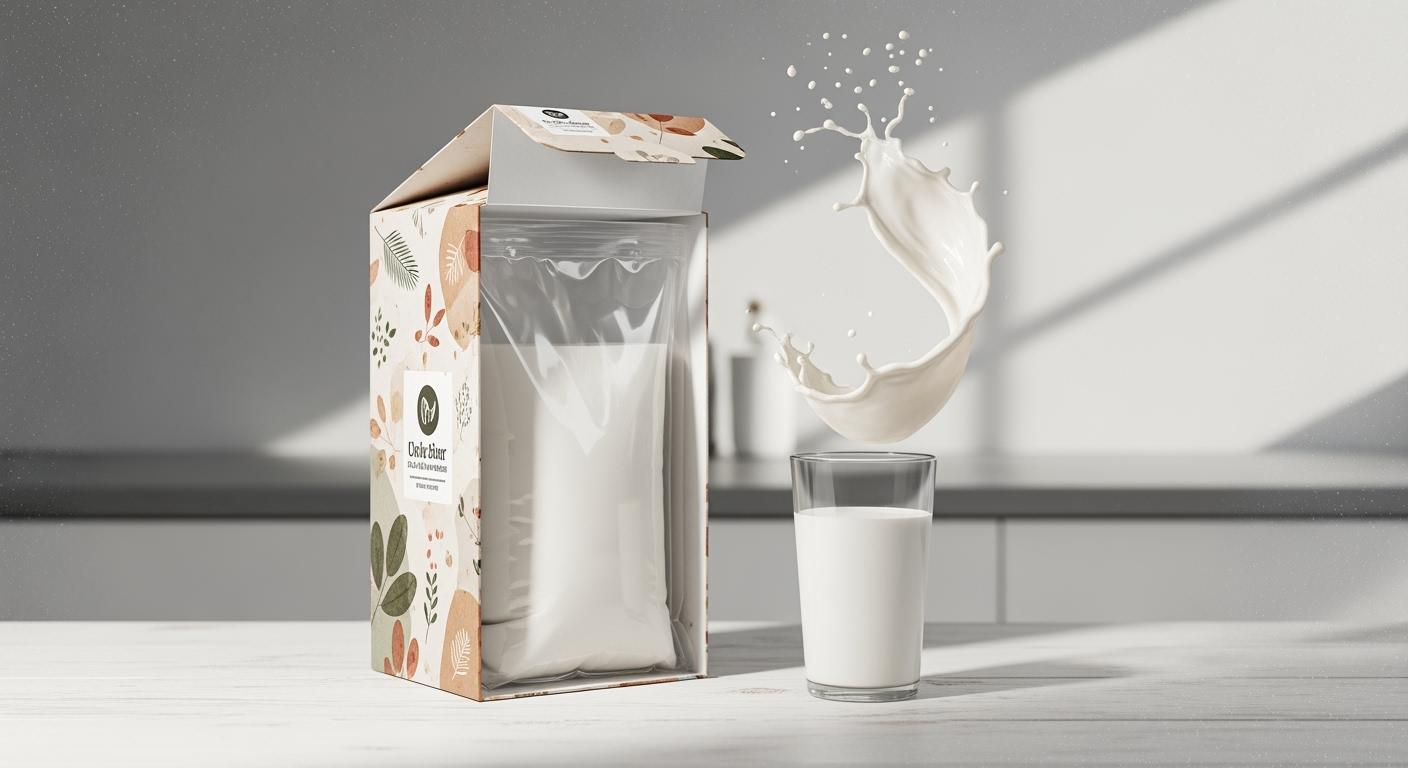
Bag in box dairy packaging uses aseptic technology and multi-layer barriers to keep milk clean, pure, and fresh while extending shelf life and reducing waste.
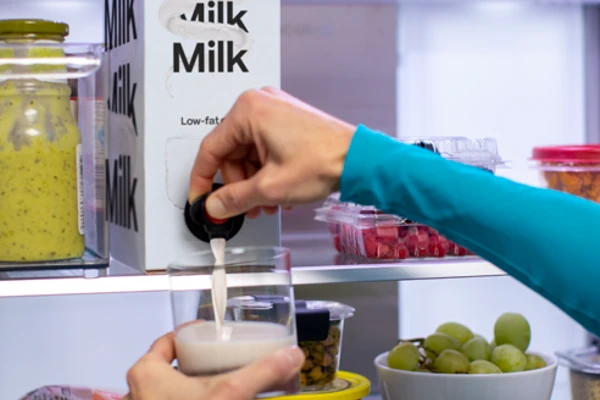
Bag in box for milk offers families longer freshness, easy storage, and less waste. See why 5L and 10L options are transforming modern kitchen routines.
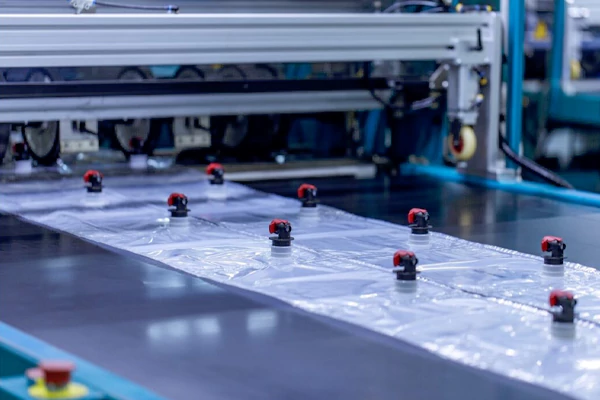
Bag-in-Box Filling automation boosts throughput, cuts labor costs, and ensures consistent, high-quality packaging for efficient, scalable production lines.
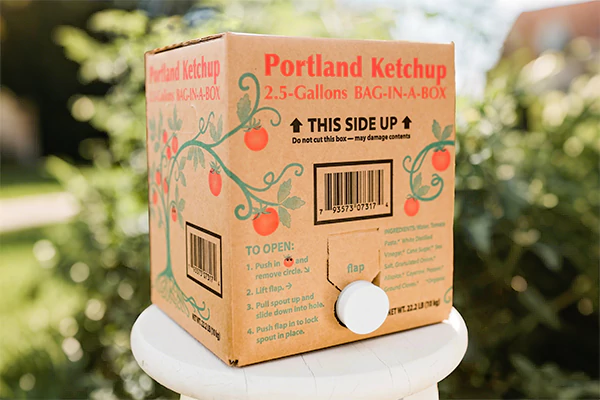
Barrier excellence in bag-in-box packaging ensures high-acid foods stay fresh and safe by selecting optimal film structures for superior protection.
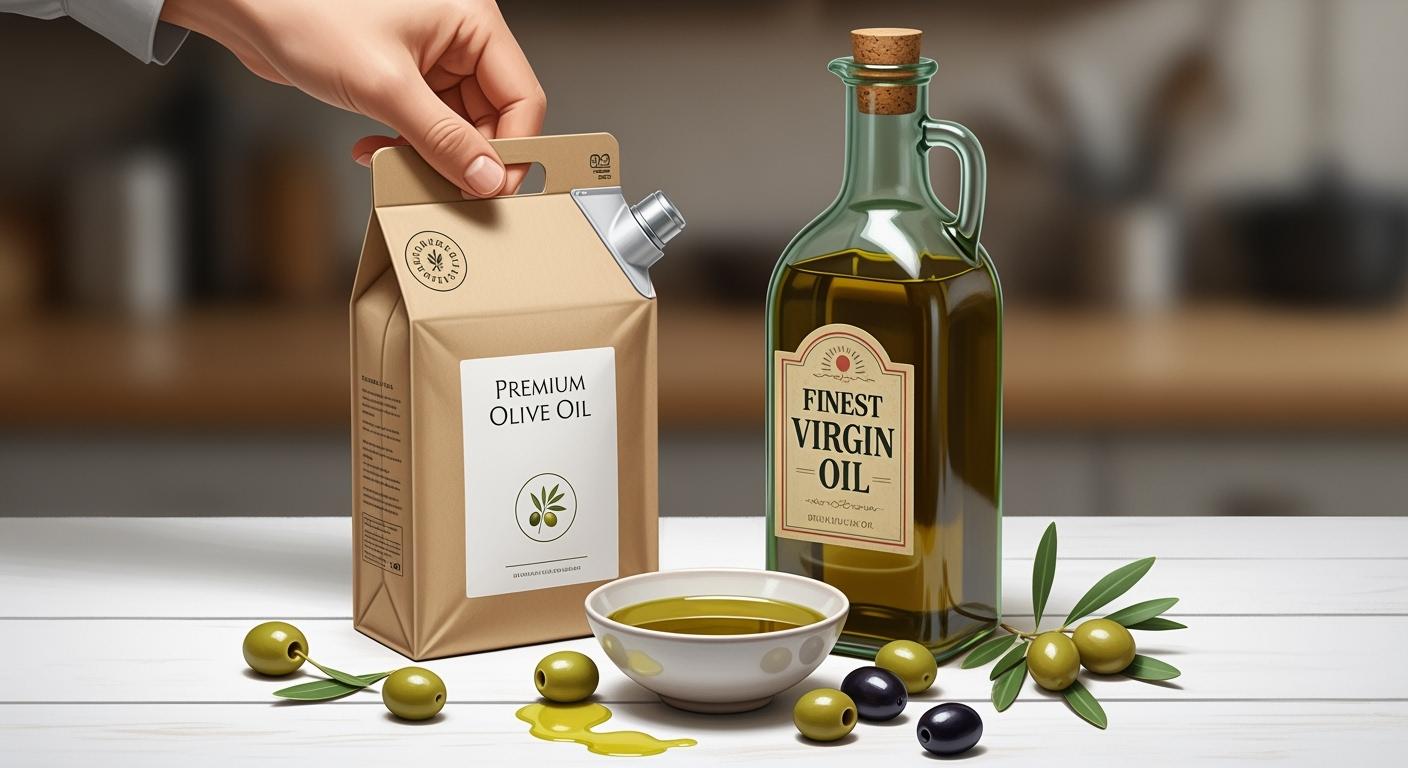
Bag-in-Box keeps olive oil fresher by blocking air and light, extends shelf life, and offers eco-friendly, space-saving storage over glass bottles.
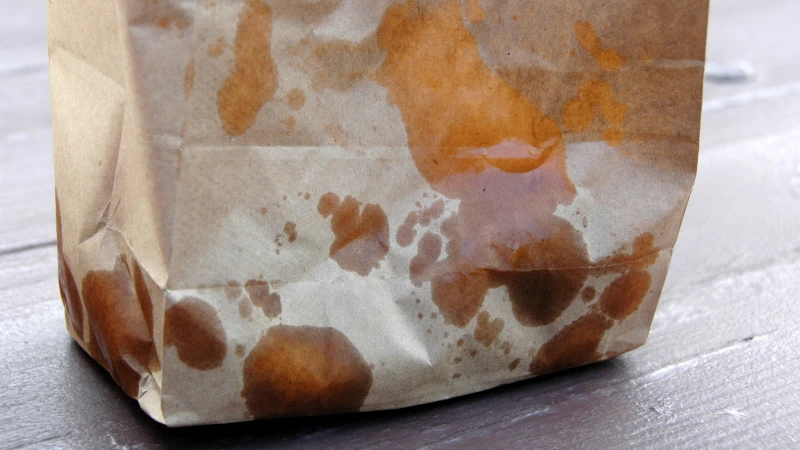
Oil-proof kraft bags safely store liquids and oily foods by blocking leaks and stains, making them ideal for sauces, fried foods, and greasy snacks.
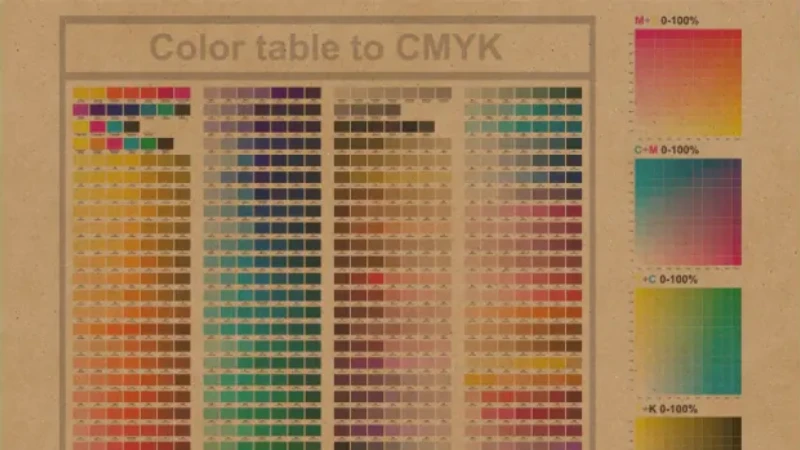
CMYK on brown paper often looks dull. Use white ink underprinting, high-contrast colors, and proper setup to keep your kraft paper prints vibrant.
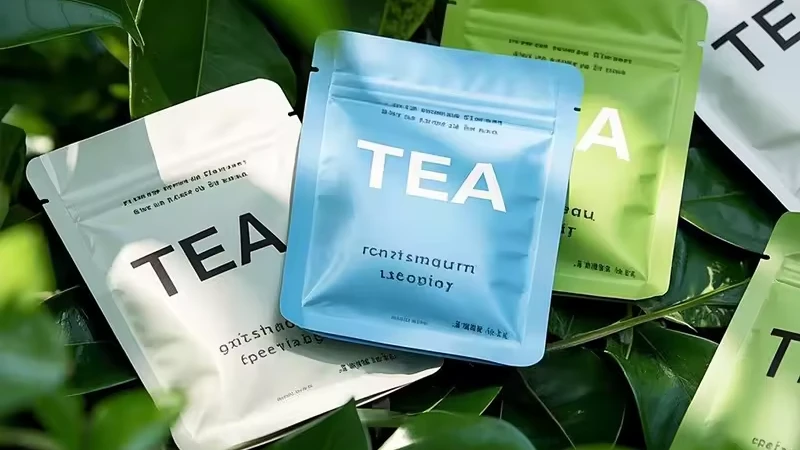
Mylar bags offer superior moisture and oxygen barriers for long-term tea storage, while Kraft Paper Bags provide a natural, eco-friendly look.