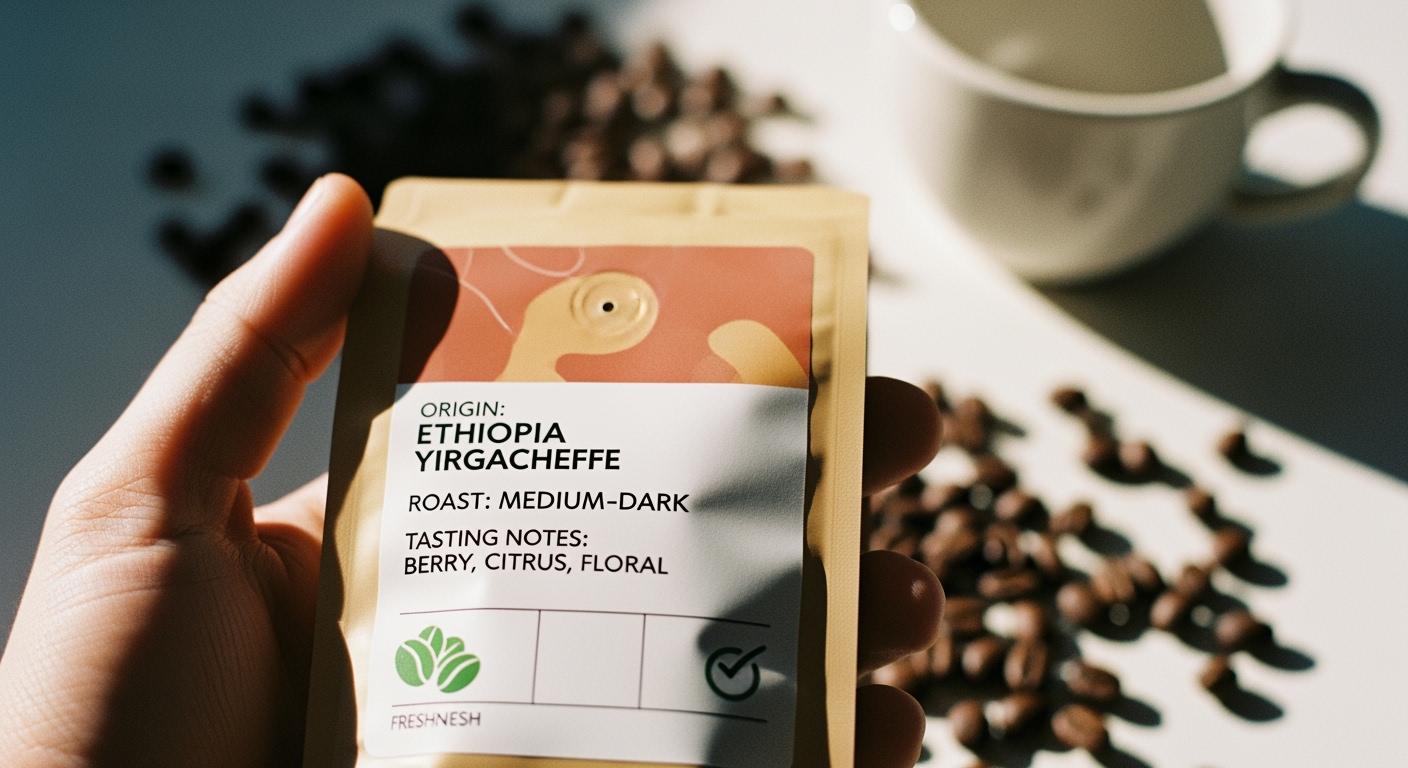
You want coffee bag labels that help people trust your product and notice it. The most important details are regulatory info, roast date, origin, processing method, tasting notes, certifications, and freshness indicators. Clear labels make your brand look good. Good packaging and label design work together for the best results.
What Matters Most on Coffee Bag Labels
Key Elements for Coffee Brands
When you make coffee bag labels, you need to think about what your customers want to know. Labels are not just for names. They help tell the story of your coffee. This helps people pick your coffee instead of others. You can think of your label as a friendly greeting from your brand.
Here are the main things you should include:
Brand name and logo
Coffee origin or region
Roast level
Bean type or variety
Processing method
Flavor notes or tasting description
Brewing recommendations
Net weight or quantity
Roasting date or best-by date
Certifications and logos
Story or background about the coffee or brand
Bar code or QR code
Artwork or illustrations
Contact information
Storage instructions
Ingredient list
Nutritional information
Allergen information
Readability and accuracy
Your coffee bag labels should be simple and easy to read. Many companies use more than one language if they sell in different places. Adding these details helps your brand stand out. It also makes it easier for people to trust your coffee.
People really care about where their coffee comes from and how it tastes. The table below shows what matters most to different people:
Attribute Type | Consumer Preference Level | Purchase Intention Correlation |
|---|---|---|
Sensory and Origin Cues | High | r ≈ 0.87–0.97; p ≤ 0.05 |
Technical/Mandatory Cues | Low | Positive but weaker |
Environmental Claims | Low | Underperforming |
You can see that most people look for sensory and origin cues first. They want to know where the coffee is from and what it tastes like. Things like net weight or storage instructions are still important. But they do not matter as much when people decide what to buy.
Impact on Customer Trust
Trust is very important when someone chooses your coffee. Coffee bag labels help build trust by showing your brand is honest and cares about quality. If you add certifications like Fair Trade or Organic, you show your coffee meets high standards. People trust these more when a trusted group checks them.
If you put QR codes or NFC tags on your coffee bag labels, you can connect with customers in new ways. They can scan the code to watch videos, find recipes, or learn about the farmers. Augmented reality can make your label fun and interactive. This makes your brand feel modern and open.
Here are some ways new label features help people connect:
Feature | Impact on Engagement |
|---|---|
QR Codes | Let people visit your website, social media, or loyalty programs with one scan. |
Augmented Reality | Turns your label into a story, sharing more about your coffee and brand. |
Direct Interaction | Helps people feel closer to your brand and builds loyalty. |
Your coffee bag labels should always be correct and easy to understand. If people do not get your certifications or claims, they may not trust your coffee. When you share the story of your coffee, people feel good about picking your brand.
Tip: Use your coffee bag labels to answer questions before people ask. Show what makes your coffee special and why your brand can be trusted.
Coffee bag labels are more than just packaging. They help you connect, teach, and build trust with every cup.
Labeling Requirements for Coffee Bags
Regulatory Information
You want your coffee bags to look nice, but you also have to follow the law. Every coffee bag needs to show some important details. These details help you follow the rules and keep people safe. If you forget them, you could get in trouble. You might have to pay fines or even face legal problems.
Here is what you must put on your coffee bag:
Net weight of the coffee inside
Product name
Manufacturer or distributor information
Country of origin
Allergen and compliance statements
Different countries have their own rules. The FDA and the EU both have strict rules. Look at this table to see what each one wants:
Regulatory Body | Mandatory Information |
|---|---|
FDA | Nutrition facts, allergen declarations, ingredient lists, specific format standards for serving sizes and font bolding. |
EU | Ingredient lists emphasizing allergens, origin labeling for certain products, language requirements, and quantitative ingredient declaration. |
Your coffee label should always be clear and easy to read. This helps you avoid mistakes and makes people trust your coffee.
Traceability and Transparency
People want to know where their coffee comes from. They care about the origin of every bean. When you share this, you help customers see why your coffee is special. Many people want to trace their coffee back to the farm. They feel happy when they know the story behind their drink.
Here is why traceability is important:
People want to know where coffee comes from, which makes them want to buy it more.
Many will pay extra for coffee that is sourced the right way.
Brands that are open about their coffee build trust and loyalty.
You can use QR codes or certifications to show where your coffee comes from. This is becoming normal now. If you do not share this, people might not trust your coffee.
Aspect | Explanation |
|---|---|
Value Perception | Coffee is seen as special, with quality and price linked to its origin and story. |
Consumer Understanding | Sharing where coffee comes from helps people learn about specialty coffee and how to make it. |
When you focus on origin and being open, you help farmers and show you care about fair trade. You also give people a reason to pick your coffee again and again.
Coffee Origin and Roast Details
Origin and Variety
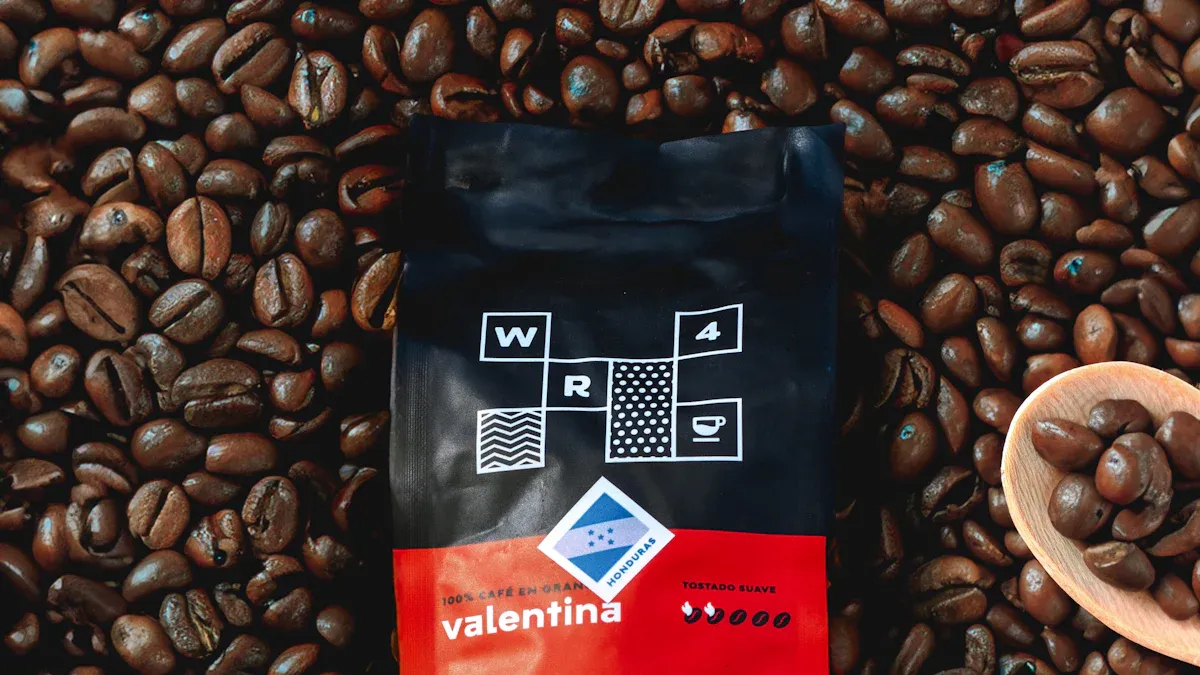
When you pick up a bag of coffee, you probably want to know where it comes from. The origin tells you a lot about what you can expect in your cup. Coffee grown in Ethiopia often has bright, fruity notes. Beans from Colombia might taste smooth and sweet. Each region gives coffee its own unique flavor.
You also see the variety listed on many coffee bags. This means the type of coffee plant. Some popular varieties are Bourbon, Typica, and Geisha. Each one brings something special to the flavor. If you want to try new tastes, look for single-origin coffee. This means all the beans come from one place. You get to taste the true flavor of that region.
Tip: Try coffee from different countries and varieties. You might find a new favorite flavor!
Roast Level and Process
Roast level changes how your coffee tastes. Light roasts keep the original flavor of the bean. You might taste fruit or flowers. Medium roasts balance the bean’s natural flavor with a bit of sweetness. Dark roasts give you bold, rich coffee with less of the bean’s original flavor.
The process also matters. Washed coffee tastes clean and bright. Natural process coffee has a heavier body and more fruit flavor. Honey process sits in the middle, with both sweetness and clarity.
Here’s a quick table to help you compare:
Roast Level | Main Flavor Notes | Best For |
|---|---|---|
Light | Fruity, floral | Pour-over, filter |
Medium | Sweet, balanced | Drip, French press |
Dark | Rich, bold | Espresso, milk drinks |
When you read a coffee label, check the roast and process. This helps you pick the coffee and flavor you like best.
Freshness and Date Indicators
Roast Date vs Best-By Date
When you buy coffee, you want it to taste great. Freshness makes a big difference in the flavor and aroma you get in your cup. You might see both a roast date and a best-by date on coffee bags. These dates are not the same. The roast date tells you when the coffee was roasted. This is the best way to know how fresh your coffee is. Freshly roasted coffee gives you vibrant aromas and complex tasting notes. If you only look at the best-by date, you might get confused. Many brands set this date 12 to 24 months after roasting, but coffee is at its peak just 7 to 21 days after roasting. For the best experience, look for coffee that is one to two weeks past the roast date.
Tip: Always check the roast date before you buy. This helps you enjoy the freshest coffee possible.
Freshness Features in Coffee Bags
Coffee bags have special features to keep your coffee fresh. One important feature is the one-way degassing valve. This valve lets carbon dioxide escape without letting oxygen in. Oxygen can make coffee stale and ruin the flavor. Bags without a valve can puff up or even burst from gas buildup. They also let in air, which shortens shelf life and hurts the taste.
Here’s a quick look at how valves help:
Feature | Without Valve | With Valve |
|---|---|---|
Shelf Life | 1–3 weeks before quality drops | 6+ months with high-barrier materials |
Effect on Flavor | Stale due to oxygen exposure | Maintains flavor and aroma |
Gas Management | Bags can puff up or burst | CO₂ escapes, oxygen stays out |
Other features like resealable zippers and oxygen barrier films also protect freshness. Nitrogen flushing removes oxygen before sealing. All these features work together to keep your coffee tasting its best.
Certifications and Sustainability on Coffee Bag Labels
Displaying Certifications
You will notice many symbols on coffee bags. These are called certifications. They tell you important facts about your coffee. Fair Trade means farmers get paid fairly and work safely. USDA Organic means the coffee grows without fake chemicals or fertilizers. Rainforest Alliance means farms help nature and people. These marks help you find coffee that cares about the earth and farmers.
Look for these certifications on the front or back of the bag. Most brands put them near the roast date or origin. Some brands add a QR code so you can learn more. When you see these badges, you know the coffee follows good rules. You also know the packaging meets certain standards.
Certification | What It Means for You |
|---|---|
Fair Trade | Fair pay and safe work for farmers |
USDA Organic | No fake chemicals in your coffee |
Rainforest Alliance | Farms protect nature and people |
Building Consumer Trust
You want to trust the coffee you buy. Certifications help you feel good about your choice. When you see a trusted badge, you know the coffee supports sustainability. You also know the packaging and one-way valve keep the coffee fresh. People care about how coffee is grown and packed. You want to know the material is safe and the valve works.
Studies show people trust coffee with certifications more. You might pay a bit more for coffee that helps the planet. When you see a one-way valve and a clear certification, you know the brand cares about quality and the earth. Sustainable packaging is important. It shows the company cares about the future.
Tip: Pick coffee with trusted certifications and a one-way valve. You get great taste and help the planet.
Coffee Bag Label Design and Readability
Clarity and Font Choices
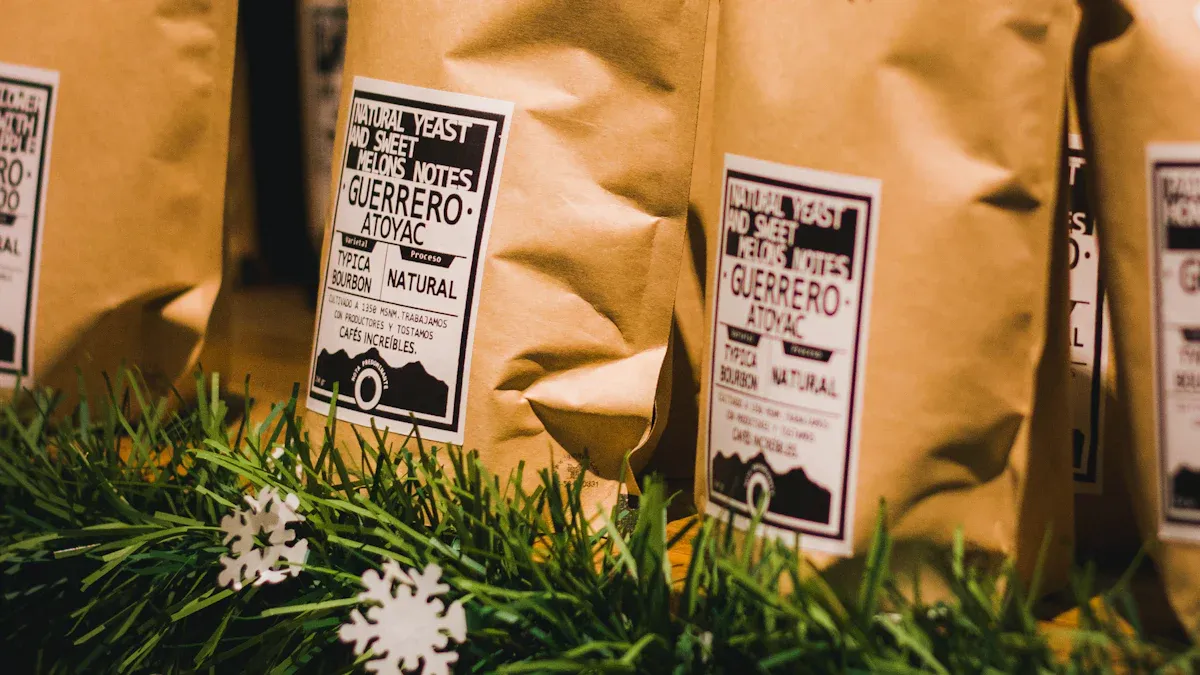
You want your coffee bag to be easy to spot and read. Good design uses clear words and smart font choices. Pick simple fonts that are easy for everyone to read. Do not use too many fonts, just two or three. This keeps the label neat and not messy. Choose colors that fit your coffee’s mood. Bright colors can stand out. Soft colors can make the bag feel calm and warm.
Here’s what you should put on your coffee bag:
Origin and roast level
Flavor notes and brewing tips
Net weight and certifications
Allergen information and brand details
Keep your label simple and not crowded. Too much info can make people confused. Try your label on real bags to check if it is easy to read. BN PACK helps you make labels that look nice and tell your story. With good packaging, you get both style and quality.
Tip: Use pictures and graphics to share your coffee’s story, but do not fill the label with too many things.
Balancing Branding and Information
You need to show your brand’s style and give people the facts they want. Clear brand messages help people remember your coffee. Fun logos or cool art can make your bag stand out. But you also need to share important facts, like how to recycle the bag or what certifications you have.
Here’s what coffee fans care about:
Consumer Preferences | Details |
|---|---|
Clear recycling and composting instructions | Important for sustainability awareness |
Trustworthy certifications | BPI, FSC, USDA BioPreferred add trust |
Transparency about sourcing and materials | Builds trust with consumers |
Willingness to pay more for sustainable packaging | 73% of U.S. Millennials say yes |
When you mix branding and facts, people trust your coffee more and make better choices. BN PACK’s custom design and printing help you get a label that looks good and gives the right info. Your label can be pretty and helpful at the same time.
Packaging Integration with Coffee Bag Labels
Bag Types and Label Space
There are many types of coffee bags you can use. Flat bottom pouches have lots of space for labels. This helps your coffee stand out on store shelves. You can share more information with these bags. Stand-up pouches and flat-bottom bags give you more room for branding. Side gusset bags are slimmer and have less space for details. If you want people to notice your coffee, pick a bag with enough space. This lets you tell your coffee’s story and show important facts.
Material and Finish Options
You can choose from many materials for your coffee bag. Each material changes how fresh your coffee stays and how the bag looks. Aluminum foil keeps out air and water, so coffee stays fresh. Kraft paper looks natural but needs a lining to protect the coffee. LDPE and PET are strong and bendy, so they are good for sealing and shipping. PLA and rice paper are better for the environment. You can add things like resealable zippers, gas valves, and closures. These features help keep coffee fresh and make the bag easy to use. Picking the right material and finish helps you share info and protect your coffee.
Material | Barrier Protection | Sustainability | Typical Use |
|---|---|---|---|
Aluminum Foil | High | Low | Premium coffee bag |
Kraft Paper | Low/Moderate | High | Eco-friendly coffee bag |
LDPE | Moderate | Moderate | Inner liners, resealable |
PET | Moderate | Moderate | Structural layer |
PLA | Moderate | High | Compostable coffee bag |
Rice Paper | Low | High | Artisanal coffee bag |
BN PACK’s Custom Coffee Bag Solutions
BN PACK gives you special coffee bag choices to help you. You can pick sizes like 250 grams, 500 grams, or 1 kilogram. These sizes help keep your coffee safe and fresh. BN PACK uses strong materials and degassing valves to block oxygen. This keeps the flavor and smell strong. The Dual-Zip + One-Way Valve system lets you reseal the bag and keep it fresh. You can make your coffee bag look like your brand and share details. BN PACK helps you mix style, safety, and information so you can make the best choice for your coffee.
You want your coffee bag to help people come back and buy again. It should also show you care about the environment. Always put these important things on your bag:
Key Element | Why It Matters |
|---|---|
Product Identity | Helps people trust your brand |
Net Contents | Follows the rules |
Nutrition Facts | Shows you are honest |
BN PACK can help you make packaging that keeps coffee fresh. This also helps people want to buy your coffee again. Use simple words, bright designs, and strong materials to reach your customers.