
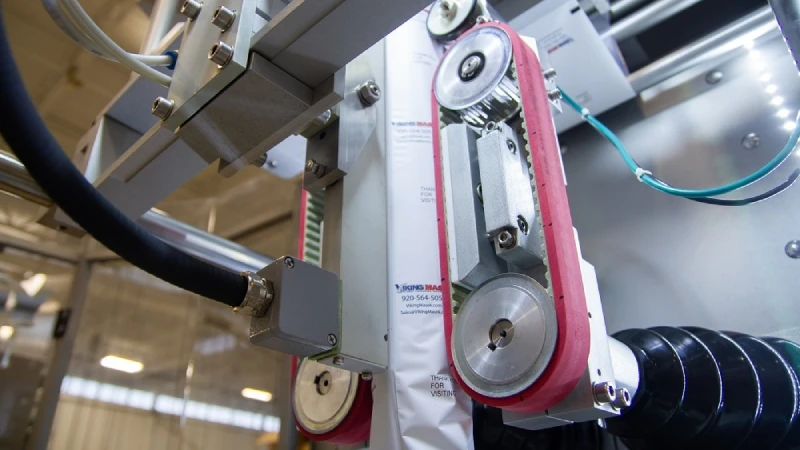
You need to know about the coefficient of friction when using an automatic packaging film roll. This measurement tells you how much two surfaces resist sliding against each other. In packaging, COF affects how easily film moves in machines and how steady products are during storage and shipping.
COF testing checks how slippery the film is and keeps products steady.
High friction values stop packages from sliding and help prevent damage.
Low friction values can make things move too much and cause damage.
The right COF helps machines work well and stops jams.
Picking the right COF for film rolls makes work more reliable and saves money. BN PACK’s Rolls film packaging is made for fast and steady use. If you understand COF, you can make your packaging better and choose good suppliers, even those from China.
COF Basics in Automatic Packaging Film Roll
What Is Coefficient of Friction
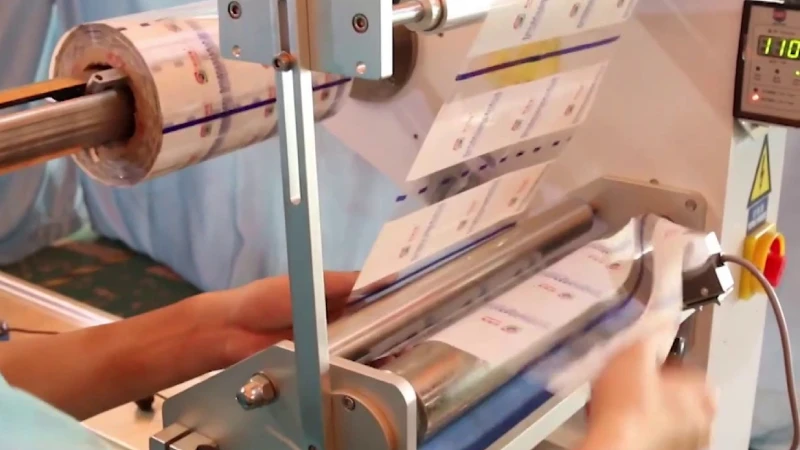
It is important to know about the coefficient of friction when you use automatic packaging film rolls. This value shows how much two surfaces push against sliding. In packaging, it tells you how the film works with machine parts and other things.
The coefficient of friction helps you see how film rolls work with machines.
If you control COF, you can make machines work better and stop problems.
What the film is made of changes the coefficient of friction a lot.
Things like humidity, temperature, and how clean the surface is also change the coefficient of friction in packaging film rolls.
The right COF makes your packaging process work well and stay steady. If you do not pay attention, you might have trouble with film slipping or sticking.
Static vs. Kinetic COF
You will hear about static COF and kinetic COF. Static COF is the force needed to start moving the film. Kinetic COF is the force needed to keep the film moving after it starts. Static coefficient of friction matters when you first move the packaging film. This is important when machines start working. Kinetic coefficient of friction matters when the film is already moving. It helps the film move smoothly through the machine. If static COF is high, it is hard to feed the film into the machine. If kinetic COF is high, the film can wrinkle or tear when sealing. You need to know both to keep your packaging line working well.
COF Relevance for Packaging Films
COF is very important for how packaging film works. You need the right amount for your job. Here is a table to show the differences:
COF Type | Characteristics | Implications |
|---|---|---|
High COF | More resistance to sliding, good for stability | Stops shifting during shipping, but can slow fast machines |
Low COF | Slicker, lets things move easier | Makes automated lines faster, but can cause problems when stacking |
The right COF stops the film from slipping or getting out of place on machines. It helps feed the film evenly and cuts down on machine stops. The right COF also keeps the film safe and makes sure your products stay steady during packing and shipping.
COF Importance for Packaging Performance
Machine Efficiency and COF
It is important to watch the coefficient of friction when using film rolls. The right COF helps machines work well and keeps things moving. If friction is too high, machines can get stuck. If friction is too low, packages might slip and cause accidents. The table below shows what happens with different COF values:
COF Value | Effect on Packaging Machine Efficiency |
|---|---|
Low COF | Packages may slide too much and cause accidents |
High COF | Machines can jam because there is too much friction |
Both high and low COF can cause trouble. You need a balanced COF to keep your line safe and working well.
Product Quality Impact
The coefficient of friction also changes how good your packages look and work. When you control COF, the film moves and seals the right way. This keeps your products safe and looking nice.
COF changes how packaging slides, which is important for good seals and looks.
A steady COF helps keep things lined up and stable during packing, which helps how it works and looks.
Different packaging needs different COF, and the wrong COF can make things unstable, crooked, or too hard to move.
You want your packages to look neat and keep your product safe. The right COF helps you do this.
Common Issues from Incorrect COF
If you do not control the coefficient of friction, you can have many problems. These problems can slow down your work and make wrapping worse. The table below lists some common problems and what might cause them:
Operational Issue | Possible Causes |
|---|---|
Film unwind fault | – COF is too high |
Bad vertical/cross seals | – Film roll is ending |
You can stop many of these problems by picking the right COF for your film. This helps your packaging work well and keeps your products safe.
Measuring COF in Packaging Films
COF Test Methods
It is important to measure cof so your packaging film works well. Measuring cof tells you how slippery or sticky your film is. People use a friction tester for this job. The usual way is to pull a piece of film over a surface at the same speed. There are different ways to test a material’s cof. Each way follows rules from national and international groups. Here is a table that lists the main ways:
Method | Description |
|---|---|
JIS K7125 | Uses set weight, size, and speed to measure static and kinetic cof. |
ASTM D1894-16 | Measures cof by pulling film at constant speed across a surface. |
ISO 8295 | Tests against different materials, not just the same type of film. |
ASTM D1894-16 is the most common way to measure the coefficient of friction in packaging films. You can use it to compare different films.
Industry Standards
You need to follow certain rules when you test packaging films. These rules help you get results you can trust. National and international standards like ASTM D1894 and ISO 8295 give you the steps for measuring cof. These rules tell you how to set up your test and what tools to use. Here is a table that explains the main rules:
Standard | Description |
|---|---|
ASTM D1894 | Standard Test Method for Static and Kinetic Coefficients of Friction of Plastic Film and Sheeting. |
ISO 8295 | Plastics — Film and sheeting — Determination of the coefficients of friction. |
You should use these rules so your results are what others expect.
Interpreting COF Results
After you measure cof, you need to look at your numbers. You want to know if your film will work in your packaging machine. The coefficient of friction formula helps you find the right number. You check both static cof and kinetic cof. Static cof shows the force to start moving the film. Kinetic cof shows the force to keep it moving. You must keep your test conditions the same, because things like temperature and humidity can change friction. New friction testers give you exact and repeatable numbers. They test many packaging materials and show data in easy graphs. Automated testing makes your work faster and helps you make fewer mistakes. Here is a table that shows what a good friction tester can do:
Feature | Description |
|---|---|
Precision Measurement | Gives accurate and repeatable measurements of frictional properties. |
Versatility | Tests many packaging materials, simulating real-world situations. |
User-Friendly Interface | Has simple controls and clear displays for easy data analysis. |
Automated Testing | Speeds up testing and lowers human error. |
Measuring cof helps you pick the best film for your packaging line and keeps your products safe.
Ideal COF Values and Product Selection
Recommended COF Ranges
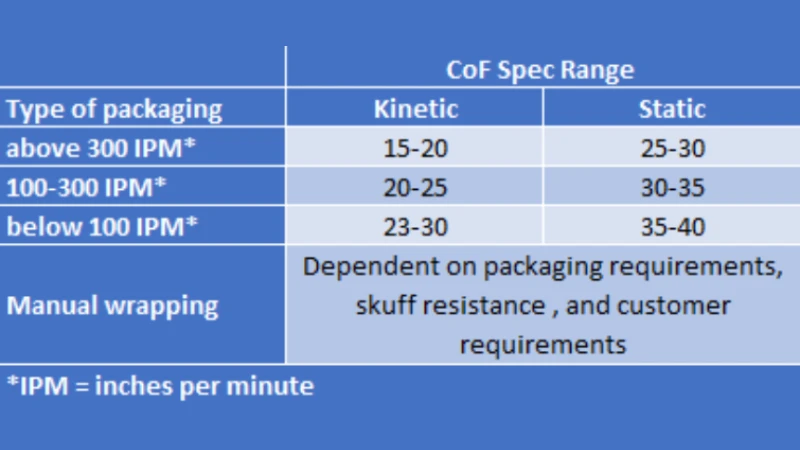
You need to know the best COF for your packaging film roll. The right COF depends on what you pack and how fast your machine works. Cigarette packaging needs a COF from 0.25 to 0.40. This range lets the film move well in fast machines and keeps things steady.
Other packaging types may need different COF numbers. Always look at your machine’s guide or ask your supplier for advice. If your COF is too high, the film might stick or jam. If it is too low, packages can slip or not seal right.
Cigarette packaging: COF 0.25–0.40
Food and snacks: Usually COF 0.20–0.35
Pharmaceuticals: Often COF 0.25–0.40
Note: The right COF helps your film move fast and keeps products safe.
Selecting Rolls Film Packaging
When you pick a film for your packaging roll, you want one that fits your needs. BN PACK’s Rolls film packaging has many good features. The film uses layers to block oxygen, moisture, and light. These layers keep your products fresh and safe.
BN PACK’s film works well in fast machines. It has anti-blocking additives like talc or silica. These lower the COF and stop the film from sticking to itself. The inside layer uses polyethylene for more protection. A light barrier, like an aluminum coating, keeps food fresh. The film also has a migration barrier to stop plastic from getting into food.
You can change BN PACK’s film to fit your product. You can pick the size, thickness, and add things like clear windows or special coatings. Customizing lets you control the COF. You can choose a slicker surface for faster machines or a higher COF for more grip.
Here are some features that help you get the right COF and better packaging:
Oxygen barrier to stop spoilage and keep food safe
Light barrier to protect freshness
Anti-blocking additives to lower COF and help sliding
Custom surface textures for different machine speeds
Options for clear or frosted windows to show your product
Tip: Customizing your film helps you get the best COF for your machine and product.
COF Control Tips
You can control COF in your packaging film rolls by following easy steps. These tips help you get good results and keep your line running well.
Keep your film samples at 23 ± 2°C and 50 ± 5% humidity for at least 24 hours before testing.
Check your COF tester often to make sure it works right.
Use clean, flat film samples with no folds or dirt.
Test both static and kinetic COF, since they can be different.
Test several samples and use the average COF for better results.
New film technology also helps you control COF. Many films now use dual-function additives. These additives help control COF and make the film work better in machines. Some films use a single masterbatch, which makes production easier and lowers mistakes. Slip agents lower COF and help the film slide better. Anti-blocking properties stop the film from sticking to itself.
Feature | Benefit |
|---|---|
Dual-function additives | Better COF control and machine compatibility |
Single masterbatch | Fewer production errors |
Slip capabilities | Lower COF, smoother sliding |
Anti-blocking properties | Less sticking and tearing |
Simplified production | Easier and faster manufacturing |
Remember: Always check your COF values and pick the right film for your machine and product. This helps you avoid problems and get the best results from your packaging film roll.
Evaluating Suppliers for Packaging Film Rolls
Solvent Retention Control
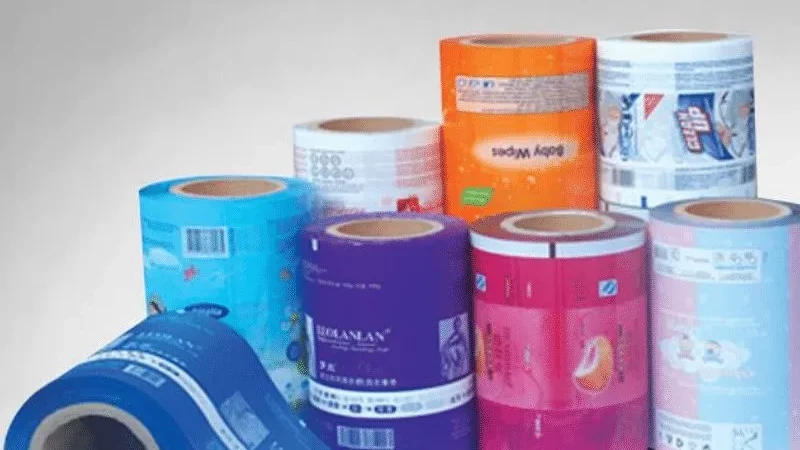
When picking a supplier for packaging film rolls, check how they handle solvent retention. Solvent retention can change the cof and affect product safety. If a film roll keeps too much solvent, the friction might change later. For example, rolls stored for a long time can lose their slickness. This can cause problems on your packaging line. You want a supplier who tests and controls solvent levels. This keeps the cof steady. It helps your packaging run well and keeps products safe.
Suppliers should watch solvent retention to keep cof in range.
Rolls that lose slip can cause stacking and machine trouble.
Good solvent control means safer products and steady friction.
Cutting Flatness
Cutting flatness is also important when picking a supplier. Flat, even cuts help film feed into machines the right way. Uneven cuts can cause jams or bad seals. Ask your supplier about their cutting process. Good suppliers use advanced machines for flat edges on every roll. This helps your packaging line run without stops.
Tip: Flat cuts help stop film jams and make your packages look better.
Delivery Time and Reliability
You need a supplier who delivers on time and keeps your work on track. Reliable delivery means you do not have to stop and wait for film. Suppliers with strong inventory can handle sudden orders and keep your business moving. Fast, local shipping helps you get film quickly. Steady delivery helps keep cof stable and cuts down on waste from machine stops.
Reliable suppliers keep your line running.
Good inventory helps with sudden demand.
On-time delivery keeps friction and packaging quality steady.
China Supplier Advantages
Suppliers from China give you many good things for packaging. They have a full supply chain, from research to making the film. This helps them control quality and save money. You can pick from many materials, like PE, PET, aluminum foil, and nylon. These suppliers offer strong film, moisture resistance, and can handle hot or cold. You also get choices for custom film and advanced machines for better quality.
Parameter | Description |
|---|---|
Material Type | PE, Aluminum Foil, PET, Nylon, etc. |
Thickness | 25–200 µm |
Tensile Strength | ≥ 100 MPa |
Tear Strength | ≥ 2 N/mm |
Moisture Permeability | 0.1–10 g/m²·24h |
Temperature Resistance | -40°C to +120°C |
High-quality materials and custom options
Good prices for packaging
Advanced factories for fast delivery
Strong film and low making costs
You get strong, safe, and low-cost packaging when you choose a trusted China supplier.
You need to know and control the coefficient of friction in automatic packaging film rolls. This helps your packaging line work well. The right cof stops problems and keeps products safe. BN PACK’s Rolls film packaging works well and protects your products. When picking a supplier, check for good solvent retention, flat cuts, and quick delivery. Buying from China can help you save money when you order a lot.
Aspect | Importance |
|---|---|
Static COF | Keeps layers steady and easy to unwind |
Kinetic COF | Helps machines work fast and smooth |
Friction Role | Makes sealing and printing better |
Test friction to fit your packaging job.
Use approved tools to get correct cof numbers.
Choose suppliers who deliver on time and check quality.