
You know shipping coffee can eat up a big chunk of your budget—sometimes 5-10% of total sales.
Rising shipping costs, energy inflation, and supply chain delays have pushed coffee prices higher for everyone.
Smart packaging choices, like BN PACK coffee bags, help you protect your beans and keep costs in check.
Shipping Coffee Cost Factors
Carrier Rates
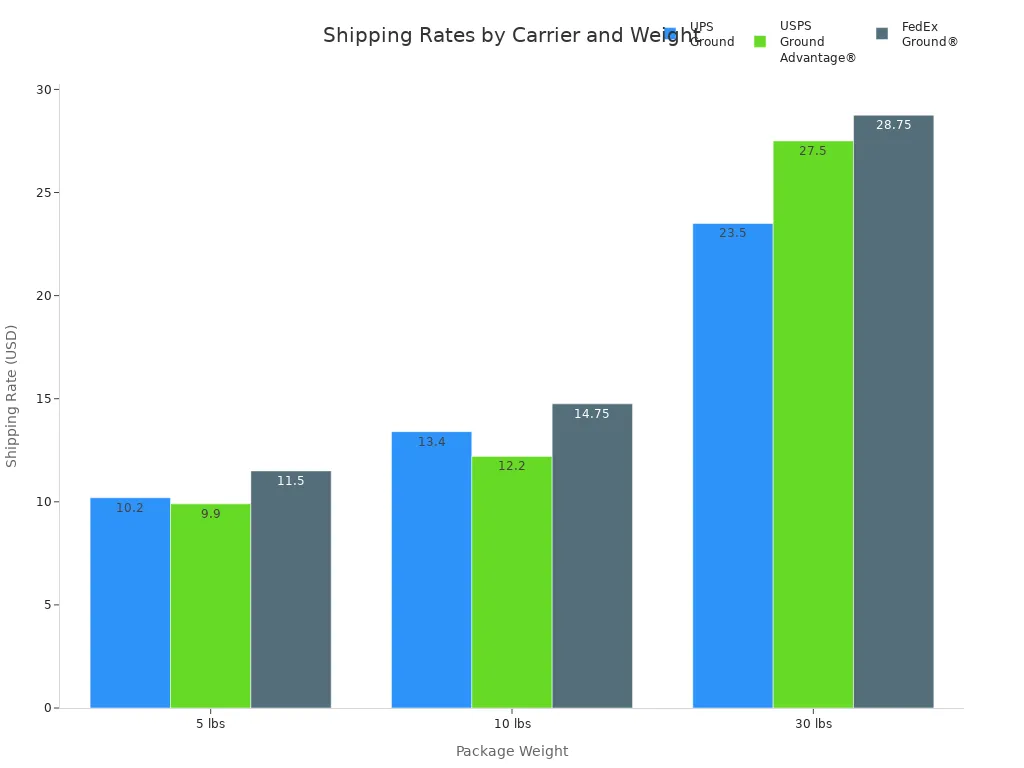
Carrier rates can make or break your shipping budget. Each carrier sets its own prices based on weight, size, and delivery speed. Here’s a quick look at how some popular services compare:
Carrier Service | Weight Limit | Delivery Window | Tracking Available |
|---|---|---|---|
USPS Priority Mail Cubic | 2-20 pounds | 1-3 days | Yes |
UPS Ground | Up to 150 pounds | 1-5 days | Yes |
FedEx Home Delivery | Up to 150 pounds | 1-5 days | Yes |
You want to choose a carrier that matches your order size and delivery needs. Rates can change by region, so always check before you ship.
Packaging Choices with BN PACK Coffee Bags
Packaging does more than protect your coffee. It also affects your shipping costs. BN PACK coffee bags come in standard sizes, which helps you save money through bulk buying and economies of scale. You can pick eco-friendly materials that support your sustainability goals and may even lower your costs. Pre-made designs often cost less than custom options, so you get quality and savings.
Tip: Using BN PACK coffee bags keeps your specialty coffee fresh and your brand looking sharp, all while helping you control shipping expenses.
Order Size
Order size matters. Shipping a single bag of coffee costs more per unit than sending a full box. When you batch orders, you spread the shipping price across more products, which helps you save.
Destination
Where you ship your coffee changes the price. Domestic shipping often comes with free or discounted rates for larger orders, while international shipping depends on weight, destination, and method. For example, shipping to Canada may add customs fees.
Delivery Speed
Faster delivery means higher costs. Air freight gets your coffee to customers quickly and keeps quality high, but it costs more. Sea freight works for big shipments and saves money, but takes longer.
Shipping Options for Small Roasters
Major Carriers
You probably know the big names—USPS, UPS, and FedEx. Each one offers different rates, speeds, and reliability. For small packages, USPS First Class Mail works well if your coffee weighs 14 oz or less. If you ship more than that, USPS Priority Mail gives you faster delivery and good rates. Many small roasters use Priority Mail Cubic, which bases the price on box size, not just weight. UPS and FedEx handle heavier or larger shipments and offer more delivery speed options.
Carrier | On-Time Delivery Rate | Shipping Speed Options |
|---|---|---|
UPS | 97.5% | Next Day Air, 2-Day Air, UPS Ground |
FedEx | 95.2% | Same-Day, Overnight, 2-Day |
USPS | 94.3% | Priority Mail Express, Priority Mail, First-Class Mail |
Regional Couriers
Regional couriers can save you money if you ship coffee within a specific area. These companies often offer lower prices and faster delivery for local orders. You might find better customer service and more flexible pickup times, too. If your customers live nearby, regional couriers can help you keep shipping coffee affordable.
Fulfillment Services
Fulfillment services take care of packing and shipping for you. They communicate about pick-ups, delivery times, and any issues. These services use their buying power to lower freight costs, which helps you manage your price. You also get faster shipping turnaround, so your specialty coffee reaches customers quickly and stays fresh.
Pros and Cons
Major Carriers: Reliable, nationwide coverage, but prices can rise for heavy or fast shipments.
Regional Couriers: Lower cost for local orders, but limited reach.
Fulfillment Services: Save time and money, but you give up some control over packing.
Tip: Using BN PACK coffee bags helps you fit more coffee in each box, which can lower your shipping rates and protect your product during transit.
Reducing Shipping Coffee Costs
Negotiating Rates
You don’t have to accept the first shipping offer you get. Carriers expect you to negotiate, especially if you ship coffee regularly. Here are some ways you can secure better rates:
Negotiate volume rates. Carriers often give discounts if you ship consistently.
Batch your shipments. Sending one larger order each month can cost less than many small ones.
Plan subscription deliveries. Regular, predictable shipments help you get better deals.
You can also use these strategies to boost your leverage:
Expand your view of leverage. Think about what makes your business valuable to a carrier.
Link your negotiations. Agreements in one area can help you in another.
Master timing and sequencing. Plan when to bring up each negotiation point.
When you approach negotiations with a plan, you can lower your shipping coffee costs and keep your prices competitive.
Optimizing Packaging with BN PACK
Packaging plays a huge role in your shipping expenses. BN PACK coffee bags give you an edge by combining protection, efficiency, and brand appeal. Take a look at how these bags help you save money and reduce product damage:
Feature | Benefit |
|---|---|
Lightweight & Durable | Reduces shipping costs compared to rigid containers due to lower weight. |
Streamlined Logistics | Optimizes storage and shipping space with pre-configured sizes. |
Leak-Proof Design | Prevents spills during transport with reinforced seams and heat-sealed edges. |
Strength Features | 200-micron thickness and reinforced seams prevent punctures, ensuring product safety. |
Testing | Bags pass compression tests (15kg load) and humidity simulations. |
Client Feedback | Clients report less than 1% damage rates, even for cross-continent logistics. |
When you use BN PACK coffee bags, you fit more specialty coffee in each box, cut down on wasted space, and protect your beans from damage. This means fewer returns and happier customers.
Tip: Optimized packaging not only saves you money but also keeps your coffee fresh and your brand looking professional.
Batching Orders
Batching orders can make a big difference in your shipping process. Here’s how batching helps you:
Improved efficiency. You handle multiple orders at once, which saves time and labor.
Faster order processing. Customers get their coffee sooner, which boosts satisfaction.
Consistent workflows. Standardized procedures make training new staff easier.
Reduction of errors. Inventory systems paired with batching help you avoid mistakes.
If you batch orders, you can process more shipments in less time and keep your costs under control.
Shipping Incentives
Want to encourage bigger orders and offset rising costs? Shipping incentives work wonders. Many coffee roasters offer free shipping when customers reach a certain price threshold. Here’s what happens:
Free shipping often leads to more orders and a higher average order value.
About 60% of ecommerce businesses say “free shipping with conditions” is their most effective marketing strategy. Customers love adding an extra bag of coffee to qualify.
You can use shipping incentives to boost sales and make your prices feel more attractive, even when shipping costs go up.
Technology Tools
Modern technology can help you manage shipping coffee more efficiently. Tools like Katana’s coffee roasting software give you real-time inventory management, purchase tracking, and sales order management. These features help you make smarter decisions and avoid overstocking.
Integrated systems provide real-time visibility into inventory levels, helping you maintain optimal stock without over-investing. Businesses using these systems have reported a 25% reduction in carrying costs and a 20% decrease in stockouts, which directly impacts shipping efficiency.
With the right software, you can automate purchase orders, track sales, and forecast demand. This keeps your shipping process smooth and your costs in check.
Communicating Shipping Costs
Transparency
You build trust with your customers when you’re open about shipping coffee costs. People want to know what they’re paying for, especially when prices change. Try listing tariffs and shipping fees as separate line items on invoices. This helps customers understand why the price might be higher than before. You can also share details like the FOB (Free On Board) price or even the Farm Gate price. These numbers show what goes into getting coffee from the farm to their doorstep. When you explain extra costs like milling or storage, you show respect for your customers’ intelligence.
Key Point | Description |
|---|---|
Transparency | Openly display tariff and shipping costs to build trust. |
Customer Education | Clearly communicate shipping costs to help customers understand pricing. |
Competitive Edge | Transparency helps you stand out and keeps customers coming back. |
Setting Expectations
Clear communication helps you set realistic expectations. Let your customers know how long shipping coffee might take, especially if you’re dealing with direct trade or international orders. You can use inventory tools to keep track of orders and update customers about their delivery status. When you keep people in the loop, they feel valued and are more patient if delays happen. Sharing your process helps everyone stay on the same page.
Share estimated delivery times at checkout.
Update customers if there are any delays.
Use order management tools to keep information organized.
Marketing Shipping Offers
You can turn shipping into a marketing win. Offer free shipping on larger orders or bundle products to encourage bigger purchases. Customers love deals, and these offers can help offset concerns about rising coffee price. You might also partner with other brands for joint promotions or reward loyal customers with shipping discounts. When you make shipping part of your marketing, you boost sales and keep your customers happy.
Tip: Always highlight your shipping offers in your store and on social media. This draws attention and gives shoppers another reason to choose your coffee.
Coffee Price Surge and Shipping
Market Trends
You have probably noticed the coffee price surge at your local shop or online store. Several market trends are driving these higher prices:
In December 2024, U.S. consumers paid 6.6% more for coffee than the year before. In the European Union, prices went up by 3.75%.
Shipping costs for a standard 40-foot container from Shanghai to New York hit nearly $10,000 in mid-2024, which is double what it was in February.
Geopolitical tensions have forced ships to take longer routes, raising costs and causing delays.
Supply chain disruptions, like port strikes, have made it harder to get coffee beans on time.
Fuel price hikes and economic instability have pushed up the cost of coffee beans and shipping.
Climate change and the pandemic have also played a role, making the coffee industry even more unpredictable.
These factors all add up, making the rising costs a real challenge for everyone in the coffee business.
Impact on Small Roasters
If you run a small roasting business, you feel the squeeze from both sides. You can try to absorb higher shipping costs, but that eats into your profit. Raising your price might scare off loyal customers, especially since many see coffee as a daily must-have, not a luxury. You also want to keep trust with your buyers, so every decision matters.
Here are some ways you can manage these challenges:
Use cost-effective packaging like BN PACK coffee bags. These bags help you save on shipping and keep your coffee fresh.
Batch your orders to lower per-unit shipping costs.
Stay flexible with your shipping partners and look for regional couriers when possible.
Communicate openly with your customers about why prices change.
Tip: Smart packaging and honest communication help you stay competitive, even when the cost of coffee beans and shipping keeps climbing.
You can tackle the coffee price surge by reviewing your shipping strategy often. Try BN PACK coffee bags to boost freshness and brand appeal.
Sustainable packaging attracts buyers.
Managing shipping costs helps you control price and stay profitable.
Stay flexible and keep your business competitive, no matter how the coffee price surge hits.