
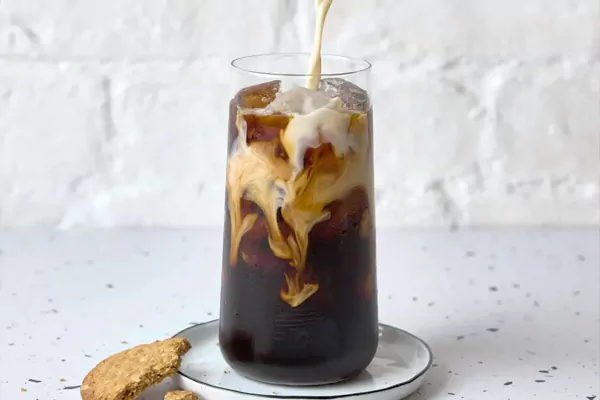
The coffee landscape is evolving at a breakneck pace. Driven by a demand for both premium quality and ultimate convenience, the ready-to-drink (RTD) and coffee-at-home markets have exploded. At the heart of this revolution is a versatile, powerful, and often misunderstood product: coffee concentrate.
For consumers, it represents a shortcut to a great cup of coffee. For cafés, it’s a tool for speed and consistency. And for ambitious coffee brands, it represents a massive market opportunity.
But what exactly is it? Is it just strong coffee? Is it the same as cold brew? How is it made, and what can you do with it? This guide will provide a clear definition of coffee concentrate, explore its diverse applications, and explain why it has become an essential product for any coffee business looking to innovate and scale.
What is Concentrated Coffee?

At its core, concentrated coffee is a potent, undiluted coffee base brewed with a very high ratio of coffee grounds to water. Unlike a standard cup of drip coffee, which is brewed to be immediately drinkable, concentrate is designed to be diluted with water, milk, or other liquids to create a finished beverage. The key characteristic is its high percentage of Total Dissolved Solids (TDS), meaning it packs a significant amount of coffee flavor into a small volume.
To truly understand what concentrate is, it’s helpful to distinguish it from other common coffee preparations:
Coffee Concentrate vs. Cold Brew: This is the most common point of confusion. While many coffee concentrates are made using the cold brew method, the terms are not interchangeable. Cold brew is a brewing method (using cold water); concentrate is a final strength (a high coffee-to-water ratio). You can have a ready-to-drink cold brew that is not a concentrate, and you can have a concentrate that was brewed with hot water.
Coffee Concentrate vs. Espresso: While both are concentrated forms of coffee, they are created differently and serve different purposes. Espresso is brewed in seconds under high pressure, resulting in a unique texture (crema) and flavor profile. It’s a finished, ready-to-drink beverage. Concentrate is typically brewed over a much longer period (minutes or hours) via immersion or infusion and is an ingredient intended for dilution.
Coffee Concentrate vs. Strong Coffee: A “strong” cup of drip coffee might have a slightly adjusted ratio, but it’s still brewed within a drinkable range. Concentrate is brewed at a ratio that makes it unpalatably strong on its own (e.g., 1:4 coffee-to-water) and requires dilution to be balanced.
How is Coffee Concentrate Made?

Commercial coffee concentrate is typically produced using one of two methods, each with its own benefits and flavor profile characteristics.
The Cold Brew (Immersion) Method
This is the most popular method for creating specialty coffee concentrate. Coarsely ground coffee is steeped in cold or room-temperature water for an extended period, usually between 12 and 24 hours. The ratio of coffee to water is very high, often around 1:4 or 1:5. After steeping, the grounds are filtered out, leaving a smooth, low-acid, and naturally sweet concentrate. This method is praised for its rich, chocolatey flavor profile and is relatively simple to execute, though it requires significant time.
The Hot Brew (Batch) Method
For larger scale production, many brands use a hot brewing method for speed and efficiency. This involves using industrial-grade brewing equipment to pass a controlled amount of hot water through a large bed of coffee grounds, extracting the coffee solids at a very high concentration. The resulting hot concentrate is then rapidly chilled to preserve its flavor and prevent oxidation. This method can extract a wider range of acids and aromatic compounds, often resulting in a brighter, more complex concentrate than its cold-brewed counterpart.
What is Coffee Concentrate Used For?
The versatility of coffee concentrate is its greatest strength, opening up numerous applications and revenue streams for a coffee business.
For Cafés and Foodservice: In a busy café, speed is everything. Concentrate is a game-changer for iced beverages. Instead of pulling multiple espresso shots (which melt ice and take time), a barista can simply pump a measured dose of concentrate to make instant iced coffees, lattes, and blended drinks with perfect consistency every time.
For Ready-to-Drink (RTD) Beverages: Concentrate is the foundational ingredient for the booming RTD market. It serves as the potent coffee base for canned cold brews, bottled iced lattes, coffee milk drinks, and coffee-infused energy drinks.
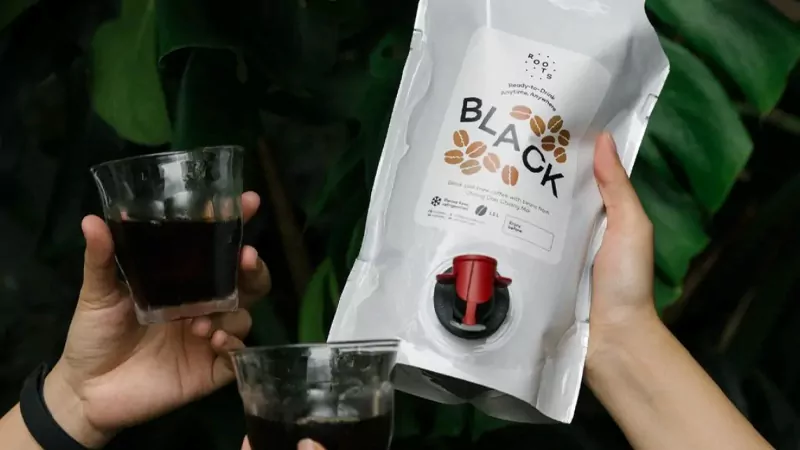
For the At-Home Consumer: Packaged for retail, coffee concentrate empowers consumers to be their own barista. They can quickly make a cup of hot coffee by adding hot water, or an iced coffee by adding cold water, milk, or plant-based alternatives. It offers café-quality results with zero prep time.
As a Culinary Ingredient: Beyond beverages, coffee concentrate is a powerful flavoring agent. Its liquid form makes it easy to incorporate into recipes, from classic desserts like tiramisu and coffee ice cream to savory applications like steak marinades, BBQ sauces, and complex cocktail creations like the perfect espresso martini.
The Business Benefits of Offering Coffee Concentrate
For a coffee roaster or brand, producing and selling coffee concentrate is a powerful strategic move.
- Product Diversification: It allows you to enter the lucrative RTD and convenience markets, reaching a new customer base beyond whole-bean coffee enthusiasts.
- Exceptional Consistency: Batch-produced concentrate eliminates the variables of on-demand brewing, ensuring your product tastes exactly the same every single time.
- Increased Efficiency and Speed: In a commercial kitchen or café, it dramatically reduces labor costs and customer wait times.
- Enhanced Shelf Life: When produced and packaged correctly, coffee concentrate is shelf-stable for a much longer period than brewed coffee, reducing waste and simplifying logistics.
Packaging: The Key to Commercial Success
Once you have produced a high-quality, delicious coffee concentrate, the final and most critical step is packaging. The right package must protect the product’s delicate flavor, provide an excellent user experience, and represent your brand’s commitment to quality.
For a liquid product like coffee concentrate, traditional packaging like glass bottles or rigid jugs can be heavy, fragile, and inefficient. This is why the Liquid Spout Pouch has become the gold standard for modern beverage brands.
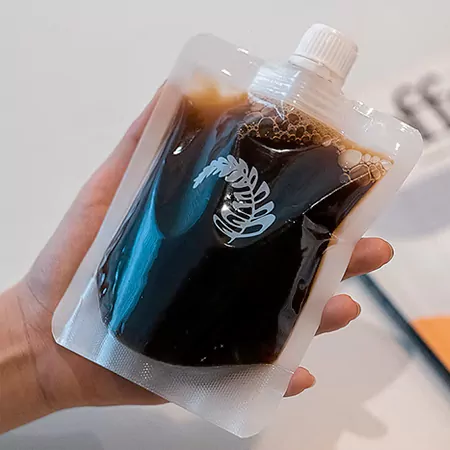
Our spout pouches are engineered to solve the specific challenges of packaging coffee concentrate:
- Flavor Preservation: Constructed with multi-layer, high-barrier films, our pouches provide superior protection against oxygen—the primary enemy of fresh coffee flavor—ensuring a longer shelf life and a better-tasting product.
- User Convenience: The integrated spout allows for precise, splash-free pouring, while the screw-on cap provides a secure, airtight seal for multi-use applications. This is ideal for both a barista in a busy café and a consumer at home.
- Efficiency and Sustainability: Spout pouches are lightweight and shatterproof, dramatically reducing shipping costs and the risk of product loss. They also require significantly less material and energy to produce than rigid containers.
- Maximum Brand Impact: The flat, continuous surface of the pouch offers a vibrant, 360-degree canvas for your branding, ensuring your product stands out on the shelf.
Conclusion
Coffee concentrate is far more than just strong coffee; it’s a versatile ingredient, a business solution, and a key to unlocking new markets. It perfectly meets the modern consumer’s demand for high-quality products that fit seamlessly into their busy lives. For coffee brands willing to innovate, understanding and harnessing the power of concentrate is no longer an option—it’s the future.