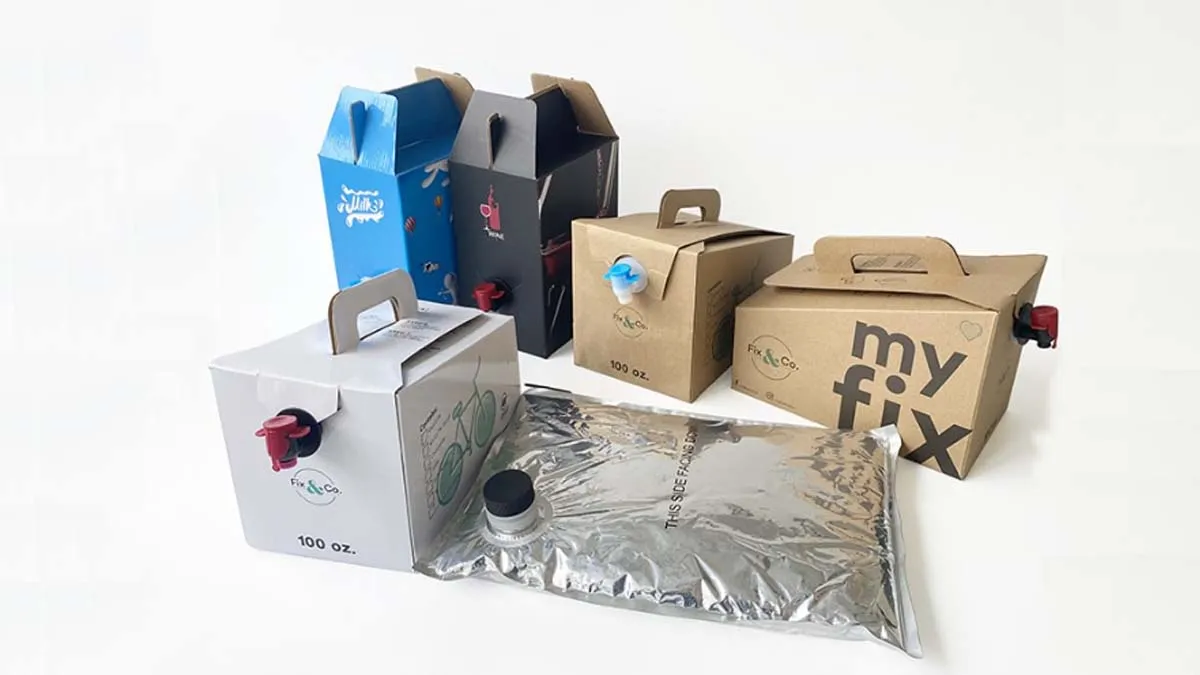

What is Bag in Box Packaging? This packaging system uses a flexible bag inside a sturdy outer box, along with a dispensing tap for easy pouring. The design protects liquids like wine, juice, milk, and even industrial chemicals from air exposure, which helps extend shelf life and reduce waste. Many industries rely on Bag in Box Packaging because it offers convenience, uses less plastic, and supports recycling efforts.
The table below shows how different sectors use Bag in Box Packaging and highlights key market trends:
| Industry Sector | Common Products/Applications | Market Size / Volume | Growth & Trends |
|---|---|---|---|
| Food & Beverage | Wine, juices, dairy, coffee, tea, milk | 5-20 liters most prominent | CAGR 6.9% (2024-2030); Europe leads, Asia Pacific fastest growth |
| Industrial Liquids | Chemicals, lubricants | Above 20 liters capacity important | Steady growth; preferred for production line use |
| Household Products | Detergents, cleaning solutions | Emerging segment | Growing global momentum for sustainability |
Key Takeaways
- Bag in Box Packaging uses a flexible bag inside a sturdy cardboard box with a tap for easy pouring, keeping liquids fresh longer by blocking air and light.
- This packaging saves space, reduces plastic use by up to 85%, lowers shipping costs, and supports recycling, making it an eco-friendly choice.
- It suits many products like wine, juice, milk, chemicals, and cleaning solutions, offering safe, hygienic storage and easy dispensing.
- The filling process uses automated machines to seal the bag tightly, preventing leaks and contamination, which extends shelf life and reduces waste.
- While it may lack the premium look of glass, Bag in Box Packaging offers strong cost savings, better transport efficiency, and helps companies meet sustainability goals.
What is Bag in Box Packaging
What is Bag in Box Packaging? This packaging system uses a flexible, multi-layer plastic bag as the main container for liquids. The bag sits inside a sturdy, recyclable cardboard box. A plastic tap or valve attaches to the bag for easy dispensing. This design protects the product from air and light, which helps keep it fresh for a longer time. Most Bag in Box Packaging uses much less plastic than traditional rigid containers. The outer box is usually made from corrugated cardboard, which is renewable and biodegradable. Many companies choose this packaging because it reduces waste and supports recycling efforts.
Key features that set Bag in Box Packaging apart from other liquid packaging solutions include:
- The packaging reduces carbon footprint by up to eight times compared to glass bottles.
- It uses about 85% less plastic than rigid containers.
- The system cuts transport emissions and lowers logistics costs.
- Production requires less water and energy than other packaging types.
- Hermetically sealed packaging improves hygiene and extends shelf life by preventing air from entering.
The main components of Bag in Box Packaging are:
- Multi-layer film bag that protects the liquid from contaminants.
- Spout or fitment for filling and dispensing, often covered by a cap or tap.
- Outer box that provides structural support and protection during transport.
Note: Experts say Bag in Box Packaging keeps products fresh for months by stopping air from entering during dispensing. The packaging arrives flat, which saves space and reduces shipping costs.
Bag in Box How It Works
What is Bag in Box Packaging in action? The process starts with filling the bag with liquid or semi-liquid products. Automated machines fill the bag through the fitment, then seal it to prevent leaks and contamination. After filling, the bag goes into a corrugated cardboard box. The fitment sticks out through a pre-cut hole in the box, making it easy to access.
Here is a simple step-by-step overview:
- The system fills the bag with the product using preset levels for accuracy.
- The machine seals the bag to keep the liquid safe and hygienic.
- The filled bag is placed inside the outer box, with the tap or valve positioned for easy use.
- The user dispenses the product by operating the tap or valve. As the liquid leaves, the bag collapses, which stops air from getting in and keeps the product fresh.
Bag in Box Packaging machines can be semi-automatic or fully automatic. Fully automatic machines handle all steps, including air removal, nitrogen injection, filling, sealing, and bag ejection. These machines work quickly and can fill up to six 20-liter bags per minute. They also use advanced sealing technology to ensure every bag is tightly closed.
Bag in Box Packaging offers a reliable and efficient way to store and dispense liquids. The system keeps products safe from contamination and extends shelf life, making it a popular choice for many industries.
Structure and Materials

Inner Bag
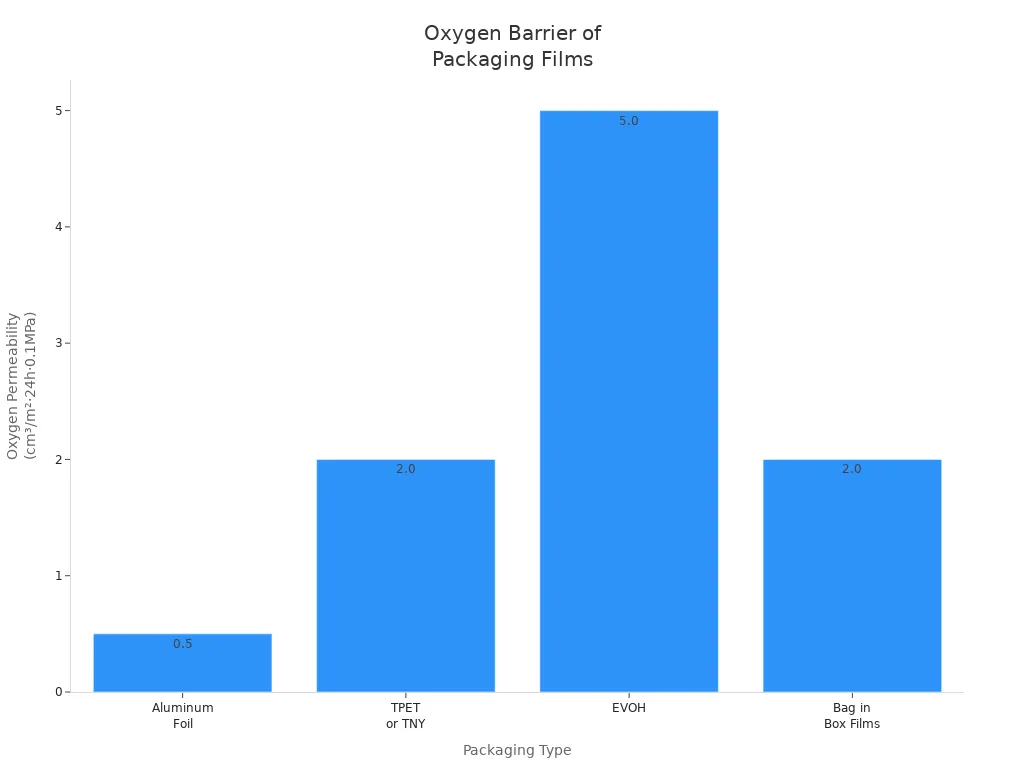
The inner bag forms the core of Bag in Box Packaging. Manufacturers use several types of plastic films to create this bag. Common materials include polyethylene (PE) for its flexibility and chemical resistance, and polyethylene terephthalate (PET) for strength and stability. Some bags feature layers of aluminum foil or vacuum metallized PET (VMPET) to block oxygen, moisture, and light. These barriers help keep liquids fresh and safe for longer periods. Nylon laminations and co-extrusions add extra durability, especially for products that need vacuum packaging. Polypropylene films can withstand higher temperatures, making them suitable for products that require sterilization.
- Polyethylene (PE): Flexible, food-safe, and heat-sealable
- Polyesters (PET): Strong and stable
- Aluminum foil: Highest barrier against oxygen and moisture
- VMPET: Good barrier at a lower cost
- Nylon: Extra strength and durability
- Polypropylene: Heat-resistant for special uses
Choosing high-quality, food-grade materials for the inner bag prevents contamination and ensures product safety. The airtight design, often with a one-way valve, keeps air out and preserves freshness even after opening.
Outer Box
The outer box provides structure and protection. Most boxes use corrugated fiberboard, which consists of layers of liners and fluting. Kraft paper liners offer stiffness and durability, while test paper liners use more recycled fibers. The fluting comes in different types, such as A, B, C, E, and F, each offering unique levels of cushioning and strength. For heavy or fragile products, double or triple wall constructions add extra support.
- Kraft paper: Strong and mostly virgin fibers
- Test paper: More recycled content
- Flute types: A (thickest), B, C, E, F (thinnest)
- Single, double, or triple wall: Varying strength for different needs
Corrugated boxes are lightweight, recyclable, and biodegradable. Their design reduces environmental impact by lowering waste and emissions during production and transport.
Dispensing Tap
The dispensing tap controls the flow of liquid and keeps the contents safe from contamination. Its design prevents spills and leaks, creating a hygienic barrier between the product and the outside environment. As users pour the liquid, the bag collapses, which limits air contact and helps maintain freshness. In aseptic systems, the tap allows for sterile pouring, extending shelf life and reducing the need for preservatives.
| Connector Type | Best Used For | Special Feature |
|---|---|---|
| QCD | Soda, carbonated drinks | Fast swaps, U.S. standard |
| Scholle | Juice, dairy | High hygiene, pressurized use |
| Vitop® | Wine, cold brew | Oxygen protection, twist-lock |
Some taps use push buttons for easy home use, while others have levers or valves for precise control in commercial settings. The right tap ensures clean, efficient, and safe dispensing every time.
Features
Filling Process
Bag in Box Packaging uses a precise and hygienic filling process to protect product quality. The process involves several key steps, often completed by automated machines. These machines help maintain cleanliness and accuracy.
- Workers place the pre-made bag in position on the filling line.
- The machine automatically removes the tap or cap from the bag.
- A vacuum pump removes air from the bag to prevent oxidation.
- The machine fills the bag with the liquid, using flow meters for exact volume control.
- The tap or cap is pressed back into place to seal the bag tightly.
Specialized filling equipment, often made from stainless steel and food-grade materials, ensures hygiene. Some machines include nitrogen charging systems to further extend shelf life. Aseptic filling methods transfer sterilized products into pre-sterilized bags inside a sterile environment. This process prevents contamination and keeps the product fresh. Immediate sealing in a clean setting protects the contents from outside air and germs. Strong heat seals, created by controlled temperature and pressure, stop leaks and keep oxygen out. These steps help reduce spoilage, lower waste, and support food safety standards.
Tip: High-quality seals and sterile filling can extend shelf life and reduce the need for refrigeration.
Sustainability
Bag in Box Packaging stands out for its eco-friendly design. The system uses much less plastic than rigid containers—up to 90% less in some cases. This reduction cuts packaging waste by weight and lowers the carbon footprint.
- The packaging ships and stores flat before filling, saving space and reducing fuel use during transport.
- Flexible bags shrink as the product is used, allowing nearly all of the liquid to be dispensed and minimizing leftover waste.
- Both the bag and the box are recyclable, supporting circular economy goals.
- The design allows more units per pallet compared to bottles or jerrycans, which means fewer trucks on the road and lower emissions.
- Production methods use coextrusion technology, which reduces harmful emissions and makes recycling easier.
Bag in Box Packaging helps companies meet sustainability targets while also saving money on materials, shipping, and storage.
Uses
Food and Beverage
Bag in Box Packaging has become a popular choice in the food and beverage industry. Many companies use this system to package a wide range of products. The design keeps liquids fresh and makes dispensing easy.
Common products packaged in Bag in Box include:
- Wine
- Soda fountain syrup
- Milk
- Water
- Condiments like ketchup and mustard
Beverage makers also use Bag in Box for juice, tea, coffee, beer, and spirits. Liquid foods such as olive oil, liquid eggs, and ice cream bases often come in this packaging. Foodservice operators prefer Bag in Box for bulk condiments and sauces because it reduces waste and saves space.
| Product Category | Examples of Common Products Packaged in Bag-in-Box |
|---|---|
| Beverages | Juice, Post-Mix Syrup/Soft Drinks, Water, Wine, Beer, Spirits |
Over the past five years, the market for Bag in Box Packaging in food and beverage has grown quickly. Companies choose this system for its cost savings, sustainability, and ability to keep products fresh. The beverage sector leads this trend, with wine, juices, and concentrates driving demand. Many brands now use eco-friendly materials and larger package sizes to meet consumer needs. North America and Europe hold the largest market shares, while Asia Pacific shows rapid growth.
Tip: Bag in Box Packaging helps reduce plastic use and supports recycling, making it a smart choice for eco-conscious brands.
Industrial Applications
Bag in Box Packaging also serves many industrial uses. Manufacturers rely on this system to store and transport various liquids safely.
Common industrial products packaged in Bag in Box:
- Industrial chemicals
- Specialty chemicals
- Solvents and resins
- Paints and coatings
- Adhesives
- Auto fluids
- Liquid fertilizers, pesticides, and herbicides
This packaging offers several benefits for industrial applications. The rectangular shape allows more units per truck, which lowers transport costs and emissions. The flexible bag prevents leaks and protects products better than rigid pails. Warehouses save space because the boxes stack efficiently. Built-in spigots make dispensing easy and reduce waste.
| Benefit Category | Summary |
|---|---|
| Sustainability | Uses mostly recyclable cardboard, reduces plastic use and emissions, and biodegrades faster than pails. |
| Transportation Efficiency | Ships flat, fits more per truck, and lowers shipping costs. |
| Product Protection | Flexible materials prevent leaks and damage. |
| Space-Saving Storage | Rectangular shape stacks well, saving warehouse space. |
| Ease of Use | Spigots allow precise dispensing and minimize waste. |
Bag in Box Packaging supports green business goals and helps companies lower costs while protecting their products during storage and transport.
Pros and Cons
Advantages
Bag in Box Packaging offers several important benefits for both businesses and consumers. The lightweight and compact design helps companies save money on shipping and storage. Because the boxes stack neatly, warehouses can fit more units in less space. This reduces transportation emissions and lowers costs. The packaging also protects products well during transit, as the flexible bag is less likely to break than glass or rigid plastic.
Bag in Box Packaging extends the shelf life of perishable products. The inner bag uses high-barrier films that block oxygen and moisture. This slows down spoilage and keeps products like wine and juice fresh for longer. The system also allows almost all the liquid to be dispensed, which reduces waste.
| Advantage Aspect | Evidence Summary |
|---|---|
| Transportation | Rectangular BIB packaging allows more units per shipment, reducing trucks needed and CO2 emissions. Flat-packed empties lower inbound freight costs. |
| Storage Efficiency | Boxes stack without dead space, optimizing warehouse space and storage costs. |
| Product Protection | Flexible packaging is less prone to damage during transit, reducing product loss. |
Tip: Bag in Box Packaging can help companies meet sustainability goals by using less plastic and more recyclable materials.
Disadvantages
Bag in Box Packaging also has some limitations. The appearance is often plain and less attractive than glass bottles, which can affect sales in premium markets. The cardboard box can dent or tear, and the inner bag may get punctured, leading to leaks. Recycling can be difficult because the bag and box use different materials that need separation.
- Limited visual appeal for high-end products
- Cardboard and bag can be damaged during handling
- Recycling requires separating materials
- Not suitable for solids or very thick liquids
- Some taps may leak or clog
- Large packages take up more shelf space
- Needs careful storage in dry, cool places
- High initial equipment costs for manufacturers
Comparison to Other Packaging
Bag in Box Packaging stands out from rigid containers in several ways. It uses fewer resources and weighs less, which lowers transportation emissions. The rectangular shape fits more units per pallet, saving space and money. Cardboard boxes are biodegradable and recyclable, making them more eco-friendly than many rigid plastics.
Flexible packaging like Bag in Box is usually less expensive to produce and ship. However, rigid containers often look more appealing and are easier to recycle because they use a single material. Bag in Box Packaging may lack features like reclosable tops, which some consumers prefer. Despite these differences, Bag in Box Packaging remains a strong choice for products that need long shelf life, cost savings, and efficient logistics.
Ready to Protect Your Products with Mylar Bags?
At BN Packaging, we specialize in providing custom Mylar bags designed to meet the specific needs of your business. Whether you’re looking for moisture-resistant packaging for food, airtight bags for pharmaceuticals, or long-term storage solutions, our custom Mylar bags ensure that your products are protected and preserved for as long as possible.
With over 22 years of experience in the packaging industry, we offer high-quality, durable, and sustainable packaging solutions for a wide range of products.
FAQ
What products work best with Bag in Box Packaging?
Bag in Box Packaging suits liquids like wine, juice, milk, and cleaning chemicals. It also works for sauces, oils, and syrups. Most companies use it for products that need easy pouring and long shelf life.
Can Bag in Box Packaging be recycled?
Most Bag in Box Packaging uses recyclable cardboard for the outer box. The inner bag may need special recycling. Users should separate the bag from the box before recycling. Local recycling rules may vary.
How does Bag in Box Packaging keep liquids fresh?
The inner bag collapses as liquid dispenses. This design keeps air out and slows spoilage. High-barrier films and tight seals protect the product from oxygen, light, and germs.
Is Bag in Box Packaging safe for food and drinks?
Manufacturers use food-grade materials for the bag and tap. The packaging meets safety standards for storing and transporting food and beverages. Proper sealing and filling prevent contamination.
What sizes are available for Bag in Box Packaging?
Bag in Box Packaging comes in many sizes. Common options range from 1 liter to over 20 liters. Businesses choose the size based on how much product they need to store or sell.