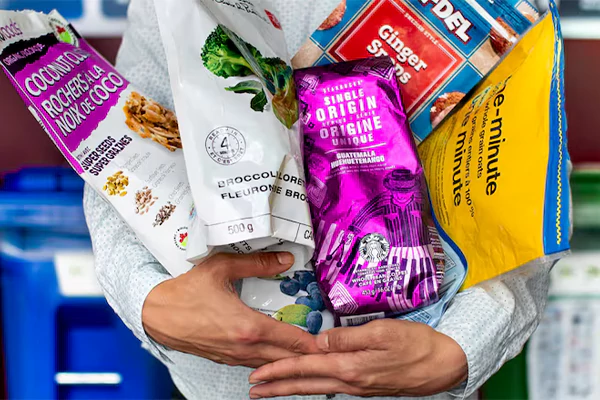
You stand in your kitchen, holding an empty pouch, unsure if you can recycle plastic pouches. Confusing rules and unclear labels make it hard to know what to do. Recycling the right way protects wildlife, saves energy, and reduces pollution. BN PACK offers recyclable options to help you make a real difference.
Recycle Plastic Pouches: What to Know
Are Plastic Pouches Recyclable?
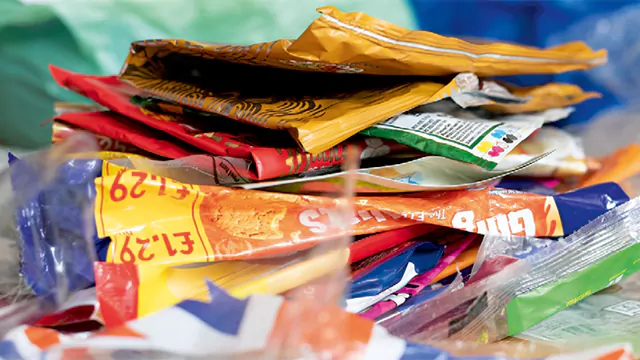
You may wonder if you can recycle plastic pouches with your regular household recycling. Most plastic film packaging, including pouches, does not belong in curbside recycling bins. Recycling facilities often reject these items because they tangle machinery and slow down operations. Machines must shut down for workers to remove tangled plastic wraps and bags, which can reduce efficiency by up to 25%. You should not place plastic film packaging, wraps, or pouches in your curbside recycling bin.
Special programs accept certain types of plastic pouches. For example, clear juice pouches and squeezable snack pouches are accepted by programs like Hefty® ReNew® and GoGo squeeZ® Free Recycling. These programs require you to clean and dry the pouches before recycling. Some plastic bag recycling drop-off locations also accept clean plastic film packaging and wraps. Always check local guidelines and program requirements before you recycle plastic pouches.
BN PACK offers eco-friendly pouch solutions that use recyclable, compostable, and biodegradable materials. These pouches are designed as mono-materials, which makes recycling easier and more efficient. BN PACK’s packaging meets international standards and holds certifications for recyclability and biodegradability. By choosing BN PACK’s products, you support better recycling outcomes and reduce landfill waste.
How to Identify Recyclable Pouches
You can identify recyclable plastic pouches by checking the packaging for recycling codes and labels. Look for codes #2 (HDPE) and #4 (LDPE), which are commonly found on recyclable plastic film packaging. These codes indicate the type of plastic resin used in the pouch.
Recycling Code | Material Type | Typical Products Related to Plastic Pouches |
|---|---|---|
2 | High-density polyethylene (HDPE) | Plastic bags, milk containers, bottle caps, trash cans |
4 | Low-density polyethylene (LDPE) | Plastic bags, Ziploc bags, buckets, squeeze bottles |
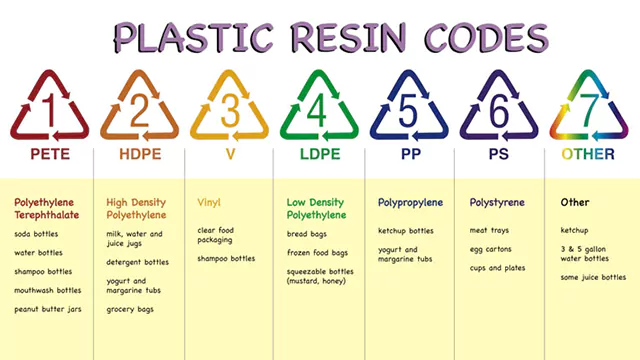
Standardized recycling labels, such as the How2Recycle label, provide clear instructions. These labels tell you if the pouch needs store drop-off, if it is widely recycled, or if you should check local rules. The label may also explain how to prepare the pouch for recycling, such as removing plastic wraps or cleaning the pouch. You should also look for the Resin Identification Code (numbers 1 through 7) stamped on the packaging. This code helps you sort items correctly, but you must verify local recycling rules because acceptance varies by municipality.
Tip: The recycling symbol alone does not guarantee that your pouch is accepted in local recycling programs. Always check for specific instructions and codes.
BN PACK’s recyclable pouches feature clear labeling and use materials that simplify recycling. Their innovations, such as plastic-free degassing valves and lightweight designs, help reduce plastic waste and carbon footprint.
What’s Not Accepted
Many recycling facilities only accept rigid plastics like bottles and jugs. They reject most flexible plastic film packaging, including food tubs, cups, lids, trays, and mixed-material pouches. Items labeled recyclable by manufacturers can mislead you, causing non-recyclable plastics to end up in recycling bins. This “wish-cycling” leads to contamination, and facilities may discard up to 10% of collected materials because of non-recyclables like plastic bags and wraps.
Common non-recyclable pouches include:
Crinkly chip bags and cereal box liners
Multi-layer composite pouches (made from several types of plastic or foil)
Pouches with metallic finishes or mixed materials
Dirty or food-contaminated pouches
Plastic film packaging, wraps, and bags clog recycling machinery and create safety hazards. Facilities do not accept these materials in curbside recycling bins. You must use special drop-off programs at retailers for plastic bag recycling and plastic film packaging. Commercial properties may use clear plastic liners for recyclables, but these liners are not recyclable.
Note: Always clean and dry your pouches before recycling. Dirty or wet items can contaminate the recycling stream and cause rejection.
BN PACK’s eco-friendly pouches use mono-materials and certified recyclable designs, making them easier to recycle than traditional multi-layer pouches. By choosing recyclable options, you help reduce contamination and support a cleaner recycling process.
How to Recycle Plastic Pouches
Prepare for Recycling
You need to prepare plastic film packaging before you recycle plastic bags or pouches. Clean and dry each item to remove food residues, liquids, and debris. This step prevents contamination and improves recycling efficiency. Remove non-plastic components such as receipts, labels, and stickers. Bundle plastic bags together to make handling easier at the store recycling bin.
Here is a simple step-by-step guide:
Empty the pouch or bag completely.
Rinse with water to remove any food or liquid.
Dry thoroughly to avoid moisture.
Remove stickers, labels, or receipts.
Bundle clean bags and pouches together.
Cleaning and drying remove contaminants like dirt, adhesives, and oils. Sorting and pre-washing separate plastics by type. Shredding increases the surface area for better cleaning. Multiple washing stages, including cold and hot water, remove stubborn impurities. Friction cleaning scrubs away tough contaminants. Rinsing removes leftover cleaning agents. Drying with hot air or centrifuges reduces moisture, which helps recycling facilities process plastic film packaging efficiently.
Tip: Always check for food residue or grease. Even small amounts can prevent recycling and cause entire batches to be rejected.
Where to Recycle (Store Drop-Offs)

You cannot recycle plastic bags or pouches in curbside bins. Most recycling centers do not accept plastic film packaging because it tangles machinery and causes delays. Instead, use a store recycling bin at participating retailers. Many grocery stores and retail chains offer plastic bag recycling programs. Look for the How2Recycle Store Drop-off label on packaging. Collection bins are usually near store entrances, making it easy for you to drop off clean and dry plastic bags and pouches.
You can find drop-off locations using the NexTrex Directory. This online resource lists stores across the United States that accept plastic film packaging. Trex Company supports this program and processes collected materials into composite decking. Major retailers such as PetSmart, Pet Supplies Plus, and Wag N’ Wash participate in free recycling programs for plastic pouches. BN PACK’s recyclable pouch options are designed for these store recycling bin programs. You can check the packaging for clear instructions and labels.
NexTrex Directory provides a searchable list of participating stores.
Many grocery and retail chains accept plastic bag recycling.
Look for collection bins near store entrances.
BN PACK pouches feature clear labeling for drop-off recycling.
What Happens After Recycling
When you recycle plastic pouches and bags at a store recycling bin, the process begins with sorting and cleaning. Facilities convey and crush plastic film packaging with water to reduce size. High-speed friction rinses away contaminants. Dehydration and drying lower moisture content, which prepares plastics for extrusion and granulation.
Recycled plastic film packaging becomes new products. You help create reusable sandwich pouches, playground equipment, clothing fibers, furniture, tote bags, purses, pens, sports uniforms, toys, buckets, carpeting, and sleeping bag insulation. These items use recycled plastics to reduce landfill waste and support sustainability.
Note: By choosing BN PACK’s recyclable pouch options, you support the creation of new sustainable products and help divert waste from landfills.
Avoiding Common Mistakes
You need to avoid frequent mistakes when you recycle plastic pouches and bags. Many people place plastic film packaging in curbside bins, but these items are not accepted and cause machinery jams. Food residue or grease on recyclables leads to contamination and rejection. Placing recyclables inside plastic grocery bags is a mistake because bags tangle sorting equipment. Biodegradable plastics confuse many consumers, but they are not recyclable in standard facilities.
Common contaminants include shrink wrap, bubble wrap, and leftover food waste. These materials clog machines and require extra labor. Always check local recycling guidelines and use designated drop-off locations for plastic bag recycling.
Do not place plastic film packaging in curbside bins.
Remove all food residue and grease before recycling.
Do not put recyclables inside plastic grocery bags.
Use store recycling bin programs for plastic bag recycling.
Check packaging for recycling codes and instructions.
Alert: Always verify the type of plastic and follow local rules. Using the correct recycling method keeps the process efficient and prevents contamination.
You can recycle plastic pouches the right way by following these steps:
Remove all debris and dry the pouch.
Check for recycling codes #2 or #4.
Collect and compress pouches for store drop-off.
Choosing BN PACK’s recyclable options reduces waste, saves resources, and supports a cleaner environment. Share your recycling knowledge—your actions inspire others!
FAQ
Can you recycle all plastic pouches at store drop-off locations?
You can recycle most clean, dry pouches with codes #2 or #4 at store drop-off bins. Always check the label and local guidelines before recycling.
What should you do if your pouch has food residue?
You should rinse and dry the pouch completely. Dirty pouches cannot be recycled. Food residue causes contamination and rejection at recycling centers.
How do you know if a pouch is recyclable?
Look for recycling codes #2 or #4 and the How2Recycle Store Drop-off label. BN PACK pouches display clear instructions for recycling.
Tip: Always read the packaging before recycling.