
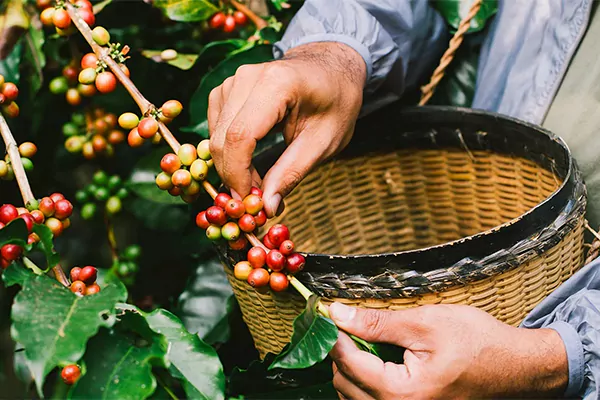
The journey from a ripe coffee cherry to the final brewed cup is a story of transformation. While coffee varietals, terroir, and roast profile are all critical characters in this story, one of the most influential—and often misunderstood—protagonists is the processing method. It’s a crucial step at origin that fundamentally shapes a coffee’s destiny, defining its acidity, body, and dominant flavor notes.
Among the various methods, few names are as intriguing or misleading as the “honey process.” The name conjures images of bees and beehives, of coffee beans being infused with golden nectar. But the truth is far more fascinating. Honey processed coffee involves no actual honey at all.
Instead, it’s an artisanal method that represents a skillful middle ground between the clean, bright notes of a washed coffee and the heavy, fruity notes of a natural. For coffee roasters and connoisseurs, understanding this process unlocks a new world of sweetness, complexity, and nuance.
First, Some Context: Washed, Natural, and the Middle Way
To appreciate what makes the honey process special, it helps to understand the two methods it sits between:
Washed Process: In this method, the coffee cherry’s fruit skin and pulp (mucilage) are completely washed off with water before the bean is dried. This results in a clean, bright, and crisp flavor profile where the coffee’s inherent, origin-based characteristics shine through with higher acidity.
Natural (or Dry) Process: This is the oldest method, where the entire coffee cherry is left intact and dried, much like a raisin. The bean absorbs sugars and flavors from the surrounding fruit as it dries, leading to a cup with a heavy body, intense fruit-bomb flavors (like berries and tropical fruit), and often a wine-like quality.
The honey process was developed as a hybrid, a way to capture the best of both worlds: the sweetness and body of a natural, without sacrificing all of the clean acidity of a washed coffee.
What is Honey Processed Coffee
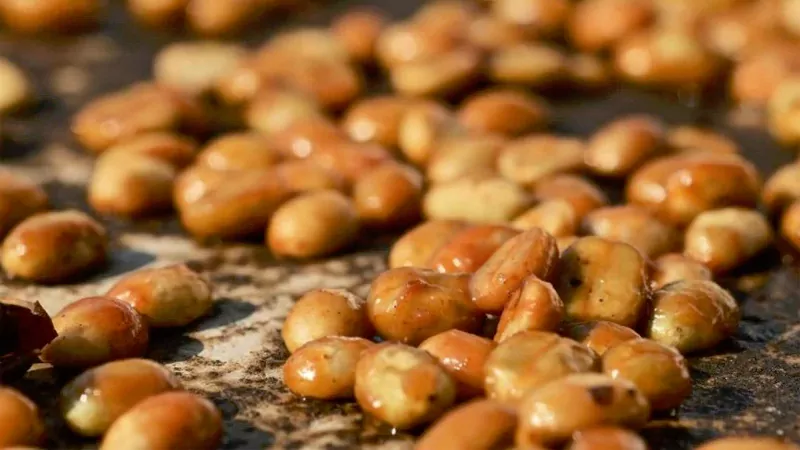
So, if it doesn’t involve honey, what is it? The honey process refers to a method where the skin of the coffee cherry is removed, but some or all of the sticky, sugary layer beneath—the mucilage—is intentionally left on the honey processed coffee bean while it dries.
This mucilage, known in Spanish as miel (which translates to honey), is what gives the process its name. It’s incredibly sticky and sweet, and as it dries on the bean, it imparts a distinct sweetness and a unique flavor profile. The farmer or producer acts as a true artisan, deciding precisely how much mucilage to leave on the bean. This decision is the first step in determining the “color” and final taste of the coffee.
The process requires immense skill and attention to detail. During drying, the mucilage-covered beans are incredibly prone to mold and over-fermentation. They must be carefully turned and monitored on drying beds to ensure even airflow and consistent drying, a far more labor-intensive task than managing fully washed beans.
The Spectrum of Honey: Yellow, Red, and Black
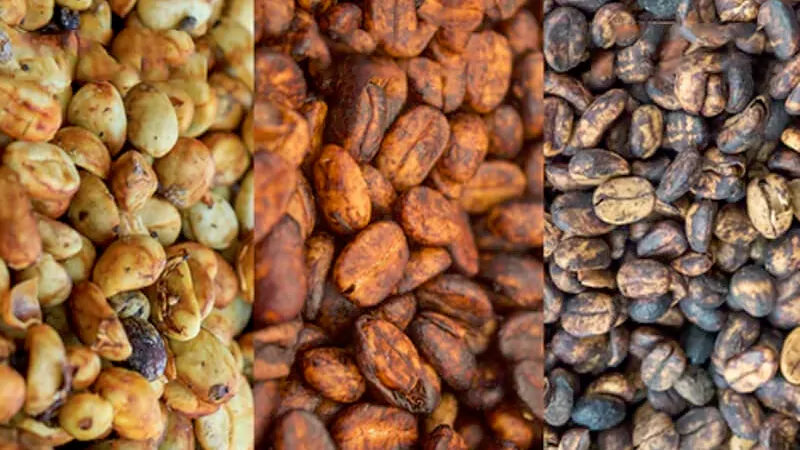
“Honey process” is not a single method but a spectrum of styles, typically categorized by color. The color—Yellow, Red, or Black—is determined by how much mucilage is left on the bean, which in turn dictates the drying time, the amount of shelter from the sun, and the level of labor required. More mucilage means a longer, more challenging drying period and results in a darker-colored, more intensely flavored bean.
What is Yellow Honey Processed Coffee?
Yellow honey processed coffee is the lightest and cleanest expression of the honey process. In this method, the least amount of mucilage is left on the bean—typically around 25%. This allows the beans to dry much more quickly and with greater sun exposure compared to the red and black styles. The resulting cup is bright and well-balanced, with a delicate sweetness and a lighter, tea-like body. It often showcases more of the bean’s inherent acidity and origin characteristics, with flavor notes of apricot, citrus, and a clean, floral finish, making it an approachable introduction to honey coffees.
What is Red Honey Processed Coffee?
Red honey processed coffee strikes a beautiful balance, with producers leaving roughly 50-75% of the mucilage on the bean. The drying process is less intensive than Black Honey, with more sun exposure, which helps the beans develop a characteristic deep red hue. This method creates a wonderfully balanced cup with a pronounced sweetness, a syrupy body, and a touch more bright acidity than its darker counterpart. The flavor profile is dominated by notes of ripe red fruits and sweet stone fruits, such as cherry, peach, and plum, making it a crowd-pleasing yet complex option.
What is Black Honey Processed Coffee?
Black honey processed coffee is the most intensive style, leaving nearly 100% of the sticky mucilage on the bean. This requires a long, labor-intensive drying period of several weeks, often under shade to slow the process and develop deep sweetness. The beans must be turned constantly to prevent over-fermentation. This meticulous method concentrates the sugars, resulting in a rich, complex, and intensely sweet cup with a full, velvety body. Flavor notes are often deep and fruity, reminiscent of berries and chocolate, but with a more refined structure than a typical natural processed coffee.
Roasting Honey Processed Coffee: A Delicate Task
For coffee roasters, honey processed beans present a unique and rewarding challenge. The high concentration of residual sugars in the mucilage means these beans have a much higher potential for caramelization, but also a higher risk of scorching. The sugars can cause the beans to brown and develop much faster during the roast. A roaster must apply heat more gently and manage the roast’s momentum (or Rate of Rise) with extreme care to avoid burning these delicate sugars, which would result in bitter or roasty flavors. A successful roast of a honey processed coffee carefully caramelizes the sugars, fully developing the deep sweetness and fruit notes without sacrificing clarity.
Preserving the Nuance: Packaging Honey Processed Coffee
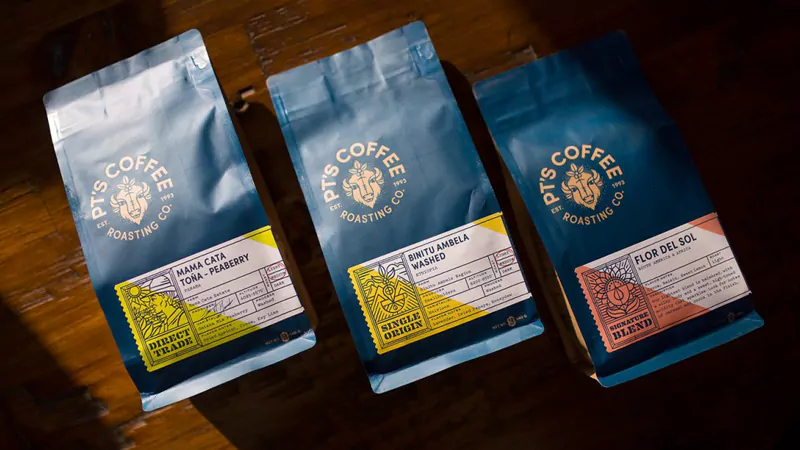
After all the meticulous labor at the farm and the skillful precision in the roastery, a honey processed coffee is a work of art. Its unique flavor profile—the delicate fruit notes, the profound sweetness, the syrupy body—is incredibly volatile. The final and most critical step to ensure the customer experiences this coffee as intended is the packaging.
These nuanced coffees are highly susceptible to degradation from oxygen and UV light, which can flatten their vibrant flavors in a matter of days. This is where high-performance packaging becomes essential. The ideal coffee bags for a honey processed coffee must act as a fortress, preserving the character that makes the beans so special.
Multi-layer bags with a high-barrier foil or metalized lining are crucial for blocking out these harmful environmental factors. Furthermore, a one-way degassing valve is non-negotiable, allowing the freshly roasted beans to release CO2 without letting destructive oxygen in. By investing in packaging that guarantees freshness, a roaster honors the incredible effort of the producer and delivers on the promise of an exceptional cup.
Is Honey Processed Coffee Worth Exploring?
Absolutely. Honey processed coffee is more than just a brewing trend; it is a testament to the skill, innovation, and dedication of coffee producers. It offers a unique sensory experience, bridging the gap between the familiar profiles of washed and natural coffees. For the roaster, it’s an opportunity to showcase a coffee that is both complex and sweet. For the consumer, it’s a chance to taste the direct result of artisanal craftsmanship. The next time you see “honey process” on a coffee bag, you’ll know that while there are no bees involved, there is certainly a whole lot of sweetness.