
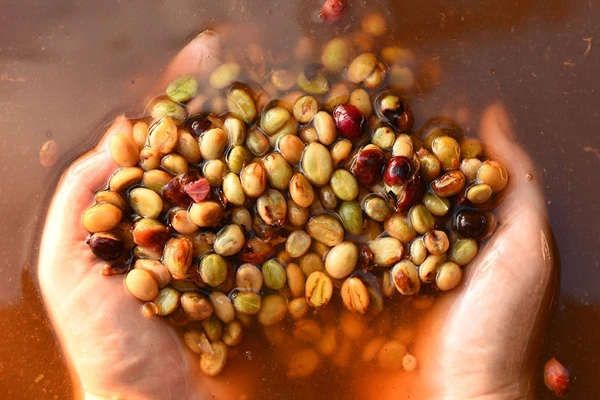
Washed process coffee shapes flavor and quality by removing the coffee cherry’s pulp before drying, which leads to a cleaner cup. This method stands out because it highlights the true character of the coffee bean, producing bright, crisp, and consistent flavors. At least half of all specialty coffees worldwide use this process, showing its importance in the industry. Scientific studies show that processing methods like washed, natural, or honey can change the chemical makeup of coffee beans and influence taste. Learning about these changes helps coffee lovers appreciate why washed coffees taste so pure and balanced.
Washed Process Coffee and Flavor
Taste Profile
Washed process coffee stands out for its clean and vibrant flavor. Removing the fruit layers before drying allows the true character of the coffee bean to shine. Sensory analysis research highlights several common flavor notes in washed process coffee:
Caramel
Nut
Chocolate
Alcoholic variations
Citrus fruits
Honey
Cereal
Citric and malic acidity
Coconut
Cereal notes often appear in pulped coffees, while citric and malic acidity link to organic acids found in chemical tests. These flavors set washed coffees apart from natural processed coffees, which tend to have heavier, fruitier notes. The washed process increases perceived acidity and cleanliness, creating a cup that feels crisp, complex, and lively. Many washed coffees feature stone fruit and citrus-like notes, along with sweet floral aromas. This clarity and brightness make washed process coffee a favorite among specialty coffee drinkers.
Tip: When tasting washed process coffee, look for a bright, crisp acidity and a clean finish. These qualities often signal careful processing and high bean quality.
Quality Factors
Quality control plays a key role in producing washed process coffee. Producers use several measures to ensure consistency and excellence:
They define clear product specifications for both physical and sensory attributes.
Regular sampling and cupping help assess flavor consistency and catch any variability.
Physical measurements, such as moisture content and water activity, predict how beans will roast and taste.
Instrumental tools like Agtron readings verify roast degree.
Process parameters, including roast time, temperature, and airflow, are recorded and controlled.
Statistical analysis and control charts monitor process stability.
Detailed records and communication systems support traceability and quick corrective actions.
Sampling intensity and testing frequency adjust based on product variability.
Early detection of out-of-spec products before packaging reduces waste and cost.
Washed process coffee usually shows less variability than natural processed coffee, so producers may require fewer tests. Scientific studies in Ethiopia found that washed coffee beans scored higher in raw quality attributes like color and odor, which indicate fewer defects. The washed process removes all fruit flesh before drying, reducing the risk of defects such as rot or over-fermentation. Sorting in flotation tanks removes under-ripe or defective cherries, further lowering defect rates. As a result, washed process coffee often delivers more predictable and higher quality green beans.
Professional tastings, or cuppings, show that washed process coffees generally achieve higher scores in attributes like Brightness and Clean Cup compared to dry process coffees. Tasters often prefer washed coffees for their clarity and consistency. Differences in oxygen exposure, moisture levels, and fermentation during drying also shape the final flavor. Careful management of these factors allows producers to create a clean, crisp, and complex cup with lively acidity and distinct flavors.
The Washed Process Explained
Key Steps
The washed process coffee method follows a series of precise steps that ensure clarity and consistency in the final cup. Leading coffee research organizations outline the process as follows:
Harvest ripe coffee cherries at peak maturity.
Sort cherries by immersing them in water; unripe or defective cherries float and are removed.
Mechanically de-pulp the cherries using a pulper machine, which removes the skin and much of the pulp.
Remove the sticky mucilage layer through fermentation in tanks or by mechanical demucilaging. Fermentation usually lasts 8 to 36 hours and requires careful monitoring to avoid undesirable flavors.
Assess the completion of fermentation by feeling the parchment layer surrounding the bean.
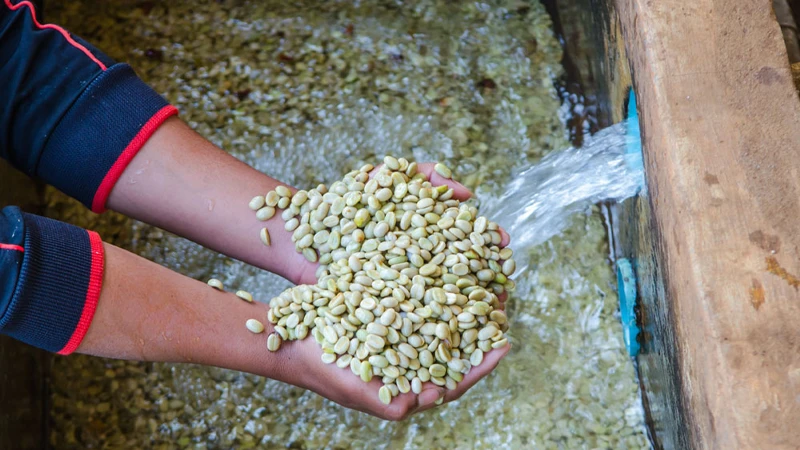
Wash the beans thoroughly with clean water to remove any remaining mucilage and fermentation byproducts.
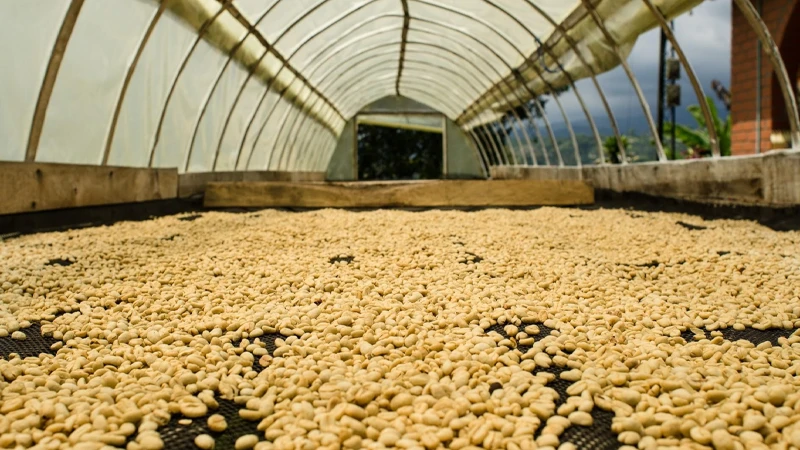
Dry the beans to a target moisture content of about 12%, using sun drying on raised beds or mechanical dryers. Cover beans at night to prevent moisture reabsorption.
Note: The duration of fermentation plays a critical role in flavor development. Longer, well-controlled fermentation increases floral and fruity notes by boosting microbial activity and metabolite production. However, poor control can lead to off-flavors.
Differences from Other Methods
Washed process coffee stands apart from natural and honey processing methods. In the natural process, farmers dry whole cherries in the sun, allowing fermentation to occur inside the fruit. This method produces sweet, fruit-forward flavors but can result in inconsistent quality if weather conditions vary. Washed processing, in contrast, removes the fruit early and uses water to separate and clean the beans. This approach highlights the bean’s intrinsic qualities, resulting in a cleaner, brighter cup with less intense fruit notes.
Environmental factors influence the choice of processing method. Washed processing requires abundant clean water and controlled fermentation, making it suitable for regions with reliable water supplies. Natural processing uses minimal water and fits areas with long, dry seasons. Farmers in water-scarce regions often prefer natural or honey methods to conserve resources. Each method shapes the coffee’s flavor profile and consistency, but washed process coffee remains the preferred choice for those seeking clarity and brightness in the cup.
Science of Washed Process Coffee
Fermentation and Washing
Fermentation stands at the heart of washed process coffee. During this stage, a diverse group of microorganisms—yeasts, bacteria, and fungi—work together to break down the sticky mucilage layer that covers the coffee beans. These microbes produce special enzymes, such as pectin lyase and polygalacturonase, which help dissolve the mucilage. Removing this layer is important because it speeds up drying and prevents mold growth.
Microorganisms create enzymes that break down pectin in the mucilage.
Starter cultures, like specific yeasts and bacteria, can make fermentation faster and more controlled.
Controlled fermentation leads to better flavor and aroma by producing helpful metabolites.
Microbial activity not only removes mucilage but also shapes the coffee’s taste and aroma.
Studies show that the types of microbes present can change depending on the region and processing method. Some species, such as Pichia kluyveri and Leuconostoc mesenteroides, often dominate and influence the final flavor. The washing step follows fermentation. It rinses away the broken-down mucilage, leaving the beans clean. This process results in a coffee with a bright, clean taste and highlights the bean’s origin and variety. Washing also ensures a consistent flavor profile, which many coffee experts value.
Note: The extent of mucilage removal and the length of fermentation both affect the final flavor. More complete washing brings out clarity and acidity, while less washing can leave behind sweetness and body.
Chemical Changes
The washed process coffee method causes several important chemical changes inside the bean. During fermentation, microbes consume sugars in the mucilage and produce organic acids, such as acetic and tartaric acids. These acids move into the bean and help create a lively, fruity acidity in the cup. At the same time, the washing process removes some soluble solids, including sugars and minerals, which leads to a lighter body and a cleaner flavor.
Scientific studies reveal that washed processing preserves higher levels of chlorogenic acids compared to natural methods. These acids contribute to the coffee’s aroma and antioxidant properties. Caffeine content also remains stable, helping maintain the coffee’s characteristic bitterness and stimulating effect. Trigonelline, another important compound, does not change much during processing but still plays a role in flavor and aroma.
The balance of acids, sugars, and minerals shapes the sensory profile. Washed coffees often show medium aroma intensity, a light to medium body, and bright, fruity acidity. The chemical changes that occur during fermentation and washing give washed process coffee its signature clarity, consistency, and vibrant taste.
Washed vs Natural Coffee
Flavor Comparison
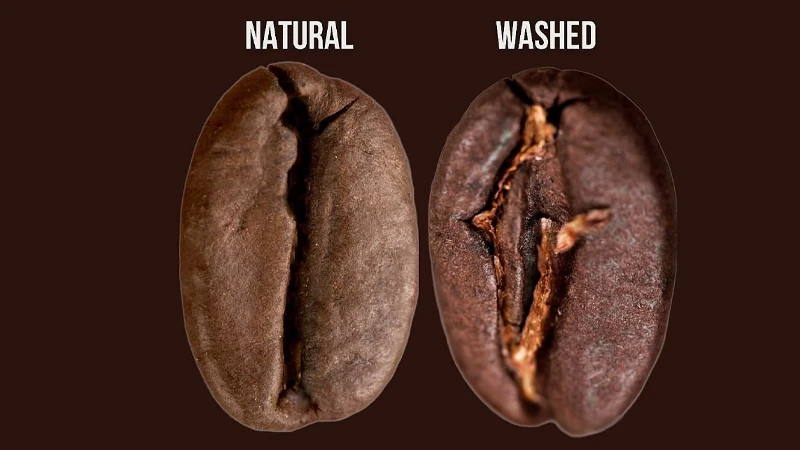
Coffee professionals often highlight clear differences between washed and natural coffees. The processing method shapes the final taste in the cup.
Washed coffees have the fruit removed before drying. This results in a clean, bright cup with crisp acidity and distinct natural flavors.
The washed method allows the unique qualities of the coffee bean to stand out. Drinkers can taste the origin and varietal notes more clearly.
Natural coffees dry with the whole cherry intact. This process gives the coffee a heavier body, lower acidity, and intense fruit flavors.
The natural method imparts pronounced fruity notes, often described as berry-like or winey.
Washed coffees are known for clarity, brightness, and delicacy. Natural coffees offer a richer, heavier mouthfeel and more intense fruitiness.
Professional tasters describe washed coffees as the truest expression of the bean. The flavors reflect the environment where the coffee grew. High-altitude washed coffees may show floral or citrus notes, while lower-altitude beans can taste chocolatey or nutty. In contrast, natural coffees often have deeper, riper fruit flavors and a characteristic “funkiness” from the drying process.
Consistency and Clarity
The washed process uses machines and fermentation tanks to remove all layers of the cherry before drying. This method gives producers more control over fermentation and drying.
Washed coffees show higher acidity and a clean, bright profile.
The process reduces the chance of defects and off-flavors.
The flavor remains consistent from batch to batch.
Natural processing dries the whole cherry, which can lead to more flavor variation. The beans absorb sugars and flavors from the fruit during drying. This introduces more unpredictability and complexity but less reliability. Longer drying times and less controlled fermentation increase the risk of defects.
Experts like Stephen Gray note that washed coffees have greater clarity and a lighter body. The clean processing allows the coffee’s innate qualities to shine. Natural coffees, while often sweeter and fuller-bodied, may lack the subtlety and clarity found in washed coffees.
Packaging and Freshness
Role of Packaging
Packaging plays a vital role in preserving the freshness and quality of washed process coffee. Researchers have found that packaging materials with strong barriers against moisture and oxygen help maintain stable water activity levels inside the bag. Stable water activity slows down chemical reactions and prevents the growth of microbes, both of which can spoil coffee. Polymer bags, for example, control moisture better than traditional jute sacks. This control extends the shelf life of coffee and keeps its flavors intact.
Modern packaging technology also limits oxygen exposure. Oxygen causes coffee to lose its aroma and develop stale flavors through oxidation. Bags with hermetic seals and high-barrier materials, such as thick aluminum layers, block oxygen and light. These features protect the delicate flavors and aromas of washed process coffee. One-way degassing valves let carbon dioxide escape without letting air in, which prevents pressure buildup and keeps the coffee tasting fresh. Industry experts agree that airtight, moisture-proof, and light-resistant packaging extends the shelf life of specialty coffee by reducing oxidation and flavor loss.
Tip: Choose coffee packaged in high-barrier, resealable bags with degassing valves to enjoy the freshest flavors.
BN PACK Coffee Bags

BN PACK designs custom coffee bags that address the unique needs of washed process coffee. Their bags use advanced multi-layer films, including foil linings, to block 99% of oxygen, moisture, and UV light. This protection helps maintain coffee freshness for up to 12 months. Features such as airtight seals and resealable zippers prevent oxidation and keep the aroma locked in after opening. One-way degassing valves allow gases from freshly roasted beans to escape, preserving flavor and preventing bag swelling.
BN PACK offers a variety of bag styles and sizes, from stand-up pouches to flat-bottom and side gusset bags. Materials include FDA-approved, food-safe plastics, recyclable Mylar, and biodegradable kraft paper. These options support both product safety and sustainability. Nitrogen-flushing and vacuum-sealing further protect the coffee by removing oxygen and moisture. Customer feedback highlights the durability of BN PACK bags during shipping, ensuring coffee arrives fresh and undamaged. Compared to standard packaging, BN PACK’s solutions provide superior protection, consistent quality, and customizable branding for roasters and retailers.
BN PACK’s commitment to innovation and quality packaging helps specialty coffee brands deliver the pure, vibrant flavors of washed process coffee from roaster to cup.
Benefits and Challenges
Advantages
The washed process offers several important benefits for both coffee producers and consumers. This method stands out in the specialty coffee industry because it produces coffee with bright, clean flavors and lively acidity. Many consumers prefer washed coffees because they can taste the unique qualities of the coffee’s origin and variety. The process allows producers to control fermentation more closely, which reduces the risk of spoilage and defects. As a result, washed coffees often have a consistent and high-quality flavor profile.
Washed coffees deliver crisp, clean flavors with bright acidity.
Producers gain more control over fermentation, leading to fewer defects.
The process highlights the natural flavors of the coffee bean’s origin.
Specialty coffee markets value the reliability and consistency of washed coffees.
Consumers enjoy tasting the differences between regions and varieties.
Washed process coffee remains the most respected and common method in specialty coffee because it consistently delivers superior flavor and quality.
Considerations
Despite its many advantages, the washed process also presents some challenges. Producers must invest in equipment and infrastructure to manage fermentation and washing. The process uses large amounts of water, which can be difficult in regions with limited resources. Rising costs for labor and farm inputs, such as fertilizers, make it harder for producers to maintain profitability. Climate change adds more uncertainty, with unpredictable weather and droughts affecting coffee cherry ripening.
High costs for equipment, labor, and water can limit access for small-scale farmers.
Some regions lack the infrastructure needed for controlled fermentation.
New technologies, like advanced fermenters, remain expensive and out of reach for many producers.
Climate change and environmental pressures threaten the stability of washed coffee production.
Producers often need more scientific support and real-time solutions to improve quality and efficiency.
Coffee producers must balance these challenges with the benefits of producing high-quality, consistent coffee. Ongoing innovation and support can help make the washed process more accessible and sustainable for the future.
Specialty Coffee and Washed Process
Industry Preference
Specialty coffee roasters and buyers often choose washed coffees for their clarity and consistency. The washed method removes the cherry’s outer pulp and uses water fermentation to break down mucilage. This process creates a cup with pure, bright flavors and a clean profile. Many specialty roasters value these qualities because they highlight the unique characteristics of each coffee’s origin. The delicate acidity and nuanced sweetness found in washed coffees appeal to those who seek a vibrant and balanced cup.
Roasters also find washed coffees easier to work with during roasting. The beans undergo careful sorting by size, density, and moisture. This uniformity allows for more precise heat application and shorter roast times. As a result, the coffee’s acidity and clarity stand out. Specialty buyers appreciate the smooth and consistent flavor profiles, making these coffees suitable for daily enjoyment. In contrast, natural processed coffees can taste funkier or more variable, which some drinkers find less appealing for regular use.
Note: The drinkability and origin expression of washed coffees make them a top choice for specialty coffee professionals.
Regional Examples
Several regions around the world have earned recognition for their washed coffees. These areas often feature high altitudes, cooler climates, and shaded farms, which slow bean development and enhance flavor complexity. The washed process in these regions brings out bright acidity, complex flavors, and aromatic depth.
Region | Growing Conditions | Distinctive Characteristics |
|---|---|---|
Colombia | Fertile soil, ideal climate | Mild, aromatic, low acidity, known for fine Arabica |
Costa Rica | Small farms, dry/rainy seasons | Medium body, sharp acidity, clean and balanced profile |
Guatemala | Volcanic soil, high elevation | Medium-to-full body, complex flavors, citric notes |
Kenya | High elevation, foothills of Mount Kenya | Full-bodied, sharp fruity acidity, rich fragrance |
Mexico | High altitude, cooler temperatures, shade | Wonderful aromas, pronounced sharpness, diverse profiles |
Puerto Rico | Mountainous, shade cover | Balanced body, pleasant acidity, fruity aroma |
Regional factors such as altitude, climate, and microclimates influence fermentation and drying. For example, Kenya and Ethiopia produce washed coffees with bright acidity and floral or citrus notes. Careful monitoring during processing ensures clarity and complexity. Water availability and local infrastructure also shape how the washed process is carried out, leading to unique flavors in each region.
The washed process includes removing the cherry skin and pulp, fermenting to remove mucilage, washing, and drying.
Regional differences in climate and altitude affect fermentation times and drying methods.
Microbial activity during processing changes based on local conditions, adding to flavor diversity.
Tip: Exploring washed coffees from different regions can reveal a wide range of flavors, from floral and citrusy to rich and chocolatey.
Washed coffees offer clean flavors and bright acidity. These coffees highlight the true character of each bean. Many coffee lovers notice the clarity and consistency in every cup. Specialty roasters value these qualities. Readers can explore different washed coffees to taste the difference. For those who want to keep their coffee fresh, BN PACK provides custom coffee bags that protect flavor and aroma from roaster to cup.