
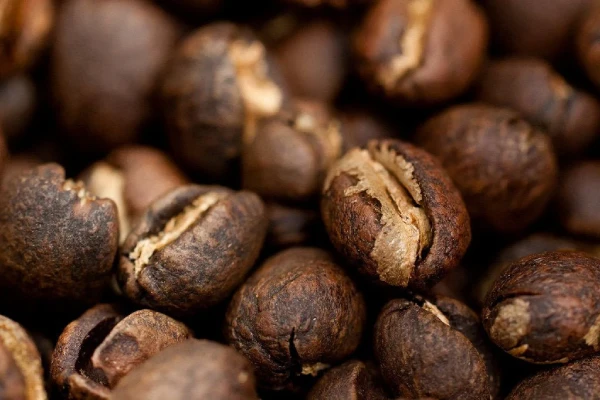
In the vast world of specialty coffee, filled with unique varietals and experimental processing methods, certain terms still manage to capture the imagination of connoisseurs and professionals alike. Among the most enduring of these is peaberry coffee. Often presented as a rare and premium offering on a roaster’s menu, it carries an aura of mystery and a reputation for superior flavor that has made it a sought-after curiosity for decades.
The story of the peaberry begins with a simple, natural anomaly. Inside a standard coffee cherry, two flat-sided beans typically grow pressed together. But in a small percentage of cherries, nature takes a different path, and only a single, small, oval-shaped bean develops. This solitary bean is known as a peaberry.
But this simple difference in shape and size has led to a cascade of claims and questions. So, what is peaberry coffee, really? Is it a specific type of plant? And why does this small, rounded bean so often command a higher price and inspire such devotion among its fans?
What is Peaberry Coffee
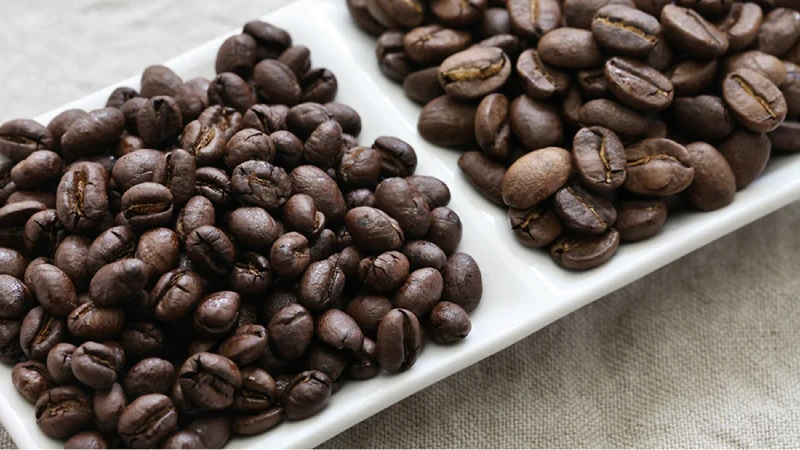
To understand the peaberry, one must first understand the typical anatomy of the coffee cherry, often referred to botanically as the coffeeberry. Inside each cherry, there are typically two ovules. When successfully pollinated, each of these ovules develops into a coffee seed. As these two seeds grow side-by-side in the cherry’s tight quarters, they press against each other, resulting in their characteristic shape: one flat side and one rounded side. This is the standard “flat bean” that makes up the vast majority of the world’s coffee.
So, what is a peaberry? It is a fascinating natural mutation that occurs during the pollination process. In about 5% to 10% of coffee cherries, one of the two ovules fails to pollinate or aborts its development shortly after. With no other seed to compete with for space, the single remaining ovule develops without being flattened. It grows into a small, dense, and distinctly oval-shaped bean that resembles a pea—which is precisely where the names pea coffee and peaberry originate. In Spanish-speaking countries, it is affectionately called Caracolillo, meaning “little snail,” a nod to its rounded, shell-like form.
This is not a separate varietal or species of coffee plant; it is a random, natural occurrence that can happen on any coffee tree, in any region, with any varietal. Because peaberries are mixed in with the entire harvest, their rarity and premium price are a direct result of the meticulous, labor-intensive sorting process required to isolate them. After the coffee is processed and dried, the small, round beans must be separated from their flat bean counterparts, either by painstaking hand-sorting or by using specialized vibrating screen sorters that can segregate them by their unique shape and size.
The Great Debate: Does Peaberry Coffee Really Taste Better?
This is the million-dollar question that surrounds the peaberry phenomenon. For decades, these small beans have been marketed as a superior product, often fetching a significantly higher price. But does the unique formation of a peaberry actually result in a better-tasting cup? The answer is complex, involving a mix of scientific theory, roasting dynamics, and subjective taste. Let’s break down the arguments.
The Case for a Superior Flavor
There are two primary theories that proponents cite to explain why peaberries might taste better.
The Nutrient Density Theory: This is the most common and intuitive argument. The theory suggests that because the coffee cherry directs all of its nutrients and sugars into a single seed instead of dividing them between two, the resulting peaberry is more concentrated in the very compounds that lead to a sweeter, more complex flavor profile. It’s a compelling idea that the bean is essentially a more potent version of its flat bean siblings from the same tree.
The Even Roasting Theory: This argument is rooted in the physics of roasting. The round, pea-like shape of peaberry coffee beans means they have no flat edges. In a drum roaster, this allows them to roll more freely and chaotically, absorbing heat more uniformly and consistently than their flat bean counterparts. Flat beans can sometimes land on their flat side on the hot drum surface, leading to scorching or “tipping.” The superior movement of peaberries can potentially lead to a more even and fully developed roast, free of these minor defects, thus resulting in a cleaner cup.
A Balanced and Expert Perspective
While the theories are compelling, it is crucial to approach them with an expert’s perspective. The ultimate quality and flavor potential of any coffee—peaberry or flat bean—is determined long before it is sorted. The coffee’s varietal, its terroir (soil, altitude, climate), and the processing method used at the farm create the fundamental flavor blueprint.
A peaberry sorted from a low-grade, poorly processed coffee crop will still be a low-quality coffee. The peaberry mutation cannot magically add complexity that wasn’t there to begin with.
Therefore, the most accurate way to describe the peaberry’s flavor is not necessarily “better,” but consistently different. When a roaster takes a high-quality microlot and separates the peaberries, they are isolating a unique expression of that coffee. Many coffee professionals find that the peaberry version of a coffee often presents a brighter acidity, a more vibrant sweetness, and a lighter, more delicate body than its flat bean counterpart. It’s a different interpretation of the same incredible origin, and for many, that unique interpretation is a prized and delicious experience.
The Art of Roasting Peaberry Coffee Beans: A Unique Challenge
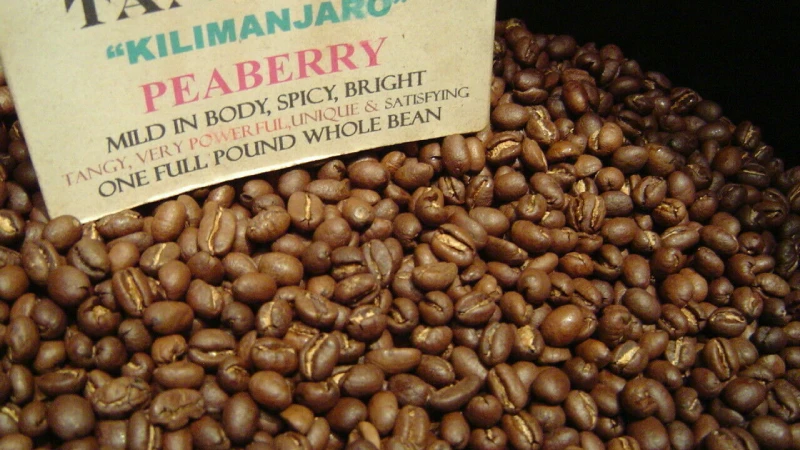
For a coffee roaster, a batch of peaberries represents a unique and exciting challenge. Their distinct shape and density mean they behave very differently in the roaster compared to their flat bean counterparts. Simply applying a standard roast profile used for the main crop will not unlock the full potential of these special beans; to do so requires a thoughtful and adapted approach.
Heat Management is Key
The primary challenge in roasting peaberry beans is managing heat penetration. Because of their small, round, and often very dense structure, there is a risk of roasting the exterior of the bean too quickly, while the interior remains underdeveloped or “green.” This can result in a cup that tastes both roasty and sour at the same time.
To counteract this, roasters often adjust their heat application. This might involve:
A slightly lower charge temperature: Starting the roast with a less aggressive initial heat to allow for a more gradual warm-up.
Careful management of the Rate of Rise (RoR): Applying heat more gently throughout the roast, particularly leading up to the first crack, to give the heat enough time to penetrate to the core of the bean. This “soaking” allows for a more uniform development from the inside out.
Leveraging Movement and Airflow
As mentioned earlier, the peaberry’s round shape is a distinct advantage. The beans roll and tumble inside the roasting drum with excellent fluidity. A skilled roaster can leverage this by making slight adjustments to drum speed and airflow, ensuring the beans are constantly in motion and receiving even, convective heat rather than sitting on the hot surface of the drum. This maximizes the potential for a remarkably consistent and uniform roast, free from defects.
The Result in the Cup: A Case Study
A roaster’s adapted approach can yield a truly special cup. Consider a classic Sumatra peaberry coffee. A standard Sumatran flat bean is often roasted to a medium-dark or dark level to highlight its characteristic earthy, full-bodied, and low-acid profile. However, when roasting a Sumatran peaberry, a roaster might opt for a lighter profile. By applying heat more gently, they can accentuate the brighter acidity and unique fruit notes that the peaberry’s dense structure holds, creating a cup that still has the classic Sumatran depth but with a surprisingly lively, sweet, and vibrant twist. This is the art of roasting peaberries: taking a familiar origin and presenting it in a new and exciting light.
Preserving a Prized Anomaly: Packaging Your Peaberry Coffee
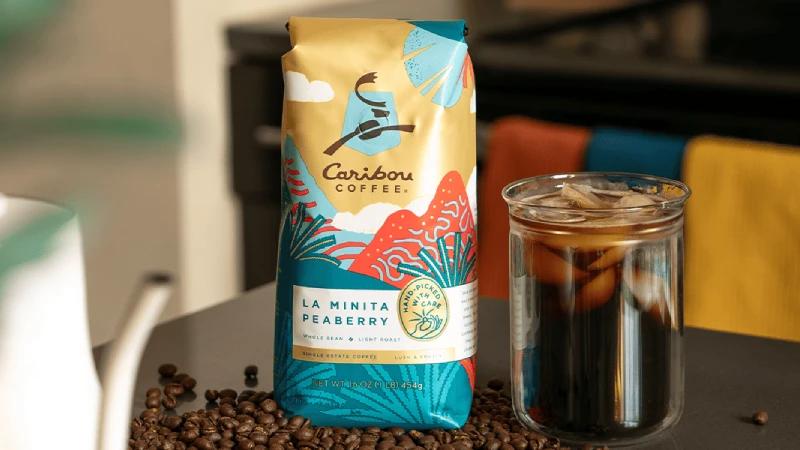
The journey of a peaberry is one of immense effort and meticulous attention to detail. It begins with the extra labor of sorting at the farm and culminates in a nuanced, carefully executed roast designed to highlight its unique characteristics. After all this investment, the final and most critical step is to ensure that the special nature of this coffee is protected. The unique, often brighter and more delicate flavor profile of a peaberry coffee bean is fragile and highly susceptible to degradation from oxygen, moisture, and UV light.
Allowing such a rare and valuable coffee to lose its character due to improper packaging would be a tremendous waste. This is where high-performance coffee packaging becomes an essential tool for preserving the roaster’s craft and the coffee’s premium value. A peaberry deserves a package that signals its quality and provides an uncompromising defense against the elements that cause staling.
A rare and meticulously roasted coffee like a peaberry deserves packaging that guarantees its unique character is preserved until brewing. The high-quality coffee bags from BN Pack provide the ultimate protection for your investment. Our multi-layer bags with high-barrier foil or metalized linings create an airtight fortress against staling oxygen and light. An integrated one-way degassing valve is essential for allowing freshly roasted peaberry coffee beans to rest and develop their full aromatic potential without exposure. Don’t let the extra value of your best peaberry coffee be lost to inferior packaging. Secure its unique story from your roastery to your customer’s cup.
Conclusion
The peaberry is a testament to the fascinating diversity that can be found within the world of coffee. It is not a separate, magical varietal, but a simple and natural mutation—an anomaly that creates a bean with a demonstrably different physical character. Its rarity is a direct result of the immense human effort required to seek out and separate this small percentage of beans from the main harvest, and its unique qualities present a rewarding challenge that skilled roasters embrace to showcase their craft.
While the debate over whether it is truly a “better” coffee will likely continue, there is no question that it is a different coffee. The combination of its dense structure and rounded shape consistently produces a cup profile that is distinct from its flat bean counterparts. For those who appreciate nuance, the experience of a pea berry coffee is often one of heightened brightness, a more focused sweetness, and a vibrant expression of the coffee’s origin.
Ultimately, the allure of the peaberry is the allure of the unique. It invites both roasters and coffee lovers to look closer, to appreciate the small, natural variations that make coffee so endlessly interesting, and to celebrate the delightful anomaly in the cup.