

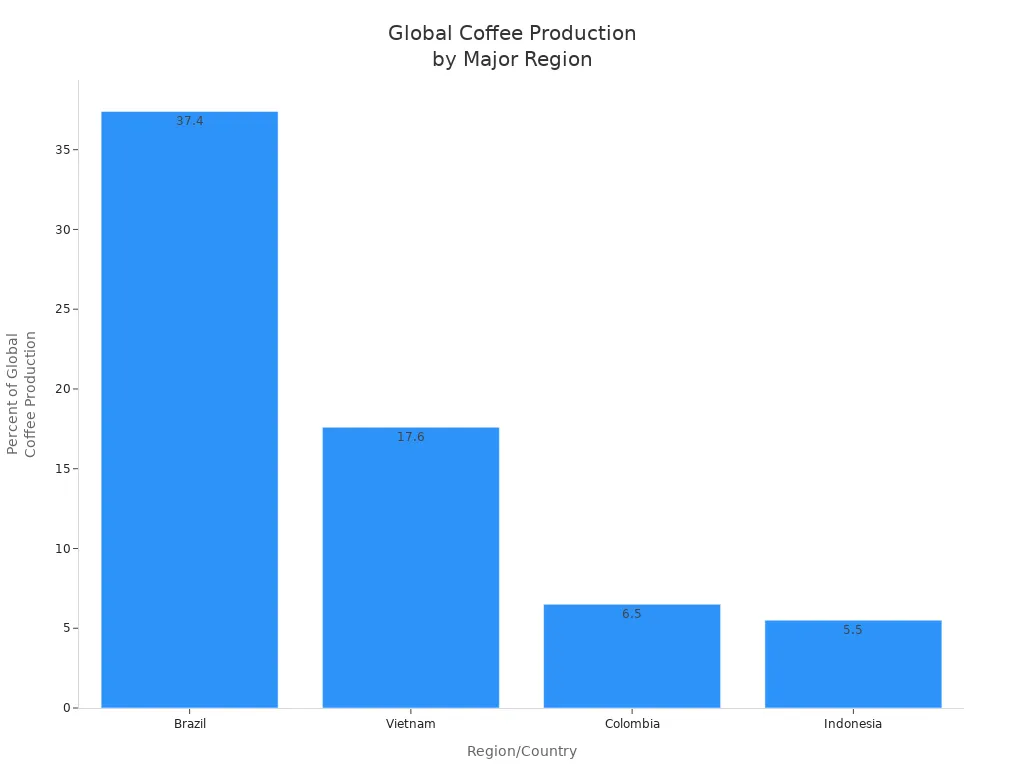
When you brew a cup of sumatran coffee, the aroma fills the air with bold, earthy, and spicy scents. Many coffee experts describe sumatran as having a positive earthy flavor and a forest-like note that sets it apart from other coffees. The unique wet-hulling process used in sumatra often gives this coffee a rustic, almost wild character. You may notice that the taste feels thick and full, with a low acidity that makes each sip smooth. Sumatra stands among the world’s top coffee regions, contributing to Indonesia’s 5.5% share of global coffee production, as shown in the chart below.
Sumatran Coffee Taste
Earthy and Spicy Notes
When you take your first sip of sumatran coffee, you notice a rush of bold, earthy notes that fill your senses. The sumatran coffee taste stands out because of its distinctive earthy flavors, which often remind you of cedar, pine, and even moss. These earthy notes create a deep, grounding experience that feels different from the bright, fruity flavors you might find in Ethiopian or Colombian coffees. Instead of citrus or berry, you taste a forest after the rain.
You also discover spicy nuances that make the sumatran coffee taste even more complex. Hints of cinnamon, cloves, and black pepper dance on your tongue, adding warmth and intrigue. These spicy flavors are much more intense than what you find in other coffees. The sumatran coffee taste often includes herbal touches like thyme and rosemary, which blend with the spice to create a layered profile. This bold combination appeals to those who enjoy a coffee with character and depth.
Many coffee lovers describe the sumatran coffee taste as wild and rustic, with a richness that lingers long after each sip.
If you compare sumatran coffee to coffees from other regions, you will notice that the earthy and spicy notes are much stronger and more pronounced. Ethiopian coffee usually offers bright, tropical flavors and high acidity, while Colombian coffee is known for its mild, balanced profile with fruit and caramel notes. The sumatran coffee taste, by contrast, is bold, earthy, and spicy, making it a favorite for those who seek a robust and complex cup.
Full Body and Low Acidity
The sumatran coffee taste is also famous for its full body and low acidity. When you drink a cup, you feel a dense, syrupy texture that coats your mouth. This full body gives the sumatran coffee taste a heavy, satisfying mouthfeel, unlike the lighter, smoother feel of coffees from Mexico or Honduras. The thick body enhances the earthy and spicy flavors, making them even more noticeable.
You will also notice that the sumatran coffee taste has very low acidity. Acidity in coffee often brings a sharp, lively sensation, but sumatran coffee offers a smooth, mellow experience instead. Scientific studies show that wet-hulled sumatran coffees have lower acidity and a more nutty, vegetative flavor profile compared to coffees from Ethiopia or El Salvador, which are more sour and fruity. Cupping scores also rate sumatran coffee with higher body and lower acidity, confirming what you taste in each cup.
Indonesian specialty coffees, including sumatran, are known for their full body and low acidity.
Sumatran coffee stands apart from origins with higher acidity, such as Honduras or Kenya.
The pleasant, mouth-coating feel is a key reason why many people enjoy the sumatran coffee taste.
The sumatran coffee taste delivers a unique experience. You get a cup that is bold, earthy, and spicy, with a thick, syrupy body and very little acidity. This profile makes sumatran coffee a top choice for those who want a rich, complex, and satisfying brew.
What Makes Sumatran Coffee Unique
Wet-Hulling Process
You discover one of the most important reasons for the unique taste of sumatran coffee in its wet-hulling process, known locally as Giling Basah. This method stands out from other coffee processing techniques. Farmers in sumatra remove the parchment layer from the beans while they still contain a high amount of moisture, usually around 35-50%. This step allows the beans to dry faster in the humid climate of sumatra, reducing the risk of mold and spoilage.
The wet-hulling process shapes the flavor and texture of sumatran coffee. You notice a heavy, syrupy body and low acidity in your cup. The taste often features earthy, savory, and herbal notes, with hints of dark chocolate and nuts. When you compare wet-hulling to other methods, such as washed or natural processing, you see clear differences in the final profile. Washed coffees tend to be brighter and cleaner, while natural coffees offer fruity sweetness. Sumatran coffee, processed by wet-hulling, delivers a rustic, full-bodied experience with muted acidity and a smooth finish.
Aspect | Wet-Hulling (Giling Basah) | Other Coffee Processing Methods |
|---|---|---|
Moisture at Hulling | High (35-50%) | Low (10-12%) |
Drying Process | Beans dried after hulling | Beans dried before hulling |
Flavor Profile | Earthy, savory, herbaceous, heavy body, low acidity | Washed: bright, clean; Natural: fruity, complex |
Risks | Beans vulnerable to defects | Lower risk due to protective parchment |
Purpose/Origin | Faster drying in humid climate | Flavor and drying efficiency |
The wet-hulling process gives sumatran coffee its signature earthy taste and full body, making each cup stand out from coffees produced in other regions.
Volcanic Soil Influence
You experience another layer of complexity in sumatran coffee thanks to the volcanic soil found throughout sumatra. The soil is rich in minerals and organic matter, creating ideal conditions for coffee plants to thrive. Essential nutrients like nitrogen, potassium, magnesium, and iron flow into the coffee cherries, shaping the chemical makeup of the beans.
This mineral-rich environment directly impacts the flavor and aroma of sumatran coffee. You taste deep earthy notes, sweet undertones like brown sugar and molasses, and spicy hints such as cedar and pepper. The volcanic soil also helps produce a full-bodied cup with low acidity. The combination of altitude, well-drained soil, and tropical climate in sumatra supports healthy coffee growth and maturation, preventing unwanted flavors and enhancing the overall profile.
Experts agree that the volcanic soil in sumatra is a key factor in the distinctive taste of sumatran coffee, contributing to its robust, earthy, and spicy character.
Traditional Farming Methods
You find that traditional farming methods play a major role in the quality and sustainability of sumatran coffee. Most coffee in sumatra is grown by smallholder farmers at high altitudes on volcanic slopes. These farmers use manual labor, often involving women, to plant, harvest, and process the coffee cherries. The wet-hulling process is performed by hand, reflecting local culture and expertise.
Traditional farming in sumatra includes several steps:
Farmers pick ripe cherries by hand, ensuring only the best fruit is used.
Homemade machines remove the cherry skins immediately after picking.
Beans ferment overnight in woven bags, then get washed and partially dried in the sun.
Beans travel to a warehouse for parchment removal and further drying.
Final drying happens at a port city before export.
You notice that these methods differ from modern washed or natural processing, which require longer drying times and drier climates. Sumatran farmers adapt their techniques to the humid environment, which helps preserve the unique taste and flavor profile of their coffee.
Many farmers use organic and shade-grown techniques, protecting local ecosystems and promoting sustainability.
Hand-picking and artisanal processing ensure high-quality beans and a distinctive flavor.
Ethical practices, such as Fair Trade certification and cooperative models, support better working conditions and community development.
Traditional farming methods in sumatra not only shape the taste of sumatran coffee but also help preserve the environment and support local communities.
You experience sumatran coffee as a product of its unique wet-hulling process, mineral-rich volcanic soil, and time-honored farming traditions. These elements combine to create a coffee with a bold, earthy, and spicy taste, a full body, and a smooth finish that stands apart from other coffees around the world.
Sumatran Varieties and Regions
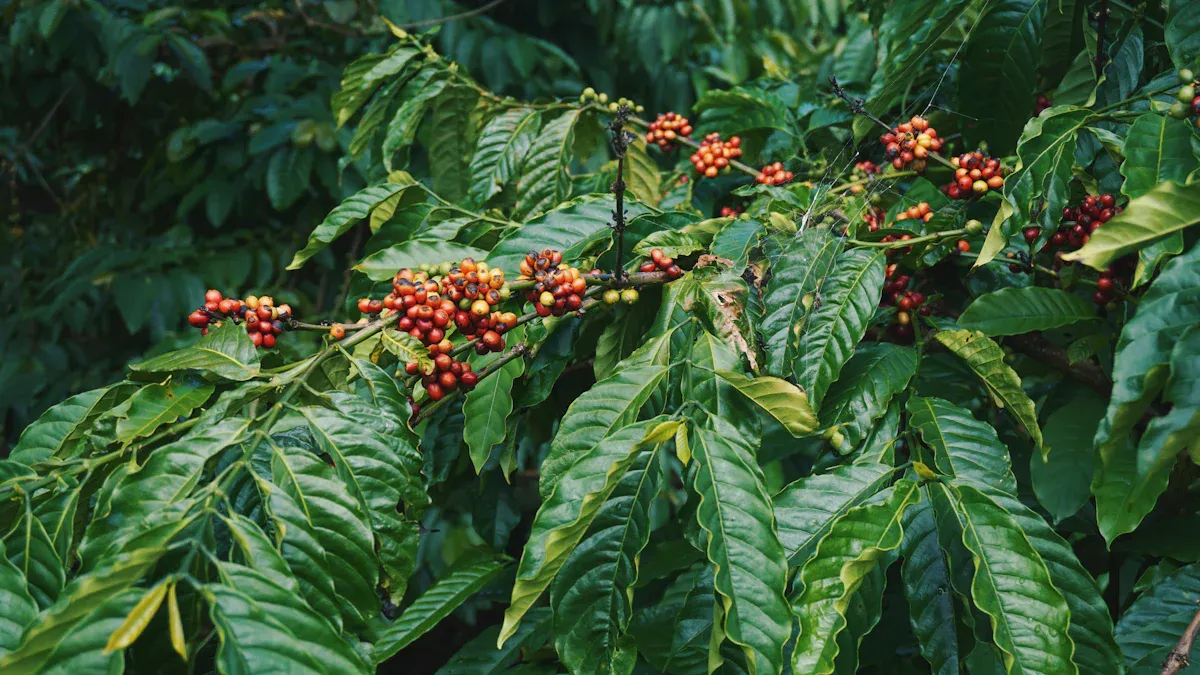
Sumatra offers a rich landscape for coffee cultivation. You find several distinct regions, each producing unique flavors that make sumatran coffee stand out. The volcanic soil, high elevation, and traditional processing methods shape the taste of every cup. Let’s explore three of the most celebrated varieties: Mandheling, Lintong, and Gayo.
Coffee Variety | Growing Region | Flavor Profile Description |
|---|---|---|
Mandheling | Northern Sumatra | Rich, complex, earthy, chocolatey notes; low acidity; smooth, velvety texture. |
Lintong | Lintong Nihuta (near Lake Toba) | Thick body, natural sweetness; bold earthy, herbal, and spicy notes; floral and fruity hints when cold brewed. |
Gayo | Aceh Highlands | Natural sweetness with caramel or honey-like flavors; mellow, smooth texture; subtle and complex. |
Mandheling
You discover Mandheling coffee in the northern part of sumatra, near Lake Toba. Farmers grow it in fertile volcanic soil, which gives the beans a deep, rich flavor. The traditional wet-hulling process, unique to sumatran coffee, helps create a full-bodied cup with low acidity. When you taste Mandheling, you notice earthy and chocolatey notes, along with hints of tobacco and wood. The texture feels smooth and velvety, making it a favorite among coffee enthusiasts who enjoy bold, intense flavors. Mandheling stands out for its complexity and long, dry finish. Many people consider it the classic example of sumatran coffee.
Lintong
Lintong coffee comes from the Lintong Nihuta region, southwest of Lake Toba. This area has a long history of coffee cultivation, dating back to the Dutch colonial era. You experience a thick, syrupy body and natural sweetness in every cup. Lintong offers bold earthy flavors, accented by herbs and spices. When you brew it using immersion or cold methods, you may notice floral and fruity notes, adding another layer of complexity. Specialty coffee lovers appreciate Lintong for its clean cup profile and spicy character, which can remind you of black tea incense. The unique terroir and careful processing make Lintong a standout among sumatran coffees.
Gayo
Gayo coffee grows in the highlands of Aceh, in northern sumatra. Smallholder farmers use the traditional wet-hulling method, removing the parchment when the beans still hold about 50% moisture. This process gives Gayo coffee a naturally sweet flavor, with caramel or honey-like notes and a mellow, smooth texture. You also find herbal nuances and a spicy finish in the cup. The high altitude and careful processing result in a coffee that is both subtle and complex. Gayo coffee is perfect if you prefer a softer, sweeter, and easy-drinking sumatran coffee, while still enjoying the depth and richness that sumatra is known for.
Each region in sumatra brings its own character to sumatran coffee. By exploring Mandheling, Lintong, and Gayo, you experience the full range of flavors that make sumatran coffee unique.
Sumatran Coffee vs. Other Origins
Flavor Differences
When you taste sumatran coffee, you notice how different it is from coffees grown in other parts of the world. Each origin brings its own unique qualities to your cup. The table below helps you see how sumatran coffee stands out:
Coffee Origin | Primary Flavor Characteristics | Body | Acidity | Notable Flavor Notes |
|---|---|---|---|---|
Sumatran | Deep, dark, meaty earthiness; smoky, toasted; stouty or mushroom-like complexity; long finish like dark/unsweetened cocoa | Full | Muted | Smoky, toasted, mushroom-like, very dark cocoa |
Kenyan | Big, bold, juicy; bright acidity; fruity and savory notes | Medium to full | Bright | Blackcurrant, citrus, tomato-like acidity |
Colombian | Balanced; mellow acidity; strong caramel sweetness; nutty undertones | Medium | Mild to medium | Caramel, nuts, mild fruit |
Brazilian | Pronounced peanutty quality; heavy body; chocolate and spice notes; lingering mouthfeel | Full | Low | Peanut, chocolate, spice |
Sumatran coffee gives you a full-bodied, rich experience with earthy, smoky, and mushroom-like notes. The muted acidity makes each sip smooth and deep. Kenyan coffee feels brighter and fruitier, while Colombian coffee tastes balanced and sweet. Brazilian coffee offers a nutty, chocolatey profile with a heavy body. You can see that sumatran coffee brings a bold and complex flavor that is hard to find elsewhere.
Expert cupping reviews often highlight the rich, velvety texture and intense, chocolatey finish of sumatran coffee. The wet-hulling process and volcanic soil in sumatra create a cup that feels heavier and more complex than most other coffees. You taste the difference right away.
Why Choose Sumatran
Many coffee lovers choose sumatran coffee for its unique qualities. You might prefer it if you enjoy a bold, full-bodied cup with low acidity. Here are some reasons why sumatran coffee stands out:
You get a rich, earthy, and less acidic taste that appeals to many traditional coffee drinkers.
The wet-hulling process in sumatra enhances the body and reduces acidity, giving you a smooth mouthfeel.
Sumatran coffee offers complex flavors, including notes of cedar, tobacco, herbs, dark chocolate, and subtle spices.
The volcanic soil and tropical climate of sumatra add depth and character to every cup.
Roasters can use different roast levels to highlight the full-bodied nature of sumatran coffee.
You find regional differences within sumatra, so you can explore a range of flavors from Mandheling, Lintong, and Gayo.
Sumatran coffee works well with many brewing methods, such as French press, espresso, or cold brew.
If you want a coffee that feels bold, earthy, and complex, sumatran coffee gives you a taste experience that stands apart from the rest.
Unique Coffee Experience at Home
Selecting Quality Beans
When selecting sumatran coffee, you want to focus on quality and authenticity. Start by checking the origin. The best beans come from recognized regions in sumatra, such as Aceh or North Sumatra. Look for beans that use the traditional wet-hulling process, which gives sumatran coffee its earthy and spicy flavors. Specialty-grade beans should score 80 or higher on the Specialty Coffee Association’s scale. You can use this checklist to guide your choice:
Choose beans from Aceh or North Sumatra.
Look for wet-hulled processing.
Check for hand-picked, ripe cherries.
Make sure the beans are sun-dried after wet-hulling.
Select beans with a size of 17/64 or 18/64 inches.
Avoid beans with defects; top grades have zero Category 1 defects.
Prefer organic and shade-grown options for better flavor and sustainability.
Selecting sumatran coffee with these criteria ensures you get the signature earthy, spicy, and chocolatey notes that make sumatran coffee special.
Brewing Methods
You can bring out the best in sumatran coffee by choosing the right brewing method. French press works well for sumatran dark roast because it extracts the rich oils and bold flavors. Pour-over methods like Chemex or V60 highlight the nuanced flavors and produce a clean cup. Espresso brewing creates intense, flavorful shots that work well for lattes or cappuccinos. Each method lets you enjoy the full body and low acidity that sumatran coffee offers.
Enhancing Flavor
To enhance the flavor of sumatran coffee at home, grind your beans fresh just before brewing. Use a burr grinder for a consistent grind size. Filtered or spring water helps preserve the coffee’s natural taste. Try a coffee-to-water ratio of 1-2 tablespoons per 6 ounces of water and adjust to your liking. Store your beans in an airtight container away from light and heat. Pair sumatran coffee with dark chocolate or pastries to complement its earthy profile. Choose a medium or medium-dark roast to keep the spicy and earthy notes strong.
Tip: Use a French press with a 4-minute steep to enjoy a bold, smooth cup with all the natural oils and flavors.
Sustainability Tips
You can support sustainable sumatran coffee production by choosing beans with certifications like Fair Trade or Rainforest Alliance. These programs help farmers receive fair prices and protect the environment. Look for shade-grown and organic options, which preserve biodiversity and soil health. Support brands that invest in local communities and use direct trade practices. By making these choices, you help ensure that sumatran coffee remains a unique coffee experience for years to come.
You experience sumatran coffee as a bold, full-bodied brew with earthy, spicy, and chocolate notes.
Wet-hulling and volcanic soil create a smooth, low-acidity profile.
Regions like Mandheling, Gayo, and Lintong offer unique flavors.
Brewing methods such as French press and espresso highlight sumatran complexity.
Try sumatran coffee and savor its rich taste. Explore different regions and brewing styles to discover your favorite sumatran experience.