

In the world of specialty coffee, generic terms like “light,” “medium,” and “dark” are insufficient. While helpful for a customer at a glance, for roasters and professionals, precision is everything. The ability to articulate and execute subtle differences in a roast profile is what separates good coffee from great coffee, unlocking the full potential hidden within a green bean. This dedication to detail requires a more specific and meaningful vocabulary.
Enter the language of the professional roaster: City roast, City Plus, and Full City. These terms define a critical and beloved portion of the roast spectrum where a coffee’s character is most dynamic. This is the range where the bright, vibrant notes of a coffee’s origin gracefully transition into the deep, sweet notes developed by the roast itself.
This definitive guide will demystify the City to Full City range. We will explore the precise milestones that define each level, break down their distinct flavor profiles, and provide a real-world example to help roasters understand and master this essential sweet spot of coffee flavor.
Locating the “City”: A Map of the Roast Spectrum

To truly appreciate the precision of the City to Full City range, it’s helpful to visualize where it sits on the complete map of the roast spectrum. Roasters use a variety of terms to describe the full continuum of a roast, which typically progresses as follows: Cinnamon, New England, City, City Plus, Full City, Vienna, French, and Italian. Each stage represents a further development of flavors and a deeper color. The entire City range is nestled in the heart of this spectrum, a crucial phase where many coffees find their most balanced and complex expression.
This progression is not just tracked by color, but by two critical, audible milestones that every roaster listens for intently. These events are the definitive signposts of the roasting journey.
First Crack: After several minutes in the roaster, as the internal temperature of the beans climbs, the moisture inside turns to steam and builds immense pressure. This pressure is released in an audible popping or cracking sound, very similar to popcorn popping. First crack signals a key chemical transformation; the beans rapidly expand, turn brown, and are now considered “light roasted” and suitable for brewing.
Second Crack: If the roast continues, the temperature keeps rising, and the buildup of carbon dioxide and other gases becomes intense. The bean’s internal cellulose structure begins to fracture under this pressure, creating a much quieter, more rapid, and crisper crackling sound, often compared to the sound of Rice Krispies in milk. The second crack signals the beginning of a “dark roast,” and oils will now be visibly migrating to the surface of the bean.
Defining the Roast Levels: City, City+, and Full City Explained
With the first and second cracks as our key landmarks, we can now zoom in on the specific stages that define this popular roasting range. Each level represents a deliberate choice by the roaster to highlight a different facet of the coffee’s character.
What is City Roast?
A City roast is the lightest of the “medium” roast classifications and represents the purest expression of a coffee’s origin.
Roast Milestone: This level is reached the moment the first crack has completely finished, or is in its final fading snaps. The roaster drops the coffee from the drum at this precise point, and the beans cool to halt any further development. The beans will appear light brown, matte, and will have no visible oils on their surface.
Flavor Profile: If you want to know what is city bean roast, the answer is a celebration of the bean itself. This roast level preserves the maximum amount of a coffee’s inherent, origin-specific flavors. The acidity is bright, crisp, and vibrant, often with prominent floral and fruit-forward notes. The body is typically lighter, often described as tea-like. The sweetness is present but delicate. This is the ideal roast for showcasing the unique terroir of a high-altitude, meticulously processed coffee.
What is City Plus (City+) Roast?
The City Plus roast is the harmonious middle ground, arguably the most common target for many specialty single-origin coffees.
Roast Milestone: This roast is developed for a short period after the first crack has completely ended, typically between 30 seconds and a minute, depending on the bean and the roaster’s equipment. The beans will appear slightly darker and will have expanded a bit more in size compared to a City roast, but still without a noticeable oily sheen.
Flavor Profile: The City Plus roast represents a perfect balance. The sharp, vibrant acidity of the City roast has been softened and integrated into a more profound sweetness as caramelization begins to take place. The body becomes more rounded and smooth. While the unique origin notes are still clearly present, they are now complemented by developing notes of caramel, milk chocolate, and roasted nuts. It’s a complex and layered cup that offers both brightness and depth.
What is Full City Roast?
A Full City roast is the darkest and most developed of this range, pushing the bean’s sweetness and body to the forefront.
Roast Milestone: This is a precise and critical point in the roast, achieved just before the second crack begins to roll. A skilled roaster will drop the beans upon hearing the very first, isolated snaps of the second crack. As the beans cool, a slight sheen or a few spots of oil may become visible on their surface. This is the definitive answer to “what is a full city roast.”
Flavor Profile: At this level, the dominant characteristics are body and sweetness. The acidity is significantly muted, transformed from a bright note into a richer, deeper fruit tone. The flavor profile of full city coffee is bold and rich, dominated by notes of dark chocolate, toffee, and almond, with a heavy, syrupy body and a lingering finish. The unique origin character is still present, but it now shares the stage equally with the flavors developed from the roast itself.
Head-to-Head: City vs Full City Roast – A Direct Comparison
While City, City Plus, and Full City exist on a continuum, the clearest way to understand the impact of a roaster’s choices is to compare the two ends of the spectrum directly. The differences in flavor, body, and appearance between a City and a Full City roast of the same coffee are distinct and profound.
Comparison Table: City Roast vs. Full City Roast
| Attribute | City Roast | Full City Roast |
| Acidity | Bright, crisp, and dominant. Often citrusy or floral. | Muted, rounded, and rich. Transformed into a deeper sweetness. |
| Body | Light and delicate. Often described as tea-like and transparent. | Heavy and syrupy, with a full, lingering presence on the palate. |
| Flavor Profile | Origin-driven. Showcases varietal and terroir (e.g., jasmine, bergamot, raspberry). | Roast-driven. Flavors of dark chocolate, toffee, and nuts are prominent. |
| Bean Appearance | Lighter brown with a dry, matte surface. No visible oil. | Darker brown with a noticeable sheen or a few spots of oil. |
| Primary Goal | To showcase and preserve the bean’s unique, inherent characteristics. | To develop deep sweetness, body, and rich, comforting flavors. |
A Real-World Example: Roasting a Washed Guatemalan Huehuetenango
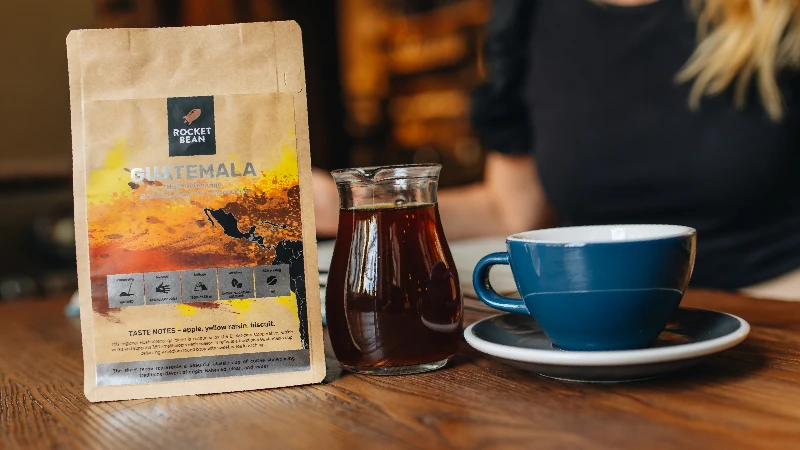
Theory and definitions are essential, but the true nature of these roast levels comes alive with a practical example. Let’s take a single, high-quality coffee and explore how its flavor profile would transform across the City to Full City spectrum.
Our coffee is a classic washed bean from the Huehuetenango region of Guatemala. This coffee is well-known for its excellent structure, a vibrant malic acidity (reminiscent of apples), and a solid base of chocolate and nutty flavors. It’s a versatile bean with great potential, making it a perfect canvas for a roaster to work with.
Here is how it would likely taste at each level:
As a City Roast
At this level, the goal is to showcase the coffee’s bright, origin-driven character. The resulting cup would be crisp, clean, and vibrant. The dominant flavor note would be that bright malic acidity, tasting clearly of green apple and lemon zest. The underlying sweetness would be subtle, like white sugar, and there would be a delicate floral hint, perhaps of jasmine. The body would be light and clean, making for a refreshing and transparent cup.
As a City+ Roast
This is where we find the “sweet spot” of balance. The roast has developed just enough to soften the sharp acidity and build a more profound sweetness. The green apple note from the City roast would now taste richer, more like baked apple or caramelized pear. The chocolate notes, which were in the background, now step forward as a smooth milk chocolate. The body becomes noticeably rounder and fuller, creating a perfectly harmonious and complex cup where both the bright origin and the sweet roast are in sync.
As a Full City Roast
Here, the profile shifts dramatically towards richness and body. The bright acidity is no longer a primary feature, having been transformed into a subtle background note of dried cherry or raisin. The dominant flavors would be deep and comforting: dark chocolate, roasted almond, and rich toffee. The body would be at its peak—heavy, syrupy, and with a long, satisfying finish. The coffee is now a bold and powerful expression of sweetness and texture, with the roast character taking center stage.
Packaging for the Profile: Preserving Your Perfect Roast

As the real-world example shows, a skilled roaster can take a single green coffee and create three distinctly different products, each with its own unique flavor profile and target audience. Roasting to these precise levels is an art, but ensuring that the customer experiences the coffee exactly as you intended is a science—the science of preservation. A coffee’s specific profile can be ruined in a matter of days without the right protection.
The characteristics of these roasts are particularly delicate and vulnerable in different ways. The bright, vibrant acidity and delicate floral notes of a City roast are created by highly volatile compounds that are the first to be destroyed by oxygen. The rich, deep, and caramelized sugars of a Full City roast, while more robust, can quickly become flat, dull, and lose their comforting sweetness if left exposed.
Whether you’ve crafted the perfect, bright City roast coffee or a rich, sweet Full City roast, protecting that precise flavor profile is crucial for your brand’s reputation. The right coffee bags from BN Pack act as a vault for freshness. Our high-barrier bags, with foil or metalized linings, lock out stale oxygen and UV light—preserving the delicate acidity of a City roast and the deep caramel notes of a Full City. The one-way degassing valve is essential for allowing the beans to rest without going stale, ensuring your customer tastes the coffee exactly as you intended.
Conclusion
The journey from City to Full City is a short one in terms of time and temperature, but it represents a vast landscape of flavor. It’s a spectrum that moves a coffee from a bright, transparent expression of its origin to a rich, comforting expression of the roaster’s craft. The City roast asks, “Where is this coffee from?” The Full City roast asks, “How can this coffee be transformed?” And the City Plus roast finds a beautiful harmony between the two.
This dynamic range is the heartland of specialty coffee roasting. It is where many of the most balanced, complex, and memorable coffees are found.
For roasters, mastering the subtle differences within this spectrum is fundamental. The choices made in these critical moments after the first crack are what shape a coffee’s final character and, ultimately, define a brand’s unique style and philosophy. Experimenting within this range is the key to unlocking the most dynamic and delicious expressions of any high-quality specialty coffee bean, and to crafting a cup that is not just roasted, but truly authored.