

For many people, the idea of a sweet black coffee seems like a contradiction in terms. From our first hesitant sips as teenagers, we are often conditioned to associate coffee with a sharp, assertive bitterness that needs to be tamed with milk and sugar. But in the world of specialty coffee, “sweetness” is one of the most prized and sought-after characteristics—a hallmark of quality that separates a mediocre cup from a truly memorable one.
This raises a crucial question: where does this sweetness come from if there’s no sugar packet in sight? The answer is that it’s not an additive, but an inherent quality, born from the fruit of the coffee plant and masterfully cultivated through every step of its journey.
This guide will demystify the complex and delightful world of coffee sweetness. We will explore its scientific origins in the green bean, track how it is unlocked and shaped in the roaster, and ultimately guide you on how to find and enhance the naturally sweet coffee you love.
The Science of Sweet: Where Does the Flavor Come From?
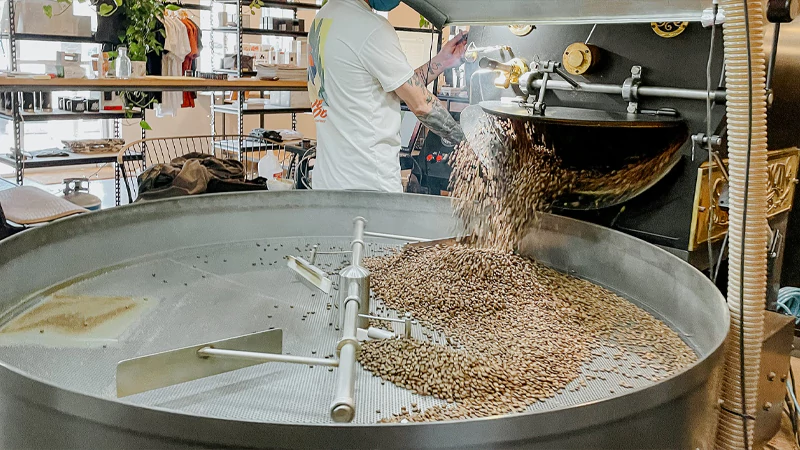
The journey of sweetness begins with the raw, green coffee bean itself, which contains various natural sugars, primarily sucrose. These sugars are the fundamental building blocks—the “precursors”—that will be transformed during the roasting process into the complex sweet flavors we can taste in the final cup. This transformation is a marvel of chemistry, driven by two key processes:
- Maillard Reaction: This is a complex chemical reaction between the amino acids and sugars in the bean, kicked off by the heat of the roaster. It’s the same “browning” reaction that creates the delicious crust on bread or the savory flavor of a seared steak. In coffee, it generates hundreds of new aromatic and flavor compounds, many of which are perceived by our palates as sweet and savory, contributing notes of malt, toast, and caramel.
- Caramelization: As the roast progresses and temperatures rise, the sugars in the coffee bean begin to break down and transform in a process called caramelization. This is what creates the deeper, classic sweet notes of caramel, toffee, and brown sugar. If the roast is taken further, these notes can develop into a more intense roasty sweet flavor, but if the heat is too high for too long, these same sugars will burn, creating bitterness instead.
It’s also important to understand that sweetness in coffee is a complex perception. It is often defined by a balance with a coffee’s acidity and a distinct lack of unpleasant bitterness. For example, a coffee with a pleasant coffee fruity taste is often perceived as being much sweeter, as our brains associate the flavor of ripe fruit with the presence of sugar.
The Quest for the Sweetest Coffee Bean: Factors at Origin
The potential for a coffee to be sweet is established long before it ever reaches a roaster. The foundation for a sweet coffee bean is built at the farm, influenced by three critical factors.
Varietal (The Genetic Blueprint): Just like some apple varieties (like Honeycrisp) are naturally sweeter than others (like Granny Smith), some coffee varietals are genetically predisposed to produce more sugars. Varietals like Bourbon, Gesha, and Caturra are renowned for their ability to produce exceptionally sweet and complex cups.
Terroir (The Growing Environment): The environment where the coffee is grown has a profound impact. Coffee grown at high altitudes matures more slowly. This extended maturation period allows the coffee cherry to develop a higher concentration of the sugars and organic acids that lead to a sweet and vibrant flavor profile. Rich, nutrient-dense soil also plays a vital role in creating the building blocks for sweetness.
Processing (The First Taste of Sweetness): The method used to remove the coffee bean from the cherry after harvesting is one of the most significant influences on its final sweetness.
Natural Process: The entire cherry is dried with the bean inside, allowing the bean to absorb a massive amount of fruit sugars from the pulp. This often results in the sweetest type of coffee, with intense, jammy, and fruity-sweet flavors.
Honey Process: A portion of the sugary fruit mucilage is left on the bean as it dries. This method is a direct path to a syrupy, honey-like sweetness that is rich and pronounced.
Washed Process: While this method washes the fruit off, a perfectly executed washed process on exceptionally ripe cherries can produce a wonderfully clean, delicate, and crystalline sweetness.
The Roaster’s Craft: Unlocking and Shaping Sweetness
A roaster’s primary job is to act as a “sugar manager.” They take the potential for sweetness created at the farm and skillfully develop it through the careful application of heat. The roast profile is the ultimate tool for shaping a coffee’s final sweet character.
Light Roasts: These roasts are shorter and don’t reach the same high temperatures as darker roasts. This approach preserves more of the delicate, fruit-derived sugars and organic acids from the bean itself. This is often where you will find a classic light sweet coffee, with a flavor profile reminiscent of fruit, honey, and flowers.
Medium Roasts (The Sweet Spot): Many roasters consider the medium roast range (often called City to Full City) to be the sweet spot for maximizing caramelization without introducing overwhelming bitterness. This is where the Maillard reaction and caramelization are in full swing, creating a deep, balanced, and rich sweetness with notes of chocolate, caramel, and toffee.
Dark Roasts: These roasts can produce a bold, roasty sweet flavor, often with notes of dark chocolate and molasses. However, the roaster must be incredibly skilled, as pushing the roast just a little too far will cause the sugars to burn, quickly erasing the sweetness and creating a bitter, carbony flavor instead.
Finding Your Perfect Sweet Coffee: A Guide to Types and Flavors

With all this information, we can finally tackle the big question: what is the sweetest coffee? The answer depends on what kind of sweetness you enjoy most.
For Intense, Fruity Sweetness: The sweetest coffee bean in this category will almost always be a Natural processed coffee. Look for lots from Ethiopia (with notes of strawberry or blueberry) or a Honey processed coffee from Costa Rica or Panama (with a rich, syrupy sweetness).
For Balanced, Caramel & Chocolate Sweetness: The sweetest coffee type for these comforting flavors is often a high-quality washed coffee from Central or South America, such as Guatemala, Colombia, or Brazil. When given a well-developed medium roast, these coffees shine with notes of milk chocolate, nougat, and brown sugar.
A Note on Milk Drinks: Many people ask, “are lattes sweet?” A traditional latte contains no added sugar. However, when milk is steamed, its natural sugars (lactose) become more prominent, creating a distinct sweetness. This natural milk sweetness beautifully complements a coffee’s own inherent sweetness, which is why a well-made latte tastes sweet and satisfying without any syrup.
Preserving Sweetness: The Critical Role of Packaging
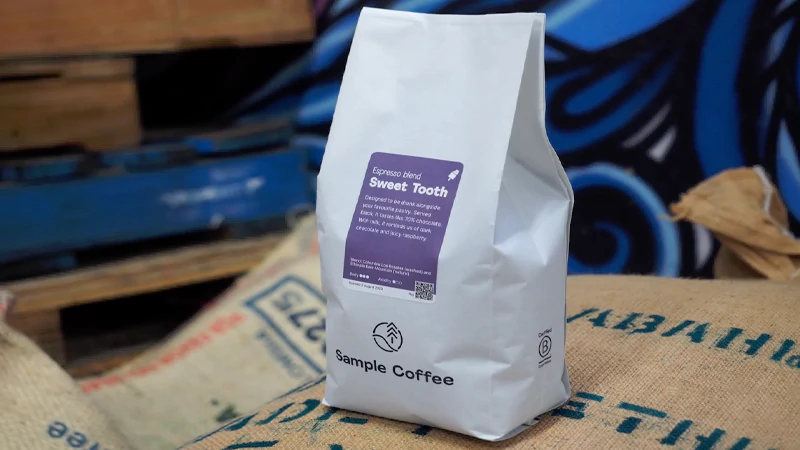
A roaster can do everything right—source the best green beans and execute a perfect roast to maximize sweetness—but this hard work can be undone in a matter of days. Sweetness, just like aroma, is fleeting. The complex, delicate compounds responsible for a coffee’s sweet taste are highly vulnerable to its number one enemy: oxygen. Oxidation causes these compounds to break down, turning your beautiful sweet coffee into a dull, flat, and lifeless brew.
Preserving the peak sweetness of a perfectly roasted sweet coffee bean is non-negotiable for delivering a quality experience. The high-performance coffee bags from BN Pack are designed to be the ultimate guardians of freshness. Our multi-layer, high-barrier bags create an airtight seal that locks out damaging oxygen, ensuring the delicate caramel and fruit notes you crafted are protected from staling. A one-way degassing valve allows the coffee to rest safely after roasting without exposure to air, guaranteeing that the sweetest coffee bean you package is the sweetest coffee your customer brews. Protect your craft and deliver on the promise of sweetness in every bag.
Conclusion
True sweetness in coffee is not an additive; it is a complex and natural quality that signals excellence at every stage of the journey. It is a potential born from healthy soil and ripe fruit, a flavor carefully and skillfully developed by a passionate roaster, and a delicate characteristic that must be preserved until the moment of brewing.
The next time you enjoy a cup of sweet black coffee, take a moment to appreciate the incredible chain of events that created it. You are not just tasting a beverage; you are tasting the result of immense care, craftsmanship, and a little bit of chemical magic.