
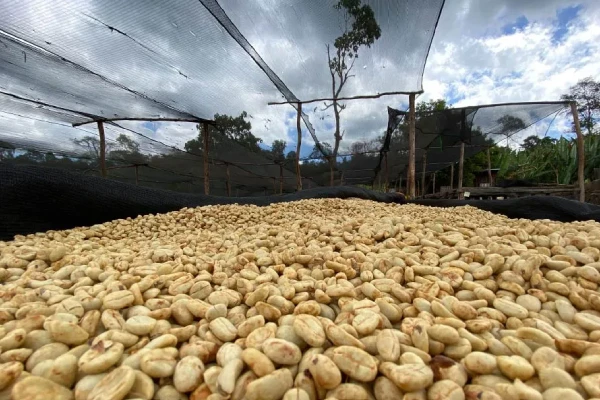
Roasters and buyers are fluent in the language of varietals. Terms like Gesha, Bourbon, and Caturra paint a clear picture of a coffee’s genetic lineage and flavor potential. But there is another term, one often associated with the most vibrant, floral, and complex coffees on the cupping table, that remains shrouded in a captivating mystery: “heirloom.”
What exactly is heirloom coffee? Why is this single term so predominantly linked to the coffees of Ethiopia, the very birthplace of coffee itself? And for a roaster sourcing green beans, what does the phrase “heirloom coffee beans” on an offering list truly signify about the product in the bag?
This guide will demystify the beautiful and complex concept of the coffee heirloom. We will journey to its ancient origins in the wild forests of Ethiopia, explore the incredible genetic diversity it represents, and provide key insights for coffee professionals on how to source, roast, and package these unique and treasured beans.
Defining “Heirloom”: More Than Just an Old Variety
To understand what heirloom means in coffee, it helps to look at its broader agricultural definition. An heirloom plant is a traditional, open-pollinated variety that has been cultivated and passed down through generations, prized for its unique flavor and characteristics rather than for commercial traits like high yield or disease resistance.
In the context of coffee, however, the term “heirloom” has a unique and specific application. While you might occasionally see it used to describe old Bourbon or Typica stock in Central America, it is almost exclusively used as a classification for coffees from Ethiopia. This isn’t because other countries lack old varieties; it’s because the very nature of coffee in Ethiopia is fundamentally different from anywhere else on Earth.
Unlike in Latin America, where a handful of specific varietals were selected and cultivated on large, organized farms, coffee in Ethiopia grew wild in dense forests for millennia. This resulted in an incredible, sprawling family tree of thousands upon thousands of genetically unique, often unclassified and unnamed, indigenous Ethiopian coffee varieties. “Heirloom” has become the beautiful catch-all term for this vast, wild genetic library. When you buy Ethiopian heirloom coffee, you are not buying a single, named varietal; you are buying a beautiful, chaotic, and delicious blend of the region’s ancient and diverse coffee legacy.
The Birthplace of Coffee: Why Ethiopia is the Home of Heirlooms
Ethiopia is universally recognized as the birthplace of Coffea arabica. The story of Kaldi and his dancing goats is a legend, but the scientific fact is that the highlands of Ethiopia are where coffee first evolved and still grows wild today. These lush, highland forests represent a massive “genetic bank” for coffee, containing a level of biodiversity found nowhere else on the planet. This is the primary reason for the astounding spectrum of flavors—from citrus and jasmine to blueberry and bergamot—that can be found in Ethiopian coffees.
This genetic diversity is preserved and propagated through a unique cultivation style. While there are some large estates, a huge portion of Ethiopia’s coffee is produced by smallholder farmers in what is known as “garden coffee” systems. These farmers cultivate a mix of these wild and semi-wild heirloom varieties in the small, fertile gardens around their homes. Each small farm, therefore, has its own unique blend of heirloom types, contributing to the distinct flavor profile of each micro-region and even each individual village.
The Flavor Profiles: Tasting the Diversity of Heirloom Coffee
While it’s impossible to assign a single flavor profile to the thousands of heirloom varieties, there are general characteristics that are famously associated with Ethiopian coffees. They are renowned for their bright, clean, and complex acidity, a delicate and often tea-like body, and an intensely aromatic bouquet of floral and fruit notes.
However, the specific flavor profile of an heirloom coffee is highly dependent on the region where it was grown and how it was processed.
- Yirgacheffe: This small region in Southern Ethiopia is arguably the most famous in the world, and for good reason. A classic washed yirgacheffe heirloom coffee is the quintessential expression of the heirloom profile: dazzlingly aromatic with powerful notes of jasmine, honeysuckle, and bergamot. It has a bright, sparkling citric acidity reminiscent of lemon and a delicate, clean, tea-like finish. It is a coffee of profound elegance and complexity.
- Sidamo: This larger growing region, which includes Yirgacheffe, is known for producing heirlooms with a remarkable range and a slightly richer body. Sidamo coffees often showcase a wider spectrum of fruit notes, from crisp citrus and stone fruit like peach and apricot in washed lots, to rich red berry and blueberry notes in natural processed lots, all underscored by a lingering, sugary sweetness.
- Harrar: Located in the Eastern highlands, Harrar is famous for its distinct, sun-dried natural processed heirlooms. These coffees are a world away from the delicate washed Yirgacheffes. They are typically heavy-bodied, rich, and intensely fruity with a wine-like character. Powerful notes of blueberry, dried fruit, and strawberry are common, often accompanied by a unique and complex mocha or dark chocolate character.
The Art of Roasting Heirloom Coffee Beans
For a roaster, handling heirloom coffee beans is an exercise in finesse. The goal is not to impart a heavy “roast” flavor, but to act as a skilled curator, gently unlocking and showcasing the incredibly delicate and complex aromatics that are latent within the green bean.
- Bean Characteristics: Ethiopian heirloom beans are often smaller, denser, and sometimes more varied in size and shape compared to the highly uniform, cultivated varietals from other countries. This density is a result of the high altitudes at which they are grown.
- Roasting Strategy: A brand that has built a reputation as one of the great heirloom coffee roasters understands that these beans require a delicate touch.
- Gentle Heat Application: Due to their high density and often smaller size, heirloom beans can be prone to scorching if the initial heat (charge temperature) is too aggressive. A gentler approach, with careful management of the Rate of Rise (RoR), is crucial to ensure the heat penetrates the dense core of the bean evenly.
- Highlighting Delicacy: The primary objective is to preserve the coffee’s precious and volatile aromatic compounds. This means a light to medium roast profile is almost always the best choice. Roasting too dark will quickly destroy the delicate floral and citrus notes, erasing the very characteristics that make these coffees so special and sought-after.
- Development Time: The time after the first crack begins is critical. A shorter development time is often preferred to maintain the bright, sparkling acidity and highlight the floral notes. Over-developing the roast can flatten the acidity and muddy the clean, transparent flavors.
Preserving a Legacy: The Importance of Packaging
After sourcing these rare, genetically unique beans from the highlands of Ethiopia and applying a masterful, delicate roast, the final step is to protect their fleeting and incredibly complex character. The vibrant floral notes of a Yirgacheffe or the deep berry sweetness of a Sidamo are created by some of the most volatile aromatic compounds in the coffee world. They are extremely susceptible to degradation from oxygen, which can make a brilliant coffee taste flat and lifeless in a matter of days.
A coffee with a story and flavor profile as unique as an Ethiopian heirloom deserves packaging that honors its legacy. The high-performance coffee bags from BN Pack are engineered to be the ultimate guardians of these delicate aromas. Our multi-layer, high-barrier bags create an airtight seal that locks out the staling effects of oxygen and UV light, preserving the jasmine notes of a Yirgacheffe or the berry notes of a Sidamo. The one-way degassing valve is essential, allowing the beans to rest safely after roasting without losing their precious character. Ensure the ancient magic of coffee at heirloom quality reaches your customer’s cup.
Conclusion
To drink an Ethiopian heirloom coffee is to taste history. “Heirloom” is not the name of a single varietal but a celebration of the vast, wild, and untamed genetic library of the very birthplace of coffee. Its flavor is a direct and delicious expression of this incredible biodiversity.
For roasters and coffee lovers, seeking out these coffees is more than just the pursuit of a great-tasting cup. It is a way to connect with the very origins of coffee itself, to support the smallholder farmers who are the custodians of this genetic legacy, and to preserve and celebrate the beautiful diversity that makes coffee one of the most fascinating beverages on Earth.