

They are both celebrated pillars of tea culture, beloved for their vibrant green hues and powerful health benefits. They both originate from the exact same plant, Camellia sinensis. Yet, one is a light, delicate infusion brewed from whole leaves, while the other is a rich, powerful, and opaque suspension made from a fine powder. The difference between matcha and green tea is one of the most common and important questions in the world of tea, and the answer reveals a fascinating story of cultivation, craftsmanship, and culture.
This leads to the core questions that tea drinkers everywhere ask: Are matcha and green tea the same thing? And is matcha just green tea in a different form? The answer is a clear and definitive no. While it is true that all matcha is a type of green tea, it is absolutely not true that all green tea is matcha.
This definitive guide will provide a complete breakdown of the difference between green tea and matcha. We will explore their unique and distinct journeys from the tea fields to your cup, comparing their cultivation, processing, preparation, flavor profiles, and potent health benefits to give you a clear understanding of what makes each one special.
A Tale of Two Farming Methods
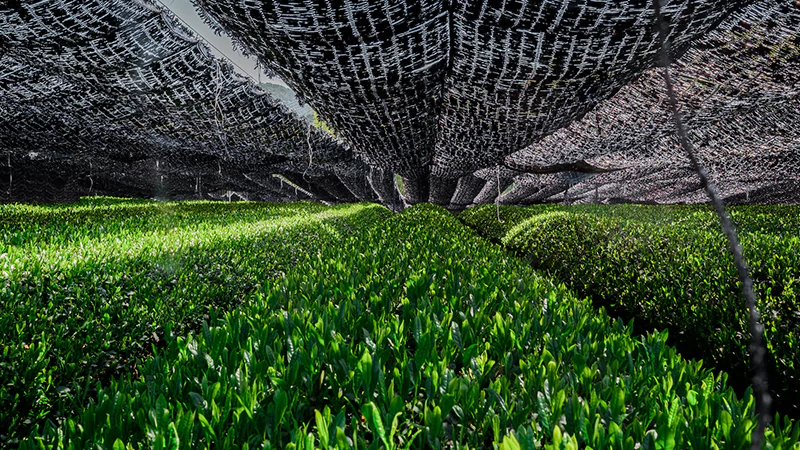
The journey that separates matcha from other green teas begins long before the leaves are ever picked. It starts in the tea fields themselves, with a fundamental difference in agricultural philosophy and practice that dramatically changes the chemical composition of the leaf.
Standard Green Tea: The Sun-Kissed Leaf
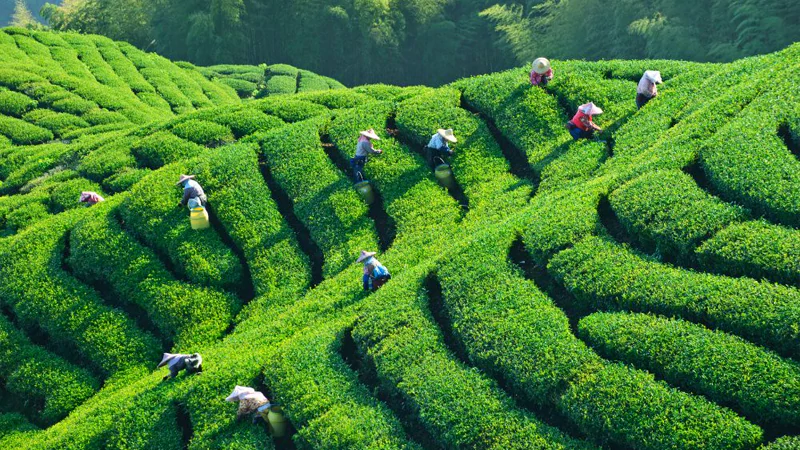
Most green tea, from Chinese Dragon Well to Japanese Sencha, is cultivated in open fields, basking in direct sunlight. This sun exposure encourages the tea plant (Camellia sinensis) to produce catechins, a type of antioxidant polyphenol. While beneficial, catechins are also the primary source of the astringent, sometimes bitter, notes characteristic of many green teas. The sun acts as a stressor that builds a certain type of hardiness and flavor into the leaves.
Matcha: The Shaded Jewel
This is the first, and arguably most critical, point of divergence. The tea plants destined to become matcha are intentionally shielded from the sun. Approximately 20 to 30 days before the scheduled harvest, large structures, often made of bamboo and straw (or modern black vinyl cloths), are erected over the tea bushes, blocking out up to 90% of the direct sunlight.
This deliberate act of shading places the plant under a different kind of stress, forcing it to adapt and fundamentally altering its biology. In response to the lack of sunlight, the plant’s leaves begin to produce a massive amount of chlorophyll, which floods them with a deep, vibrant, and almost iridescent shade of green. Even more importantly, the plant ramps up its production of amino acids, most notably L-theanine. This is the compound responsible for matcha’s distinct, savory “umami” flavor and is linked to the feeling of calm, focused energy that matcha is famous for. This shading process is the secret to matcha’s unique character.
From Leaf to Powder: A Difference in Processing and Form
After the leaves are harvested, their paths diverge even more dramatically. The way each tea is processed determines its final form and fundamentally changes how we consume it.
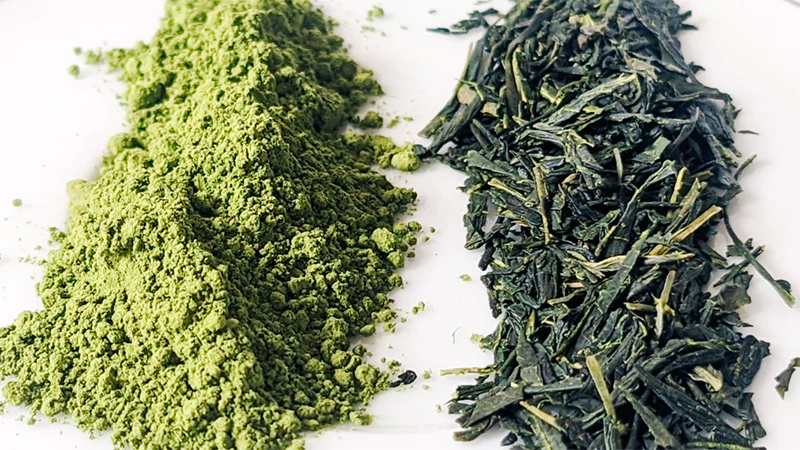
Green Tea Processing: Preserving the Whole Leaf
For most standard green teas, the goal is to preserve the integrity of the whole leaf. Immediately after harvesting, the leaves are quickly heated—either by steaming (the common Japanese method) or pan-firing (the common Chinese method). This crucial step applies just enough heat to halt the enzymes responsible for oxidation, ensuring the leaves remain green and don’t turn into oolong or black tea. After heating, the leaves are rolled into various shapes (which helps to break down cell walls for brewing) and then thoroughly dried. The final product you purchase is the whole, dried tea leaf, ready for infusion.
Matcha Processing: A Meticulous Journey to Powder
The journey from a shaded tea leaf to matcha green tea powder is a meticulous and labor-intensive art.
- Selection: Only the youngest, greenest, and most tender leaves from the top of the shade-grown plants are hand-picked for the highest quality matcha.
- Steaming and Drying: Like other Japanese green teas, the leaves are steamed immediately to lock in their color and nutrients. They are then laid out flat to air dry.
- De-stemming and De-veining: This is a critical step unique to matcha. The dried leaves are passed through a series of machines that painstakingly remove every stem and vein. The pure, tender leaf flesh that remains is now called “tencha.”
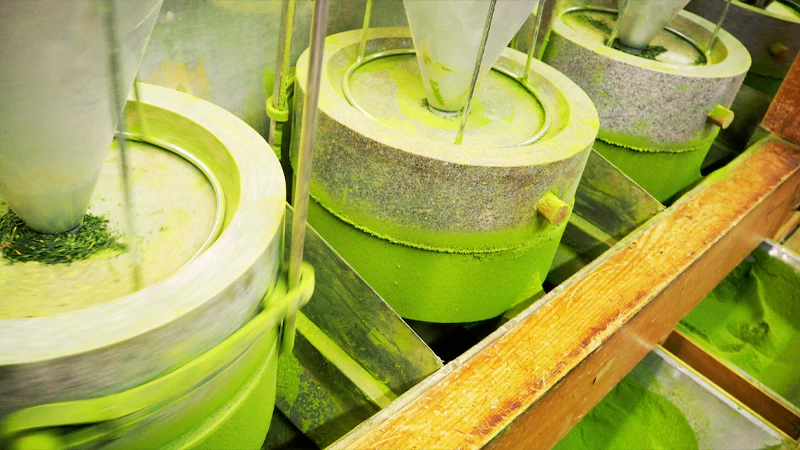
- Stone Grinding: The tencha is then slowly and carefully stone-ground into an incredibly fine, talc-like powder. This is traditionally done with large granite wheels that turn very slowly to avoid scorching the delicate leaf and damaging its flavor and aroma. It can take over an hour to grind just 30 grams of matcha.
The final form is the most crucial distinction of all: with regular green tea, you brew the leaves in water and then discard them, drinking only the infusion. With matcha, you whisk the entire powdered leaf into water and consume it whole. This single fact is the source of all the profound differences that follow.
Matcha vs. Green Tea
Now that we understand the distinct farming and processing methods, we can directly compare the final products across the metrics that matter most to the tea drinker: preparation, flavor, caffeine, and health benefits.
Preparation: Infusion vs. Suspension
- Green Tea: Preparation involves infusion. You steep the whole or broken tea leaves (either loose or in a tea bag) in hot water for a few minutes. The leaves are then removed, and you drink the resulting liquid.
- Matcha: Preparation involves suspension. You place the fine matcha powder in a bowl, add a small amount of hot (not boiling) water, and use a bamboo whisk (chasen) to vigorously whisk the mixture into a frothy, uniform liquid. You are not steeping; you are consuming the entire powdered leaf suspended in the water.
Flavor Profile: Grassy vs. Umami
- Green Tea: The flavor can vary widely, but it is generally lighter and more subtle. Profiles range from grassy, vegetal, and oceanic (like Japanese Sencha) to toasty, nutty, and earthy (like Chinese Dragon Well). There is often some level of astringency.
- Matcha: The flavor is much richer, more intense, and complex. A high-quality matcha has a velvety, creamy texture with a distinct savory and sweet flavor known as “umami.” This is followed by a lingering, mellow sweetness and virtually no bitterness.
Caffeine Content: A Clear Winner
When it comes to the green tea vs matcha caffeine debate, the answer is straightforward.
Green Tea: A standard 8-ounce cup of brewed green tea typically contains 25-35 milligrams of caffeine. Only a portion of the caffeine from the leaf is extracted into the water during steeping.
Matcha: Because you are consuming the entire leaf, you are ingesting all of its caffeine. A standard serving of matcha (using 1 teaspoon of powder) can contain 60-70 milligrams of caffeine, roughly double that of green tea and closer to a shot of espresso. However, the presence of L-theanine in matcha often creates a state of calm alertness, rather than the jittery buzz some experience with coffee.
Health Benefits & Antioxidants: A Potency Powerhouse
This is where the difference becomes most significant, and it’s a key factor in the matcha vs green tea benefits discussion.
- Green Tea: Green tea is famously rich in antioxidants, particularly a catechin called EGCG (epigallocatechin gallate), which is linked to numerous health benefits. However, when you brew green tea, many of these powerful nutrients remain trapped in the leaves that you discard.
- Matcha: By consuming the entire leaf, you receive a much more potent concentration of all its nutrients. Studies have shown that a serving of matcha can contain significantly more—some estimate up to 10 times more—EGCG and overall antioxidants than a cup of standard brewed green tea. You are getting a supercharged dose of the very compounds that make green tea so healthy.
The Cultural Context: Is Matcha Japanese or Chinese?
Given its deep ties to traditional tea ceremonies, many people wonder, “is matcha japanese or chinese?” The history is intertwined, but the modern identity of matcha is distinct. The journey of powdered tea is a fascinating story of cultural adoption and perfection.
The Origin: Tang Dynasty China
The practice of preparing tea by whisking a powdered form of the leaf into a frothy beverage did not begin in Japan. It originated in China during the Tang Dynasty (618-907 AD). Tea leaves were steamed and compressed into bricks for easy transport. To prepare the tea, a piece of the brick would be broken off, ground into a fine powder with a mortar and pestle, and then whisked in a bowl with hot water. This method became widely popular during the subsequent Song Dynasty (960-1279 AD).
The Perfection: Zen Buddhism and Japan
In the late 12th century, a Japanese Buddhist monk named Myōan Eisai traveled to China to study. He became fascinated with this method of preparing tea and brought the seeds and the practice back to Japan. Eisai and other Zen Buddhist monks found that the tea induced a state of calm, focused alertness that was highly conducive to long periods of meditation.
While the practice eventually faded in China, it was embraced and elevated to a high art form in Japan. Japanese producers refined every aspect of the process, from developing the crucial technique of shade-growing the tea plants to perfecting the stone-grinding methods. Over centuries, this powdered tea, now known as matcha, became inextricably linked with Japanese culture and the highly ritualized Japanese tea ceremony, or chanoyu (“the way of tea”).
So, while the idea of powdered tea originated in China, the matcha we know and love today—with its vibrant green color, rich umami flavor, and ceremonial significance—is a distinctly Japanese perfection of that ancient practice.
Preserving a Powerhouse: Why Matcha Packaging is Critical
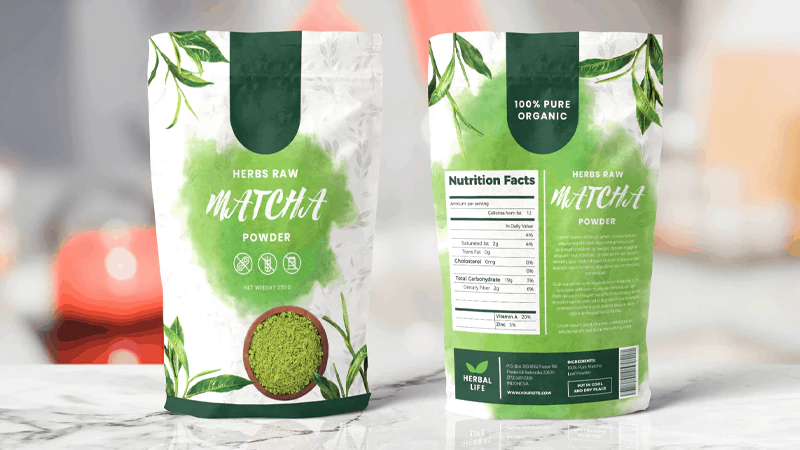
The very characteristics that make matcha so unique and nutritionally potent—its ultra-fine powdered form and its high concentration of delicate compounds like chlorophyll and L-theanine—also make it incredibly vulnerable. Unlike whole-leaf tea, which has a relatively small surface area, matcha green tea powder is a vast landscape of tiny particles, each one exposed to the environment. This makes it extremely susceptible to degradation from three main enemies.
- Oxygen: Oxidization is the number one destroyer of matcha. It rapidly degrades the delicate umami and sweet-vegetal flavor notes, leaving the powder tasting flat and bitter. It also diminishes the potency of its valuable antioxidants.
- Light: The vibrant, jewel-like green color of matcha comes from its high chlorophyll content, which is extremely sensitive to UV light. Exposure to light will quickly cause the powder to fade to a dull, yellowish-green, signaling a significant loss of quality and freshness.
- Moisture: As a fine powder, matcha is exceptionally hygroscopic, meaning it absorbs moisture from the air like a sponge. Even a small amount of moisture will cause the powder to clump, making it difficult to whisk, and can ultimately lead to spoilage.
The vibrant color, rich umami flavor, and potent health benefits of high-quality matcha are incredibly fragile. Protecting this investment is essential. The specialized matcha tea packaging bags from BN Pack are engineered to be the ultimate defense. Our multi-layer, high-barrier foil materials create an impenetrable fortress against damaging oxygen, UV light, and moisture. The airtight, resealable zippers ensure the powder stays fresh after the first opening, preserving its quality down to the last scoop. For a product as delicate and valuable as matcha, superior packaging isn’t an option—it’s a necessity.
Conclusion
The journey from the Camellia sinensis plant to your cup can take two dramatically different paths. The essential takeaway is this: regular green tea is an infusion of the leaf, while matcha is a suspension of the entire, powdered leaf. This single, fundamental distinction is the source of every other difference, from the vibrant, rich flavor and creamy texture of matcha to the more delicate, subtle notes of brewed green tea, and from its higher caffeine content to its more potent dose of antioxidants.
Ultimately, the choice between them is not about which one is “better,” but about which experience you are seeking.
- Choose Green Tea for: A lighter, more delicate, and subtle tea experience. It is perfect for a gentle lift in the afternoon or for appreciating the nuanced, transparent flavors of a specific tea garden with a lower dose of caffeine.
- Choose Matcha for: A rich, powerful, and energizing experience. It is ideal for when you desire a bold, umami-rich flavor, a velvety texture, and a more potent dose of both caffeine and health-boosting nutrients.
The difference between matcha and green tea is now clear. While they share a common ancestry, they are truly two unique beverages, each with its own fascinating story and distinct character. Both are wonderful, but they are undeniably different. You can now choose your green tea with the confidence and knowledge of a true connoisseur.