
What Is Shade Grown Coffee?
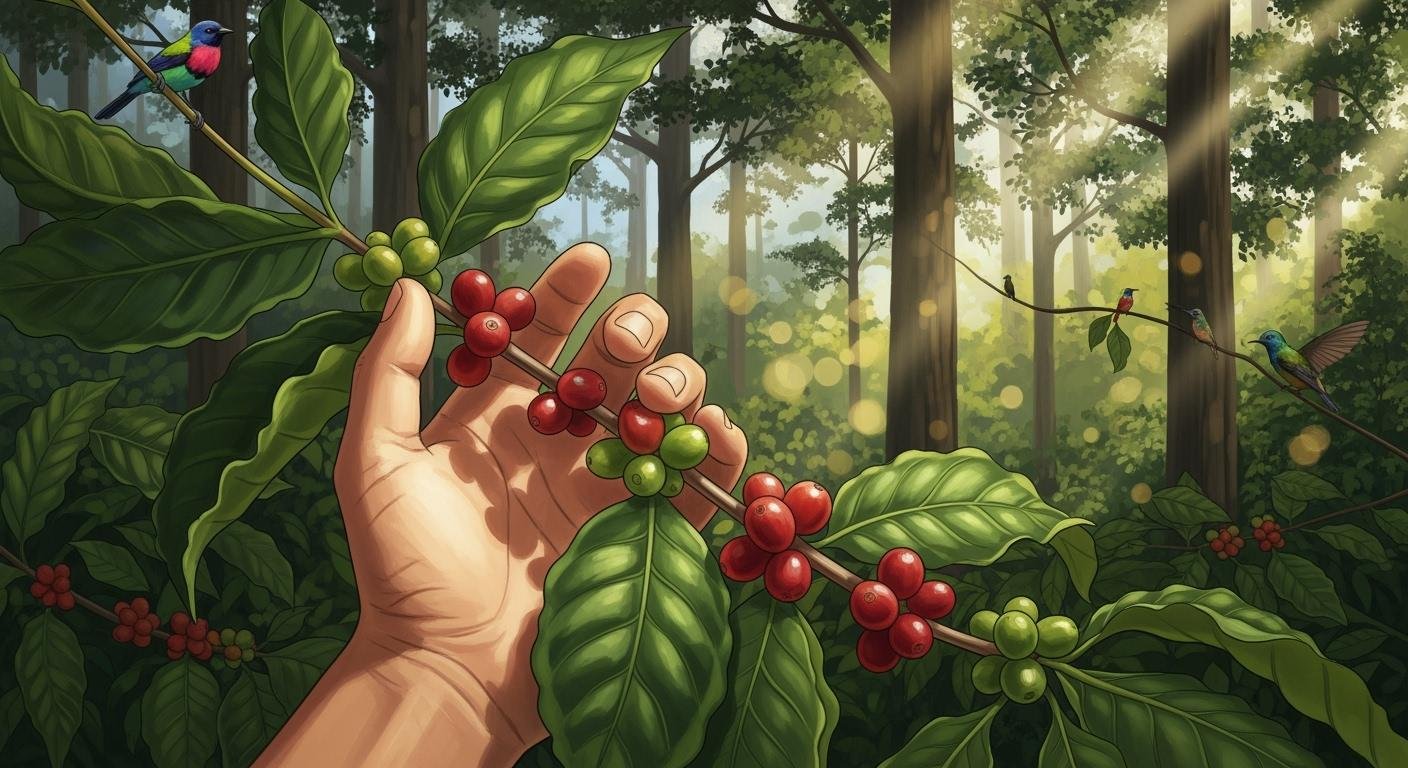
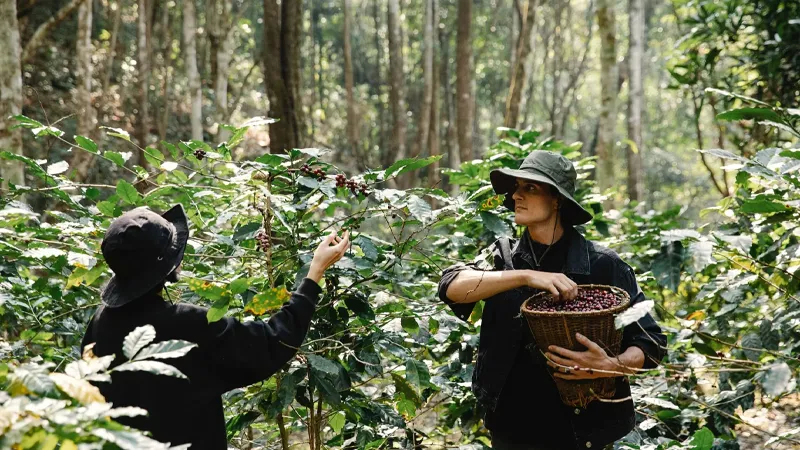
Shade grown coffee is exactly what the name suggests: coffee cultivated beneath a canopy of taller trees rather than in open sunlight. Traditionally, this was simply how coffee was grown. Coffea arabica is a forest understory plant by nature — it evolved in the dappled light beneath Ethiopia’s highland tree canopy, not under direct equatorial sun.
Modern commercial pressure changed that. Starting in the 1970s and accelerating through the 1980s, many coffee-growing regions converted to high-yield “sun cultivation” — clearing forest canopy, planting coffee in dense monoculture rows, and using synthetic fertilizers and pesticides to compensate for the loss of the natural ecosystem. Yields went up. Almost everything else suffered.
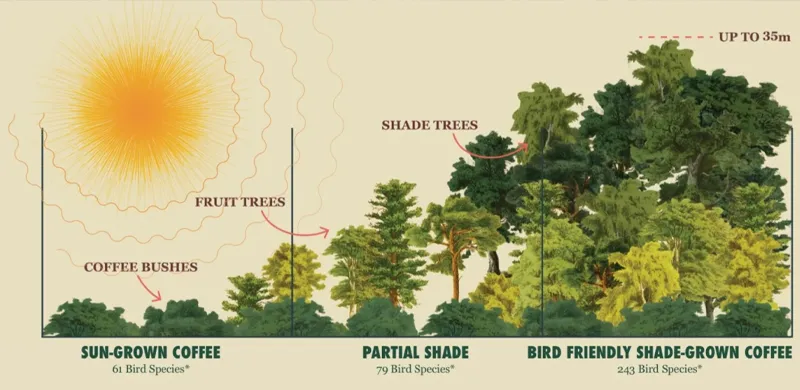
Shade grown farming reverses that model. Coffee plants grow under a managed or natural multi-layered canopy of shade trees — sometimes dozens of species per farm — which recreates many of the ecological functions of a native forest. The result is a slower, more complex growing process that affects the coffee in every measurable way, from soil chemistry to cup flavor.
How Shade Affects Flavor
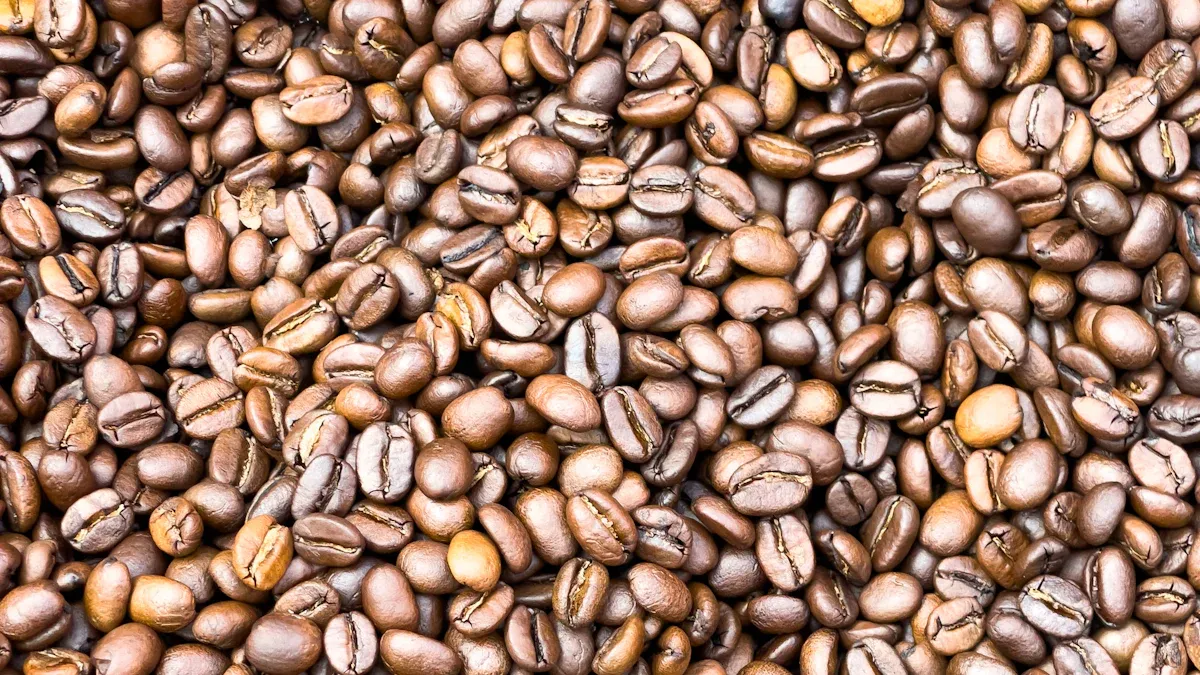
The flavor difference between shade grown and sun grown coffee is not marketing language — it has a straightforward biological explanation.
Slower Maturation, More Complex Chemistry
When coffee cherries ripen slowly, protected from direct sun, they have more time to accumulate natural sugars and develop aromatic precursors. The cooler microclimate under tree canopy also preserves chlorogenic acids and other compounds that break down at higher temperatures. The result is a bean with a more layered chemical profile — and that translates directly into cup complexity.
Sun-grown coffee ripens faster under direct heat, which tends to produce a simpler, higher-yield berry with less nuanced chemistry. The tradeoff is yield versus depth: sun farms can produce significantly more volume per hectare, but shade-grown beans routinely score higher in specialty cupping evaluations for flavor complexity and finish.
What to Expect in the Cup
Shade grown coffees are not uniform — origin, variety, processing, and roast all still matter enormously — but they tend to share some characteristic qualities:
- Acidity: Rounded and gentle rather than sharp. Not flat, but smooth.
- Body: Silky and medium-weight, with good mouthfeel.
- Flavor notes: Fruit-forward (stone fruit, berries, citrus zest), floral (jasmine, honeysuckle), and often a clean, lingering finish.
- Caffeine: Slightly lower than sun-grown equivalents, due to slower metabolic development in the bean.
- Antioxidants: Higher chlorophyll content in shade-grown beans is associated with higher polyphenol levels.
“Since shade grown coffee matures at a slower rate, it develops more natural sugars which enhance the flavor. This slower pace also minimizes both the caffeine content and the acidity, resulting in a smoother taste.” — Peak State Coffee
Environmental and Ecological Benefits
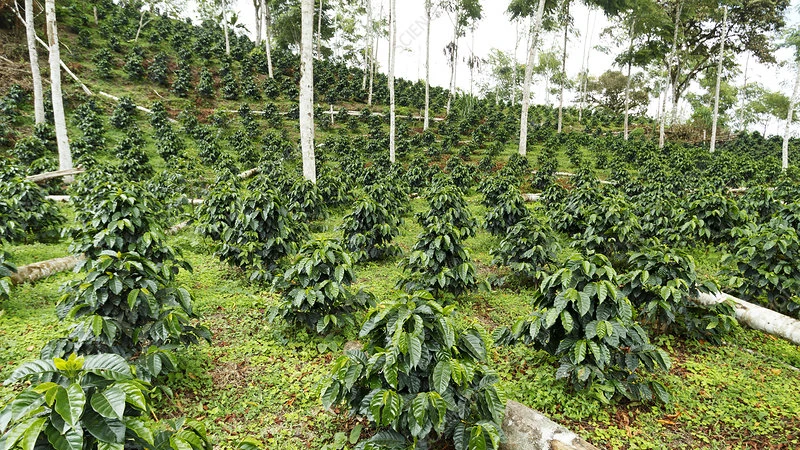
The environmental case for shade grown coffee is extensively documented. The Smithsonian Migratory Bird Center has reviewed more than 60 studies on the subject, concluding that well-managed shade coffee farms are “the next best thing to a natural forest.”
Biodiversity
Sun-grown coffee monocultures are biological deserts by comparison. Shade farms with high canopy density support dramatically richer wildlife populations — not just birds, but mammals, reptiles, insects, epiphytes, and soil organisms. Research consistently finds that the greater the shade cover, the greater the species richness across virtually every measured category.
Natural Pest Control, Reduced Chemicals
In a functioning shade farm ecosystem, birds consume large quantities of coffee pests — including the coffee berry borer, one of the most destructive insects in the industry. Shade trees like Inga edulis fix atmospheric nitrogen, reducing the need for synthetic fertilizers. The combined effect is farms that need significantly fewer chemical inputs, which reduces cost for farmers and reduces chemical runoff into local waterways.
Soil Health and Erosion Control
The root systems of canopy trees stabilize steep hillside soils, where most coffee is grown. Leaf litter from shade trees adds organic matter, improving soil structure and water retention. This matters not just for the current crop but for the long-term viability of the farm — shade growing preserves the soil conditions that make high-quality coffee possible in the first place.
Carbon Storage
Shade coffee farms sequester substantially more carbon than sun monocultures — both in above-ground biomass (the trees themselves) and in soil organic matter. Research from Puerto Rico found significantly higher carbon storage on shaded farms. As coffee production faces increasing pressure from climate change, the carbon-storing function of shade systems is becoming a practical consideration for farm resilience, not just an environmental benefit.
Shade Grown vs. Sun Grown: A Direct Comparison
🌿 Shade Grown
- Slower cherry maturation
- Higher natural sugar development
- Lower acidity, silkier body
- Greater flavor complexity
- Lower pesticide / fertilizer use
- Rich habitat for wildlife
- Long-term soil health preserved
- Higher carbon storage per hectare
- Typically commands higher price
☀️ Sun Grown
- Faster ripening, higher yield
- Simpler flavor profile
- Sharper, more prominent acidity
- Higher caffeine content
- More synthetic inputs required
- Minimal wildlife habitat
- Greater soil degradation over time
- Lower carbon storage
- Lower cost at commodity scale
| Characteristic | Shade Grown | Sun Grown |
|---|---|---|
| Flavor complexity | High — fruit, floral, tea-like notes | Moderate — roasted, nutty, caramel |
| Acidity | Gentle and rounded | Sharp and vibrant |
| Body | Silky, medium weight | Heavier, syrupy |
| Caffeine level | Slightly lower | Higher |
| Bird species per farm | Up to 150+ species | Significantly fewer |
| Chemical inputs | Low — natural ecosystem support | High — fertilizers, pesticides |
| Carbon sequestration | High | Low |
Certifications to Look For
The term “shade grown” is not legally regulated, which means any brand can print it on a bag. To verify that a coffee was actually produced under meaningful shade conditions, look for recognized third-party certification.
Bird-Friendly® (Smithsonian SMBC)
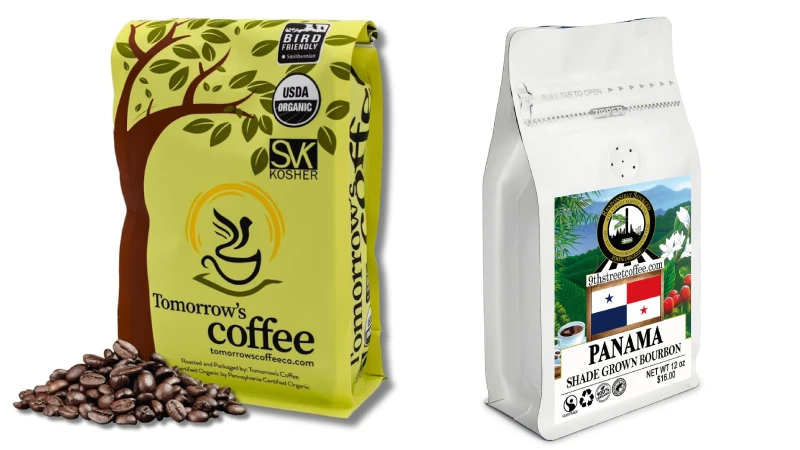
The only certification specifically designed to verify shade-grown production. Requires organic certification plus a minimum 40% shade cover, canopy height of at least 12 meters, and at least 10–11 tree species. Only around 1% of global coffee qualifies.
Rainforest Alliance
Covers a range of environmental and social criteria but does not require specific shade management standards. A Rainforest Alliance seal does not guarantee the coffee is shade grown — it indicates broader sustainability practices.
USDA Organic / EU Organic
Prohibits synthetic pesticides and fertilizers. Often, but not always, associated with shade growing. Organic certification alone does not verify canopy structure or shade coverage.
Transparent Farm Provenance
Some roasters provide farm coordinates, canopy coverage data, and biodiversity assessments directly. For buyers who want verified shade-grown without waiting for formal certification, direct-trade provenance documentation is a strong alternative.
If a bag says “shade grown” without any supporting certification or farm documentation, it is reasonable to ask for verification before assigning it premium value.
Why Packaging Matters for Shade-Grown Coffee
Shade grown coffee is a premium, carefully produced product. The effort and care that goes into growing it can be undermined in weeks by poor packaging. Because these beans develop more delicate aromatic compounds during slow maturation, protecting those compounds during storage and transit is especially important.
The Core Preservation Requirements
Freshly roasted coffee releases carbon dioxide for days after roasting — a process called off-gassing. A sealed bag without a one-way degassing valve will balloon and eventually fail. A bag that allows oxygen in will cause the coffee to stale quickly, degrading the very flavor complexity that makes shade-grown beans worth buying in the first place.
For roasters selling shade-grown coffee, the packaging specification should match the quality of what’s inside. That typically means:
- One-way degassing valve — essential for beans packaged within days of roasting
- High oxygen barrier — multi-layer laminate or foil construction to prevent oxidation
- Resealable closure — zipper or tin tie to maintain freshness after opening
- Light-blocking material — UV exposure degrades coffee compounds; opaque or foil-lined bags protect against this
Sustainability Alignment
There’s an obvious tension between selling an environmentally responsible coffee and shipping it in a bag that takes decades to decompose. Brands built around shade-grown, bird-friendly, or sustainably sourced coffee increasingly choose packaging materials that reflect those values: kraft paper laminates, recyclable mono-material films, or certified compostable options.
The choice of material affects shelf life, cost, and brand perception simultaneously — it is worth evaluating carefully rather than defaulting to the most common option. For roasters sourcing custom coffee packaging, working with a manufacturer who understands both barrier performance and sustainable material options makes that tradeoff easier to navigate.
How to Buy the Real Thing
Finding genuinely shade-grown coffee requires a little more attention than picking up whatever has a nature-themed label. Here is a practical approach:
Check the Certification First
Look for the Bird-Friendly® seal from the Smithsonian Migratory Bird Center. It is the most rigorous shade-specific standard in the industry. If that seal is present, the coffee meets verified canopy and organic requirements.
Ask for Farm Provenance
Specialty roasters who source shade-grown coffee seriously can usually tell you which farm, cooperative, or region a coffee came from — and often the tree species in the canopy, the altitude, and the processing method. If a brand cannot tell you anything about the farm behind the “shade grown” claim, that is worth noting.
Look for Complementary Certifications
USDA Organic, Fair Trade, and direct-trade relationships often accompany genuine shade-growing practices, because the farmers who maintain forest canopy tend to be the same ones who avoid synthetic chemicals and maintain long-term land stewardship. These certifications in combination are a stronger indicator than any single label.
What to Expect to Pay
Genuine shade-grown coffee costs more than commodity coffee — and for good reason. Lower yields, more labor-intensive farming, certification fees, and the complexity of managing a multi-species canopy all contribute to a higher cost of production. A meaningfully shade-grown, Bird-Friendly certified bag of whole bean coffee will typically sit in the specialty or premium specialty price tier. If a “shade grown” coffee is priced at commodity levels, the claim is worth scrutinizing.
Frequently Asked Questions
Does shade grown coffee taste better than regular coffee?
Many coffee professionals and enthusiasts find shade-grown coffee more flavorful, with greater complexity, softer acidity, and a cleaner finish. The flavor advantage comes from slower cherry maturation, which allows more natural sugars and aromatic compounds to develop. That said, origin, variety, processing, and roast all also affect cup quality — shade growing is an important factor but not the only one.
Is shade grown coffee the same as organic coffee?
Not automatically. Some shade-grown farms also hold organic certification (the Bird-Friendly standard requires it), but shade growing and organic farming are separate practices. A coffee can be organically certified without meaningful shade coverage, and vice versa.
Why is shade grown coffee more expensive?
Shade farms typically produce lower yields per hectare than sun monocultures. Managing a diverse canopy requires more knowledge, labor, and time. Certifications add audit and compliance costs. The result is a higher cost of production per pound of coffee, which is reflected in the price.
What is Bird-Friendly coffee certification?
Bird-Friendly is the only certification specifically designed to verify shade-grown coffee production, developed by the Smithsonian Migratory Bird Center. It requires farms to be certified organic and to maintain a minimum canopy structure: at least 40% shade cover, 12 meters of canopy height, and at least 10–11 tree species. It is widely considered the gold standard for shade-grown verification.
Is shade grown coffee lower in caffeine?
Slightly. The slower maturation process and cooler growing temperatures associated with shade cultivation tend to produce beans with somewhat lower caffeine levels than sun-grown equivalents. The difference is real but modest — shade-grown coffee is not caffeine-free, and the exact level depends on the variety and origin.
How can I tell if a coffee bag is genuinely shade grown?
Look for the Bird-Friendly® seal from the Smithsonian SMBC — it is the most reliable third-party verification. In the absence of certification, ask the roaster for farm provenance details: where it was grown, by whom, and what the canopy structure looks like. Reputable specialty roasters who genuinely source shade-grown coffee are usually happy to share this information.