
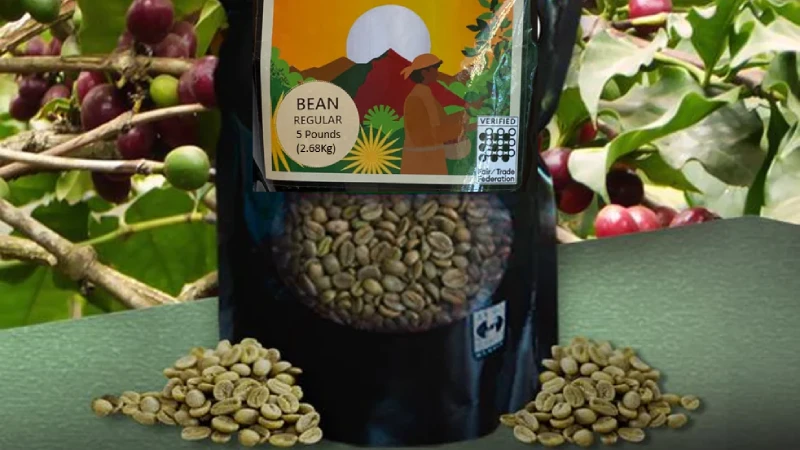
If you want your green coffee beans to stay fresh for months, you must store them the right way. The best way is to use airtight packaging that blocks air, water, and sunlight. BN PACK coffee bags do this well. They have resealable zippers and strong materials. Here are some common packaging methods:
Packaging Method | Description | Characteristics |
|---|---|---|
Burlap Bag | Made from natural fiber, used for a long time | Breaks down naturally, lets in air and water |
High Barrier Bag | Blocks air and water from getting in | Keeps beans fresh, stops chemical changes |
Vacuum Packaging | Takes out air, seals beans tightly | Best for keeping beans fresh, used for special coffee |
Why Green Coffee Bean Storage Matters
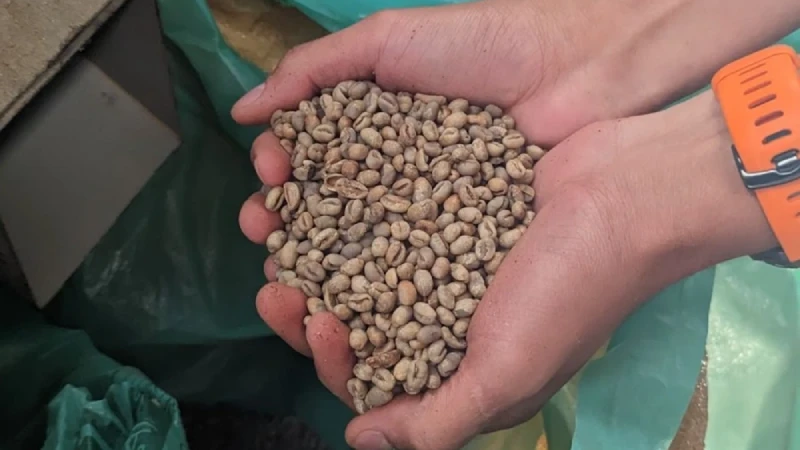
Preserving Freshness and Flavor
You want your coffee to taste good every time. How you store green coffee beans is important. If beans touch air, light, or water, they lose their best parts. Studies show coffee changes while it sits in storage. Some things break down, and new flavors can appear. Sometimes, your coffee might taste dull or not smell as nice.
Tip: Put your beans in a cool, dark spot. This helps keep them fresh and tasty.
Here are some problems if you do not store beans right:
The smell goes away as scents break down.
Lipid oxidation makes the taste and freshness fade.
Beans get old faster and change inside and outside.
Molds can grow and make coffee unsafe.
Water changes how heavy beans are and how they smell, which changes the taste.
Extending Shelf Life
You want your green coffee beans to last longer. Good storage helps with that. Use airtight containers and keep beans away from heat and sunlight. This slows down aging. Green coffee beans can last up to twelve months if stored well. You get more time to enjoy your favorite coffee.
Here is what happens inside beans when they touch air and water:
Chemical Change | Description |
|---|---|
Hydrolysis of Sucrose | Sucrose breaks into fructose and glucose, making more sugars. |
Lipid Oxidation | Oils and waxes change, which lowers quality and speeds up aging. |
Respiration | Beans use water and oxygen, making CO2 and heat. |
Oxidation-Reduction Reactions | Chlorogenic acids change, which can affect the taste. |
If you store beans the right way, they stay fresh and safe. You also get better taste and smell in every cup.
Key Factors Affecting Green Coffee Beans
Light and UV Protection
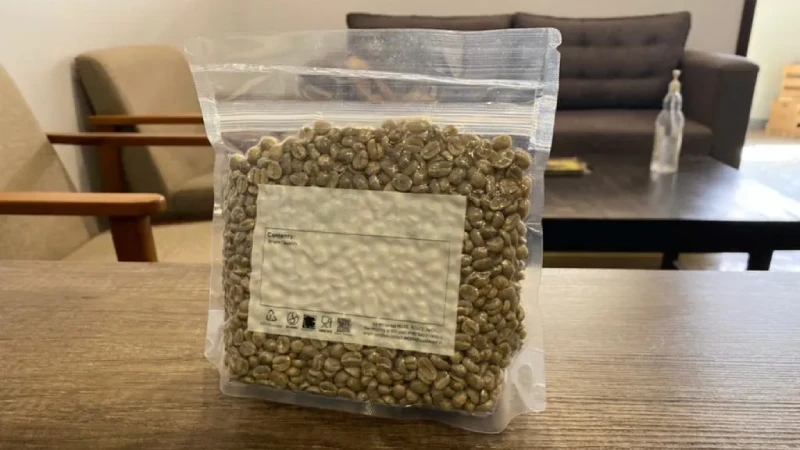
Light can be a hidden enemy for your green coffee beans. When beans sit in sunlight or under bright lights, they start to lose their best qualities. UV rays speed up chemical changes inside the beans. You might notice your coffee tastes flat or smells weak after a while. Research shows that high-barrier packaging helps protect beans from light, moisture, and gases. This kind of packaging keeps the sensory and chemical quality of your beans much better during storage. Even with great packaging, you can’t stop aging completely, but blocking UV light slows down the process and keeps your beans fresher for longer.
Tip: Store your beans in a dark place or use packaging that blocks light. This simple step helps keep your coffee tasting great.
Air and Oxygen Exposure
Oxygen is another big problem for green coffee beans. When beans touch air, they start to change. You want to limit air exposure as much as possible. Here’s what happens when oxygen gets in:
Oxidation makes your beans lose their aroma and flavor.
The oils and aromatic compounds break down, so your coffee tastes dull.
Lipids and aromatics break down, which can make the beans go stale or even rancid.
If you use airtight containers or high-barrier bags, you keep oxygen out. Your beans stay fresh and full of flavor.
Temperature and Humidity Control
Temperature and humidity play a huge role in green coffee bean storage. Beans like cool, dry places. If you store beans somewhere hot or damp, they age faster. Moisture can cause mold, and heat speeds up chemical changes. You want to keep beans away from kitchen stoves, windows, or any spot that gets warm. A pantry or basement works well. If you live in a humid area, consider using moisture-proof packaging. Stable conditions help your beans stay fresh and safe to use.
Note: Always check your beans for signs of mold or strange smells. Good storage keeps these problems away.
Storage Containers for Green Coffee Beans
Choosing the right storage container makes a huge difference in how your green coffee beans taste and how long they last. Let’s break down what you need to know to keep your beans in top shape.
Airtight and High-Barrier Packaging
You want your green coffee beans to stay fresh and full of flavor. The best way to do this is by using an airtight container with high-barrier protection. High-barrier packaging blocks out air, moisture, and light. This keeps your beans safe from things that can ruin their taste.
BN PACK coffee bags are a great example of a suitable storage solution. These bags use strong materials that keep out air and water. They also have resealable zippers and one-way degassing valves. Here’s why these features matter:
A degassing valve lets gases from the beans escape but stops air from getting in.
This helps prevent oxidation and moisture from spoiling your beans.
The valve also keeps the bag from puffing up or bursting, so your beans stay safe.
When you use a high-barrier bag with a zipper and valve, you give your beans the best chance to keep their freshness and flavor for months.
Choosing the Right Material
Not all storage containers work the same way. You need to pick materials that protect your beans from air and water. Some of the best choices include:
Airtight and moisture-tight bags or containers
Bags with extra layers, like nylon or EVOH, for extra protection
Hermetic bags, such as GrainPro, which block out moisture and oxygen
Hermética is THE premium solution for green coffee protection. Offering Nylon and EVOH barrier layers to keep the fruits of your labor safe, Hermética maintains the quality of your coffee in its journey from origin to roaster.” – Marc Marquez, Savor Brands
You can also add desiccants to absorb any extra moisture inside the storage container. This helps stop mold and keeps your beans dry.
BN PACK offers coffee bags made from high-barrier PET, aluminum foil, and even eco-friendly materials. You can choose from different finishes, like matte or glossy, and add features like clear windows or tear notches. These options help you find the perfect fit for your needs.
Portioning and Sizing
You don’t always need to store all your green coffee beans in one big bag. It’s smart to divide them into smaller portions. This way, you only open what you need, and the rest stays sealed and fresh.
Use several small bags or containers instead of one large one.
Label each storage container with the date you packed it.
Only open a new portion when you finish the last one.
BN PACK makes it easy to customize bag sizes, from small sample packs to large 1kg pouches. You can pick the size that matches how much coffee you use at a time.
If you care about the environment, BN PACK also has eco-friendly and biodegradable packaging. These options protect your beans and help you reduce waste. Vacuum-sealed and foil bags are also available. They block out light, moisture, and oxygen, which is key for long-term storage.
Tip: Always pick a storage container that fits your space and keeps your beans safe from air, light, and moisture. This is the secret to proper storage and great coffee every time.
Best Locations for Storing Green Coffee Beans
Pantry, Basement, or Freezer
You want your green coffee beans to taste good. Picking the right place to store them is important. Many people use a pantry, basement, or freezer. Each spot has good and bad sides. Let’s see how they compare:
Advantages of Freezing Coffee Beans | Disadvantages of Freezing Coffee Beans |
|---|---|
Freezing helps beans last longer. It slows down aging by months. | Beans can get wet when you take them out. This can hurt their quality. |
Cold temperatures keep beans fresh. They stop oxygen from changing them. | Beans can soak up smells from the freezer. This can change their taste. |
Freezing is good if you don’t drink coffee every day. It keeps beans fresh for longer. | Freezing and thawing can break bean cells. This can make beans lose important oils. |
A pantry is good if it stays cool and dry. Basements are nice for long-term storage. They usually have steady temperatures. Freezers help beans last longer. But you must keep beans safe from water and strong smells. If you use a freezer, pick a high-barrier bag. This keeps beans safe from freezer burn and bad smells.
Tip: Always close your green coffee beans tightly before freezing. Only open the bag when you need beans.
Avoiding Heat, Sunlight, and Moisture
Heat, sunlight, and water can spoil your green coffee beans. Keep beans away from windows, stoves, and wet places. Too much water can cause mold. It also makes roasting harder. Too little water can make beans taste dull after roasting. Good storage helps keep the right amount of water for flavor.
Here are some easy rules for storing beans:
Keep the temperature between 60-75°F (15-24°C)
Keep humidity at 50-60%
Store beans away from sunlight
Use packaging that lets beans breathe but protects them
Keep beans away from strong smells
Beans with less than 10% water may taste dull after roasting.
Beans with more than 12% water can grow mold and roast unevenly.
The right water level helps beans roast well and taste better.
Picking the best spot and using good packaging helps protect your green coffee beans. You get better coffee every time.
Advanced Green Coffee Bean Storage Techniques
When you want your green coffee beans to stay fresh for a long time, you need to use advanced storage methods. These techniques help you keep the beans safe from air, moisture, and light. Let’s look at three smart ways to protect your beans.
Vacuum Sealing
Vacuum sealing is one of the best ways to keep green coffee beans fresh. You remove air from the bag, which stops oxidation and slows down aging. BN PACK vacuum-sealed bags work great for this. They shield your beans from moisture, air, and light. You get longer shelf life and better taste.
Here’s a quick look at how vacuum sealing compares to other methods:
Storage Method | Normal Shelf Life | Vacuum Shelf Life |
|---|---|---|
Pantry | 1-3 Months | 1 Year |
Freezer | 6-8 Months | 2-3 Years |
Vacuum-sealed bags help you store beans for up to three years in the freezer. You also keep the beans’ natural features and aroma. If you want your coffee to stand out, custom packaging from BN PACK can boost your brand and build trust.
Freezing Beans
Freezing green coffee beans is another smart way to extend freshness. You need to use vacuum-sealed bags or freezer bags with most of the air removed. This stops oxidation and keeps the beans safe from freezer burn.
Here are some tips for freezing beans:
Use a vacuum sealer if you have one.
If not, use a freezer bag and suck out the air with a straw.
Label each bag with the coffee type and date.
Freezing works best for high-quality beans. You might notice some changes when roasting frozen beans, but you still get good flavor.
Using Oxygen Absorbers
Oxygen absorbers help you keep green coffee beans fresh during storage. They remove oxygen from the bag, which slows down spoilage and keeps the beans safe. When you add an oxygen absorber to your vacuum-sealed bags, you create a low-oxygen space. This stops the processes that make beans go stale.
Tip: Combine vacuum sealing with oxygen absorbers for the best results. Your beans will stay fresh and tasty for a long time.
If you use these advanced storage techniques, you protect your green coffee beans and enjoy better coffee every time.
Practical Tips for Green Coffee Bean Freshness
Regular Checks and Rotation
You want your green coffee beans to stay fresh as long as possible. Regular checks help you catch problems early and keep your beans tasting great. Here’s a simple routine you can follow:
Store your beans at room temperature, between 50-70°F, with about 50% humidity. Pick a cool, dark spot away from sunlight and heat.
Use breathable bags like jute or burlap. These bags let air move around and stop moisture from building up.
If you plan to keep beans for a long time, try foil-sealed bags or wrap them in tin foil. This protects them from light and humidity.
Avoid airtight plastic bags for green coffee beans. These can trap moisture and cause spoilage.
Check your beans every month. Look for pests or strange smells. Note the shelf life. Proper storage can keep beans fresh for 12 to 18 months.
Tip: Rotate your beans. Use the oldest ones first and add new beans to the back of your shelf. This way, nothing gets forgotten or goes bad.
Identifying Spoilage
Spotting spoilage early saves you from brewing a bad cup. You can use your senses and a few simple tricks to check for problems. Watch out for these signs:
Mold growth that looks like what you see on old bread or fruit.
Musty or moldy smells coming from your beans.
Beans that feel damp or have high moisture levels, especially above 14% by weight.
Musty flavors in your coffee, which can mean mold is present.
Visual signs like brownish spores or fungus. Sometimes, a black light can help you spot fungus, but it may give false alarms.
Mold often shows up when storage conditions are poor or moisture is too high. You can prevent this by drying beans well, keeping them ventilated, and inspecting them often. Moldy beans can taste bad and may even be unsafe. If you see or smell anything odd, it’s best to throw those beans away.
Note: Good storage and regular checks help you avoid spoilage and enjoy fresh coffee every time.
You can keep your green coffee beans fresh for a long time if you follow a few simple steps:
Use vacuum-sealed bags to remove air and lock in freshness.
Freeze beans in vacuum-sealed bags for storage longer than a few months.
Divide beans into smaller portions to avoid thawing and refreezing.
Label and date each container to track age.
BN PACK coffee bags give you an ideal storage solution. These airtight bags block oxygen and moisture, helping your beans keep their flavor and aroma. You can also find custom sizes, materials, and designs to fit your needs.
Try these strategies to enjoy better coffee every day. If you want more options, check out BN PACK’s website for custom coffee packaging.
Feature | Details |
|---|---|
Material Options | Foil, kraft paper, and biodegradable films for different branding needs. |
Sizes Choices | Sizes from 8 oz to 5 lb, with stand-up pouches and unique shapes. |
Color and Design | Custom graphics, logos, and finishes to boost shelf appeal. |