What Is Flexible Packaging?
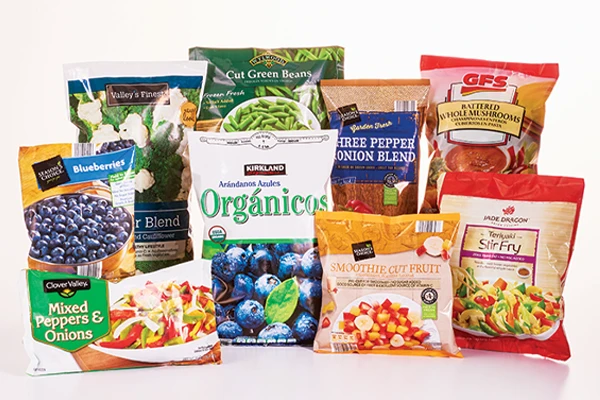
Flexible packaging refers to any package that can easily change shape without breaking. It’s designed to be lightweight, adaptable, and space-saving. Unlike rigid packaging, flexible formats bend and fold, making them ideal for a variety of products, especially in food, personal care, and e-commerce.
Common Flexible Packaging Formats
- Pouches: Flat or gusseted bags, often resealable
- Stand-up Pouches: Pouches with a bottom gusset allowing them to stand upright
- Flow Wraps: Single or multi-pack wraps around products like snacks or confectionery
- Sachets: Small sealed packets for single-use products like sauces or samples
- Retort Pouches: Heat-resistant pouches used to package ready-to-eat meals
- Vacuum Bags: Air-tight packaging to extend shelf life by removing oxygen
Most Used Flexible Packaging Materials
- Polyethylene (PE): Lightweight, moisture-resistant, and widely recyclable
- Polyester (PET): Good barrier properties; often laminated for strength
- Polypropylene (PP): Heat-resistant and clear, common for snacks and pharmaceuticals
- Biaxially Oriented Polypropylene (BOPP): Offers clarity, stiffness, and printability
- Aluminum Foil: Excellent barrier to light, oxygen, and moisture; often combined with films
- Bio-based Films: Made from renewable resources, increasingly popular for sustainability
- Recyclable Mono-materials: Single-polymer films designed for easier recycling (e.g., PE mono films)
Flexible packaging’s versatility and evolving material innovations make it a front-runner for brands focused on reducing weight and waste, while maintaining product protection and shelf appeal.
What Is Rigid Packaging?

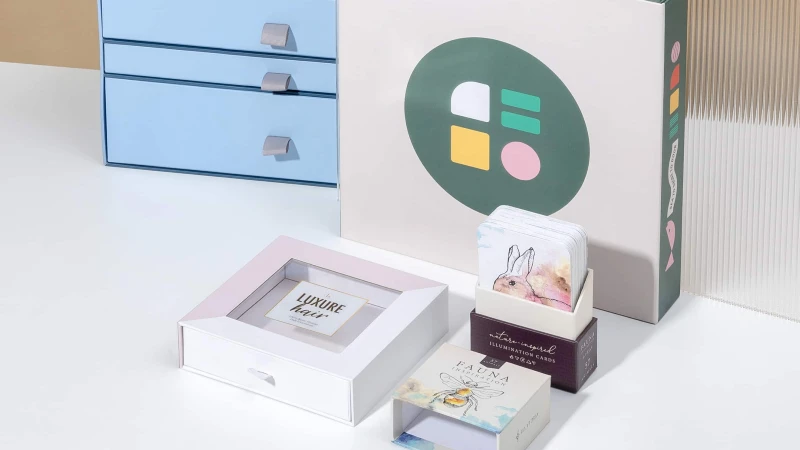
Rigid packaging refers to containers that hold their shape and don’t bend or flex easily. These are sturdy packages designed to protect the product inside through handling, shipping, and storage. Common formats include:
- Bottles (plastic or glass)
- Jars
- Tubes (often for creams or gels)
- Cans (metal or sometimes plastic)
- Boxes (cardboard or paperboard)
- Clamshells (typically clear plastic)
- Trays (plastic or molded fiber)
The most used materials in rigid packaging are:
- PET (polyethylene terephthalate) – popular for drink bottles and jars
- HDPE (high-density polyethylene) – widely used for bottles and containers
- Glass – ideal for premium food, beverages, and cosmetics
- Aluminum – common in cans and lightweight containers
- Tinplate – often used for metal cans and lids
- Paperboard – for folding cartons and boxes
- Molded fiber – eco-friendly option for trays and clamshells
Rigid packaging is favoured when durability and product protection are top priorities.
Flexible vs Rigid Packaging: Head-to-Head Comparison
Here’s a clear breakdown comparing flexible and rigid packaging on key factors that matter most in 2026.
| Factor | Flexible Packaging | Rigid Packaging |
|---|---|---|
| Product Protection & Barrier | Good barrier options (PE, aluminum foil) but less impact resistance | Excellent protection for fragile items; strong barriers (glass, metal) |
| Weight & Transportation Cost | Lightweight — lowers freight and shipping costs significantly | Heavier — higher transportation and handling costs |
| Storage & Warehouse Space | Takes up less space, packs flat or collapsible | Bulky shapes need more storage room |
| Material Cost per Unit | Generally cheaper per 1,000 units | Higher due to complex molding and materials |
| Total Cost of Ownership | Lower overall due to shipping, storage, and setup savings | Higher due to tooling, freight, and storage |
| Shelf Impact & Branding | Flexible shapes allow creative designs but limited premium feel | Rigid offers a premium look and strong shelf presence |
| Sustainability & Recyclability (2026 reality) | Increasing recyclable mono-material options, improving eco-credentials | Traditionally recyclable but heavier footprint; mandates rising in EU |
| E-commerce Damage Rate | More prone to punctures and tears, needs careful packing | Stronger, reduces damage in transit |
| Consumer Convenience | Easy to open, resealable, lightweight to carry | Durable but less flexible; heavier to handle |
Key Takeaways
- Flexible packaging is cost-effective, lightweight, and space-saving — great for reducing logistics costs.
- Rigid packaging shines with superior protection and premium shelf appeal but comes with higher costs.
- Sustainability is shifting; flexible packaging’s recyclability is rapidly improving, closing the gap with rigid options.
- For e-commerce, rigid packaging reduces damage but flexible packs need smart secondary packaging.
This core comparison helps you decide which packaging type fits your product, budget, and sustainability goals in today’s global market.
Advantages & Disadvantages of Flexible vs Rigid Packaging
Flexible Packaging Advantages
- Lightweight & Space-Saving: Easier to ship and store, saving on freight and warehouse costs.
- Cost-Effective: Generally lower material and production costs, especially at scale.
- Versatile Formats: Great for pouches, sachets, vacuum bags, and more, adapting well to different products.
- Consumer Convenience: Resealable options, easy to open, and often portable.
- Sustainability Progress: Increasing use of recyclable mono-material films and bio-based options.
Flexible Packaging Disadvantages
- Lower Protection: Less rigid, so it may offer less product protection against crushing or punctures.
- Shelf Impact Limits: Limited ability to create premium or luxury looks compared to rigid options.
- Recyclability Challenges: Not all flexible packs are widely recyclable yet, depending on materials and region.
- Less Reusable: Typically single-use, fewer options for reuse or refill.
Rigid Packaging Advantages
- Strong Protection: Excellent barrier and physical protection for fragile or perishable products.
- Premium Look & Feel: Better for branding with high-end finishes, labels, and shapes.
- Reusable & Refillable: Many rigid containers can be reused or refilled, adding value.
- Better Shelf Presence: Stands out on shelves, often preferred in cosmetics, pharmaceuticals, and beverages.
Rigid Packaging Disadvantages
- Heavier & Bulkier: Higher shipping and storage costs due to weight and shape.
- Higher Material & Setup Costs: Tools and molds cost more, especially for custom designs.
- Less Flexible for Fill Line: Rigid formats can be less adaptable to product changes or varied sizes.
- Sustainability Concerns: Although recyclable, materials like glass or mixed plastics can have higher carbon footprints.
Understanding these pros and cons is key when deciding between flexible vs rigid packaging based on your product needs, budget, and sustainability goals.
Cost Breakdown 2026: It’s Not Just the Material Price
When comparing flexible vs rigid packaging costs in 2026, it’s clear that material price is only part of the story. Here’s a quick look at what really impacts your budget:
- Material cost per 1,000 units: Flexible packaging materials like PE, PET mono-films, or aluminum foil pouches typically cost less, ranging from $200 to $600 per 1,000 units depending on thickness and barrier features. Rigid packaging—think glass jars, HDPE bottles, aluminum cans—usually runs higher, from $800 up to $2,500 for the same volume.
- Freight & logistics savings with flexible packaging: Because flexible packaging is lighter and takes up less space, you save big on transport costs. You can ship more units per pallet, reduce fuel consumption, and cut warehouse space expenses. This often means 20-30% lower logistics costs compared to rigid options.
- Minimum Order Quantity (MOQ) differences: Flexible packaging usually has lower MOQs, good for smaller brands or seasonal products. Rigid packaging tooling and setup typically require large batch runs to spread out fixed costs, making it less flexible for small businesses.
- Tooling & setup costs: This is where rigid packaging gets pricey. Molds, shaping, and finishing for bottles, jars, or cans can cost $50,000+ upfront. Flexible packaging setup—like pouch forming or printing plates—is cheaper and faster to adapt, saving money if you need frequent design changes.
In short, flexible packaging often offers better upfront and ongoing cost efficiency for global brands, especially when factoring in freight, MOQ, and tooling. But depending on your product needs, rigid packaging’s higher material and setup costs might be justified by durability or premium presentation.
Sustainability in 2026: The Real Numbers
When it comes to sustainability, the story in 2026 is clearer than ever. Life Cycle Assessment (LCA) studies show flexible packaging generally has a lower carbon footprint than rigid packaging. This mainly comes down to its lighter weight and less material use, which means fewer emissions during production and transport.
Recyclability rates vary by region:
- EU leads with advanced collection and recycling systems, pushing rigid and flexible packaging recyclability close to 70% and growing.
- USA is improving but still trails behind, with rates around 30-40%, especially for flexible films which remain a challenge.
- Asia shows mixed progress, dependent on local infrastructure and policies, but increasing momentum for sustainable packaging is visible.
The rise of recyclable flexible packaging is a game-changer. Mono-material PE films and paper-based flexible options are growing fast. These reduce contamination in recycling streams and make recycling more feasible at scale.
BN PACK is proud to be at the forefront, achieving over 95% recyclability in their flexible packaging lines. They focus on carefully chosen materials and design for recyclability, helping brands meet sustainability targets without sacrificing quality or convenience.
In 2026, sustainable packaging means choosing solutions that lower carbon impact and improve recycling outcomes—and flexible packaging, especially with innovations like BN PACK’s, is leading that charge.
Industry-Specific Recommendations for Flexible vs Rigid Packaging

Choosing between flexible and rigid packaging depends a lot on your industry and product needs. Here’s a quick guide, highlighting the best formats, materials, and real BN PACK examples for each sector.
Food & Beverage
- Best Formats: Flexible pouches (stand-up, flow wraps) for snacks, coffee, sauces, frozen foods; rigid bottles and jars for beverages and sauces.
- Materials: Mono-material PE or PE/PET combos for flexible; HDPE, PET, glass, and aluminum for rigid.
- Why: Flexible packaging cuts down shipping weight and shelf space, perfect for snacks and frozen items. Rigid packaging works well for liquids where durability and resealability matter.
- BN PACK Case: A leading snack brand uses recyclable stand-up pouches with PE mono-films, reducing carbon footprint while preserving freshness.
Cosmetics & Personal Care
- Best Formats: Flexible tubes and sachets for samples and travel sizes; rigid jars, bottles, and clamshells for premium products.
- Materials: BOPP films for flexible; PET and glass for rigid packaging.
- Why: Flexible options offer portability and convenience. Rigid packaging delivers a premium shelf presence, essential for high-end cosmetics.
- BN PACK Case: A skincare brand shifted to lightweight rigid PET bottles with 30% recycled content, boosting sustainability without losing shelf impact.
Pharmaceuticals & Medical
- Best Formats: Rigid blister packs, tubes, and bottles dominate here; flexible sachets and pouches are growing for single-dose applications.
- Materials: PET, HDPE, paperboard for rigid; laminated PE films for flexible, focusing on barrier properties.
- Why: Product protection and barrier performance are critical. Rigid packaging offers tamper evidence and stability, but flexible is gaining ground for easy dosing and transportation.
- BN PACK Case: BN PACK helped a pharma firm switch to recyclable flexible sachets, lowering logistics costs while meeting strict safety standards.
E-commerce & Consumer Goods
- Best Formats: Flexible mailer bags, cushion pouches, and stand-up pouches for lightweight shipping; rigid boxes and clamshells for fragile or premium items.
- Materials: Recyclable PE mono-films for flexibles; paperboard and PET for rigids.
- Why: Flexible packaging saves on freight and warehouse space; rigid offers better protection against damage during shipping.
- BN PACK Case: An e-commerce brand uses recyclable flexible mailers with reinforced seals, cutting overall damage rates by 20% compared to previous rigid packaging.
Pet Food
- Best Formats: Stand-up pouches and vacuum bags dominate for dry and wet food; rigid plastic tubs are less common but used for bulk products.
- Materials: Multi-layer PE and PET films for strong barrier properties; HDPE for rigid options.
- Why: Flexible packaging is popular due to resealability, freshness, and low weight. Rigid packaging suits larger portions or premium ranges.
- BN PACK Case: A pet food company adopted recyclable flexible stand-up pouches with PE mono-materials, achieving over 90% recyclability without sacrificing shelf life.
By tailoring the packaging format and materials to your product’s needs, you can optimize costs, sustainability, and consumer appeal. BN PACK’s expertise shows that mixing flexible and rigid effectively can unlock real business benefits across industries.
Future Trends 2026–2030
Looking ahead, packaging is shifting fast, especially between flexible and rigid types. Here are the key trends shaping the next five years:
- Paper-Based Flexible Barriers: We’ll see more flexible packaging using paper combined with innovative barrier coatings. This move supports sustainability while maintaining product protection, offering a great alternative to plastic-heavy options.
- Digital Printing on Flexible: Digital printing technology keeps improving, making flexible packs more customizable with sharper images and faster turnaround. It’s a game-changer for short runs and personalized branding.
- Rigid Recycled Content Mandates: The EU is pushing for stricter targets — by 2030, rigid packaging like plastic bottles and cans must hit at least 30% recycled content. This will boost demand for recycled PET, HDPE, and even glass.
- Lightweighting in Rigid Packaging: Expect thin-wall PET bottles and lighter cans to become standard. Cutting weight reduces material usage and lowers shipping costs without sacrificing strength or shelf appeal.
These trends reflect a clear move toward sustainability and efficiency in both flexible and rigid packaging, helping brands meet new regulations and consumer expectations worldwide.
How to Choose Between Flexible and Rigid Packaging for Your Product
Choosing between flexible vs rigid packaging doesn’t have to be complicated. Ask yourself these 8 quick questions to guide your decision:
| Question | Why It Matters |
|---|---|
| 1. How fragile is your product? | Fragile items often need rigid protection to avoid damage. |
| 2. What shelf presence do you want? | Rigid packs offer strong branding impact; flexible packs stand out with shape and feel. |
| 3. What’s your budget? | Flexible generally costs less upfront and in shipping, rigid has higher tooling costs. |
| 4. How important is sustainability? | Flexible mono-materials are improving recyclability; rigid may be easier to recycle in some regions. |
| 5. What storage and transport space do you have? | Flexible packaging saves space; rigid requires more but offers better stackability. |
| 6. Are you selling online? | Flexible usually lowers e-commerce damage rates and cuts freight costs. |
| 7. What’s your typical order volume? | Flexible packs often allow smaller MOQs, rigid packaging usually needs higher minimums. |
| 8. Do you need barrier protection? | Some products need the stronger barrier of rigid packaging; advanced flexible films are closing the gap. |
Downloadable Decision Matrix
Want a quick visual guide? Download our free Flexible vs Rigid Packaging Decision Matrix to match your product needs with the best packaging choice.
Making the right call is key to balancing cost, protection, shelf appeal, and sustainability—get it right, and your packaging will work harder for your business.