
Quick Answer: can you vacuum seal nuts? Yes, and it is one of the best ways to stop them going rancid, with three rules: choose raw or freshly roasted nuts, vacuum in portion-sized bags, and freeze the packs you will not open within a few weeks. Vacuum sealing removes the oxygen that turns nut oils bitter, so vacuum-sealed nuts hold quality at room temperature for roughly 6 to 12 months, and vacuum-sealed nuts in the freezer stay fresh for 1 to 2 years.
Nuts are expensive, and nothing stings like cracking open a bag of walnuts that smells like old paint. The reason is chemistry, not bad luck: the oils in nuts react with oxygen and turn rancid, and oxygen is exactly what a vacuum sealer removes. So the answer to can you vacuum seal nuts is a firm yes, as long as you respect a few rules about moisture, portioning, and fragile nut varieties. This guide gives you the rules, the numbers to expect, and the mistakes that ruin an otherwise good seal.
In this guide:
- Why Vacuum Sealing Nuts Works So Well
- Can You Vacuum Seal Nuts? 7 Rules to Follow
- Storage Methods Compared by the Numbers
- Common Mistakes
- FAQ
- The Bottom Line
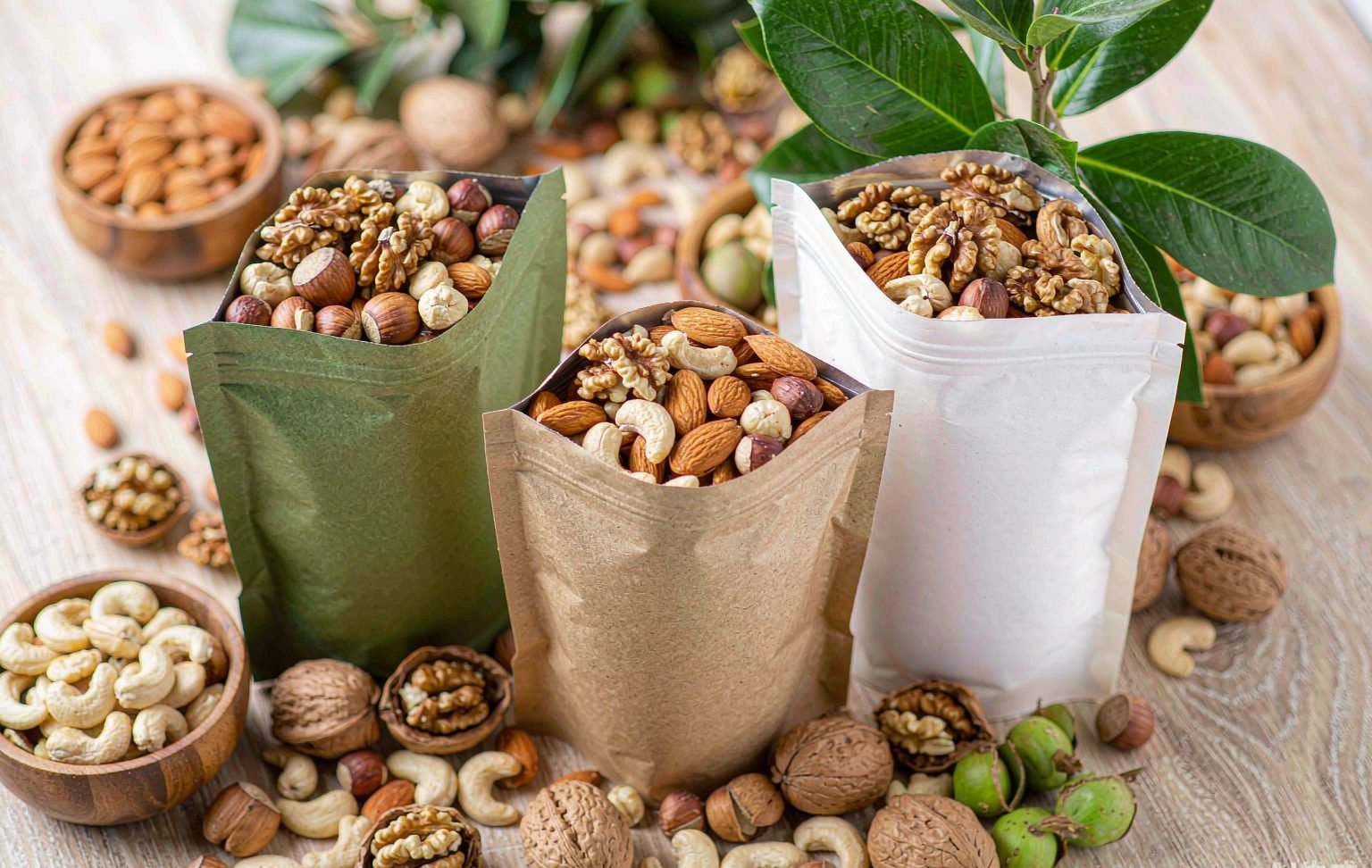
Why Vacuum Sealing Nuts Works So Well
Rancidity in nuts is an oxygen problem before it is an age problem. Walnuts, pecans, and pine nuts carry high levels of polyunsaturated fats that oxidize quickly, while almonds and cashews, richer in monounsaturated fats, are more forgiving. Remove the oxygen and you remove the reaction. That is the whole logic behind deciding to vacuum seal nuts: a vacuum packing machine pulls the air out and heat-seals the bag, cutting oxygen exposure to nearly nothing.
Compare that with the original packaging. A folded bag of nuts from the store, rolled and clipped, still exchanges air every day, which is why open nuts fade within weeks. A vacuum-sealed bag, unopened, holds a near-zero oxygen environment for as long as the seal lasts. The one thing vacuum sealing cannot do is undo rancidity already underway, so the clock on your nuts started at harvest and roasting, not at sealing; seal young nuts and they stay young, and when you vacuum seal nuts fresh you keep their full shelf life ahead of them.
Can You Vacuum Seal Nuts? 7 Rules to Follow
Follow these and the question of whether you can vacuum seal nuts becomes a simple weekend routine.
- Start with dry nuts only. Moisture is the enemy of both food safety and the vacuum itself, and our guide on whether you can vacuum seal liquids explains exactly why; wet or candied nuts can harbor botulism risk in an oxygen-free environment and will not pull a clean seal. Raw, roasted, and blanched nuts are all fine straight from an airtight container; you can vacuum seal nuts in any of these forms.
- Seal in single-portion bags. Divide nuts into one or two-cup portions so you break the vacuum only once per bag. Every reopening floods the remaining nuts with fresh oxygen and undoes weeks of protection.
- Use the pulse function for delicate nuts. Full suction can crush pine nuts, slivered almonds, and pecan pieces against the bag wall. Pulse to about 80 percent vacuum, then seal; whole almonds and walnuts tolerate full suction without harm.
- Vacuum seal roasted nuts after they cool. Warm nuts release moisture vapor as they cool, which softens seals and fogs the bag. Spread roasted nuts until they reach room temperature, then seal.
- Freeze the long-term packs. To vacuum seal nuts for a year or more, freezer storage is the multiplier: the vacuum removes oxygen and the cold slows the residual chemistry. Our guide on whether you can freeze vacuum seal bags covers the freeze-thaw mechanics.
- Choose textured bags. Embossed channel bags pull a more reliable vacuum than smooth ones, especially around irregular nut shapes.
- Label with the nut variety and date. Vacuum-sealed nuts all look alike in the freezer, and different varieties age at different speeds, especially when you vacuum seal nuts of several kinds in one session; the label is what keeps your rotation honest.

Storage Methods Compared by the Numbers
These are conservative quality windows for common nut varieties, per what food-safety extensions and roasters commonly publish:
| Storage Method | Almonds, Cashews | Walnuts, Pecans | Notes |
|---|---|---|---|
| Open bag, clipped | 2-4 weeks | 1-3 weeks | Oxidation continues daily |
| Airtight jar, pantry | 2-4 months | 1-2 months | Keep away from heat and light |
| Vacuum sealed, pantry | 9-12 months | 6-9 months | Seal quality decides the range |
| Vacuum sealed + freezer | 1-2 years | 1-2 years | Best method for bulk buys |
| Original packaging in freezer | 6-12 months | 3-6 months | Zipper bags leak air over time |
The table shows why serious bulk buyers vacuum seal nuts rather than just freezing the store bag: the vacuum multiplies whatever cold storage you already have. Fragile varieties benefit most, since walnut and pecan oils are the fastest to turn, so when you vacuum seal nuts, do these first. If you buy nuts at wholesale volume for a brand rather than a household, the commercial-side options in our guide to nut packaging with nitrogen flushing and barrier films apply the same oxygen logic at production scale.

Common Mistakes
The first mistake people make when they vacuum seal nuts is starting with candied, honey-roasted, or heavily oiled varieties. Their surface moisture and oil interfere with the seal, and their coating can spoil in ways plain nuts will not; treat flavored nuts as short-term pantry food. The second is one giant bag for the whole bulk purchase, which turns every snack grab into a full vacuum cycle; portioning is the fix and takes minutes.
Third, crushing: full suction on pine nuts and pecan pieces leaves you with nut dust, so use the pulse setting on delicate varieties. Fourth, forgetting that vacuum does not chill; a sealed bag on top of the refrigerator is still warm, and warmth accelerates the chemistry the vacuum cannot stop. Fifth, reusing bags that held strongly flavored nuts, since nut oils cling to bag interiors; our FAQ on whether you can reuse vacuum seal bags explains when reuse is safe. And if your nut project spills over into other pantry sealing, the question of whether you can vacuum seal bread shows how the same rules bend for soft, crushable foods.
FAQ
Does vacuum crushing hurt the nuts?
Whole almonds, walnuts, hazelnuts, and cashews are rigid enough to survive full suction. Delicate items like pine nuts, pecan halves, and slivered or chopped nuts can crack under full vacuum, so use the pulse function and stop at a partial vacuum before sealing. The nuts do not lose quality from pressure, only their shape.
Can you vacuum seal nuts and keep them in the pantry?
Yes. Vacuum-sealed nuts stored in a cool, dark pantry hold quality for roughly 6 to 12 months depending on variety when you vacuum seal nuts instead of jarring them, with almonds and cashews at the long end and walnuts and pecans at the short end. For bulk purchases beyond that horizon, move the sealed packs to the freezer, where 1 to 2 years is realistic.
Is it better to vacuum seal raw or roasted nuts?
Both work, and each has a case. Raw nuts oxidize slightly slower, so they are the better candidate for multi-year freezer packs; roasted nuts carry deeper flavor but their oils are further along the oxidation clock. Either way, the rule is the same: seal them fresh, because vacuum sealing preserves the state they are in, it does not rewind it.
Can you vacuum seal nuts in mason jars?
Yes, with a jar-sealing accessory. A vacuum-lidded jar is ideal for a working pantry supply you dip into weekly, since glass blocks odors and the lid reseals. Jar vacuums are weaker than bag vacuums, though, so for long-term storage, sealed bags in the freezer win; for multi-year emergency storage, jump to metallized bags, and our mylar bag sizes guide covers that barrier class.
Do vacuum-sealed nuts taste different after freezing?
No, if you thaw them properly. Move a pack to the refrigerator overnight and open it only once fully thawed, since opening a cold bag condenses moisture onto the nuts. Thawed vacuum-sealed nuts taste effectively identical to the day they were sealed, which is exactly why the freezer-plus-vacuum combo is the bulk buyer’s standard play.
The Bottom Line
So, can you vacuum seal nuts? Absolutely, and for rancidity-prone varieties like walnuts and pecans it is the single most effective home method. Seal dry nuts in portion-sized textured bags, pulse-vacuum the delicate ones, and let the freezer carry the long-term packs; do that and a bulk bag of nuts stays fresh for a year or more instead of fading in weeks. Buy the big bag with confidence, seal it the day it arrives, and label every pack.