
Quick Answer: Can you vacuum seal bread? Yes—but never seal soft, fresh bread at full vacuum, because the pressure crushes the crumb into a dense brick. The reliable method is to freeze the loaf or slices until firm, then vacuum seal and return it to the freezer, where it keeps well for months. For room-temperature storage, use pulse mode for a loose seal or skip vacuum for a simple zipper bag. The table below sums up when you can vacuum seal bread safely, and the methods below show how.
| Bread Type | Can You Vacuum Seal It? | Best Method | Result |
|---|---|---|---|
| Soft sandwich bread | Not at full vacuum | Freeze first, then seal | Crumb intact, no freezer burn |
| Crusty artisan loaf | Whole: loose seal only | Slice, freeze, then seal | Crust softens; recrisp in oven |
| Sliced bread | Yes, after freezing | Freeze slices on a tray, seal | Toast straight from frozen |
| Bagels and buns | Yes, after freezing | Freeze firm, then seal | Keeps texture for months |
| Dry bread/crumbs | Yes, directly | Full vacuum is fine | Longest pantry life |

In This Guide
- Why Full Vacuum Crushes Soft Bread
- The Freeze-Then-Seal Method (Best Overall)
- Pulse Mode and Manual Sealing for Fresh Bread
- Can You Vacuum Seal Bread for Months? Shelf Life
- 7 Mistakes to Avoid
- Long-Term Storage Beyond Vacuum Sealing
- FAQ
- The Bottom Line
Can you vacuum seal bread without ruining it? Yes—if you respect one rule: soft bread needs protection from the pressure itself. Vacuum sealing pulls air out of the bag, and a crumb full of air pockets collapses under roughly 25 inches of mercury. Once you know which methods protect the crumb, you can vacuum seal bread for months of freezer storage or days of counter freshness. This guide covers every method that works, the shelf life you can expect, and the mistakes that turn a good loaf into a puck. Anyone who asks can you vacuum seal bread fresh from the oven learns the pressure rule—start with the methods below.
Why Full Vacuum Crushes Soft Bread
The reason vacuum sealing bread is tricky sits inside the crumb: bread is a foam of tiny gas bubbles that give it structure. A vacuum sealer removes air from around the bag, and atmospheric pressure then squeezes the bag against whatever is inside—there is nothing to push back except the bread itself. The bubbles collapse and the loaf compresses, often to a third of its height.
This is why the question “can you vacuum seal bread” has a conditional answer: dense, dry items (croutons, breadcrumbs, day-old bread for stuffing) take a full seal happily, while soft, airy loaves need one of the workarounds below. Freezing changes the physics—a frozen loaf is rigid, so it holds its shape under pressure instead of collapsing. That is why almost every answer to can you vacuum seal bread starts with the freezer.
The Freeze-Then-Seal Method (Best Overall)
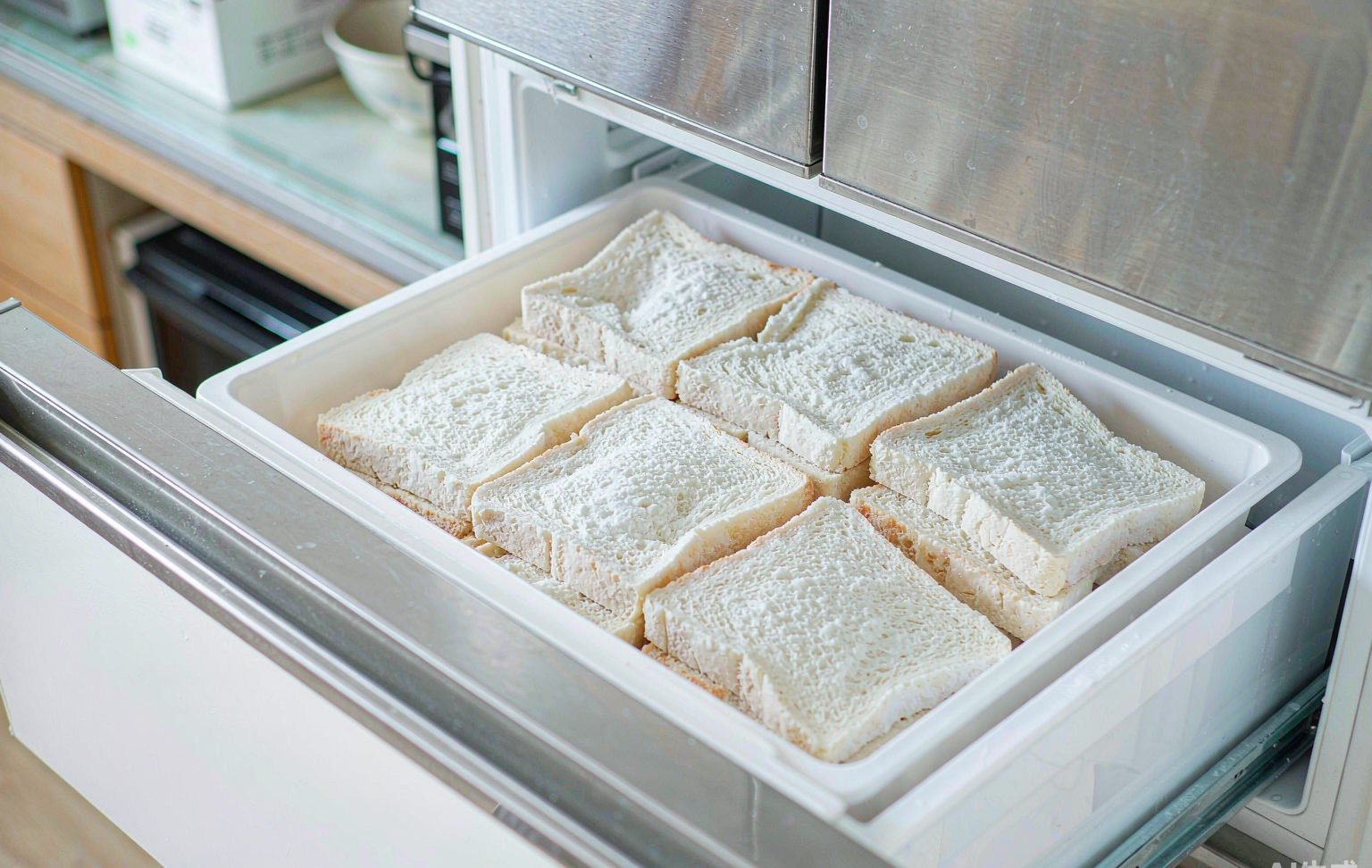
The freeze-then-seal method is the answer to “can you vacuum seal bread” that works for nearly every bread type. Place the loaf or slices on a tray, freeze until firm—about one to two hours for slices, three to four for a whole loaf—then vacuum seal the frozen bread and return it to the freezer. The rigid, frozen crumb resists the pressure, the seal pulls tight, and the bread thaws later with its texture intact. This is the method to use when someone asks can you vacuum seal bread for a week of fresh toast.
Sliced bread benefits most: lay slices on a sheet pan, freeze them separate, bag them in one layer, and you can pull a single frozen slice straight into the toaster. Wondering can you vacuum seal bread that is already frozen from the store? Yes—seal it while it is hard. This method pairs with the rules in the guide on whether you can freeze vacuum seal bags, since the same food-grade films apply to bread.
Pulse Mode and Manual Sealing for Fresh Bread
Can you vacuum seal bread for the counter or fridge without freezing? Yes, with pulse mode or a handheld sealer, stopping at partial vacuum. Pull the air out in short bursts until the bag hugs the loaf gently—the bread should still spring back when pressed—then seal the end. This loose seal still slows moisture loss and blocks fridge odors, though it does not extend life the way a full vacuum does.
Roll the bag’s mouth with a short pleat before sealing so the seal bar sits on film, not crumbs: crumbs in the seal zone are the number one cause of failed seals, a problem covered in more depth in the guide on whether you can reuse vacuum seal bags. So, can you vacuum seal bread dough? Chilled or par-frozen, yes; fresh and warm, no. For moist doughs and par-baked loaves, the techniques for whether you can vacuum seal liquids apply too, since fresh dough weeps moisture under vacuum.
Can You Vacuum Seal Bread for Months? The Shelf Life Numbers
Shelf life is the real reason people ask “can you vacuum seal bread.” How long you can vacuum seal bread depends on where it lives. On the counter, a loose-sealed loaf lasts about as long as any wrapped loaf—two to four days—because vacuum cannot stop staling, which is a temperature and starch process, not an oxygen process.
In the freezer, the difference is large: bread in a standard zipper bag starts picking up freezer burn and odors within one to two months, while properly vacuum sealed bread stays at peak quality for about six months and remains safe well beyond that. Vacuum sealing also blocks the fridge smells that plastic-wrapped bread absorbs within days. Sourdough starters and batters are different products entirely—see the guide on sous vide vacuum seal bags for heat-rated films. If you plan to warm sealed bread in the microwave, first read whether you can microwave vacuum seal bags—sealed bags must be opened or vented first.
7 Mistakes to Avoid
These seven mistakes account for nearly every failed attempt when people ask can you vacuum seal bread and skip one rule:
| # | Mistake | Fix |
|---|---|---|
| 1 | Sealing soft fresh bread at full vacuum | Freeze first, or use pulse mode |
| 2 | Crumbs in the seal zone | Brush the mouth clean, use a pleat |
| 3 | Sealing warm bread | Cool completely—steam ruins the seal and grows mold |
| 4 | Sharp crusts puncturing bags | Double-bag or add a paper layer around crusty loaves |
| 5 | Expecting vacuum to stop staling | Freeze for long storage; counter staling is chemical |
| 6 | Wet dough in a suction sealer | Chill or par-freeze dough; see whether you can boil vacuum seal bags for heat-rated options |
| 7 | One giant bag for daily bread | Seal meal-size portions so the rest stays sealed |
Mistake three matters most: sealing warm bread traps steam, softens the seal, and creates condensation inside the bag—the fastest route to mold. Cool the loaf completely before any sealing step.
Long-Term Storage Beyond Vacuum Sealing
For storage measured in years rather than months, the honest math behind can you vacuum seal bread changes the format family. Hardtack, crumbs, and dehydrated bread products go into Mylar bags with oxygen absorbers—the sizing logic in this mylar bag sizes guide covers the bag-to-content matching. Soft sandwich bread has no years-long storage format: bread’s water activity means it eventually stales or molds, and the honest answer to “can you vacuum seal bread for long-term storage” is “freeze it in vacuum sealed portions and rotate within six months.” The basic science of why bread stales and molds is well documented on Wikipedia’s bread page.

FAQ
Can you vacuum seal bread without freezing it? Only at partial vacuum with pulse mode. Full vacuum on soft fresh bread crushes the crumb. A loose seal protects against odors and drying but does not extend shelf life beyond normal wrapping.
Can you vacuum seal bread and keep it on the counter? Yes, for two to four days with a loose seal, but staling continues—it is driven by starch chemistry and temperature, not oxygen. Freezing is the only method that truly pauses it.
How long can you vacuum seal bread in the freezer? Properly vacuum sealed bread holds peak quality for about six months and stays safe longer; a regular zipper bag drops within one to two months.
Can you vacuum seal bread twice after thawing? Refreezing thaws bread is safe but costs texture each cycle; portion into meal-size bags so you only thaw once.
Does vacuum sealing bread crush it? At full vacuum, yes—soft bread compresses badly. Freeze-then-seal keeps the crumb intact because the frozen loaf resists pressure.
When can you vacuum seal bread at full vacuum? Only when it is dense or dry: croutons, breadcrumbs, crackers, and day-old loaves destined for stuffing take a full seal without damage.
Can you vacuum seal homemade bread dough? Chilled or par-frozen dough, yes, with a loose seal and room for expansion; fresh warm dough, no—the moisture defeats the seal and the yeast needs room to rise.
The Bottom Line
So, can you vacuum seal bread? Yes—freeze it firm first, seal it, and it keeps for about six months; use pulse mode for a loose seal when the loaf stays on the counter; and never run full vacuum on soft fresh bread. Portion before sealing, keep crumbs out of the seal zone, and move anything destined for year-plus storage into Mylar with oxygen absorbers instead.