
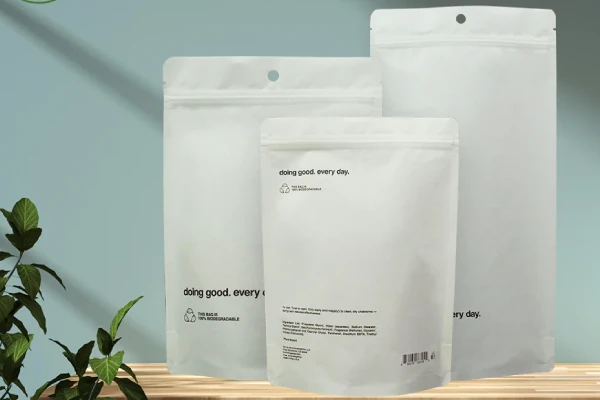
It’s a small act that feels like a minor environmental victory: choosing the paper bag over plastic at the grocery checkout. For decades, the humble brown paper bag has served as a symbol of responsible consumption, a seemingly straightforward, eco-friendly alternative in a world increasingly concerned about plastic waste. This perception is deeply ingrained in our collective consciousness.
When we ask the crucial question, “are paper bags biodegradable?”, the answer is far more nuanced than a simple “yes” or “no.” The journey of a paper bag back to the earth depends heavily on what it’s made of, what’s added to it, and where it ultimately ends up.
This guide will provide a comprehensive and honest answer. We will explore the scientific definition of “biodegradable,” analyze the decomposition process of different types of paper bags, and uncover the often “hidden” factors—like coatings, inks, and liners—that can change everything.
What Does “Biodegradable” Actually Mean?
Scientifically, biodegradation is the process by which a material can be broken down naturally by the action of microorganisms, such as bacteria, fungi, and other living organisms, over time. The end products of complete biodegradation are natural elements found in the environment, primarily water, carbon dioxide (CO2), and biomass (organic matter like humus). Essentially, it means the material can return to nature through natural biological processes.
However, a critical distinction must be made between “biodegradable” and “compostable.” While all compostable materials are biodegradable, not all biodegradable materials are compostable.
Biodegradable: This is a general term indicating that a material can break down naturally. Crucially, it does not specify a timeframe or the conditions under which this breakdown will occur. Something could take hundreds of years to biodegrade, but still technically meet the definition.
Compostable: This is a much more specific and regulated term. For a product to be certified as compostable (often according to standards like ASTM D6400 in the US), it must break down within a specific, relatively short timeframe (e.g., 90-180 days) under the controlled conditions of an industrial composting facility. Furthermore, it must disintegrate completely and leave behind no toxic residues.
Understanding this difference is key to evaluating the true environmental impact of any product claiming eco-friendly properties.
Are Paper Bags Biodegradable? The Short and Long Answer
With a clear understanding of what “biodegradable” means, how do paper bags measure up?
The Short Answer: Yes
Fundamentally, yes. Paper is made from cellulose fibers derived from wood pulp—a natural, organic material. Cellulose is readily broken down by microorganisms found in the environment. In its purest form, paper bags are biodegradable. They will decompose and return to nature far, far faster than their petroleum-based plastic counterparts.
The Long Answer: It Depends…
However, the paper bag you encounter in the real world is rarely just pure paper. Its ability to biodegrade effectively and the time it takes can be significantly impacted by several crucial factors. The complete answer requires a closer look at these variables.
How Long Does It Take for Paper Bags to Biodegrade?
The timeframe depends heavily on the conditions.
- In Ideal Conditions (like a home compost bin): A simple, uncoated paper bag can decompose relatively quickly. Exposed to moisture, oxygen, and microorganisms, it can break down in as little as 2 to 6 weeks.
- Contrast with Plastic: This rapid decomposition is a major environmental advantage compared to a conventional plastic bag, which can persist in the environment for 500 years or more.
- In a Landfill: This is a less ideal scenario. Modern landfills are often compacted and lack the necessary oxygen and moisture for efficient biodegradation. In this anaerobic environment, even a paper bag can take many years to break down, and as it does, it may release methane, a potent greenhouse gas.
Are Brown Paper Bags and Kraft Paper Bags Biodegradable?
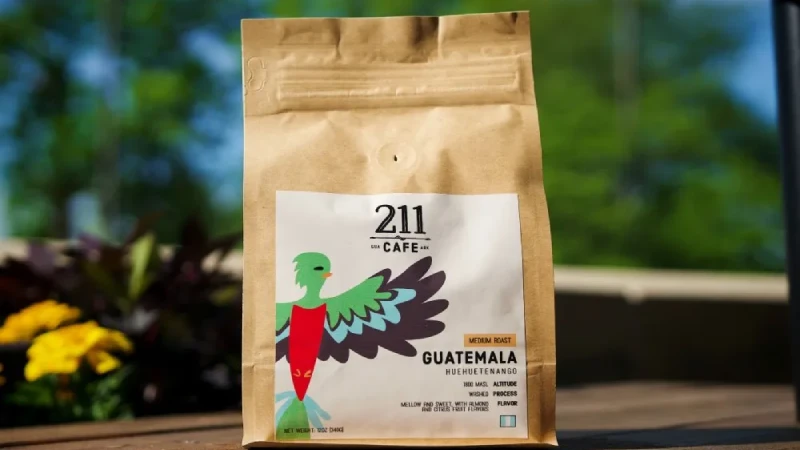
Yes. The typical brown paper bags we see at grocery stores are made from kraft paper. “Kraft” refers to a specific process of pulping wood that results in strong, durable paper fibers. In its uncoated, unbleached form, kraft paper bags biodegradable properties are excellent, breaking down readily under the right conditions just like any other untreated paper.
The Impact of Inks, Glues, and Coatings
This is where things get complicated. Many paper bags are not just plain paper; they are treated or constructed with additional materials that can interfere with biodegradation.
Inks: Traditional printing inks can contain heavy metals or petroleum-based solvents that are not biodegradable and can leach harmful substances into the environment as the paper breaks down. However, eco-friendly alternatives like water-based or soy-based inks have minimal impact on the biodegradability of the paper itself.
Glues: The adhesives used to construct the bag (e.g., to seal the seams or attach handles) can also be problematic if they are synthetic and non-biodegradable.
Coatings: To add water resistance or grease resistance, paper bags are sometimes coated or laminated with a thin layer of plastic (like Polyethylene, PE) or wax. These coatings create a barrier that prevents microorganisms from accessing and breaking down the paper fibers, effectively rendering the entire bag non-biodegradable.
The Special Case: Are Rice Paper Bags Biodegradable?
Another term that often appears in discussions about natural-looking packaging is “rice paper.” This evokes images of delicate, perhaps even edible, materials made from rice. This leads to the question: are rice paper bags biodegradable? To answer this accurately, we first need to clarify what “rice paper” typically means in the packaging industry.
Definition
In the context of flexible packaging, “rice paper” does not usually refer to paper made from rice plants or rice starch. Instead, it describes a type of decorative, high-quality paper often made from the fibers of the mulberry tree or other plants. This paper is known for its distinctive, visible fibrous texture and slightly translucent appearance, which gives packaging a unique, artisanal, and often premium, slightly rustic look. It is chosen for its aesthetic qualities, not because it is derived from rice.
Applying the Same Logic. With this clarification, we can apply the same logic used for Kraft paper bags. The decorative rice paper layer itself, being derived from plant fibers (like mulberry), is inherently biodegradable.
However, just like Kraft paper, rice paper on its own offers virtually no barrier protection against oxygen or moisture. Therefore, when used for food packaging (like coffee, tea, or snacks) where freshness is essential, it must be laminated to an inner barrier layer made of plastic (like PBAT or PLA).
Truly Sustainable Paper Packaging
Choosing truly sustainable packaging in today’s market requires navigating complex material science and understanding the real-world end-of-life implications. It’s no longer enough for a package to simply look natural; brands and consumers are demanding solutions that are genuinely designed for a circular economy. This requires working with a packaging partner who possesses deep expertise in these advanced materials.
At BN PACK, we don’t believe brands should have to choose between the powerful aesthetic appeal of paper and genuine environmental responsibility. We specialize in providing advanced paper packaging solutions that bridge this gap. We leverage compostable PLA and biodegradable PBAT liners, combining them with beautiful kraft paper or elegant rice paper exteriors, all printed using eco-friendly soy inks.
This allows us to create bags that offer the high barrier protection your product demands while being designed to break down responsibly under the correct conditions. Our team provides clear guidance on the specific composting or biodegradation requirements for each material combination, enabling you to make accurate, transparent, and powerful sustainability claims to your customers.
Conclusion: Paper’s Potential, Fully Realized
So, are paper bags biodegradable? Yes, the paper fiber itself readily returns to the earth. But the true potential of paper packaging in a sustainable future is only fully realized when the entire package is designed with its end-of-life in mind. By combining the natural biodegradability of paper with advanced compostable liners like PLA, biodegradable options like PBAT, and eco-friendly soy inks, we can finally create high-performance packaging that fulfills paper’s original environmental promise without compromising product protection.
Modern, lined paper bags, like those offered by BN PACK, are no longer a necessary compromise. They are a testament to material science innovation, offering an informed choice that delivers on aesthetics, performance, and genuine environmental responsibility. It’s paper’s potential, finally and fully realized.