Blog
Exploring the Benefits of Free Sample Packaging for Your Business
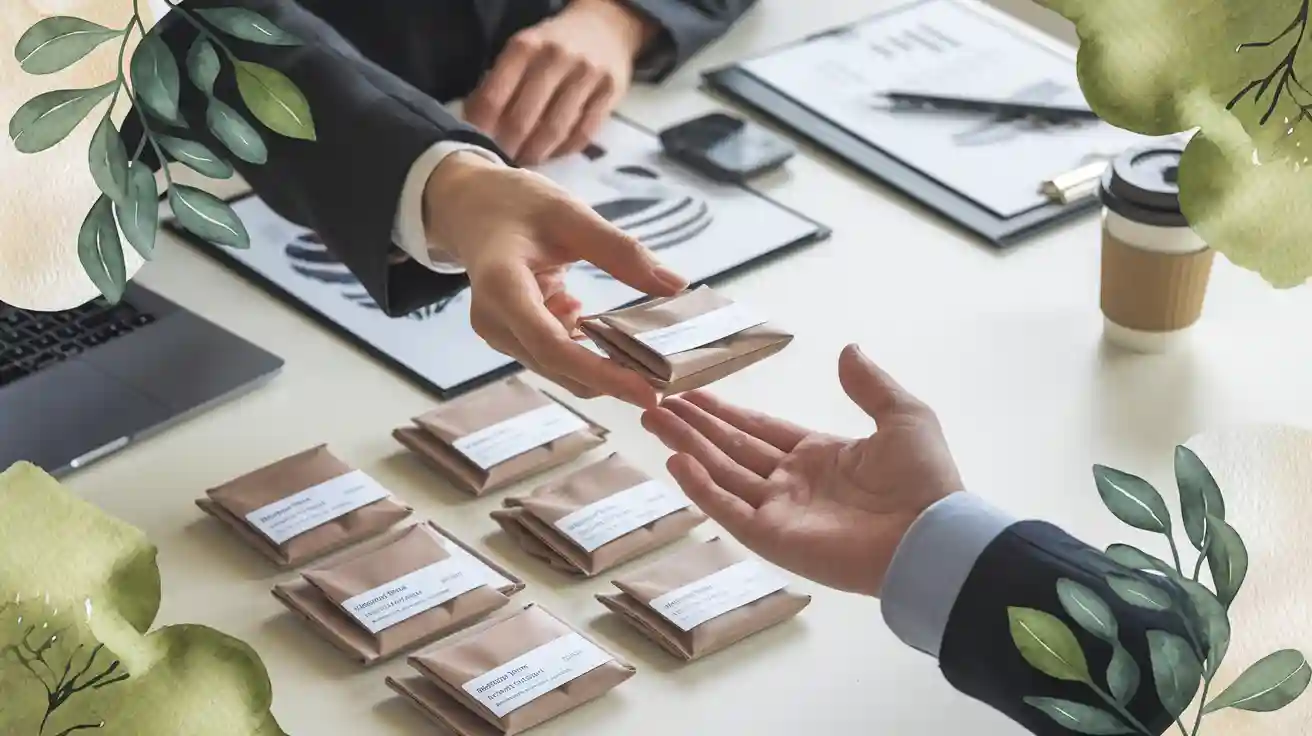
Free sample packaging boosts sales, builds brand awareness, and earns customer trust while providing valuable feedback for your business.
Free sample packaging boosts sales, builds brand awareness, and earns customer trust while providing valuable feedback for your business.
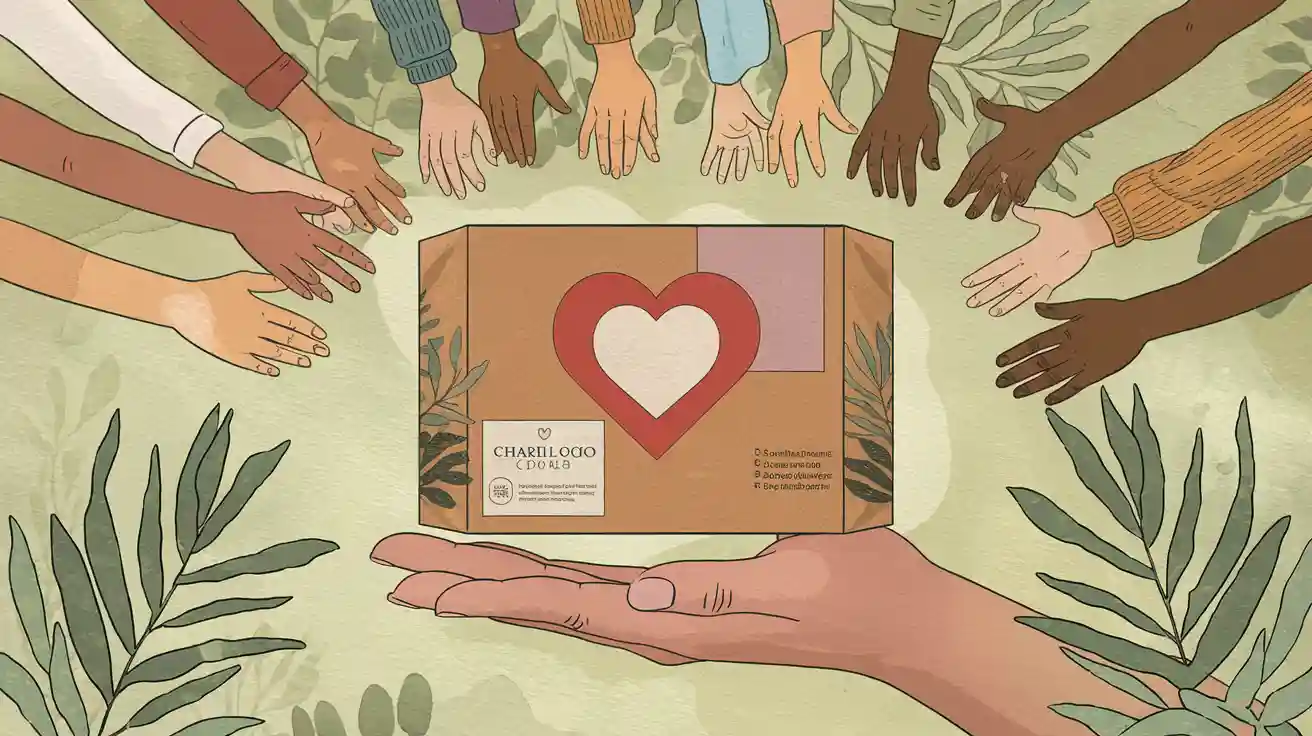
Cause packaging boosts consumer loyalty and enhances brand image by aligning packaging with values, fostering trust, and encouraging repeat purchases.
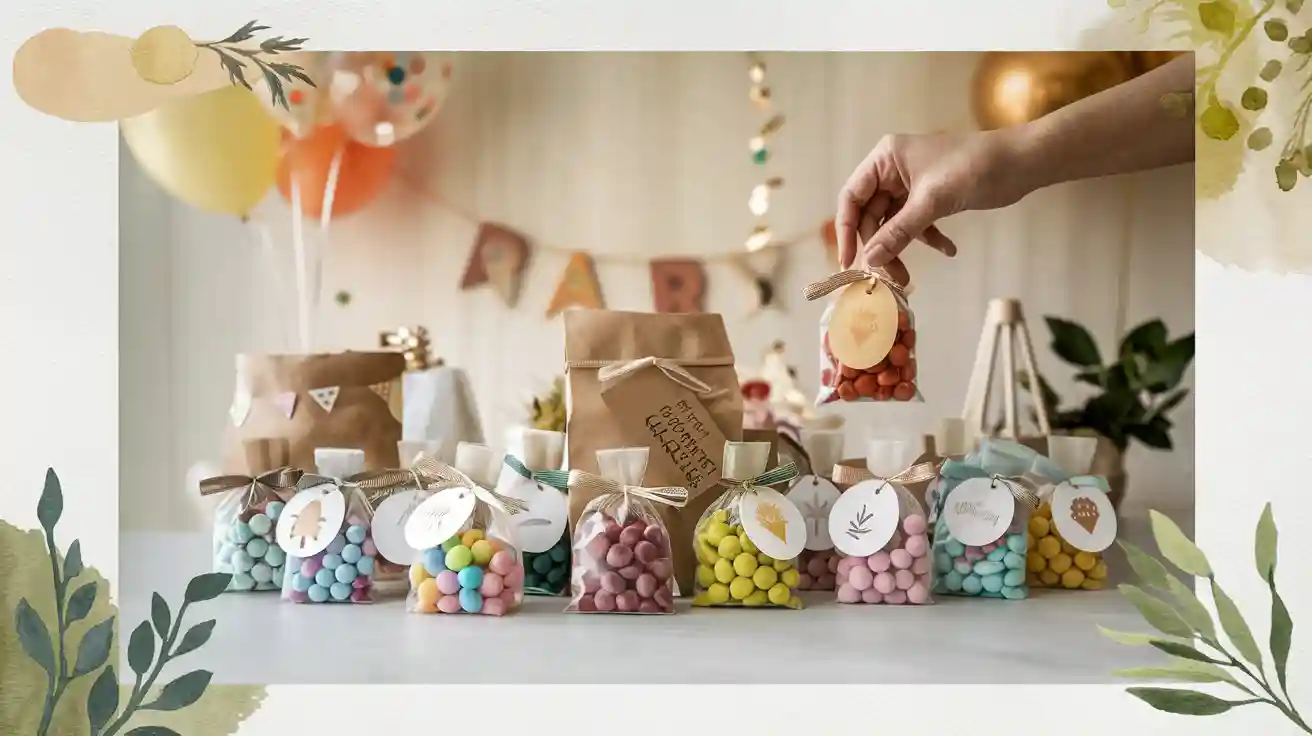
Creative ways to use bags for candy at your next event, from themed favors to candy kabobs, making your celebration memorable and stylish.
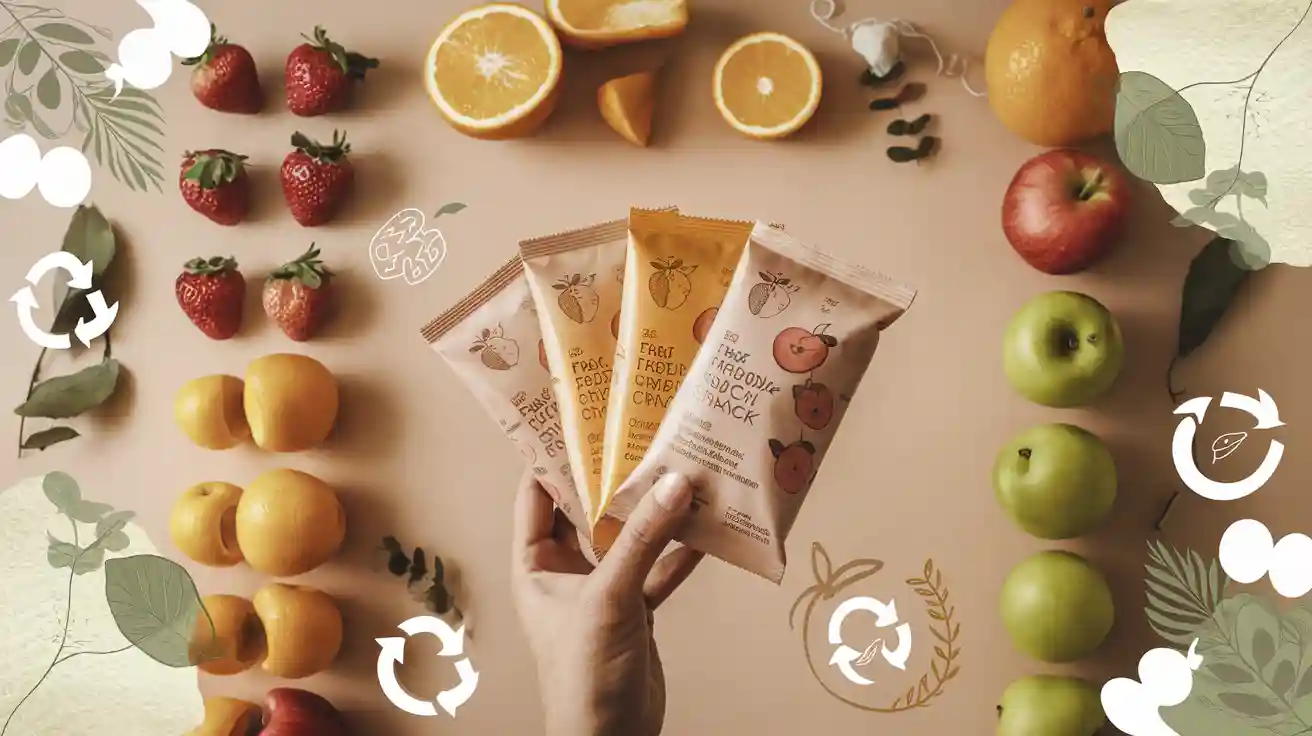
Fruit snack packaging is evolving with biodegradable, compostable, and recyclable solutions, helping brands and consumers reduce environmental impact.
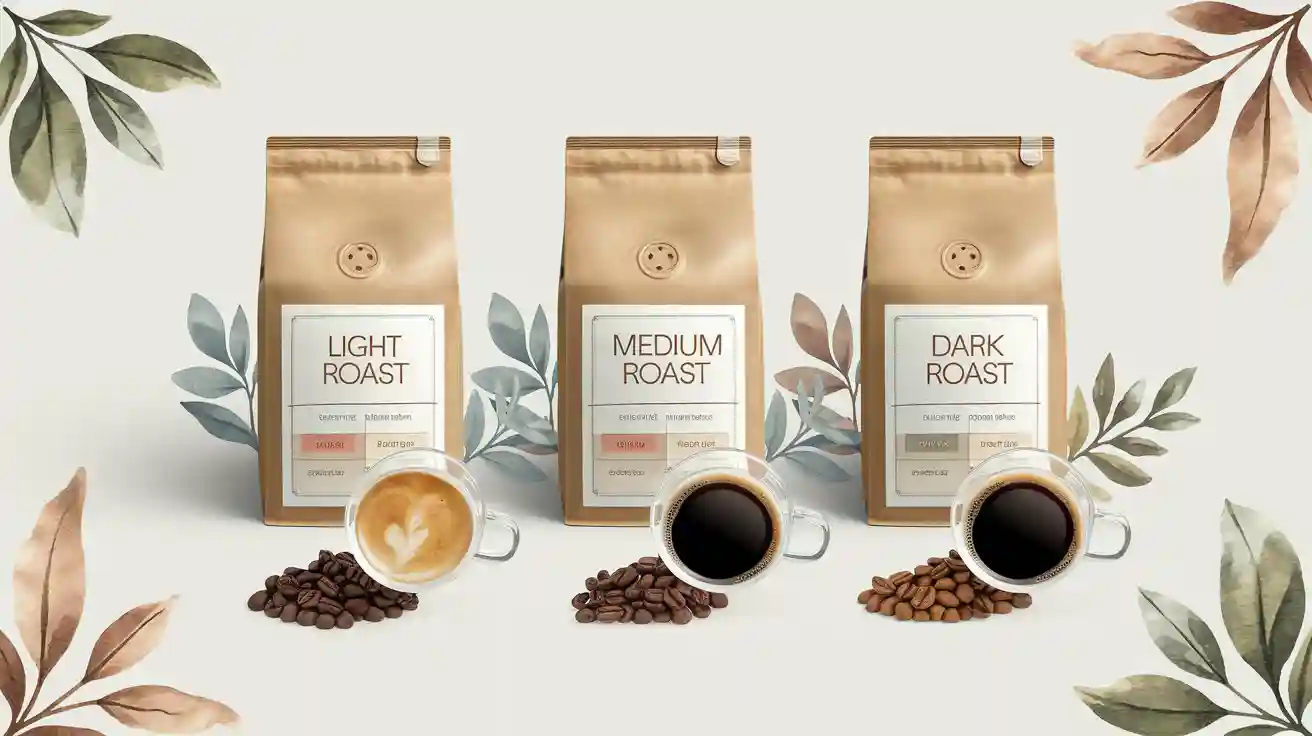
Coffee Packaging for light, medium, and dark roasts: find the best materials and features to keep your beans fresh, flavorful, and protected from staling.
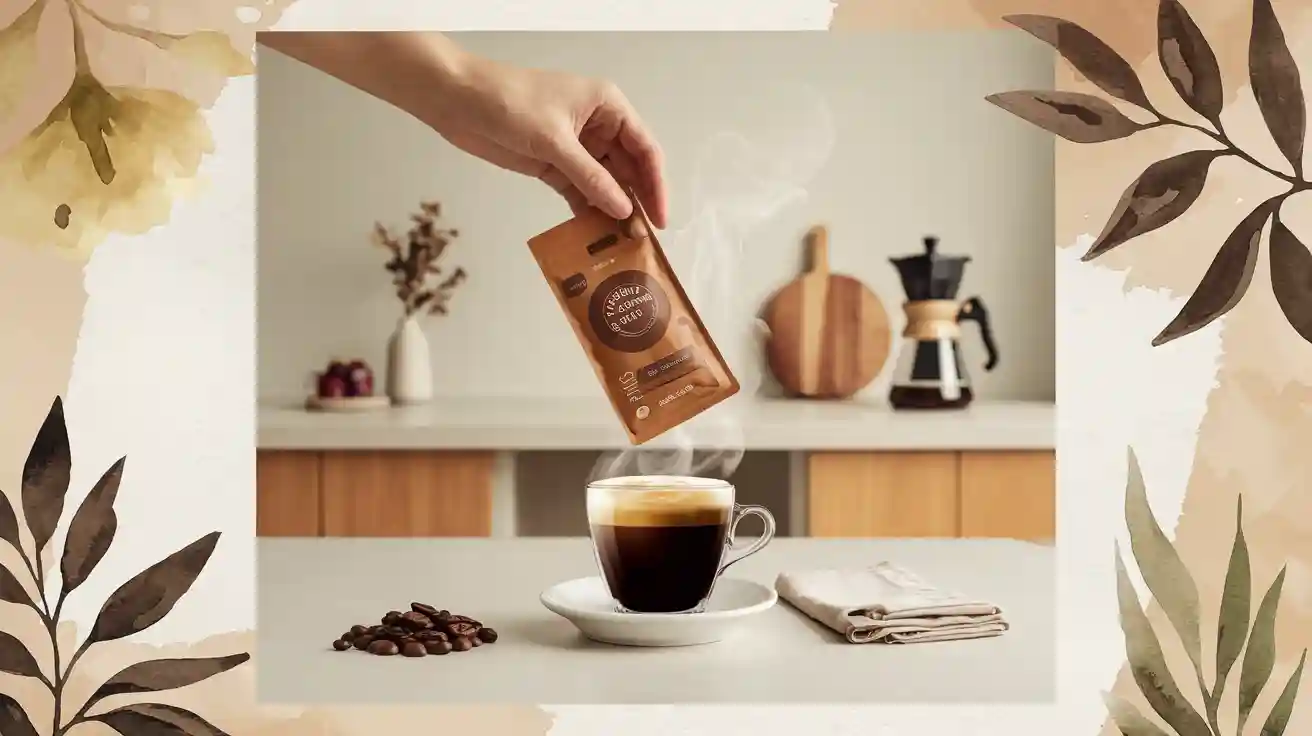
Espresso coffee bags offer café-quality taste and freshness with easy brewing, making premium espresso convenient at home or anywhere you go.
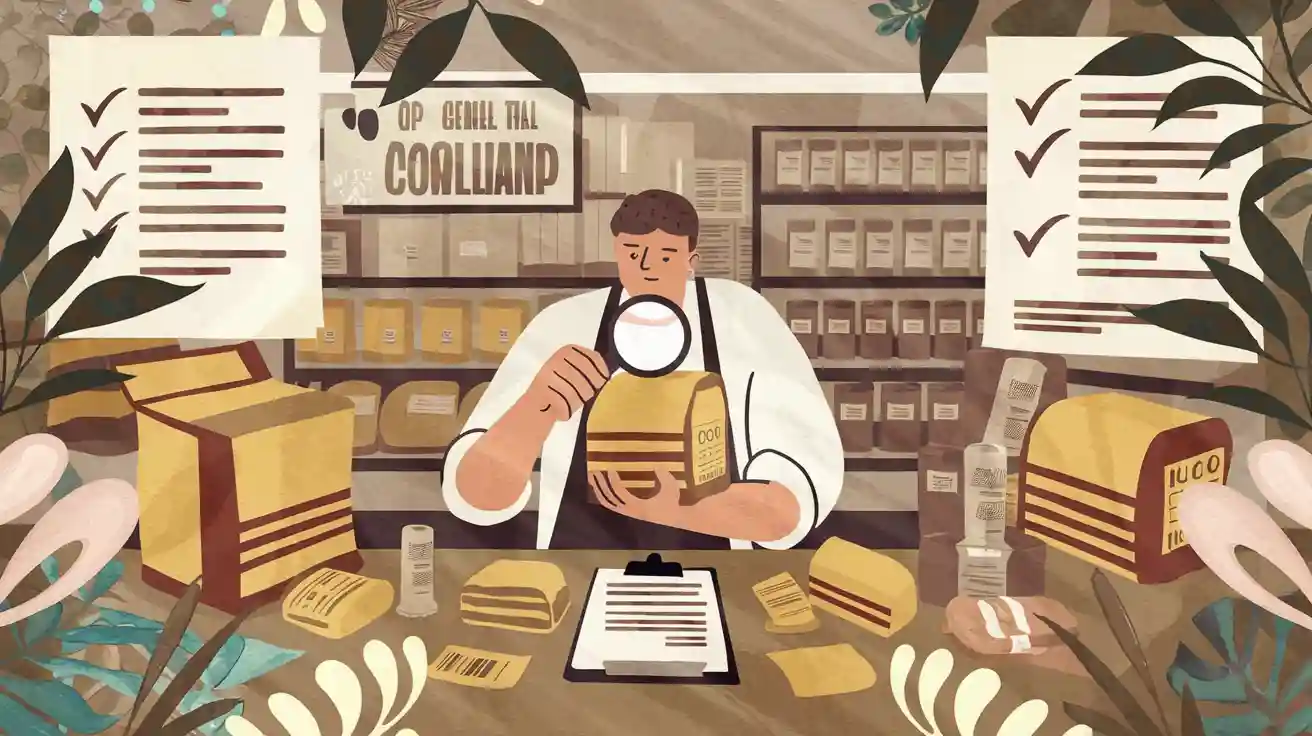
Understand FDA packaging requirements for food manufacturers, including labeling, approved materials, and compliance steps to prevent costly recalls.
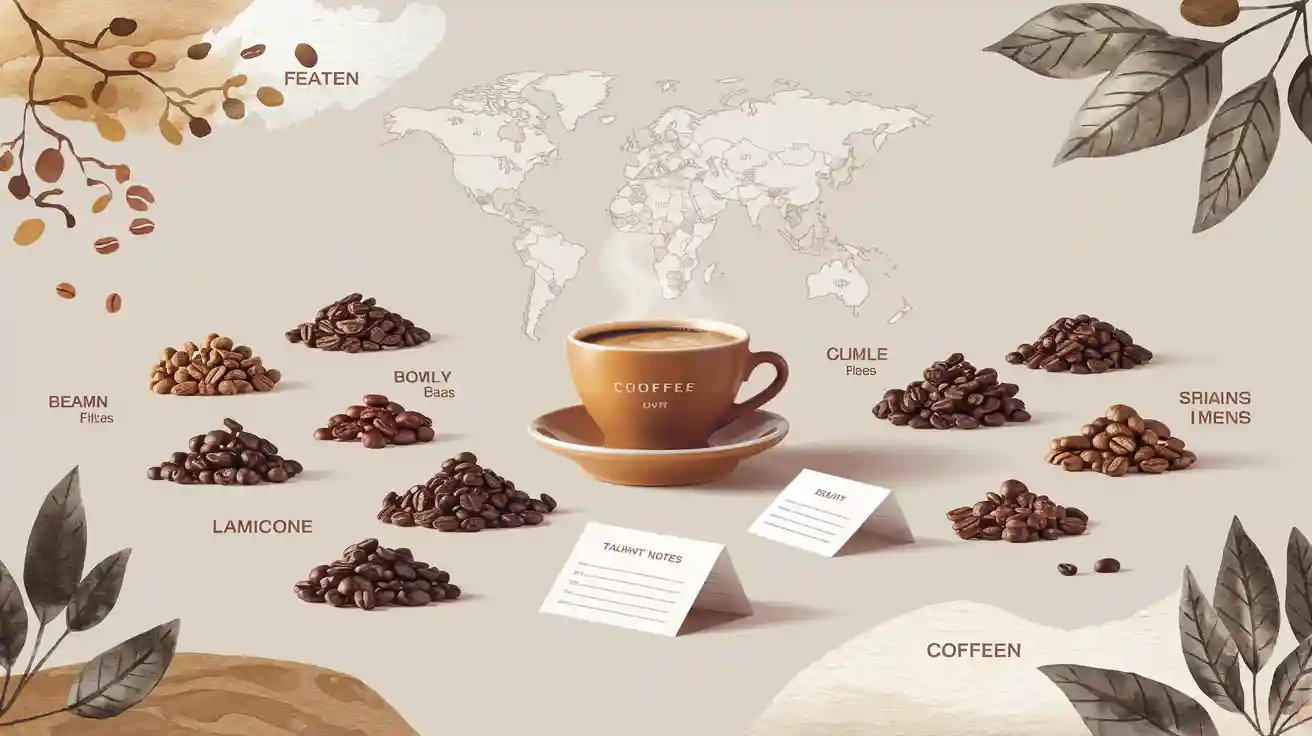
Coffee varietals offer distinct flavor profiles shaped by genetics, origin, and processing, revealing sweet, fruity, earthy, and floral notes worldwide.

OPP packaging impacts the environment through non-biodegradability, moderate landfill life, and recycling challenges, but offers lower emissions than paper.
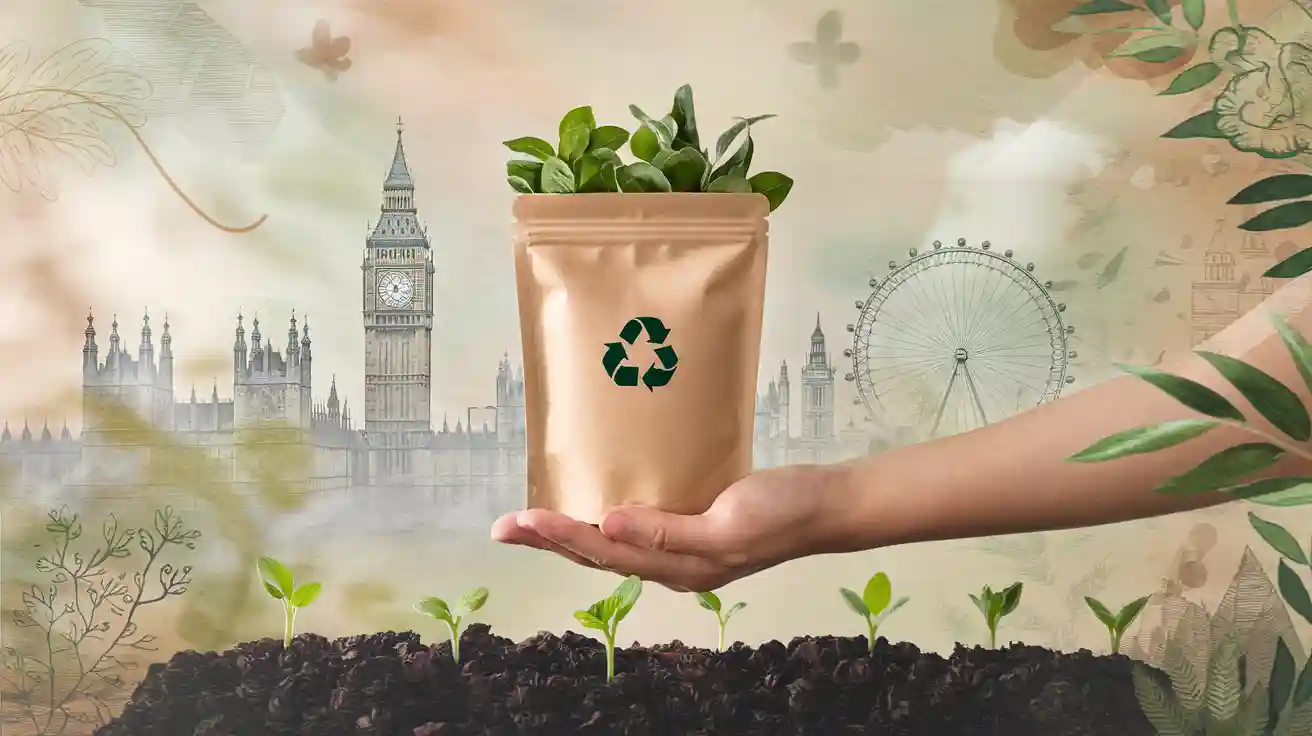
Compostable stand up pouches UK reduce landfill waste, cut carbon emissions, and support eco-friendly packaging for a cleaner environment.

BPI compostable meaning ensures products meet strict standards, break down safely in commercial composting, and support eco-friendly choices.
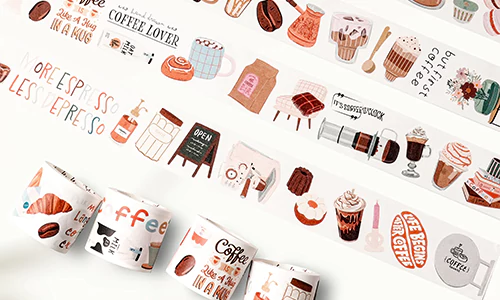
Coffee stickers offer creative ways to personalize cups, gifts, and branding, adding style and uniqueness to every coffee moment or event.