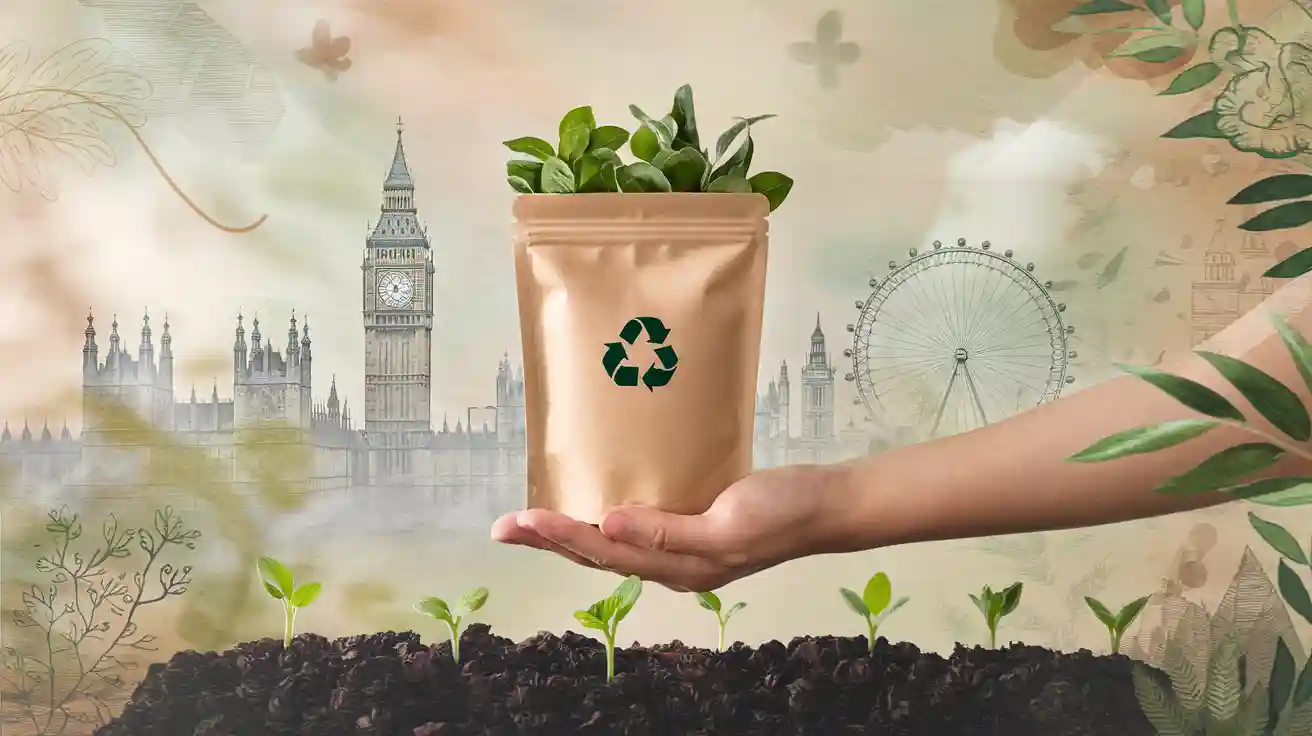
UK households throw away nearly 100 billion pieces of plastic packaging every year, but only 12% gets recycled. You can help reduce this waste by choosing compostable stand up pouches. Growing demand for sustainable packaging shows that you play a vital role in protecting the environment.
Compostable Stand Up Pouches
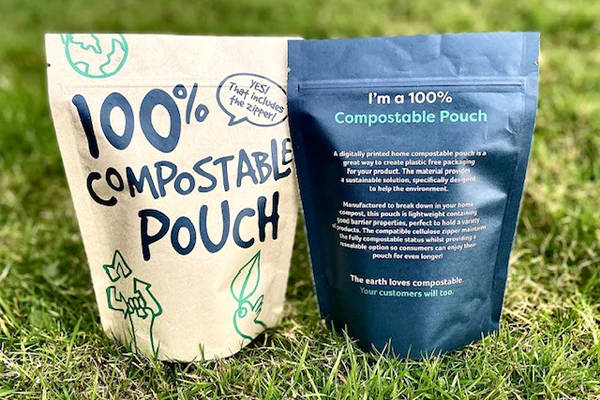
What They Are
You may wonder what makes compostable stand up pouches different from regular packaging. These pouches use plant-based materials that break down naturally. Here is a quick look at the main materials:
Material | Description |
|---|---|
Eucalyptus and Cassava | Derived from plant sources, helping compostability. |
Kraft Paper | Gives strength and is fully compostable. |
PLA | A biodegradable plastic made from renewable resources. |
These materials work together to create a pouch that protects your products and the planet. Unlike traditional plastic pouches, which use petroleum-based plastics and can last hundreds of years in landfills, compostable stand up pouches break down much faster.
How They Decompose
When you compost these pouches, microorganisms start breaking them down. This process usually takes about 180 days in a composting environment. The pouches turn into nutrient-rich compost that supports healthy soil. As they decompose, they add organic matter to the soil, which helps plants grow stronger.
By choosing compostable stand up pouches, you help reduce landfill waste and support a circular economy. Most organic waste in the UK still ends up in landfills, but using compostable packaging can change that. You play a part in creating a cleaner, greener future.
Environmental Impact
Reducing Plastic Waste
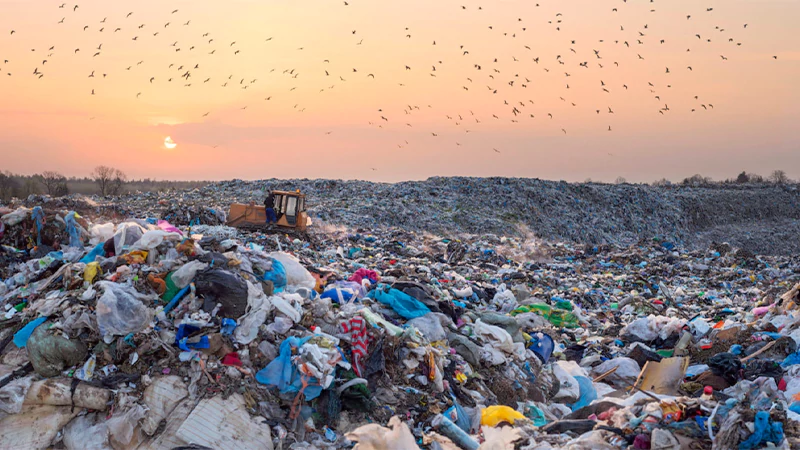
You see plastic everywhere in daily life. Most packaging uses petroleum-based plastics that can last hundreds of years in landfills. When you choose compostable stand up pouches, you help cut down on this waste. These pouches break down within months, not centuries. They return nutrients to the soil instead of polluting the environment. Compostable packaging can reduce packaging waste by up to 70%. This means less rubbish in landfills and less harm to wildlife. You also support tree conservation because compostable stand up pouches use fewer virgin materials. The packaging industry can lower its reliance on paper and plastic linked to deforestation. When you pick compostable options, you help protect forests and wildlife habitats.
Lowering Carbon Emissions
You can make a difference in the fight against climate change. Compostable packaging has a lower carbon footprint than traditional plastics. These pouches come from renewable resources, so their production releases fewer harmful fumes. When compostable items break down, they do not create methane like plastics do in landfills. Methane is a powerful greenhouse gas. Composting also saves energy and water compared to making new plastic. You help improve air and water quality by choosing compostable packaging.
Compostable stand up pouches can cut climate impact by 63% compared to glass jars.
Composting reduces methane emissions from landfills.
Proper disposal in composting facilities enriches the soil and improves water quality by reducing chemical runoff.
Cutting Resource Use
You help save resources every time you choose compostable packaging. These pouches use plant-based materials, which require less water and energy to produce than plastics. You also lower transportation miles because compostable stand up pouches weigh less than glass or metal containers. Lighter packaging means fewer trucks on the road and less fuel burned.
Compostable pouches decompose quickly, so they do not need special handling after use.
The lifecycle of compostable products uses less energy and water.
You support a circular economy by returning organic matter to the soil.
You should know that compostable pouches sometimes need specific industrial composting conditions. The UK does not have enough facilities for this yet. Some compostable pouches may not break down quickly if they sit on shelves for a long time. Businesses must consider these challenges when choosing packaging. Still, compostable stand up pouches align with UK regulations for sustainable packaging. You help improve brand perception and show customers you care about the planet.
Business and Consumer Benefits
Compliance and Regulations
You need to know how compostable stand up pouches fit with UK laws. The Packaging and Packaging Waste Regulation (PPWR) prefers recyclable packaging, but allows exceptions for items like sticky labels and tea bags. Compostable pouches must meet strict standards.
Here is a table showing some key requirements:
Criteria | Description |
|---|---|
Disintegration | No more than 10% of fragments larger than 2 mm after 12 weeks in composting conditions. |
Biodegradability | At least 90% of carbon dioxide produced must match a control material within 6 months. |
Heavy metals limits | Must stay below set limits for metals like zinc and copper. |
Compost quality | Must not harm compost quality or the composting process. |
You should check if your packaging meets these rules before switching.
Brand Image
You can boost your brand by using compostable stand up pouches. Many shoppers want products with eco-friendly packaging. Brands that use sustainable materials often see more customer loyalty.
You use up to 60% less material, which lowers your impact on the environment.
Lighter pouches mean fewer emissions from transport.
Custom designs let you show your commitment to sustainability.
Brands that switch to compostable packaging often report better customer loyalty and a stronger reputation.
Market Trends
You see more companies choosing compostable packaging because of new rules and consumer demand. The UK Plastics Pact pushes businesses to cut plastic waste and use greener options.
The market for compostable packaging keeps growing.
More retailers and manufacturers invest in sustainable solutions.
As demand rises, costs for compostable packaging may drop.
You help drive this change by choosing eco-friendly products.
You help protect the environment when you choose compostable stand up pouches.
Benefit | Description |
|---|---|
Waste Reduction | Less landfill waste and microplastics. |
Eco-friendliness | Breaks down into safe organic matter. |
Support UK sustainability goals.
Join the movement for cleaner packaging and a healthier future.