

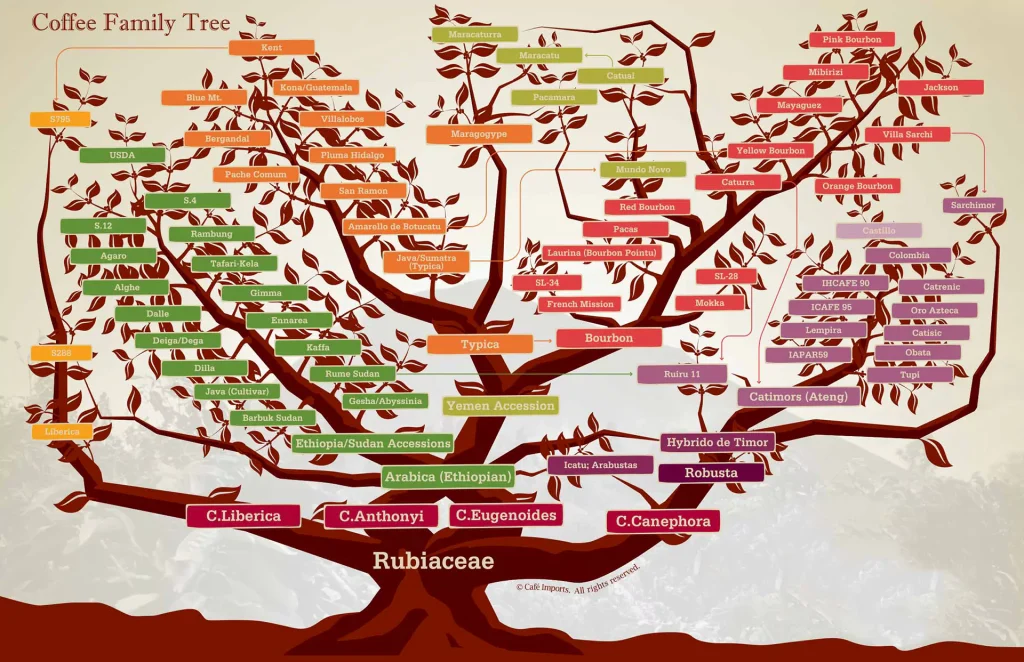
Coffee varietals represent specific subspecies or cultivated types of coffee plants, each carrying unique genetic traits that shape their flavor profile. Scientists have found that arabica and robusta differ in compounds like mozambioside, which impacts bitterness and taste perception. Arabica often produces sweet and floral notes, while robusta features stronger, earthy flavors. Genetic studies show that both plant genetics and human taste receptor genes influence how people experience coffee. Coffee origins, climate, and processing methods further create distinct flavors, making each cup a unique experience. Exploring coffee varietals from diverse coffee origins encourages discovery and personal taste exploration.
Coffee Species and Their Flavor Traits
Arabica: Sweet, Fruity, and Floral
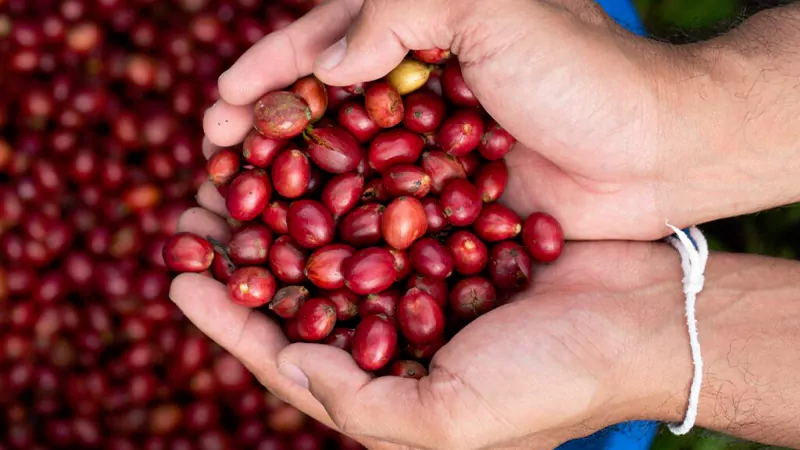
Arabica coffee stands as the most popular species worldwide. Farmers grow arabica coffee in regions with high elevation and cooler climates. Arabica coffee beans contain milder acidity and complex flavors. Many describe arabica coffee flavors as sweet, fruity, and floral. The chemical makeup of arabica coffee includes alkaloids, phenolic acids, flavonoids, and terpenoids. These compounds interact during roasting, producing caramel, sweet, and floral notes. Aldehydes and ketones contribute to the sweet taste, while furan ketones add pungency. Arabica coffee beans have less caffeine than robusta coffee beans. This difference in caffeine content shapes the overall taste and mouthfeel. Arabica coffee accounts for about 60% of global coffee production.
Robusta: Strong, Bitter, and Earthy
Robusta coffee grows well in lower elevations and warmer climates. Robusta coffee beans contain higher caffeine levels than arabica coffee beans. This species produces a strong, bitter taste with earthy and nutty undertones. The chemical composition of robusta coffee includes more alkaloids, which increase bitterness. Pyrazines in robusta coffee beans create soil-like odors, while phenols and aldehydes add smoky aromas. Robusta coffee flavors often appeal to those who prefer bold and intense coffee. Robusta coffee makes up about 40% of global coffee production. Many instant coffee blends use robusta coffee for its strong flavor and higher caffeine content.
Liberica: Unique and Regional
Liberica coffee remains rare in the global market. Farmers cultivate liberica coffee mainly in Southeast Asia and West Africa. Liberica coffee beans have a distinct shape and size. The flavor profile of liberica coffee stands apart from arabica coffee and robusta coffee. Many describe liberica coffee flavors as smoky, woody, and floral. The chemical compounds in liberica coffee create unique aromas and tastes. Liberica coffee contributes only about 2% to global coffee production.
Coffee Species | Approximate Percentage of Global Production |
|---|---|
Arabica | 60% |
Robusta | 40% |
Liberica | 2% |
Tip: Exploring different coffee species helps coffee lovers discover new coffee flavors and aromas. Each species offers a unique experience shaped by genetics and chemical composition.
Notable Coffee Varietals
Typica
Typica stands as one of the oldest and most widespread arabica coffee varietals. Farmers first cultivated Typica in Yemen before it spread to Asia and the Americas. Typica plants produce elongated beans and tall trees. This varietal often yields a clean and balanced sweetness in the cup. Many coffee lovers appreciate Typica for its clarity and mild acidity. Typica’s genetic makeup makes it susceptible to pests and diseases, but its flavor profile remains a benchmark for quality arabica coffee. Coffee origins that grow Typica, such as Jamaica and Guatemala, often produce coffees with delicate floral and caramel notes.
Bourbon
Bourbon originated as a natural mutation of Typica, brought from Yemen to Île Bourbon (now Réunion) by French colonists. The genetic lineage of Bourbon gives it broader leaves, rounder fruit, and stronger stems compared to Typica. These differences result in a sweeter and more complex flavor profile, with good acidity and a silky mouthfeel. Farmers often choose Bourbon for its higher productivity, about 30% more than Typica. Mutations like Red Bourbon and Yellow Bourbon further diversify its flavors. Bourbon’s unique genetics set it apart from other arabica coffee varietals, making it a favorite among specialty coffee producers. Many coffee origins in Latin America, such as El Salvador and Rwanda, grow Bourbon for its rich, layered taste.
Note: Bourbon’s genetic background explains its reputation for complex sweetness and acidity, distinguishing it from Typica’s balanced sweetness.
Geisha
Geisha, sometimes spelled Gesha, gained worldwide fame after winning international coffee competitions. This varietal traces its roots to Ethiopia but became famous in Panama. Geisha plants have long, slender leaves and produce beans with a distinctive shape. The flavor profile of Geisha stands out for its floral, jasmine-like aroma, vibrant acidity, and notes of bergamot and tropical fruit. Coffee experts often describe Geisha as one of the most aromatic arabica coffee varietals. The popularity of Geisha soared after it achieved record auction prices, inspiring farmers in Colombia, Costa Rica, and beyond to cultivate this rare varietal. International competitions continue to drive demand for Geisha and other unique coffee varietals, encouraging roasters and cafés to feature them.
Caturra
Caturra is a natural mutation of Bourbon discovered in Brazil. This varietal produces shorter, bushier plants, making it easier to harvest. Caturra’s genetics result in a cup profile similar to Bourbon, with bright acidity and a sweet, clean finish. Farmers in Colombia, Brazil, and Central America favor Caturra for its higher yield and adaptability to different climates. While Caturra shares many flavor traits with Bourbon, it often displays a lighter body and more pronounced citrus notes. Caturra’s widespread cultivation has made it a staple in many coffee origins across Latin America.
SL28
SL28 was developed in Kenya in 1931 from a drought-resistant Tanganyika variety. The genetic background of SL28 gives it resilience in dry conditions, although it remains vulnerable to disease. SL28 produces arabica coffee with exceptional sensory quality, often described as juicy, wine-like, and complex. The flavor profile includes blackcurrant, citrus, and tomato notes, making it highly sought after by specialty coffee buyers. SL28’s drought resistance and unique flavor development have contributed to its lasting popularity in Kenya and other African coffee origins.
Ethiopian Heirloom
Ethiopian heirloom varietals represent a vast and diverse group of arabica coffee plants. Ethiopia hosts between 10,000 and 15,000 unique heirloom varietals, many of which remain wild and genetically undefined. Each region in Ethiopia grows its own local heirloom varietals, resulting in a wide range of cup profiles. High elevation growing conditions slow cherry development, enhancing sweetness and acidity. Typical flavor notes include berry fruits, stone fruits, citrus, florals, bergamot, and green tea. Processing methods, such as washed or natural, further influence the final flavor. Washed Yirgacheffe coffees tend to be floral and stone-fruited, while natural Guji coffees are sweeter with berry notes. The complexity and diversity of Ethiopian heirloom varietals make them a cornerstone of specialty arabica coffee.
Ethiopian heirloom varietals contribute to flavor diversity due to their vast genetic diversity and regional specificity.
Ethiopia hosts an estimated 10,000 to 15,000 unique heirloom varietals, many wild and genetically undefined.
Each Ethiopian region has local heirloom varietals, resulting in distinct cup profiles varying widely by region.
High elevation growing conditions slow cherry development, enhancing sweetness and acidity, which diversifies flavor profiles.
Typical flavor notes include fruity and floral characteristics such as berry fruits, stone fruits, citrus, florals, bergamot, and green tea.
Processing methods influence flavor: washed Yirgacheffe coffees tend to be floral and stone-fruited, while Guji natural processed coffees are sweeter with berry notes.
The complexity of heirloom varietals is reflected in their unique cultivation requirements and regional suitability, affecting cup profiles.
Efforts to identify and label varietals improve traceability and allow producers to optimize processing to highlight unique flavors.
Tip: Exploring different coffee varietals from around the world helps coffee drinkers discover new flavors and appreciate the diversity of arabica coffee. Each varietal’s genetics and origin shape its unique flavor profile, making every cup a new experience.
Regional Flavor Profiles
Africa: Fruity and Floral
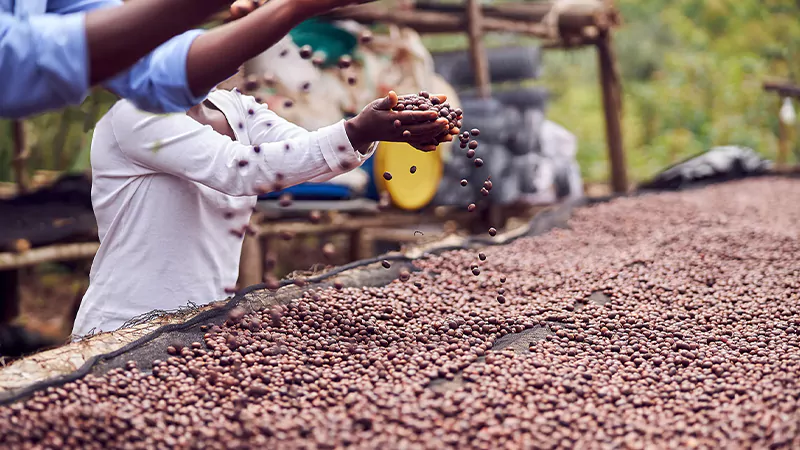
African coffee stands out for its vibrant and complex flavor profile. Many coffee-producing countries in Africa, such as Ethiopia, Kenya, Tanzania, and Uganda, grow coffee at high altitudes with rich volcanic soils. These environmental factors create ideal conditions for slow cherry maturation, which enhances sweetness and acidity in the beans. Ethiopian coffee often displays floral, citrus, and spice notes, while Kenyan coffee is known for its clean, tart, and bold taste. Tanzanian coffee brings chocolate and nutty undertones, and Ugandan coffee offers fruity, berry-like flavors with a heavy body.
Region | Common Flavor Notes | Environmental Factors Contributing to Flavor Profile |
|---|---|---|
East Africa | Floral, citrus, berry, chocolate, fruity | High altitude, mountainous terrain, cooler temperatures, specific soil conditions |
Ethiopia | Floral, citrus, spice | Traditional processing, high altitude, diverse microclimates |
Kenya | Balanced, acidic, bold, spicy | Highlands, high altitude, clean and bright taste |
Tanzania | Chocolate, nutty, robust | High altitude, balanced climate |
Uganda | Fruity, heavy body, sweet, berry-like notes | Unique fruity flavors, varying altitudes |
West Africa | Earthy, mellow, nutty, chocolate | Lower altitude, strict soil conditions, temperature, humidity |
Mali | Chocolate, caramel, berry-like fruitiness | High altitude within West Africa, smaller harvest but high quality |
Nigeria | Chocolate, peanut, subtle spice | Washed processing to reduce acidity, robust taste, low acidity |
Senegal | Chocolate, tobacco, citrus fruits, spices | Low acidity, smooth cup, complex flavor profile |
High elevation in Ethiopia and Kenya produces brighter, fruitier, and more complex coffee flavors. Volcanic and red soils in these regions add floral, chocolate, and caramel tones. The interaction of soil nutrients and altitude shapes the unique flavor profile of each local varietal. Farmers in these regions use traditional processing methods, which further enhance the distinctiveness of African coffee.
Note: African coffees often appeal to those who enjoy lively acidity and floral or fruity notes in their cup.
Americas: Nutty and Chocolatey
The Americas produce some of the world’s most popular coffees, with countries like Colombia, Brazil, Costa Rica, and Guatemala leading the way. These regions feature diverse climates, elevations, and soil types, which influence the flavor profile of their coffee. Colombian coffee is famous for its balanced flavors, red berry notes, and caramel sweetness. Brazilian coffee often delivers chocolate, hazelnut, and malty-sweet nuances, making it a favorite for espresso blends. Central American coffees, such as those from Costa Rica and Guatemala, offer creamy textures, mild sweetness, and harmonious acidity.
Origin/Category | Flavor Profiles/Notes |
|---|---|
Brazil | Chocolate, hazelnut, malty-sweet nuances |
Colombia | Red berries, caramel, balanced flavors |
Central America (Honey Process) | Creamy, harmonious, mild sweetness |
Bourbon Variety (Central/South America) | Sweet, caramelly, rounded acidity |
Medium Roast Coffees | Balanced sweetness, nut, and chocolate flavors |
Soil composition and elevation play a major role in shaping coffee from the Americas. High-altitude farms in Colombia and Guatemala produce beans with bright acidity and complex flavors. Volcanic soils in Guatemala add depth and richness. Climate variation also affects coffee quality. For example, rising temperatures and rainfall changes in Costa Rica and Guatemala have led to disease outbreaks, impacting both yield and flavor. Colombian farmers have responded by developing hybrid varieties that balance disease resistance with the classic flavor profile of Arabica coffee.
Coffee production in Costa Rica’s Coto Brus region has declined due to climate and economic changes.
Arabica coffee is sensitive to temperature and rainfall, which affects flowering and flavor.
Farmers innovate with new processing methods and certifications to maintain quality.
Tip: Coffees from the Americas suit those who prefer nutty, chocolatey, and well-balanced cups.
Asia: Earthy and Spicy
Asian coffee offers a bold and distinctive experience. Countries like Indonesia, Vietnam, and India produce coffee with hearty, earthy, and spicy notes. Indonesian coffee, especially from Sumatra, Java, and Sulawesi, is known for its full body, low acidity, and flavors that include earth, spice, and herbs. Volcanic soil and tropical climates in these regions contribute to the richness and depth of the beans. Traditional wet-hulling and dry processing methods add rustic, smoky, and complex flavors to the coffee.
Indonesian coffee features earthy and herbal notes, sometimes with hints of musk and spice.
Vietnamese coffee, often made from robusta beans, has a strong, bitter flavor and thick texture, with chocolate and caramel undertones.
Indian monsooned coffee develops a gentle, low-acidity profile after exposure to monsoon winds and rains.
Processing methods play a significant role in shaping Asian coffee flavors. Wet-hulling creates a heavy body and deep, earthy taste, while natural and honey processing can enhance sweetness and fruitiness. Regional culinary traditions sometimes influence the flavor profile, with spices like cinnamon or cardamom occasionally added during brewing.
Note: Asian coffees appeal to those who enjoy bold, full-bodied cups with earthy, spicy, and smoky notes.
Processing Methods and Taste
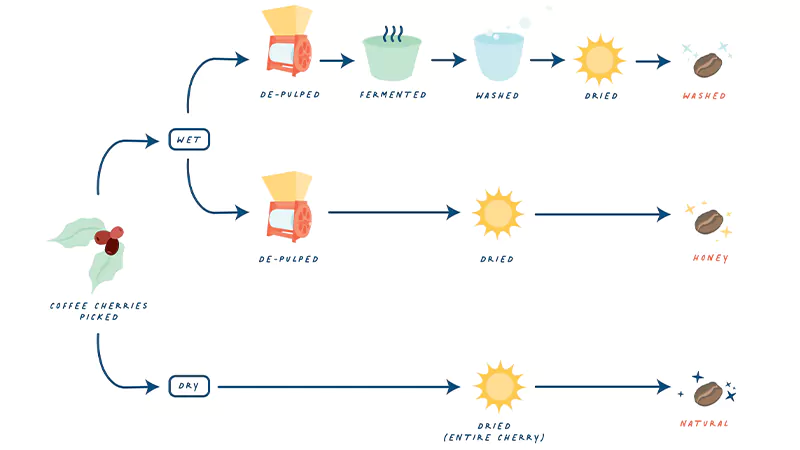
Coffee processing methods play a major role in shaping the final taste of each cup. Farmers and producers choose different techniques to highlight unique flavors and aromas. The way they process coffee cherries changes the chemical makeup of the beans, which leads to distinct taste profiles.
Processing Method | Description | Chemical Changes | Taste Profile |
|---|---|---|---|
Washed (Wet) | Pulp and skin removed before drying; beans soaked and fermented | Higher enzyme activity consumes free sugars; fewer aromatic precursors; fermentation limited by less pulp | Cleaner, sharper cup; higher acidity; fewer aromatic compounds; reveals origin and variety nuances |
Natural (Dry) | Coffee cherries dried whole with skin and pulp intact | Sugars in pulp undergo metabolic changes; fermentation modifies proteins, carbohydrates, and chlorogenic acids; less enzyme activity than washed | Sweeter, fruitier, fuller-bodied, with fruity, floral, and caramel notes |
Honey (Pulped Natural) | Skin removed but mucilage left on beans during drying | Fermentation of mucilage enhances sweetness; creates buttery and nutty aromas | Pronounced sweetness; complex aromas with buttery and nutty notes |
Wet-Hulled | Beans partially dried, then hulled while still moist | Unique fermentation and drying conditions | Earthy, heavy-bodied, sometimes spicy or herbal flavors |
Washed
Producers use the washed method to remove the pulp and skin from coffee cherries before drying the beans. They soak and ferment the beans to break down any remaining mucilage. This process increases enzyme activity, which consumes sugars and limits the formation of aromatic compounds. Washed coffee often tastes clean and bright, with higher acidity. The method highlights the origin and variety of the coffee, making it popular for specialty beans.
Natural
The natural process leaves the coffee cherry whole during drying. Sugars in the pulp undergo metabolic changes, and fermentation alters proteins and acids in the beans. This method creates coffee with bold, fruity, and floral flavors. Natural processed coffee usually has a fuller body and pronounced sweetness. Roasters must use careful techniques to preserve these flavors and avoid unwanted bitterness.
Honey
Honey processing removes the skin but leaves sticky mucilage on the beans as they dry. The mucilage ferments, which boosts sweetness and adds complex aromas. Honey processed coffee often sits between washed and natural in flavor. It shows pronounced sweetness, buttery notes, and a balanced acidity. Many producers in Central America use this method to create unique coffee profiles.
Wet-Hulled
Wet-hulled coffee comes mainly from Indonesia. Producers hull the beans while they are still moist, then finish drying them. This method creates unique fermentation conditions. Wet-hulled coffee often tastes earthy, heavy, and sometimes spicy or herbal. The process gives Indonesian coffee its signature deep and rustic flavor.
Tip: Each coffee processing method brings out different flavors and aromas. Exploring washed, natural, honey, and wet-hulled coffees helps drinkers discover new taste experiences.
Exploring Coffee Varietals
Tasting Tips
Coffee tasting, also known as cupping, helps people identify the unique flavors of arabica and robusta beans. Experts recommend tasting different coffee varietals separately to notice clear differences in flavor. Organizing samples by variety and planting date allows tasters to link flavors to specific growing conditions. Using a consistent sensory evaluation protocol with defined criteria—such as aroma, acidity, and body—improves accuracy. Many professionals use a panel of Q graders to score coffees, which increases objectivity. Descriptive analysis with a standardized vocabulary helps everyone communicate about flavor. Newer methods like Check-All-That-Apply (CATA) and Flash Profile allow even beginners to create reliable sensory maps. These techniques make it easier to compare arabica coffee and robusta coffee, even for those new to tasting.
Tip: Taste coffee in a quiet, well-lit space. Use the same brewing method for each sample to focus on the differences between arabica and robusta.
Choosing by Varietal
Selecting coffee by varietal can help match personal taste preferences. Consider these criteria:
Learn the main types: arabica coffee offers smooth, mild flavors, while robusta coffee provides intense, bitter notes with higher caffeine.
Check the origin. African arabica beans often taste fruity and floral. South American arabica coffee usually has nutty or chocolate flavors. Asian robusta coffee can be earthy and spicy.
Look for freshness. Recently roasted coffee keeps flavors vibrant.
Choose a roast level. Light roasts highlight original bean traits, while dark roasts bring out caramel and chocolate notes.
Match the varietal to your brewing method. French press and pour-over can reveal different aspects of arabica and robusta.
Read tasting notes and grading scores on packaging. Specialty coffees scoring above 80 often deliver more refined flavors.
Certifications like Organic or Fair Trade may reflect quality and ethical sourcing.
Building Your Flavor Journey
Exploring different coffee varietals expands appreciation for the diversity of arabica and robusta. Each varietal, such as Geisha or SL28, brings unique notes like floral, fruity, or nutty flavors. Scientific studies show that people who try many types of coffee learn to recognize and enjoy more sensory attributes. Coffee educators suggest learning from experienced baristas and joining tasting sessions. Creating a sensory-rich environment, using flavor wheels, and building peer communities all support deeper learning. Many recommend limiting added flavors to appreciate the natural taste of arabica coffee and robusta coffee. Experimenting with house-made syrups or new brewing methods can add creativity without masking the bean’s character.
Strategy | Description |
|---|---|
Learn from baristas | Gain feedback and tips from experienced coffee professionals |
Use sensory tools | Try flavor wheels and tasting guides to identify notes in arabica and robusta |
Join coffee communities | Share experiences and learn with other coffee enthusiasts |
Focus on quality and creativity | Experiment with brewing and flavoring, but highlight the coffee’s true taste |
Note: Trying new arabica coffee and robusta coffee from different regions and processes helps build a personal flavor journey and deepens understanding of coffee varietals.
Understanding coffee varietals helps people appreciate the wide range of flavors found around the world. Many enthusiasts explore new coffees by trying beans from different regions, using various brewing methods, and attending tasting events. Specialty coffee shops and organized tastings offer hands-on learning and highlight unique flavor profiles. Consumers can continue their journey by keeping a tasting journal, pairing coffee with food, or subscribing to artisan delivery services.
Experiment with beans from different regions
Attend coffee tastings or cuppings
Keep a tasting journal to track discoveries