
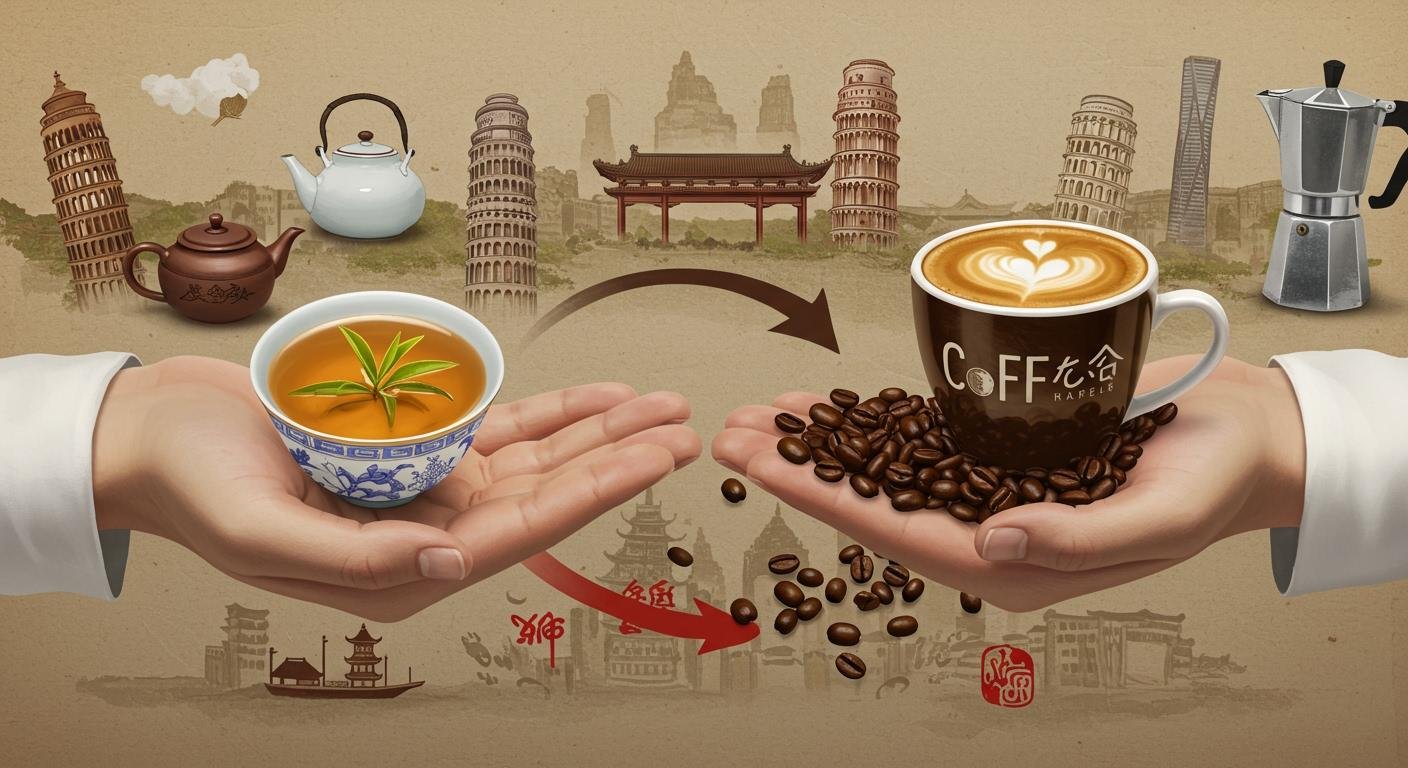
You might think of tea when you picture China, but coffee is quickly stealing the spotlight. Coffee consumption in China is rising by 30% every year, and over the last 14 years, it has shot up by more than 1,000%. That’s a huge change! Globalization and urban life bring new tastes and choices. You see young people in cities swapping tea leaves for lattes, and coffee shops are everywhere. This shift shows changing consumer preferences and hints at deeper lifestyle changes. China and coffee now go hand in hand.
Tea’s Legacy
Ancient Roots
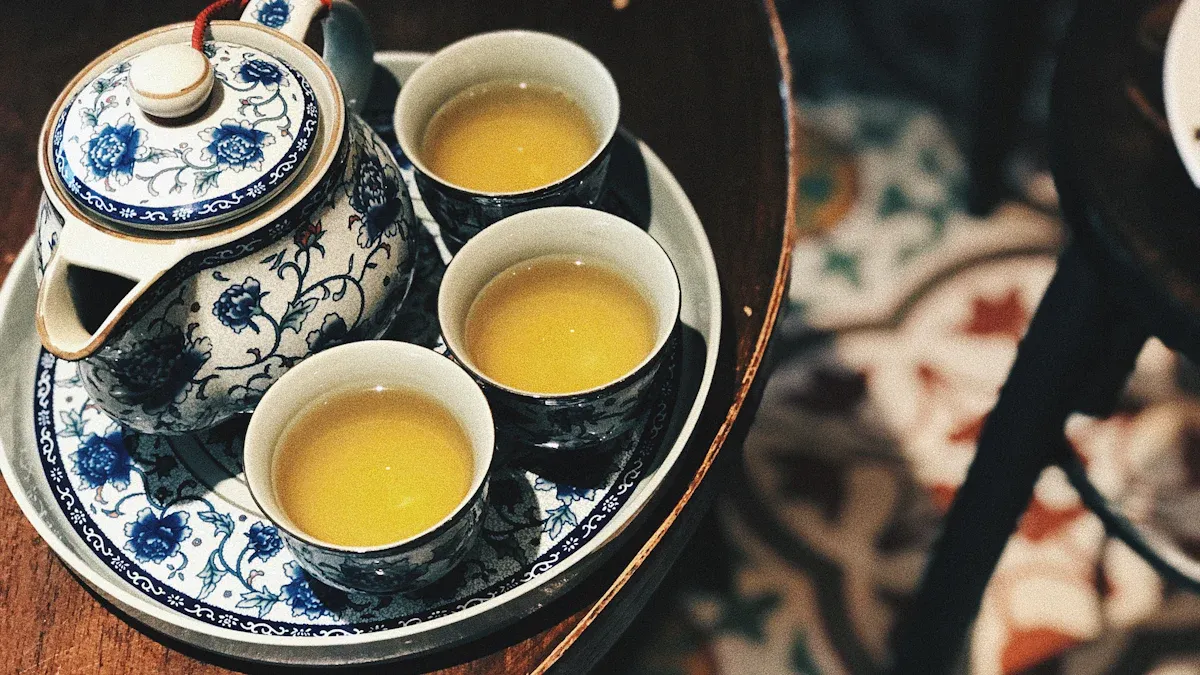
When people think of tea, they often think of China. Tea has been important in China for a very long time. The story of tea goes back thousands of years. There is a legend about Emperor Shen Nung. In 2737 B.C., some Camellia sinensis leaves fell into his hot water. He tried the drink and liked it. This started tea’s long history in China. Archaeologists found old tea plants in Sichuan Province from about 3000 B.C. This shows people in China used tea very early. At first, tea was used as medicine. People boiled tea leaves with other plants to help with health. Later, tea became more than just medicine. During the Tang Dynasty, tea became a favorite drink in China. It even spread to other countries. Tea became a big part of daily life and Chinese tradition.
Cultural Significance
Tea is more than just a drink in China. It is important in daily life and culture. People drink tea at family events and business meetings. Tea is also part of spiritual practices. Tea helps people connect and show respect. Making and serving tea teaches respect and humility. It brings people together, no matter who they are. Teahouses in China are places to talk and relax. Tea is also important in Buddhism, Daoism, and Confucianism. It helps monks focus and teaches harmony.
Tea in China is more than just a drink. It connects people, ideas, and traditions.
Here is a quick look at how tea shapes Chinese culture:
Influence on Culture | Description |
|---|---|
Self-cultivation and spirituality | Tea is linked to Buddhism and Daoism. It helps with meditation and focus. |
Social status and respect | Drinking tea shows you are educated and have good manners. |
Teahouses as social spaces | People from everywhere meet to talk and share ideas. |
Rituals and hospitality | Serving tea shows respect and welcomes guests. |
Tea’s story in China is long and special. It still shapes how people live, connect, and celebrate their culture.
China and Coffee
Early Encounters
Coffee has been in China for a long time. It started in the late 1800s. A French missionary brought coffee seeds to Yunnan in 1892. He planted them in a small village called Zhukula. This planting helped coffee farming begin in the area. More people in Yunnan started growing coffee over time. In 1930, Mr. Liang Jinshan helped spread coffee to Pupiao and Luoming. After 1952, experts taught farmers to plant more coffee. By the end of the 1900s, Yunnan was the top coffee province in China. Today, Yunnan grows most of China’s coffee.
Yunnan’s mountains and weather are great for coffee. You can taste the difference in every cup.
At first, coffee seemed foreign to people in China. Only rich people and foreigners drank it. In cities like Shanghai, coffee shops were places for smart people and leaders to meet. After World War II, coffee became easier to get. Open-air coffee stalls started serving more people. Coffee began to bring people together from many backgrounds.
In 1892, a French missionary brought coffee seeds to Yunnan. This started coffee farming there.
The first coffee planting in Zhukula helped future farming.
In 1930, Mr. Liang Jinshan helped coffee spread to Pupiao and Luoming.
After 1952, experts helped farmers plant more coffee. This made Yunnan’s coffee farms grow bigger.
By the late 1900s, Yunnan led China in coffee farming. It now grows most of China’s coffee.
Modern Growth
Now, coffee is very popular in China. The coffee market is growing fast. People in big cities want new drinks and fun places. You can see coffee shops everywhere in Beijing and Shanghai. Young people like to try new coffee and share online. Big brands and local cafés compete for customers.
The numbers show how fast coffee is growing. Since 2010, coffee drinking in China has grown by 21% each year. This is much faster than the world average of 1.8%. In 2022/23, China drank 3.7 million bags of coffee. This is 2.1% of all the coffee in the world. China’s coffee industry is growing faster than South Korea, Canada, or India.
Why is coffee so popular now? Globalization is important. More people travel, study, and work in other countries. They come back liking coffee. Social media helps new trends spread quickly. Young people want to try new things and show their style. Coffee fits this lifestyle. It is a way to relax, connect, and express yourself.
Yunnan still leads China in coffee farming. Farmers use new ways to grow better beans. Local brands work with global partners to make better coffee. The coffee market in China keeps changing. You can find instant coffee and special brews. Yunnan’s beans are famous for their taste.
Coffee was first seen as a foreign drink for rich people and foreigners.
In cities like Shanghai, coffee shops were places for smart people and leaders.
After World War II, coffee became easier for everyone to buy. Open-air stalls served more people.
Since 2010, China’s coffee drinking has grown by 21% each year.
The world average is only 1.8%.
South Korea’s rate is 5%. Canada’s is 0.6%. India’s is 1.6%.
In 2022/23, China drank 3.7 million bags of coffee. This is 2.1% of all coffee in the world.
You can see how China and coffee have changed together. Yunnan’s story from a few seeds to a coffee leader shows fast change. China’s coffee market is now one of the most exciting. If you love coffee, China is a great place to watch.
Rise of Coffee Culture

Urban Trends
Walk down a busy street in Shanghai or Beijing, and you will spot a coffee shop on almost every corner. The rise of coffee culture in China feels fast and exciting. You see big chains like Luckin Coffee opening new stores every week. Local cafes pop up with creative drinks and cozy spaces. People love to meet friends, work, or just relax in these places.
The number of specialty coffee shops in urban areas keeps growing. You can find everything from tiny espresso bars to stylish, Instagram-worthy cafes.
Chain brands like Luckin Coffee expand quickly. They make coffee easy to grab on your way to work or school.
Even rural China is catching up. By 2024, over 44,000 coffee shops have opened outside the big cities.
Coffee shops in China are more than just places to buy a drink. They have become social hubs. You can chat with friends, study, or even have business meetings. The atmosphere feels modern and open. It is different from the quiet, traditional teahouses you might remember.
Let’s look at how coffee consumption in cities compares to rural areas:
Aspect | Urban Areas | Rural Areas |
|---|---|---|
Coffee Perception | Seen as mainstream and widely accepted | Once considered exotic, now gaining popularity |
Economic Pressures | Higher living costs and debt | Lighter economic pressures, lower living costs |
Consumer Habits | Influenced by global trends and brands | Adopting urban habits as young people migrate |
Market Expansion | Rapid growth of coffee chains like Luckin Coffee | Slower growth, but increasing interest |
You notice that in cities, coffee feels like a normal part of daily life. In rural areas, it still feels new, but more people want to try it. The rise of coffee culture connects people from different backgrounds and brings fresh energy to daily routines.
Generational Shifts
Younger generations in China lead the rise of coffee culture. If you are part of the young urban population, you probably see coffee as more than just a drink. It is a lifestyle. Many young people want convenience and new experiences. Coffee fits this need perfectly.
You might know someone like Li Yizhe, a 26-year-old government worker. She switched from milk tea to coffee for a daily energy boost. Or maybe you relate to Zhang Jian, a 33-year-old freelancer. He likes coffee because it is affordable and helps him handle long work hours and stress. These stories show how coffee shops in China have become a favorite spot for young professionals.
The way you enjoy tea and coffee has changed, too. Traditional tea rituals take time and feel special, but now, many young people order drinks through apps and take them on the go. You blend old traditions with new habits. Coffee shops and cafes offer quick service and a place to hang out, which matches your busy lifestyle.
The coffee market in China now reaches about US$19.1 billion. This huge number shows how much young people love coffee. You see the rise of coffee culture everywhere, from trendy city cafes to small-town shops. The culture around coffee keeps growing, shaped by your choices and your desire for something fresh and modern.
Coffee in China is not just a trend. It is a sign of how you and your friends shape the future of culture, one cup at a time.
Coffee Culture in China
Social Spaces
You see coffee shops everywhere in China now. These places feel lively and welcoming. People gather to chat, work, or just relax. In big cities like Shanghai and Beijing, coffee shops have become the new meeting spots. You might notice that some shops even look like art galleries or cozy living rooms. The coffee culture in China brings people together in new ways.
In Shanghai, many office workers grab a cup of coffee every morning. It is now part of their daily routine.
Coffee shops in Beijing often share stories about the history of coffee. You can learn something new while you sip your drink.
In Chengdu, coffee fits right into the city’s relaxed lifestyle. Friends meet for coffee just like they do for tea.
Trendy coffee shops in cities like Shenzhen offer spaces for co-working and social events.
You can see how coffee experiences in China go beyond just drinking. These shops create a sense of community. You might meet new friends or find a quiet spot to read. The coffee experience in China feels modern but still connects to tradition.
Lifestyle Impact
Coffee has changed how you live and what you choose each day. Many young people in China now pick coffee instead of tea. They see it as a cool, modern drink. You might notice more local brands offering unique flavors and high-quality barista-made coffee. This shows how much tastes have changed.
Young professionals in cities often choose coffee to start their day. It feels fresh and exciting.
Local coffee brands keep growing. They make drinks that match your taste and keep quality high.
Coffee tourism is now popular. People travel to taste different coffees and learn about the culture.
Coffee culture in China shapes new lifestyles. You see more Chinese coffee drinkers exploring different coffee experiences. Coffee fits into busy routines and helps you connect with others. It is not just a drink. It is a part of your daily life and culture.
Coffee in China is more than a trend. It is a way to express yourself and enjoy new experiences every day.
Specialty Coffee & Innovation
Independent Cafés
You can see the rise of independent cafés everywhere in china. These places bring a fresh energy to the coffee scene. People in second and third-tier cities want more choices, so the demand for coffee keeps growing. The diverse food and drink cultures in china help shape what you like. That is why you find so many unique cafés popping up.
Seesaw Coffee started in Shanghai in 2012. Now, it has 23 shops in four cities. This shows how specialty coffee culture spreads.
Manner Coffee began in 2015. It grew to over 90 shops by offering high-quality drinks at good prices. Their takeaway-only model fits busy city life.
Luckin Coffee opened more than 4,500 shops in just two years. This fast growth proves how much people in china love coffee.
By 2020, china had over 108,000 retail coffee shops. Most of these are in first- and second-tier cities. Experts think the number will reach 120,000 stores soon. Specialty coffee shops are now a big part of daily life. You can taste new flavors and enjoy a modern café experience.
Packaging Trends with BN PACK Coffee Bag
You might wonder how your coffee stays fresh and tasty. The answer often lies in the packaging. In china, the coffee industry is changing fast. BN PACK leads the way with smart packaging solutions.
BN PACK created the DualGuard Coffee Bag. It uses a special dual zipper and one-way valve. This keeps your coffee fresh and extends shelf life by up to 30%.
The EcoLock series uses compostable bags with biodegradable valves. These bags break down in just 12 weeks.
The ReGen line uses recyclable materials. This helps lower CO2 emissions by 40% compared to old packaging.
BN PACK also tests blockchain-tracked packaging. You can scan the bag to learn about the farm, carbon footprint, and how to compost it. The DualLock zipper keeps out oxygen, so your coffee smells great for up to six months.
Good packaging matters for more than just freshness. It helps your favorite brands stand out. Many bags use eco-friendly materials like plant-based films and recycled paper. These choices protect the planet and attract people who care about sustainability. Advanced packaging keeps coffee safe from moisture and air, so you get the best taste every time.
Next time you grab a cup of coffee in china, remember that the right packaging makes all the difference.
Tech & Social Media
Digital Ordering
Ordering coffee is very easy now. You just use an app on your phone. Tap a few buttons and your drink is ready. Big brands like Luckin Coffee make this possible. Their app lets you order ahead and pick your drink. You do not have to wait in line. This helps when you are busy or late for school.
Cotti Coffee uses robots to make coffee fast. Robots and people work together to make your drink. Your coffee is ready quickly and tastes good every time. Technology helps make your visit smooth and easy.
Coffee shops learn what you like by tracking your orders. They suggest new drinks you might enjoy. You get a special experience made just for you. Old shops cannot offer this much choice or speed.
Luckin Coffee: Order fast and pick your favorite drink.
Cotti Coffee: Robots help make coffee quickly and well.
Data-driven service: Shops use your likes to make things better.
Online Influence
Social media helps you find new coffee drinks. You follow brands on WeChat or Weibo. Starbucks talks to you on these apps. They ask for your ideas and let you join fun events. You feel like you are part of the brand.
Starbucks used WeChat to show new drinks. You could share your thoughts and play games during Chinese New Year. Buying coffee became fun and more people talked about it online. This made sales go up.
Coffee shops in China sell more coffee every year. Social media helps brands find new customers fast. Baristas show you how to make coffee in livestreams. You trust them because they know a lot.
“Barista livestreaming helps people learn about coffee. People trust baristas because they are experts.”
Here’s how social media helps coffee brands:
Starbucks showed Li Jiaqi making coffee on Taobao in 2019.
The campaign got over 80,000 comments and 110,000 reposts on Weibo in three days.
You see how technology and social media make coffee more fun and personal every day.
New Beverage Trends
Bubble Tea
You see bubble tea everywhere in China. People love the bold flavors and fun toppings. Cheese foam and brown sugar boba are favorites. You might notice new shops opening every month. Bubble tea feels like a lifestyle statement. Young people share photos of their drinks online. You pay for bubble tea using apps like WeChat Pay or Alipay. This makes buying drinks quick and easy.
Let’s look at how bubble tea compares to coffee in China:
Aspect | Bubble Tea Trends | Coffee Trends |
|---|---|---|
Flavor Preferences | Cheese foam, brown sugar boba, creative toppings | Premium, artisanal, single-origin |
Health Variations | Oat milk, sugar-free, lighter options | Less focus on health, more on taste |
Cultural Context | Lifestyle statement, social sharing | Daily necessity for busy people |
Payment Methods | Digital apps like WeChat Pay, Alipay | Cash and cards still common |
Bubble tea stands out for its creative flavors and health-conscious choices. You see oat milk and sugar-free options everywhere. Coffee in China focuses more on quality and taste. Both drinks shape how you spend time with friends and enjoy city life.
Bubble tea and coffee both bring people together, but each has its own style in China.
Plant-Based Options
You notice more plant-based drinks in China’s cafés. Oat milk, coconut milk, and soy milk are popular choices. Oat milk costs more, but people still buy it for the taste and health benefits. Rice milk is growing fast, with a 33% increase in sales over two years. You see these options in both bubble tea and coffee shops. People in China care about health and the environment. Plant-based drinks fit this trend.
Coffee shops in China offer many plant-based choices. You can order a latte with oat milk or try a coconut milk cappuccino. These drinks taste great and support a healthy lifestyle. You see more people choosing plant-based options every day. China’s café scene keeps changing to match what you want.
Next time you visit a café in China, try a plant-based drink. You might find a new favorite.
Looking Ahead
Changing Values
You can see how fast things change in china. People now care more about health and wellness. You want drinks that use natural ingredients and offer real benefits. Many of your friends look for lower-calorie options and avoid sugary sodas. You also want to know that your drinks are safe and made with care.
Check out how values are shifting in china’s beverage scene:
Changing Value | Description |
|---|---|
Health and Wellness | You look for drinks with natural ingredients and health benefits. |
Convenience | You want quick, ready-to-go options for your busy life. |
Experience and Engagement | You enjoy fun shopping and live-stream events. |
Sustainability | You care about the planet and choose ethical, eco-friendly products. |
Value for Money | You expect good quality at a fair price. |
You notice that convenience matters a lot. You want to grab a drink on the way to work or school. Experience also plays a big role. You like to try new things and share them online. Sustainability is growing in importance, too. Many people in china now choose brands that care for the environment.
Health is a top priority for you and your friends.
You want drinks that fit your busy lifestyle.
You love sharing new experiences.
You care about the planet.
Future Trends
The future of coffee in china looks bright. Experts say you will see more coffee shops and new flavors every year. Local brands will keep growing, especially in smaller cities. International brands will try new ideas to fit your tastes.
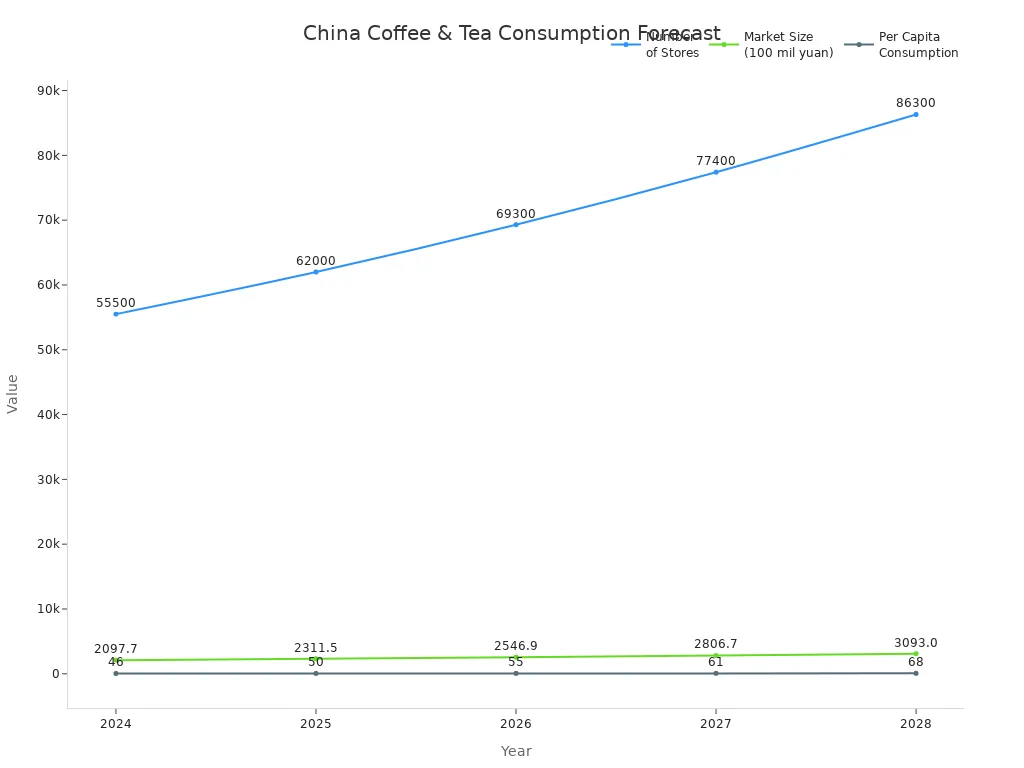
You can expect more healthy coffee choices, too. Brands will use less sugar and more natural ingredients. Technology will make it easier for you to order and try new drinks. You might even see more eco-friendly packaging everywhere.
Here’s what you might see in the future of coffee in china:
More local coffee shops in your neighborhood.
New, healthier coffee drinks.
Fun, interactive ways to buy and enjoy your favorite drinks.
Brands that care about the environment and your health.
You shape the future of coffee in china with every cup you choose. What will your next drink say about you?
You can see drinks in China changing quickly. People want new tastes and fast service. They also want healthier options.
Young people like things that are easy and different.
The middle class spends more money on good drinks like coffee.
Apps and delivery help everyone order drinks fast.
China’s move from tea to coffee shows how people mix western ideas with local traditions. You care about health and the planet. You also want to try new things.
What drink will you pick next as China’s drinks keep changing?