
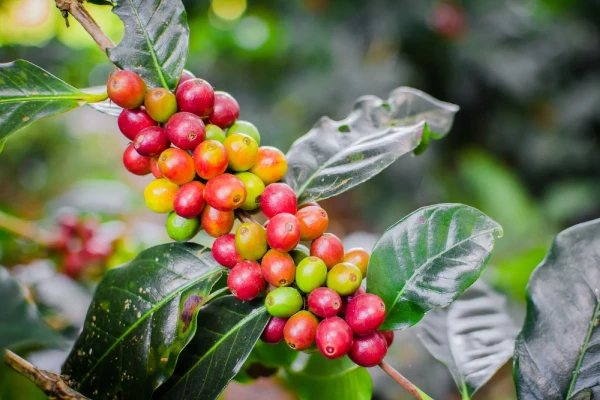
In the constantly evolving world of specialty coffee, a new vocabulary of flavor and quality emerges every year. While terms like “single-origin” and “specialty-grade” have become common language for coffee lovers, there is a tier above that still captures the imagination and commands reverence: exotic coffee. These are the coffees that win international competitions, fetch record-breaking prices at auction, and offer sensory experiences that can redefine what a person thinks coffee can be.
But what does the term “exotic” truly mean in a coffee context? It’s a word that can be easily misused. An exotic coffee is not defined simply by a high price tag or a foreign-sounding name from a distant land. It is a classification reserved for coffees that deliver a genuinely rare, unique, and extraordinary sensory experience—a flavor and aroma profile that is striking, distinct, and radically different from the everyday cup.
We will explore the specific factors that earn a coffee this prestigious label—from rare plant genetics to groundbreaking processing methods—and provide a roaster’s perspective on how to source, roast, and present these remarkable and often challenging beans.
What Makes a Coffee Exotic? The Three Pillars of Rarity
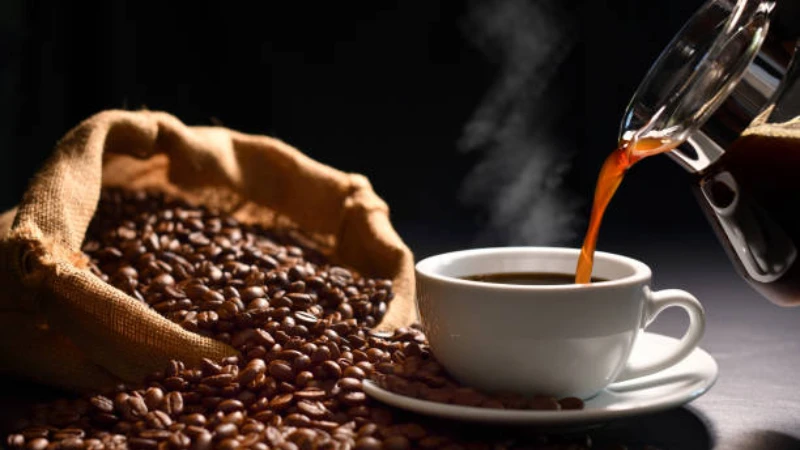
The “exotic” label isn’t arbitrary. It is earned when a coffee delivers a remarkable and memorable sensory experience that is significantly different from the norm. This distinction is typically built upon one or more of three foundational pillars: rare genetics, innovative processing, or an exceptional and unique terroir.
Pillar 1: Rare and Unique Varietals
The genetic makeup of the coffee plant is the most fundamental source of exotic flavors. Just as a Zinfandel grape is genetically programmed to taste different from a Pinot Noir, certain coffee varietals possess a unique chemical blueprint that results in an extraordinary cup profile. These rare exotic coffee beans are the superstars of the coffee world.
- Gesha/Geisha: No discussion of exotic coffee is complete without mentioning Gesha. Originally an heirloom variety from the forests of Ethiopia, it was rediscovered on a farm in Panama in the early 2000s. When it debuted at auction, its stunning and completely unique flavor profile of intense jasmine, bergamot, and tropical fruit shocked the coffee world and set new records for coffee prices. Today, a high-quality Panamanian Gesha is still considered the pinnacle of exotic coffees.
- SL28 & SL34: Developed in Kenya in the 1930s, these varietals are prized for their incredibly complex and savory-sweet acidity. A classic SL28 is known for its distinct and powerful notes of blackcurrant, grapefruit, and sun-dried tomato, a flavor profile that is intense, unique, and highly sought-after.
- Other Rarities: The list of rare varietals is constantly growing and includes others like Sudan Rume (known for its sweet, floral notes), Laurina (a natural low-caffeine varietal with unique creamy flavors), and Pink Bourbon (a hybrid known for its bright, fruity complexity).
Pillar 2: Innovative and Experimental Processing
The second pillar of the exotic is innovation at the farm level. A producer can take a relatively common coffee varietal and make it exotic through meticulous and experimental processing methods that create flavors that are impossible to achieve through traditional means.
- Anaerobic/Carbonic Maceration: Inspired by the world of winemaking, these techniques involve fermenting the coffee cherries in a sealed, oxygen-free environment (often in stainless steel tanks flushed with CO2). This controlled fermentation process dramatically alters the flavor profile, creating intense, wine-like flavors, a rich syrupy body, and distinct notes of cinnamon, poached pear, and spice.
- Extended Fermentation & Yeast Inoculation: Producers are now pushing the boundaries even further. Some are extending fermentation times to carefully controlled periods (e.g., 72 or 100+ hours) or introducing specific strains of yeast (like those used in wine or beer production) during fermentation to generate highly specific and repeatable flavor notes not found in nature.
Pillar 3: Exceptional Terroir and Micro-Lots
Sometimes, a coffee is exotic simply because of the unique piece of land on which it was grown. A specific combination of soil chemistry, altitude, rainfall, and a unique microclimate can create a flavor profile that cannot be replicated, even on a neighboring farm. These coffees are often isolated and sold as highly prized “micro-lots” or “nano-lots.” A micro-lot might be the harvest from just a single, exceptional day or a specific, small section of a farm known to produce the best cherries. The extreme scarcity of these lots is a key part of what contributes to their exotic status and high value.
How to Roast Exotic Coffees
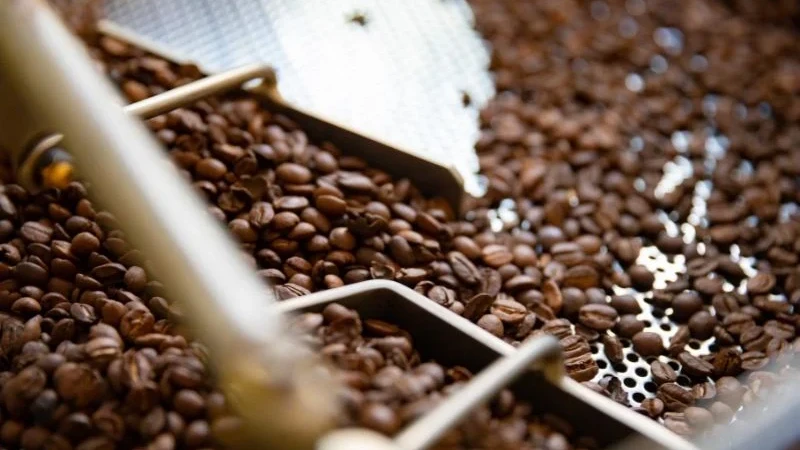
Sourcing and purchasing an exotic coffee is only the first step; the roaster’s work is what ultimately unlocks its potential and presents it to the world. Roasting these valuable and often delicate beans is a high-stakes endeavor that requires a different philosophy and a more nuanced approach than standard specialty coffees.
The Guiding Principle: “Do No Harm”
The primary job of a roaster when handling an expensive, exotic coffee is to preserve and transparently showcase its unique inherent character. Unlike with a versatile blend where the roaster’s goal might be to create a specific, consistent flavor profile, the goal here is to get out of the way and let the coffee speak for itself. The roaster’s signature is not a heavy-handed roast character, but a clean, clear presentation of the incredible work done by the producer at origin. This means avoiding the temptation to impart roasty flavors and instead focusing on highlighting the coffee’s natural brilliance.
Roasting Strategy for Exotic Beans
While every coffee is different, most exotic varietals and experimentally processed lots share common characteristics—they are often very dense due to high-altitude growing conditions, and their prized flavors are created by highly delicate and volatile aromatic compounds. This requires a specific roasting strategy.
- Lighter is Almost Always Better: To protect the delicate floral notes (like the jasmine in a Gesha) and the vibrant fruit acids (like the blackcurrant in a Kenyan SL28), a light to medium-light roast profile is essential. Pushing the roast too far towards the second crack will inevitably burn off these fragile compounds, destroying the very characteristics that make the coffee exotic and expensive.
- A Gentle Heat Application: Because these beans are often very dense, they require a careful and gentle application of heat to ensure the core of the bean is roasted as evenly as the exterior. Many roasters opt for a slightly lower charge temperature (the starting temperature of the drum) and a carefully managed, often elongated, roast profile. By stretching out the Maillard (or browning) phase with less aggressive heat, a roaster can fully develop the bean’s sweetness and complex aromatics without scorching the exterior.
- Precision in Development Time: The period after the first crack begins is the most critical and nerve-wracking phase of roasting an exotic coffee. The roaster must achieve enough development to build sufficient sweetness to balance the often-intense acidity, but even a few seconds too long can “roast out” the delicate notes. The window for a perfect roast on these coffees can be incredibly small, requiring immense focus and control from the roaster.
Sourcing and Building a Program of Exotic Coffees
For a coffee roaster or café owner, deciding to offer exotic coffees is a significant business decision. The high cost of the green beans and the meticulous care required in roasting can be intimidating. However, when approached strategically, incorporating a program of exotic coffees can have a profound impact on your brand’s reputation and customer perception.
Build Relationships with Trusted Importers
Sourcing the world’s best and rarest coffees is not something you can typically do through a standard green coffee catalogue. These coffees are often sold in very small quantities (micro-lots or even nano-lots) and are highly sought after. The key is to build strong relationships with reputable green coffee importers who specialize in these high-end, competition-level lots. These partners are your gateway to the world’s best farms; they cup thousands of samples to find the true gems and can provide you with the detailed origin and processing information that is essential for marketing these coffees.
Start Small with Samplers
Before committing to an expensive 50lb bag of a rare Gesha, it’s wise to explore. Many specialty importers offer an exotic coffee sampler pack. These curated boxes contain small quantities of several different high-end coffees, allowing your roasting team to cup them side-by-side. This is an invaluable, lower-risk way to assess the profiles, understand the nuances of each bean, and decide which exotic coffee best aligns with your brand’s style and your customers’ palates.
Leverage the “Halo Effect”
One of the most powerful reasons for exotic coffee brands to offer these products is a marketing principle known as the “halo effect.” You may not sell a large volume of your most expensive exotic offering, and that’s okay. The very presence of a world-class Gesha or an experimental anaerobic coffee on your menu acts as a powerful statement. It signals to every customer—even those just buying your house blend—that you are a serious, knowledgeable, and quality-focused roaster. This single, high-end offering elevates the perception of your entire product line, making every coffee you sell seem more valuable by association.
Packaging and Presentation: Showcasing Your Prized Beans
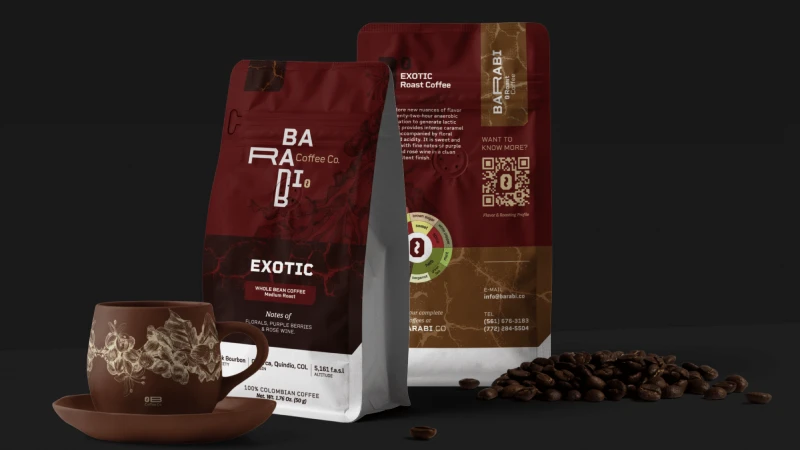
An exotic coffee represents a significant investment at every stage. The producer invests immense care and takes risks with experimental processing. The roaster invests in the high cost of the green beans and applies their most precise skills to the roast. After all this, the final step—packaging—becomes the most critical for protecting that collective investment and communicating the coffee’s extraordinary value to the customer.
The very characteristics that make these coffees exotic—their incredibly delicate, complex, and highly volatile aromatic compounds—also make them extremely fragile. The jasmine notes of a Gesha or the cinnamon spice of a carbonic maceration coffee are not robust; they are fleeting and highly susceptible to degradation from oxygen and UV light. Standard packaging is simply not sufficient for a coffee of this caliber.
The extraordinary character of an exoctic coffee demands packaging that is equally exceptional. It needs to both protect the precious contents and signal to the customer that they are holding something special. The premium coffee bags from BN Pack are the ideal choice for the world’s best exotic coffee brands. Our high-barrier foil and metalized materials create an impenetrable fortress against oxygen and UV light, preserving the rare jasmine aroma of a Gesha or the complex fruit notes of an anaerobic-processed lot. A one-way degassing valve is essential for ensuring these meticulously roasted beans can rest safely, arriving to your customer with their full, extraordinary potential intact.
Conclusion
What truly defines an exotic coffee, then, is its ability to surprise and captivate. It is a cup that stops you in your tracks and recalibrates your understanding of how coffee can taste. This extraordinary experience is born from a combination of rare genetics, bold and innovative processing, and the unique fingerprint of an exceptional terroir.
The pursuit of exotic coffees is the driving force of the entire specialty coffee industry. It is the research and development department, the Formula 1 tier where producers, roasters, and baristas push the boundaries of what is possible. The discoveries made in the world of exotics—from new processing techniques to the rediscovery of rare varietals—eventually trickle down, elevating the quality and diversity of the entire coffee ecosystem.
For roasters and coffee lovers, these coffees should not be intimidating. Instead, they should be seen as an invitation. An invitation to explore the furthest reaches of coffee flavor, to taste the results of incredible artistry and scientific innovation, and to celebrate the passionate work of the producers who are constantly striving to create the next unforgettable cup.