
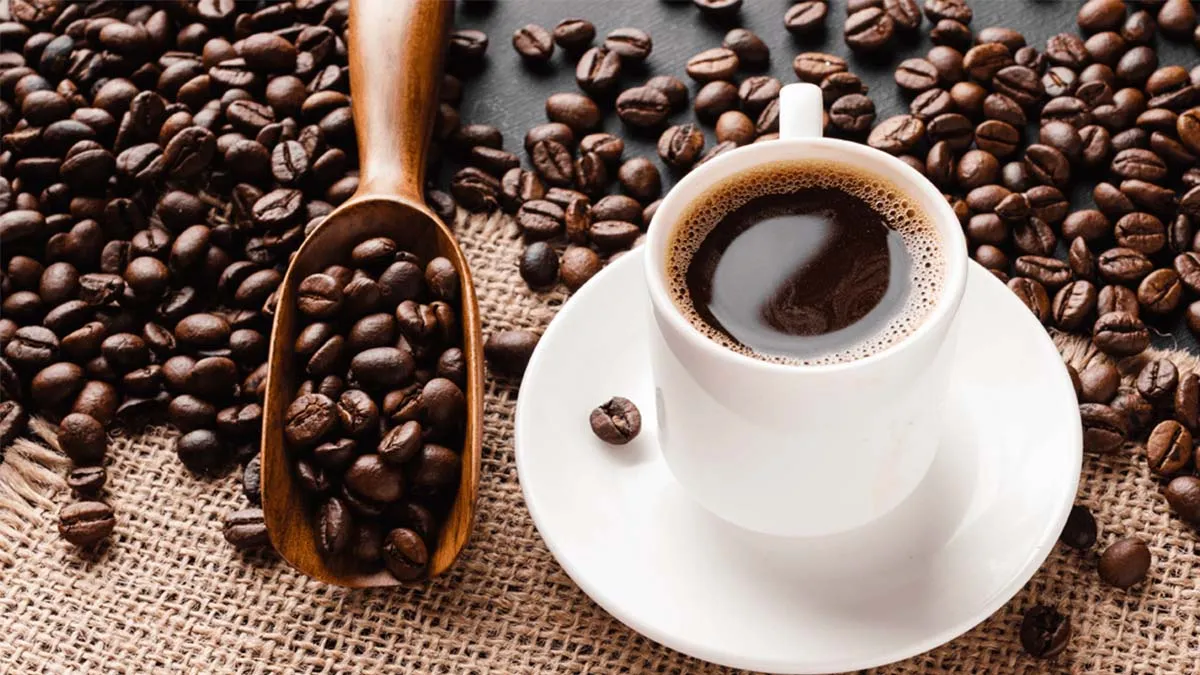
Coffee beans are a beloved beverage staple in many homes, and if you’re a coffee enthusiast, you know that the freshness of your coffee plays a significant role in its flavor. But how long do coffee beans last once you’ve bought them? It depends on a variety of factors, including the type of beans, how they’re stored, and whether the bag has been opened.
The Shelf Life of Coffee Beans
The shelf life of coffee beans is influenced by several factors, including the methods of cultivation, harvesting, processing, and roasting, as well as the form of the coffee beans and storage conditions.
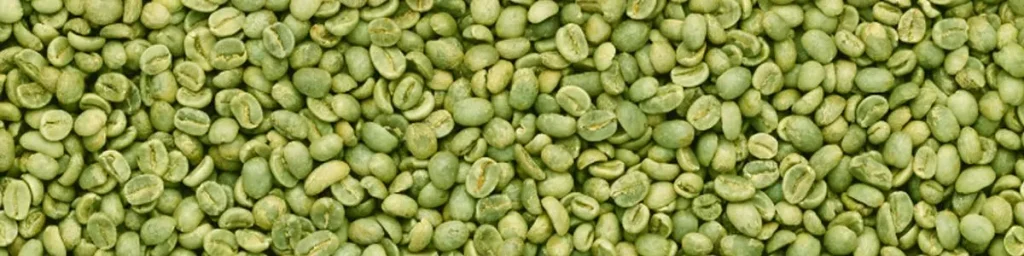
Green Coffee Beans
Best Shelf Life:
Green coffee beans, when stored properly, can last 1 to 2 years. This is because they have not undergone the roasting process, which preserves their natural flavor compounds. They are also less affected by oxidation compared to roasted beans.
Why do green coffee beans last longer than roasted coffee beans?
Green coffee beans have a longer shelf life than roasted ones because the roasting process alters the chemical structure of the beans, making them more vulnerable to the effects of air, moisture, heat, and light. The intact cellular structure of green beans allows them to stay stable longer.
Storage Conditions:
Green coffee beans should be stored in a cool, dry place and sealed in an airtight container to prevent exposure to air and moisture. It’s best to avoid direct sunlight and keep them in a stable temperature environment.
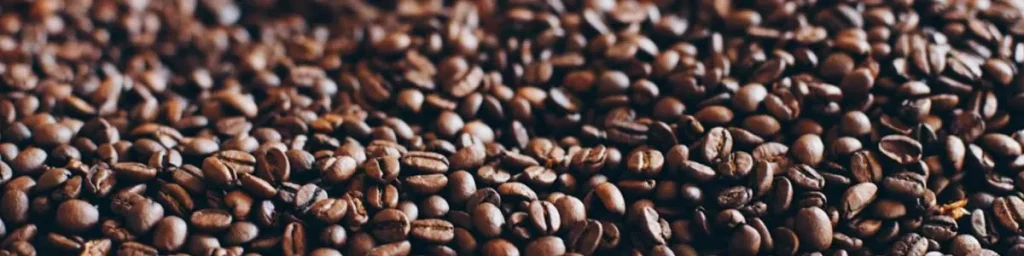
Roasted Coffee Beans
Best Shelf Life:
Roasted coffee beans are best consumed within 2 to 4 weeks. After this period, their flavor and aroma begin to degrade, and the beans may taste flat, oily, or bitter.
Why do roasted coffee beans lose freshness faster than green coffee beans?
Roasted coffee beans have a shorter shelf life due to the chemical changes they undergo during the roasting process. This process releases moisture and volatile compounds, which make the beans more susceptible to oxidation. The exposed surface area of roasted beans also makes them more vulnerable to air, light, and moisture.
Storage Conditions:
To prolong the freshness of roasted coffee beans, store them in a sealed container away from heat, humidity, and sunlight. Ideally, use an opaque container to block light and prevent flavor loss.
Ground Coffee Beans
Best Shelf Life:
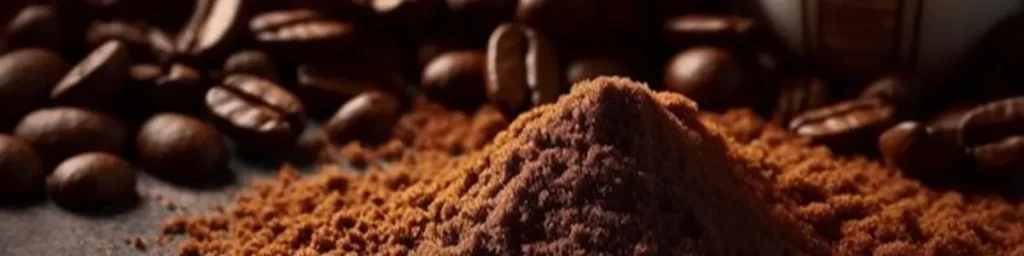
Ground coffee beans are best used within 1 to 2 weeks of grinding. Once ground, the increased surface area causes the coffee to oxidize quickly, resulting in a loss of flavor and aroma.
Why do ground coffee beans have a shorter shelf life than roasted coffee beans?
Ground coffee beans have an even greater exposed surface area than roasted beans, which allows oxygen to penetrate and accelerate oxidation. The oils in ground coffee also evaporate more rapidly, leading to a faster deterioration in flavor. This makes ground coffee the least stable form of coffee beans.
Storage Conditions:
To maintain the flavor of ground coffee, store it in an airtight container in a cool, dry place. However, the best practice is to grind coffee as needed to ensure freshness. If storing ground coffee, try to minimize exposure to air and moisture.
Factors Affecting the Shelf Life of Coffee Beans
Air, Light, Heat, and Moisture
Several environmental factors can significantly shorten the life of your coffee beans:
- Air exposure: Oxygen can degrade the oils in coffee beans, leading to stale flavors.
- Light: Direct exposure to light can make the beans lose their aroma and freshness.
- Heat: Storing coffee beans in a warm location can cause the oils to oxidize quickly, making them go stale.
- Moisture: Exposure to moisture can lead to mold and spoilage.
To keep your coffee beans fresh longer, avoid storing them in places where these factors are present.
Storage Conditions for Optimal Freshness
To maximize the shelf life of your coffee beans, follow these simple guidelines:
- Store beans in an airtight container.
- Keep them in a cool, dark place—away from sunlight, heat, and humidity.
- Avoid keeping beans in the fridge or freezer (unless necessary), as fluctuating temperatures can introduce moisture.
Unopened Coffee Bean Bags
Roasted Coffee Beans:
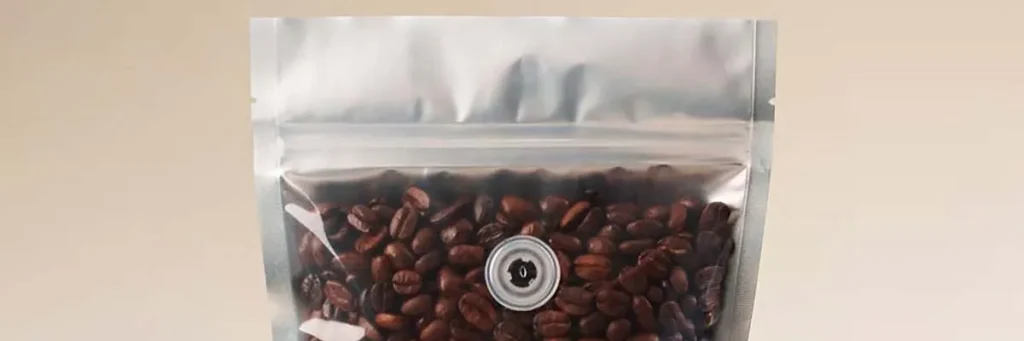
The shelf life of unopened roasted coffee beans is typically 6 to 9 months, but it can extend up to 12 months under ideal storage conditions. Over time, the essential oils and aromatic compounds in the beans gradually evaporate, leading to a loss of freshness.
How Packaging Affects Shelf Life:
- Vacuum-Sealed Bags: Remove air, reducing oxygen’s impact and extending freshness.
- One-Way Valve Bags: Allow CO₂ to escape while keeping air out, preserving freshness and flavor.
Factors Affecting Shelf Life:
- Storage Conditions: Store in a cool, dry place (ideal temperature: 20°C to 25°C), away from sunlight and heat.
- Environmental Humidity: High humidity speeds up oxidation. Ideal humidity is 50% to 60%.
Green (Unroasted) Coffee Beans:
Green coffee beans have a longer shelf life, typically 1 to 2 years, because they haven’t gone through the roasting process, making them more stable and less prone to oxidation.
Why Green Beans Last Longer:
- Untouched Essential Oils: Green beans retain their oils and compounds, which are activated during roasting, causing roasted beans to degrade faster.
- Stronger Outer Layer: The protective parchment around green beans offers better protection from oxidation.
However, green coffee beans should still be stored in a cool, dry place for optimal freshness.need to be stored in a cool, dry place to maintain their best
Opened Coffee Bean Bags
Roasted Coffee Beans:
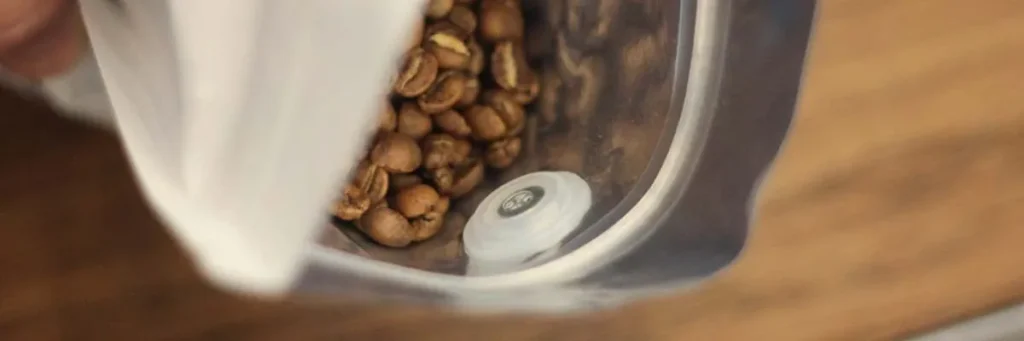
Once opened, the shelf life of roasted coffee beans shortens significantly, typically lasting 1 to 3 weeks for optimal freshness. Exposure to air, moisture, light, and heat causes rapid loss of flavor and aroma, and accelerates oxidation, making the coffee taste flat and tasteless.
Impact of Exposure to Air, Light, Moisture, and Heat:
- Air: Oxygen causes oxidation, speeding up the release of aromatic compounds and impacting flavor.
- Light: UV light breaks down aromatic compounds, damaging aroma and flavor, leading to a flat taste.
- Moisture: Moisture accelerates oxidation and affects flavor and texture.
- Heat: High temperatures increase oil oxidation, degrading aroma and flavor, making the coffee stale.
Storage Conditions:
To extend the shelf life of opened beans, use these methods:
- Airtight Containers: Reduces exposure to air and prevents oxidation.
- Cool, Dry, Dark Place: Avoid direct sunlight, heat, and moisture.
- Minimize Opening: Limit how often the bag is opened to preserve freshness.
CO₂ Release and Its Importance:
When roasted, coffee beans release carbon dioxide (CO₂), which helps maintain freshness. Upon opening, CO₂ escapes and reacts with oxygen. This release has two key effects:
- Slows Oxidation: CO₂ reduces oxygen exposure, slowing oxidation.
- Enhances Flavor: CO₂ preserves aroma and flavor, but once released, the coffee’s flavor deteriorates.
Using one-way valve bags or airtight containers helps retain CO₂ and pre
To help you understand more in detail, here is a detailed table about the shelf life of coffee, covering the storage time and related factors of different types of coffee:
| Coffee Type | Storage Conditions | Shelf Life | Notes |
|---|---|---|---|
| Green Coffee Beans (Unroasted) | Cool, dry place, airtight container | 12+ months | Green beans last longer than roasted beans. |
| Roasted Coffee Beans (Unopened) | Sealed bag/container, cool, dark place | 6-12 months | Freshness begins to decline once opened. |
| Roasted Coffee Beans (Opened) | Airtight container, cool, dark place | 2-3 weeks | Exposure to air, light, and moisture affects freshness. |
| Ground Coffee (Unopened) | Sealed packaging, cool, dry place | 3-6 months | Ground coffee loses freshness faster than whole beans. |
| Ground Coffee (Opened) | Airtight container, cool, dark place | 1-2 weeks | Ground coffee has a shorter shelf life. |
| Cold Brew Coffee (Liquid) | Refrigerator, airtight container | 7-10 days | Best kept sealed, but will lose flavor over time. |
| Instant Coffee | Sealed packaging, dry place | 12+ months | Generally more stable, but should be kept moisture-free. |
How to Determine the Freshness of Coffee Beans
Visual Inspection
- Color Changes in Coffee Beans:
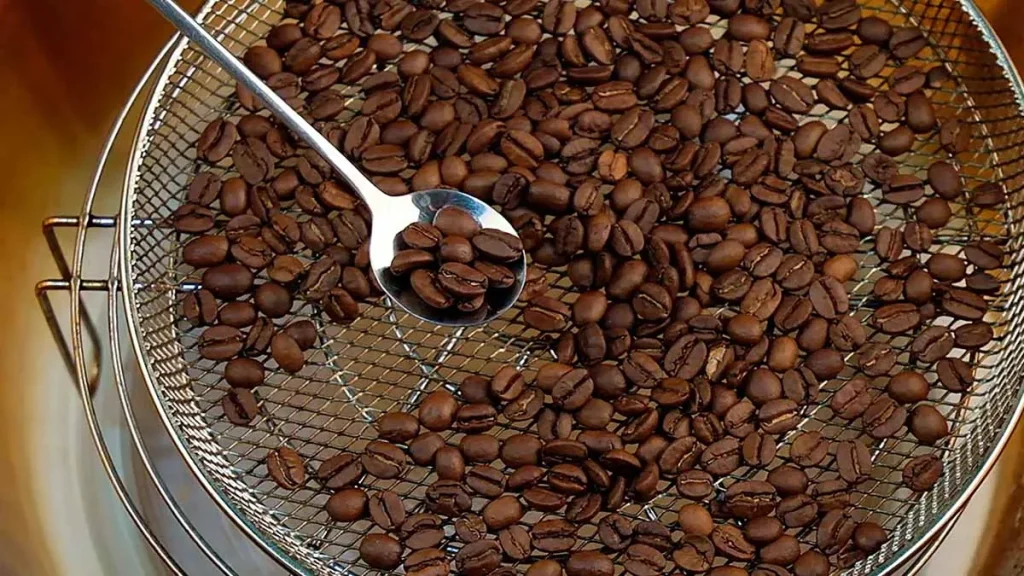
Fresh coffee beans typically have a uniform color, while over time, they may undergo noticeable color changes. As the beans oxidize, they can turn lighter or develop brown spots. This is particularly noticeable in roasted coffee beans, which may show signs of discoloration, such as a grayish or brown hue, indicating that the oils inside have started to oxidize and the flavor has been affected. - Observing the Surface Oils:
Freshly roasted coffee beans usually have a glossy appearance, which is a result of oils being released during the roasting process. Over time, these oils can become cloudy or lose their shine. If the surface of the coffee beans looks greasy or sticky, it is a sign that the beans are beginning to oxidize, leading to a loss of flavor. Ground coffee will show changes in the oils more quickly, and expired coffee may lose its luster, becoming dry or dull.
Smell Test
- Differences in Aroma Between Fresh and Stale Coffee Beans:
Fresh coffee beans emit a strong, rich aroma, with complex scents like roasted notes, fruity, or nutty fragrances. Stale coffee beans lose these vibrant smells and may instead give off musty, rancid, or oily odors. You can use your sense of smell to assess the freshness—if the aroma is weak or has a fermented or spoiled scent, it indicates that the beans have gone bad. - How to Determine Roasting Time by Smell:
The aroma of freshly roasted coffee beans peaks within hours of roasting and gradually fades. Freshly roasted beans have a subtle aroma, with hints of vanilla, chocolate, or caramel. In contrast, expired coffee beans may emit sour, burnt, or woody smells, indicating that the beans have lost their peak flavor.
Taste Test
- How to Evaluate Freshness by Tasting Coffee:
Fresh coffee made from quality beans has a layered, rich flavor profile, with a balanced acidity and sweetness, along with notes of fruit, nuts, or chocolate. On the other hand, stale coffee will lack these complexities, tasting flat or bitter. Expired coffee often has sour or moldy flavors that can’t be corrected, even if you grind it fresh. - How to Identify Expired Coffee by Taste:
If your brewed coffee tastes overly sour or bitter and lacks balance, it’s a sign that the coffee beans have expired. Similarly, if your coffee lacks any real flavor, or has a dull taste without any fresh notes, it indicates that the coffee has lost its freshness.
How to Extend the Shelf Life of Coffee Beans
Proper Storage Methods
- Ideal Storage Environment:
To keep coffee beans fresh for as long as possible, it’s crucial to store them in the right conditions. Avoid direct sunlight, heat sources, and humidity, as these factors accelerate the deterioration of the beans. The best place to store coffee beans is in a cool, dry, and dark location. A pantry or cupboard is usually ideal. - Using Sealable Bags or Airtight Containers:
Always store your coffee beans in a seal-tight bag or airtight container. Exposure to air causes oxidation, which diminishes the freshness of your beans and results in flavor loss. Opt for containers made from materials like glass, ceramic, or stainless steel, as they prevent the beans from being exposed to air. Some people prefer bags with one-way valves to let gases escape without allowing air in, but sealed containers work just as effectively.
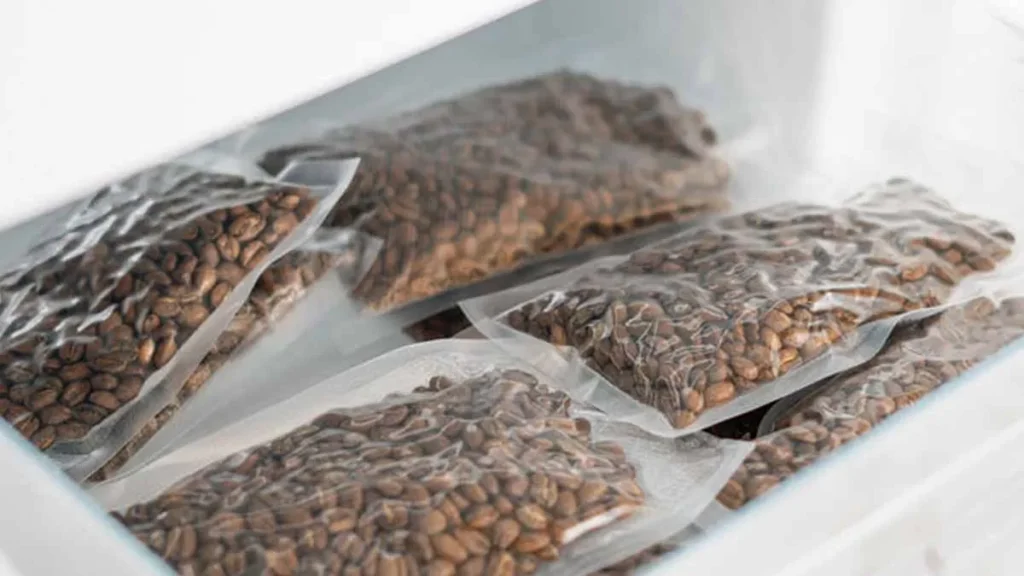
Freezing Coffee Beans
- Is Freezing Coffee Beans an Effective Storage Method?
Freezing coffee beans can be an effective way to preserve their freshness over long periods. However, it’s important to freeze the beans properly to avoid compromising their flavor. Freezing slows down oxidation, which helps retain the beans’ freshness and flavor for a few extra months. It’s a useful method if you buy coffee in bulk or want to preserve beans that you won’t consume right away. - How to Properly Freeze and Thaw Coffee Beans:
If you choose to freeze your coffee beans, here’s how to do it right:- Seal the beans in an airtight, freezer-safe bag or container. Remove as much air as possible to prevent moisture from getting in.
- Divide the beans into smaller portions before freezing to minimize exposure to air each time you take some out.
- Do not thaw and refreeze the beans. Once you’ve removed a portion from the freezer, let it thaw at room temperature before use. Repeated thawing and freezing can lead to moisture buildup, which damages the beans and affects flavor.
- Only thaw the amount you intend to use. This prevents the entire batch from being exposed to temperature fluctuations and moisture each time you open the container.
FAQ: Shelf Life & Storage of Coffee Beans
1. How long do sealed coffee beans last?
Sealed coffee beans typically last between 6 months to a year when stored properly in a cool, dry place.
2. Can coffee beans go bad?
Yes, coffee beans can go bad. They’ll lose their aroma and flavor as they age, and over time, they may even develop a stale or rancid taste.
3. Can I freeze coffee beans?
Yes, you can freeze coffee beans to extend their shelf life for up to 3-6 months, but it can slightly affect their flavor.
4. What is the best way to store coffee beans?
The best way to store coffee beans is in an airtight container in a cool, dark place, away from light, heat, and moisture.
5. How do I know if my coffee beans are stale?
Stale coffee beans lose their strong aroma and taste more bitter. They may also appear dull or discolored.
6. How long do roasted coffee beans last?
Roasted coffee beans are freshest for 2-3 weeks after opening, and can last up to 3 months if stored properly.
Conclusion
The shelf life of coffee beans varies depending on the type: green coffee beans, roasted coffee beans, and ground coffee beans. Each type of coffee bean has its ideal storage conditions, and proper storage is key to extending the freshness of the coffee beans, whether using airtight containers or freezing coffee beans for long-term storage. Avoid exposure to heat, light, and humidity to maintain the integrity of the coffee flavor.
Finally, consider buying small quantities of coffee beans to ensure that you can enjoy the freshest coffee every time. This will prevent the coffee beans from being stored for too long and ensure that every cup of coffee has the best taste.