
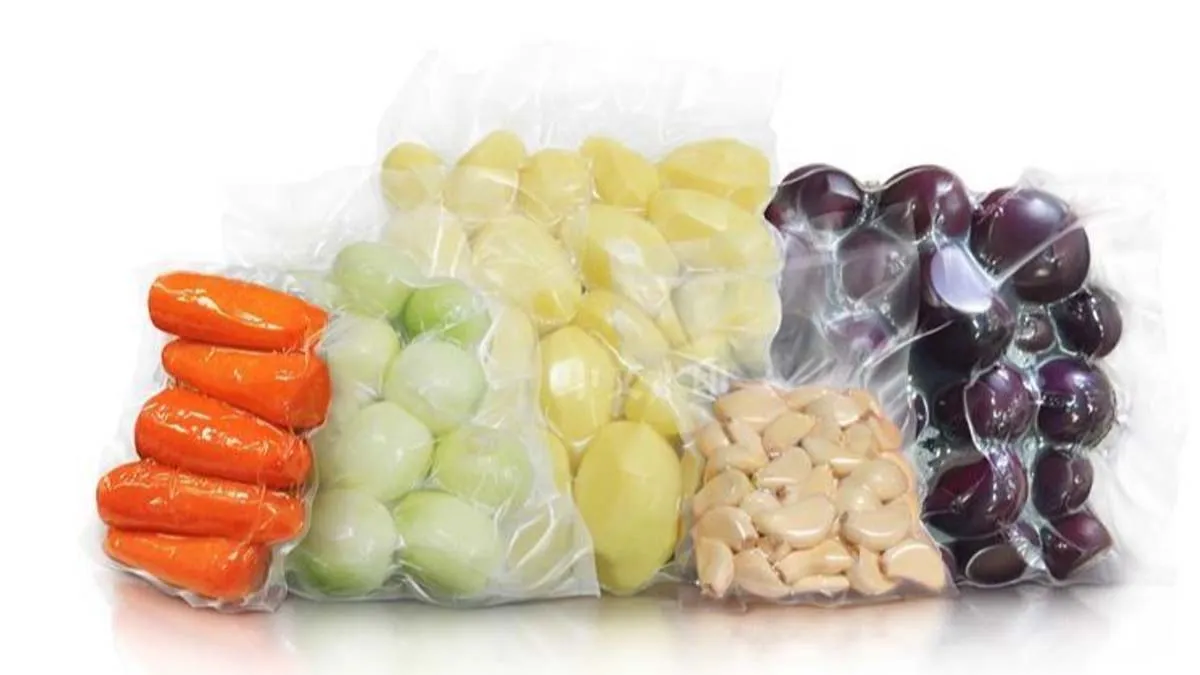
Dehydrated food offers convenience, long-lasting freshness, and ease of storage, making it a go-to option for food preservation. Whether you are preparing for long-term storage or simply want to save space in your pantry, understanding how long dehydrated food will last in vacuum-sealed bags is essential. In this article, we’ll dive into the shelf life of dehydrated food, how vacuum sealing helps prolong its usability, and the best practices to ensure your food remains fresh and nutritious.
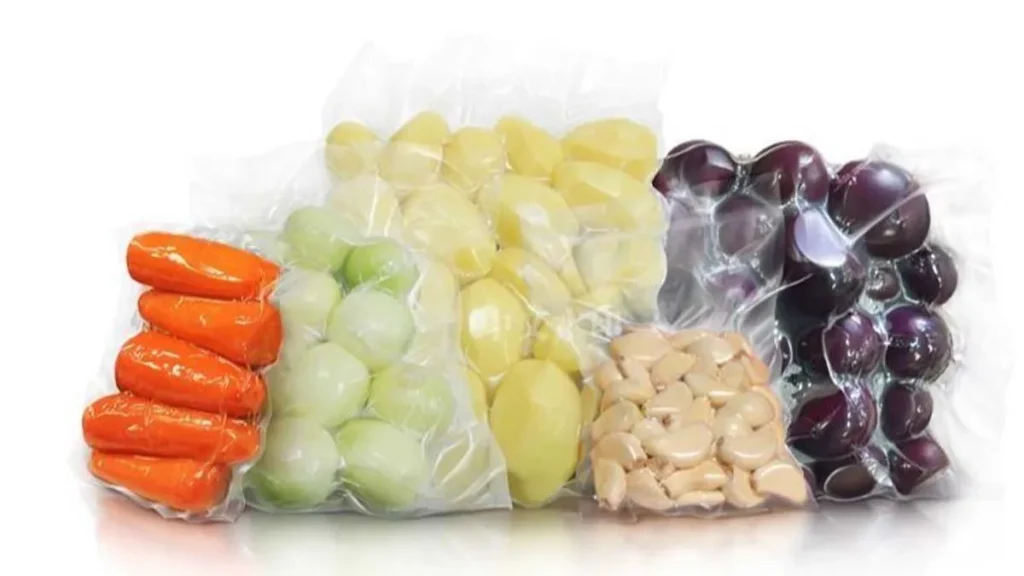
What Is Dehydrated Food?
Dehydrated food refers to food that has had its moisture content removed, typically through methods like air drying, freeze-drying, or heat drying. This process helps to prevent microbial growth and slows down the enzymatic processes that lead to spoilage. By removing water, dehydrated food can be stored for long periods without refrigeration, making it an ideal option for both emergency preparedness and everyday use.
| Dehydration Method | Description |
|---|---|
| Air Drying | Food is exposed to air and allowed to dry naturally. Common for fruits and herbs. |
| Freeze Drying | Freezing the food and then removing the moisture by sublimation. Ideal for preserving taste and nutrients. |
| Heat Drying | Using heated air to dry the food quickly. Often used for meats and vegetables. |
How Vacuum Sealing Impacts Shelf Life
Vacuum sealing is a preservation method that removes air from the storage bag, creating a vacuum-sealed environment. This method helps extend the shelf life of dehydrated food by:
- Eliminating Oxygen: Oxygen is a major contributor to food spoilage. By removing oxygen, vacuum sealing significantly slows down the oxidation process.
- Reducing Moisture: Even though the food is dehydrated, exposure to air or humidity can reintroduce moisture, which is detrimental. Vacuum sealing helps keep moisture out.
- Preventing Freezer Burn: If you’re storing dehydrated food in the freezer, vacuum sealing prevents freezer burn, which can degrade the food’s taste and texture.
| Factor | Effect on Dehydrated Food |
|---|---|
| Oxygen Removal | Prevents oxidation and degradation of food, extending shelf life. |
| Moisture Protection | Keeps the food dry and prevents rehydration, which can cause spoilage. |
| Freezer Burn | Reduces the risk of freezer burn when storing food in the freezer. |
How Long Will Dehydrated Food Last in Vacuum-Sealed Bags?
The shelf life of dehydrated food in vacuum-sealed bags depends on several factors, including the type of food, storage conditions, and whether additional preservation methods (like oxygen absorbers) are used. Below is a general guide to the longevity of dehydrated food in vacuum-sealed bags:
1. Room Temperature Storage
For food stored at room temperature (in a cool, dark, and dry environment), vacuum-sealed dehydrated food can last anywhere from 1 to 3 years. Foods like fruits, vegetables, and grains can last for this duration, as long as they are kept away from heat, light, and moisture. These conditions prevent the food from spoiling prematurely.
| Food Type | Shelf Life at Room Temperature | Storage Tips |
|---|---|---|
| Fruits and Vegetables | 1 to 2 years | Store in a cool, dry, dark area. |
| Grains and Legumes | 2 to 3 years | Keep away from heat and humidity. |
| Herbs and Spices | 1 to 2 years | Vacuum-seal and store in a dark place. |
2. Freezer Storage
Freezing dehydrated food significantly extends its shelf life. When vacuum-sealed and stored in the freezer, dehydrated food can last from 5 to 10 years. Freezing helps preserve the food’s texture, flavor, and nutritional value by slowing down the degradation process.
| Food Type | Shelf Life in Freezer | Storage Tips |
|---|---|---|
| Freeze-Dried Meat | 5 to 10 years | Vacuum-seal and store in the freezer. |
| Fruits (Freeze-Dried) | 5 to 10 years | Store in a freezer-safe vacuum-sealed bag. |
| Meals and Stews | 5 to 8 years | Store in portion sizes for convenience. |
3. In the Pantry
If you store dehydrated foods in vacuum-sealed bags in your pantry, they can last from 6 months to 2 years, depending on the type of food. Some dried foods, like rice, pasta, and dried beans, can last longer, while fruits and vegetables may have a slightly shorter shelf life.
| Food Type | Shelf Life in Pantry | Storage Tips |
|---|---|---|
| Rice and Pasta | 1 to 2 years | Store in a cool, dry, airtight location. |
| Dehydrated Vegetables | 6 months to 1 year | Keep away from light and humidity. |
| Nuts and Seeds | 1 year | Store in a sealed, vacuum-sealed bag. |
Factors Affecting Shelf Life
Type of Food
- Fruits and Vegetables: Dehydrated fruits and vegetables tend to last between 1 to 2 years at room temperature. For longer storage, freezing is recommended.
- Meats and Proteins: Freeze-dried meats can last longer in vacuum-sealed bags. They may last anywhere from 2 to 5 years at room temperature, but freezing can extend their shelf life to 10 years or more.
- Grains and Legumes: These foods can last up to 25 years if stored properly in vacuum-sealed bags, though they are best stored in a cool, dry environment.
| Food Type | Room Temp Shelf Life | Freezer Shelf Life | Notes |
|---|---|---|---|
| Fruits and Vegetables | 1 to 2 years | 5 to 10 years | Freezing helps preserve texture and nutrients. |
| Meats (Freeze-Dried) | 2 to 5 years | 10+ years | Ideal for long-term storage. |
| Grains and Legumes | 2 to 3 years | 5+ years | Store in a dry, cool area for longer life. |
Storage Conditions
- Temperature: The cooler the storage area, the longer your food will last. Try to store vacuum-sealed bags in a location that remains consistently cool, such as a basement or pantry.
- Light Exposure: Exposure to light can accelerate the breakdown of food. Vacuum-sealed bags protect your dehydrated food from light damage.
- Moisture: Any exposure to moisture, even in small amounts, can degrade dehydrated food. Vacuum sealing removes moisture from the air, ensuring your food remains dry.
| Condition | Impact on Shelf Life | Best Practices |
|---|---|---|
| Temperature | High temperatures accelerate spoilage. | Store in cool, dry areas. |
| Light | Light exposure can degrade nutrients and color. | Store in dark areas, like basements. |
| Moisture | Moisture reintroduces the risk of spoilage. | Use vacuum sealing and avoid humidity. |
Use of Oxygen Absorbers
Oxygen absorbers are small packets that can be placed inside vacuum-sealed bags to absorb any remaining oxygen. Using oxygen absorbers can help extend the shelf life of dehydrated food by preventing oxidation, which can cause food to spoil or lose nutrients over time.
| Absorber Type | Function | Best For |
|---|---|---|
| Iron Powder Absorbers | Absorbs oxygen, preventing spoilage and oxidation. | Great for long-term food storage. |
| Silica Gel Packs | Controls moisture levels, ideal for dry goods. | Ideal for storage of herbs and grains. |
Best Practices for Storing Dehydrated Food
To ensure that your dehydrated food lasts as long as possible in vacuum-sealed bags, follow these best practices:
1. Proper Sealing
Make sure the vacuum sealing machine is set up properly and that the bag is sealed tightly. Any gaps or air left inside the bag can reduce the effectiveness of the vacuum-sealing process.
| Sealing Tip | Benefit | Advice |
|---|---|---|
| Ensure airtight seal | Prevents oxygen and moisture from entering the bag. | Double check the seal for security. |
| Use high-quality bags | Ensures durability and prevents punctures or leaks. | Invest in strong mylar or other vacuum-seal bags. |
2. Use Mylar Bags
For long-term storage, use mylar bags in combination with vacuum sealing. Mylar is a highly durable material
that blocks light and moisture, which makes it an ideal choice for vacuum sealing dehydrated food.
| Bag Type | Advantages | Usage Tips |
|---|---|---|
| Mylar Bags | Light and moisture-resistant; ideal for long-term storage. | Use with oxygen absorbers for best results. |
| Plastic Bags | Less durable than mylar bags, but works for short-term use. | Store in dark areas to prevent light damage. |
3. Store in a Cool, Dry Place
Store your vacuum-sealed dehydrated food in a place that is both cool and dry. Ideal storage locations include basements, closets, or temperature-controlled areas.
4. Label and Date Your Bags
Always label your vacuum-sealed bags with the contents and the date of sealing. This helps you keep track of how long your food has been stored and ensures you use it within the recommended time frame.
| Labeling Tip | Benefit | Advice |
|---|---|---|
| Date your bags | Helps keep track of shelf life. | Include food type and sealing date. |
| Include contents | Prevents confusion later on. | Label with specific details (e.g., “Dried Apples 12/2023”). |
Conclusion
Vacuum sealing is an effective method for preserving dehydrated food for long periods. By removing oxygen and moisture, vacuum-sealed bags can extend the shelf life of food from 1 to 3 years at room temperature, or 5 to 10 years in the freezer. Proper storage conditions, along with the use of oxygen absorbers and mylar bags, can further increase the longevity of dehydrated food.
If you are looking to store dehydrated food for long-term use or emergency preparedness, vacuum sealing offers a simple and efficient solution. For businesses looking to bulk purchase or customize vacuum-sealed packaging, feel free to reach out to us. As a leading vacuum sealed bags packaging manufacturer, we specialize in high-quality, custom vacuum-sealing solutions designed to meet your specific needs.
FAQ
How long does dehydrated food last in vacuum-sealed bags at room temperature?
Dehydrated food can last from 1 to 3 years when stored properly in a cool, dark, and dry location.
Can I store dehydrated food in the freezer?
Yes, storing dehydrated food in vacuum-sealed bags in the freezer can extend its shelf life to 5-10 years.
What should I use with vacuum-sealed bags to extend the shelf life of food?
Oxygen absorbers can help absorb any remaining oxygen in the bag, extending the shelf life of dehydrated food.
How can I tell if dehydrated food has spoiled?
Signs of spoilage include moisture inside the bag, off odors, or discoloration.