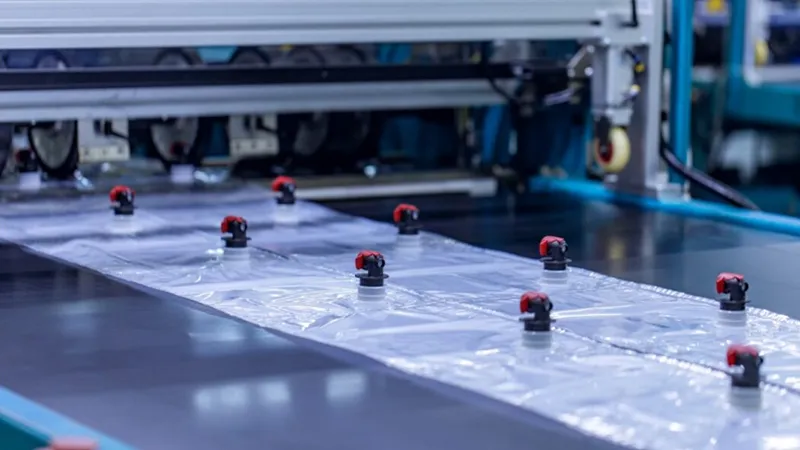
Choosing a bag in box supplier looks simple at first. You send an inquiry, compare prices, and place an order. In reality, the decision is far more important than that. Bag in Box is not a single-piece product. It is a multi-component packaging system made up of the inner bag, tap or valve, and outer box. If one part fails, the whole package fails. For food and beverage brands, the consequences can include leaks, product spoilage, compliance issues, missed launch dates, and unexpected cost increases.
That is why buyers need a structured way to evaluate suppliers before committing. In this guide, we will look at five key factors that matter most: certifications, customization, MOQ and pricing, production capacity, and quality control.
Why Choosing the Right Bag in Box Supplier Matters
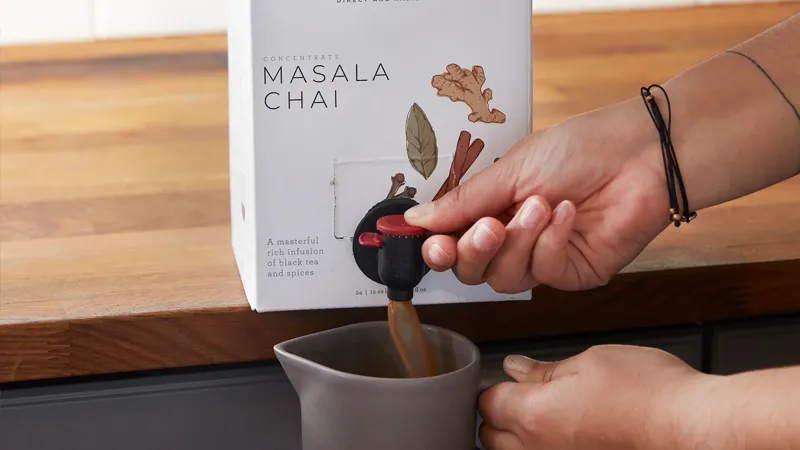
Bag in Box sourcing is more complex than buying ordinary flexible pouches or standard corrugated boxes. The supplier must be able to control food-contact materials, sealing performance, fitment compatibility, print execution, and transportation durability across the full package system. A supplier that cannot manage those details may deliver packaging that looks fine in photos but performs poorly in filling lines, warehousing, or real-world dispensing.
For overseas buyers, the risk is even higher because every mistake creates delays, freight losses, and extra coordination costs. The right supplier is not just a factory. It is a packaging partner that understands technical performance, compliance requirements, and export execution.
Factor 1 — Certifications & Compliance
Food Safety Certifications
For food, beverage, dairy, juice, syrup, and other liquid applications, certifications are not optional. A supplier should be able to provide documentation showing that the packaging materials are suitable for food-contact use in the target market. In the United States, food-contact packaging falls under the FDA’s food contact substance framework. In practical sourcing terms, that means buyers should ask for clear supporting documentation, not vague statements like “food safe” without evidence.
Beyond material compliance, buyers should also look for process-level certifications. ISO 9001 shows that the supplier has a formal quality management system in place. BRCGS Packaging Materials is an even stronger signal for many buyers because it is a packaging-specific standard and is widely used as a benchmark for packaging safety, quality, and operational control across the supply chain.
Sustainability Certifications
If your project involves recyclable, compostable, or paper-sourcing claims, you should verify those separately. For compostable claims, standards such as ASTM D6400 are relevant for plastics designed for municipal or industrial aerobic composting. For paperboard outer boxes, FSC chain-of-custody certification helps verify responsible sourcing of forest-based materials.
How to Verify
Always request certificates directly from the supplier. Check the expiry date, company name, and scope. When possible, cross-check with the issuing body or public database. One of the clearest red flags is a supplier that advertises certifications on its website but cannot promptly provide matching documents during the inquiry stage.
Factor 2 — Customization Capabilities
Size & Capacity Range
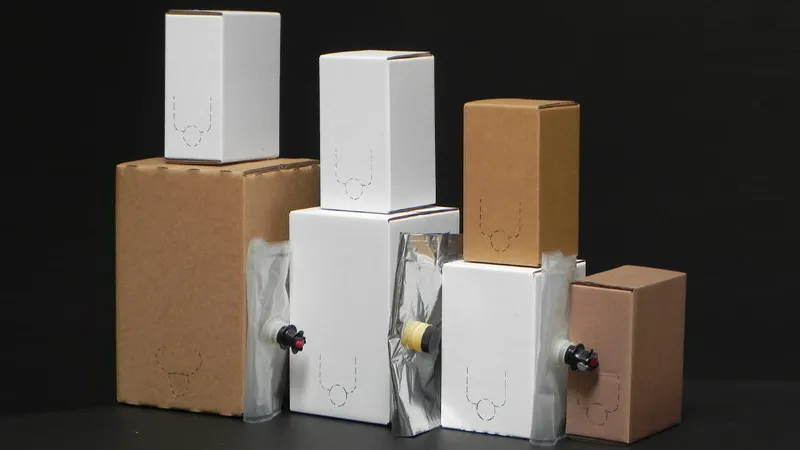
A reliable bag in box supplier should be able to support the sizes your business actually needs, not only a narrow standard offering. Common capacities include 1.5L, 3L, 5L, 10L, and 20L, but different industries often require different film structures, dimensions, and tap configurations. Wine, juice, edible oil, dairy, and cleaning liquids do not all use the same technical setup. That is why size range alone is not enough. You also need to know whether the supplier can adapt the bag structure and box design to your filling, shipping, and dispensing requirements.
Printing & Branding
If your packaging will be customer-facing, printing quality matters. Ask whether the supplier supports high-quality flexographic or digital printing, artwork review, color matching, and pre-production approvals. A strong supplier should have a clear sample approval process so you can confirm print appearance, layout accuracy, and branding details before mass production begins.
Tap & Spout Options
Fitment selection is one of the most overlooked parts of Bag in Box sourcing. Different taps and valves are designed for different applications, flow rates, and user experiences. For some categories, an ordinary tap may be enough. For others, especially higher-value or more sensitive liquids, the fitment choice affects shelf life, convenience, and filling-line compatibility. Ask whether the supplier offers multiple tap options and whether they control sourcing and compatibility testing for those parts.
Inner Bag Material Options
The inner bag is where technical performance really lives. Buyers should ask whether the supplier offers standard laminates, higher-barrier options, or more sustainable alternatives such as recyclable structures where feasible. If your product is oxygen-sensitive, shelf-life requirements should be part of the material discussion from the first inquiry, not after the order is placed.
Factor 3 — Minimum Order Quantity (MOQ) & Pricing Transparency
MOQ can vary dramatically between suppliers. Some manufacturers are set up mainly for very large runs, while others can support lower-volume launches, trial programs, or multi-SKU projects. Lower MOQ flexibility is especially important for new product launches, regional testing, and small or mid-sized brands that do not want to lock cash into excess inventory too early. BN Pack’s homepage states that it offers custom flexible packaging with low MOQ and flexible solutions for different business needs.
Price comparison should also go beyond the unit quote. Ask for an itemized quotation that separates tooling fees, plate charges, artwork costs, sample costs, packaging charges, and shipping assumptions. Two quotes can look similar at first while hiding very different total landed costs once freight, duties, inspection fees, and wastage risk are added. The best suppliers are usually the ones that make pricing easier to understand, not harder.
Factor 4 — Production Capacity & Lead Times
A supplier may give you a good sample and still fail during scale-up. That is why production capacity and lead times should be discussed early. Ask about monthly output, standard lead times for new orders, repeat-order lead times, and how they handle seasonal demand spikes. A supplier with stable production planning should be able to explain what happens if raw material lead times shift or a production slot slips.
Transparent communication is a strong sign of reliability. A good supplier gives realistic schedules, identifies bottlenecks early, and communicates changes before they become problems. A weak supplier often promises everything at the inquiry stage and becomes slow or vague once the order is confirmed. For overseas buyers, that difference directly affects inventory planning and launch timing.
Factor 5 — Quality Control & Testing
In-House QC Processes
Quality control should cover more than finished-goods appearance. For Bag in Box, buyers should ask about leak testing, seal strength testing, dimensional checks, barrier-related validation, and print-quality inspection. Because this is a dispensing package, even a small sealing defect or fitment mismatch can create major performance problems in storage or use.
Third-Party Testing
For food-contact applications, migration or material compliance reports can be just as important as in-house inspections. If the product is under pressure or handling stress, ask about burst or seam-related testing where relevant. The goal is simple: do not rely only on verbal promises. Ask for test reports, records, or documented procedures whenever possible.
Sampling Process
Never skip the sample stage. A pre-production sample helps you evaluate print quality, sealing performance, tap function, box construction, and overall handling feel before you commit to a full production run. If a supplier tries to rush you past sampling or treats samples as unimportant, that is a warning sign. In custom packaging, the sample stage is where many avoidable problems are caught early.
Bonus Tips for Vetting a New Supplier
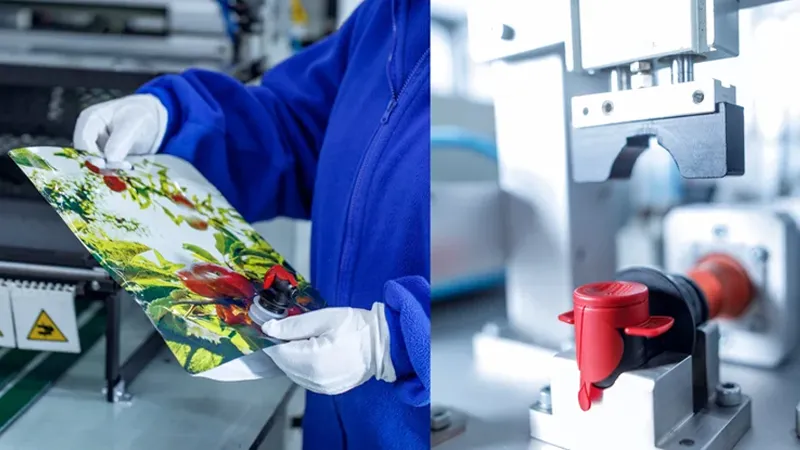
Before placing a first order, ask for a factory video tour, production photos, or a formal audit if the project value justifies it. Check whether the supplier has real export experience and whether they have served customers in your market. Also pay attention to how they communicate during the inquiry process. Response speed, document quality, and how clearly they answer technical questions usually tell you a lot about what future cooperation will look like. BN Pack’s public materials say it exports to over 100 countries and promotes custom packaging support for global buyers.
Conclusion
Choosing the right bag in box supplier is not just a purchasing decision. It is a risk-management decision that affects product safety, launch timing, cost control, and brand reputation. The best supplier is the one that can prove compliance, support real customization, offer transparent pricing, maintain reliable lead times, and back every order with solid quality control.
If you are sourcing a long-term packaging partner, evaluate suppliers carefully before you compare price alone. According to BN Pack’s public company information, the company has 22 years of experience, offers custom flexible packaging solutions, holds certifications including ISO 9001, BRC, US FDA, and EU Food Grade, and exports to over 100 countries worldwide. That combination is exactly the kind of profile many international buyers look for when choosing a dependable supplier.
Contact BN Pack to discuss your custom Bag in Box project and get a quotation tailored to your product, volume, and market requirements.