
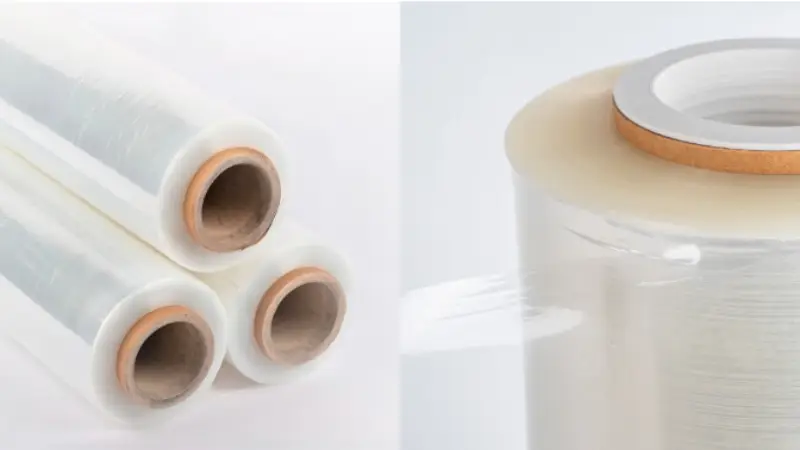
You need the right pe thickness for heavy things. This gives strong protection and makes it last longer. Industry rules say plastic sheeting should start at 8 mil for heavy-duty jobs. HDPE boards usually need 8-12 mm. The right pe thickness stops tears and damage. This is important when you move or store heavy items. Thicker materials do not get holes easily. They keep products safe in hard places.
Application | Recommended Thickness (mm) | Notes |
|---|---|---|
Packaging and Storage | 8 – 12 | For bigger, heavy-duty containers in rough places. |
Construction and Infrastructure | 8 – 25 | Good for parts like pipes and panels. |
Industrial Manufacturing | 15 – 25 | For parts that face heavy machines. |
Playground Equipment | 8 – 12 | Makes playgrounds safe and strong. |
If you pick the right pe thickness, you make things stronger. The right thickness helps you save money and keeps things safe. This article will show you steps and tips to choose the right pe thickness for your needs.
Understanding PE Thickness
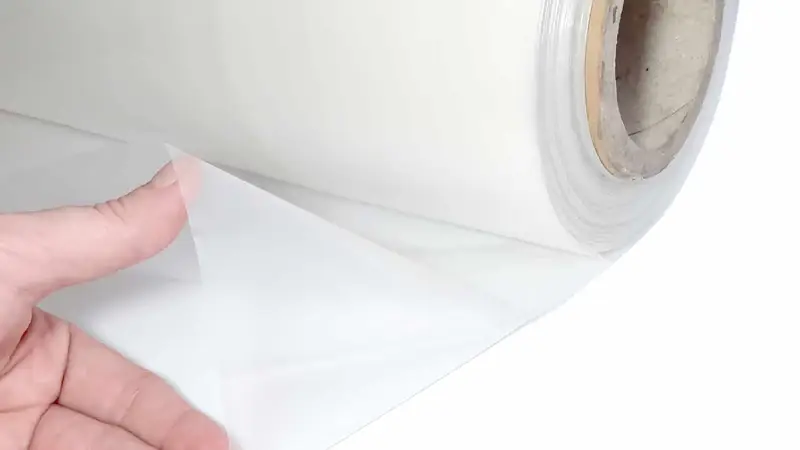
What Is PE Thickness?
When you look at polyethylene (PE) products, you hear about thickness. Thickness means how wide the material is from one side to the other. In factories, thickness shows how strong the material needs to be. Engineers use math to make sure the material does not break:
PE thickness connects to Minimum Required Strength (MRS).
Wall tension uses this math: σ = MRS/C.
To find wall thickness under pressure, use: σ = P(D-e)/2e.
These math rules show why picking the right thickness is important for heavy things.
How Is Thickness Measured?
You can check thickness in many ways, based on what you need. Most companies use special units and steps to meet quality rules.
Standard | Description |
|---|---|
E252 | Uses weight to find average film thickness with weight, density, length, and width. |
D6988 | Uses a micrometer to measure thickness; thin films can be hard to measure. |
D8136 | Uses new tools for exact measurements; removes mistakes and makes results better. |
You may see thickness in millimeters (mm) for boards or pipes. For films and coatings, you might see micrometers (μm). In the U.S., mils are used for plastic sheets.
Why Thickness Is Important for Protection
You want your things to stay safe when stored or moved. The thickness of PE film helps protect your products. Thicker films are stronger and block things better. They stop sharp things from poking through and keep out water or dust. If you use thicker PE for heavy or breakable items, you get stronger protection and longer-lasting products. This keeps your things safe from harm.
Tip: Always pick the thickness that matches your product’s weight and needs. Thicker PE gives you stronger protection and better barriers.
PE Thickness Categories for Heavy Products
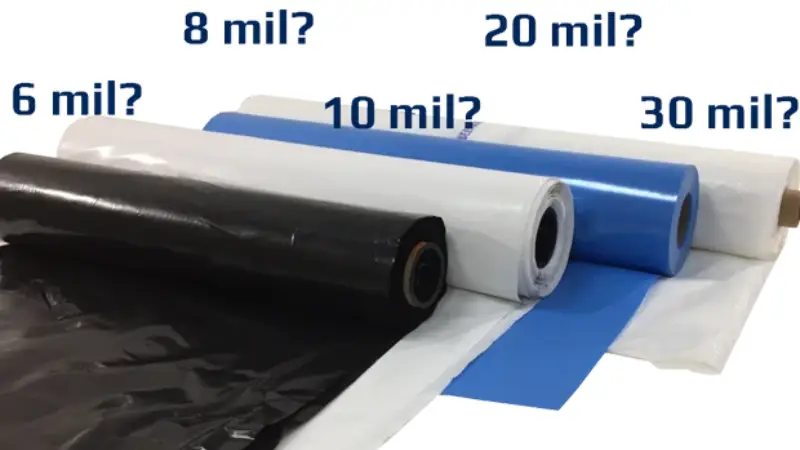
Common Plastic Sheeting Thicknesses
There are many types of plastic sheeting. Each thickness is good for a certain job. Thin plastic sheeting is best for light work. Thick plastic sheeting is used for tough jobs. The table below shows different mil thicknesses and how people use them:
Thickness (Mil) | Typical Uses |
|---|---|
1-2 mil | Used to cover furniture and equipment when painting. Good for small indoor jobs. |
3 mil | Covers floors, counters, and carpets. Used for painting and light covers. |
6 mil | Used in construction, shipping, insulation, and greenhouses. |
10 mil | Used for hard jobs in factories and industrial places. |
Plastic sheeting is measured in mils. One mil is one-thousandth of an inch. You pick thicker plastic sheeting when you need it to be stronger.
Recommended Thickness for Heavy-Duty Applications
Heavy-duty packaging and building jobs need strong plastic sheeting. Companies suggest different thicknesses for each job. High-density polyethylene and low-density polyethylene are both used for these jobs. The table below shows the best thickness for each use:
Application Type | Recommended Thickness (mm) | Notes |
|---|---|---|
Durable Packaging | 3 – 6 | Good for regular bumps and hits. |
Heavy-Duty Containers | 8 – 12 | Works well in rough places. |
Geomembranes | 1 – 3 | Keeps water out and protects the ground. |
Structural Components | 8 – 25 | Used for pipes and panels. |
Standard Manufacturing Parts | 6 – 15 | Strong but still flexible. |
High-Stress Components | 15 – 25 | Used for parts near big machines. |
HDPE boards are used for strong panels and containers. LDPE is picked for covers and films that need to bend. You check LDPE film thickness for wrapping and packing.
Limitations of Thin Materials
Thin plastic sheeting is not good for heavy things. It can tear or get holes with big loads. Thin plastic sheeting is fine for light jobs. You need thick plastic sheeting for hard work. Thicker plastic sheeting lasts longer and protects better. It keeps your things safe from water and damage. You save money because you do not need to fix or replace things as much.
Tip: Always choose the thickness that fits your product’s weight and use. Thicker plastic sheeting gives better protection and lasts longer.
Key Factors to Determine the Right Thickness
When you pick the right thickness for heavy products, you need to think about a few key things. You want your products to stay safe and last a long time. Use this checklist to help you decide what thickness you need.
Product Weight and Load
How much your product weighs is very important. Heavy things need stronger materials to hold them up and stop damage. You should think about how much weight and pressure your product will have when it is stored, shipped, or used.
The heavier your product, the thicker the material should be.
To find out how much cushion you need, divide your product’s weight by the static loading you pick. For example, a 60-pound product at 0.3 psi needs 200 square inches of foam. If you use 1.4 psi, you only need 43 square inches.
If you use more static loading, you can use less cushion. This can help you save money.
If you pick the right loading, you use less material and your product is still safe.
Always start by checking your product’s weight and how much it will carry. This helps you follow the rules for thickness and keeps your product strong.
Environmental and Handling Conditions
Where your product is used or stored matters a lot. Things like temperature, wetness, and sunlight can make materials weaker. Pick a thickness that can handle these things so your product stays safe and lasts longer.
How your product is handled is also important. If it gets dropped or hit, you need thicker material. Thicker polyethylene is better at stopping holes and rips. This keeps your product safe and helps it last longer.
Durability and Protection Needs
You want your product to be strong and safe. Look for materials that are tough and can take a hit. Thicker polyethylene is better at stopping holes, rips, and cracks from stress.
Thicker HDPE geomembranes spread out the force from sharp things, so there is less damage.
More thickness means your product is harder to tear or break, even if it gets scratched.
Thicker material helps stop cracks from growing, so your product lasts longer.
Property | Description |
|---|---|
High Strength-to-Density Ratio | Holds heavy things and keeps its shape. |
Impact Resistance | Takes hits and stops breaking or cracking. |
Chemical Resistance | Stops damage from chemicals and helps your product last. |
UV Resistance | Blocks sunlight and keeps your product from fading. |
Thermal Stability | Handles heat up to 120°C in tough places. |
Pick the thickness that matches how tough and safe you need your product to be. This helps your product handle daily use and hard places.
Cost Considerations
Money is always something to think about. Thicker polyethylene costs more at first, but it protects better and lasts longer. You save money later because your products do not get damaged as much.
Thicker materials cost more at the start.
They last longer, so you lose less money from broken products.
Fewer returns mean you save money over time.
Try to balance how much you spend with how much protection you need. Sometimes, paying more for thicker material saves you money because you do not have to fix or replace things as often.
Checklist for Evaluating Product Requirements
Use this checklist to help you pick the right thickness for heavy products:
How much does your product weigh and carry?
Will it be dropped or hit by sharp things?
What kind of weather or sunlight will it face?
Does it need to be very strong and tough?
How much can you spend on materials?
Are there any rules or thickness guides you must follow?
How does your material choice affect the environment?
Note: Thinner polyethylene can let out more microplastics and bad chemicals, which can hurt the ground and plants. Thicker materials lower these risks and are better for the environment.
You also need to follow the rules for safety and how your product works, especially for food or medical things. If you pick the wrong thickness, your product might not work right or could break the rules.
When you think about weight, stress, the environment, strength, and cost, you can pick the right thickness for your heavy products. This helps your products stay safe and last a long time.
Practical Guide to Choosing the Right PE Thickness
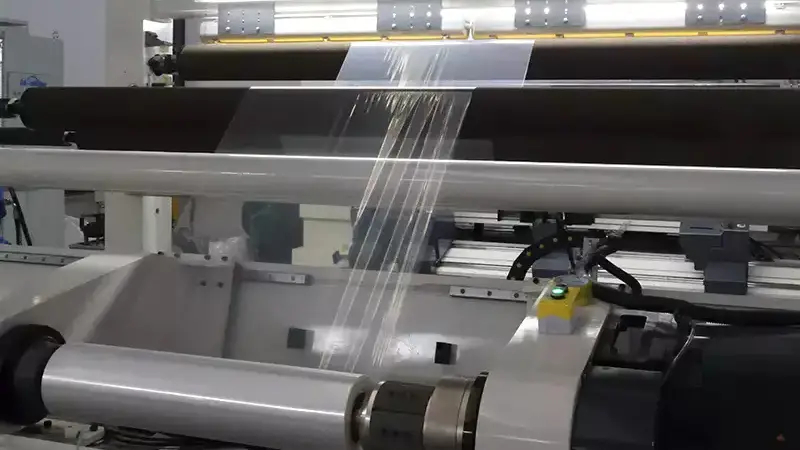
Step-by-Step Process
You can use simple steps to pick the right thickness for heavy products. This helps your products stay safe and last longer. You also do not waste money.
Identify Your Application
First, write down how you will use polyethylene. Think about things like packaging, building, making things, or keeping things outside. Each use needs a different amount of strength.Measure Product Weight and Load
Weigh your product. Find out how much force or pressure it will get. Heavy things need thicker and stronger material.Assess Environmental Conditions
Check where you will keep or use your product. Sun, rain, heat, and chemicals can make materials weaker. Pick a thickness that can handle these things.Determine Handling Risks
Think about how much your product will be moved or dropped. If it gets moved a lot, you need stronger material.Match Material Technology
Use new PE materials that are strong. Some new films and coatings protect well even if they are not thick.Check Industry Standards
Look at the rules for your job. Some jobs need a certain thickness to be safe.Balance Cost and Protection
Compare prices for different thicknesses. Pick one that is strong enough but does not cost too much.
Tip: Ask your supplier for samples. Test them with your product before you buy a lot.
Application Examples
You can see how different jobs use the right thickness for strength. Here are some examples:
Application | Typical Thickness | Why This Thickness Works |
|---|---|---|
Industrial Pallet Covers | 8-12 mil | Stops tears and holes in heavy loads. |
HDPE Construction Panels | 10-25 mm | Stays strong and keeps its shape under weight. |
Playground Equipment | 8-12 mm | Makes outdoor play safe and strong. |
Machine Parts | 15-25 mm | Handles hits and stays strong near machines. |
Geomembrane Liners | 1-3 mm | Blocks water and chemicals in hard places. |
You can use special PE films like Elasticene to use less material. This keeps the same strength and lasts just as long. Some companies use 40% less thickness and still protect their products. You save money and keep things safe.
Note: The mesh count in woven PE tarps matters for strength. More mesh means stronger tarps for outside use.
Balancing Protection and Cost
You want to keep your products safe and not spend too much. Here are ways to do both:
Check the risks for each job. Pick the right thickness for each one.
Use good materials that block UV and chemicals.
Use just enough thickness for your needs. Do not use too much for light jobs.
You can also save money by:
Buying a lot at once. You get discounts for big orders.
Making long deals with suppliers. You get good prices and steady supply.
Trying different types of polyethylene. Some types are strong and cost less.
Working with suppliers to make things better. Good processes use less material and save money.
You can add PE filler masterbatch to your material. This can replace up to 40% of new polyethylene. It can cut costs by 20%-30% for big jobs.
Tip: Use new PE technology. New films and coatings let you use less thickness but keep strength. This saves money and keeps your products safe.
New PE science helps you pick the best thickness. You get the right mix of weight, bending, and strength. UV treatment and better design make things last longer outside and in factories.
You can pick the right thickness for heavy products by following these steps. You keep your products safe, save money, and follow the rules for strength and durability.
You need to look at your product’s weight, how you use it, and where it goes when picking PE thickness. Thicker sheets help hold heavy things and stop damage from bumps. Use lists and real-life examples to make good choices. Do not forget about how much your product weighs or where you keep it. The table below shows what you should think about:
Key Factor | Description |
|---|---|
Structural Integrity | Thicker sheets hold up heavy things and stop damage |
Impact Resistance | Needed for hard jobs and breakable stuff |
Durability | Heavy things need thicker sheets |
Cost Optimization | Find a balance between safety and spending |
Tip: Use a checklist so you do not make mistakes and pick the best option.
Pick thickness that fits your job.
Think about how heavy and breakable your product is.
Look at how you store and move your product.